In April 2026, South Africa took a significant step toward strengthening its international partnerships as Alvin Botes undertook an official working visit to Serbia.
The visit, held on 15 April 2026, marked an important milestone in advancing diplomatic, economic, and cultural ties between the two nations.
High-Level Diplomatic Engagement
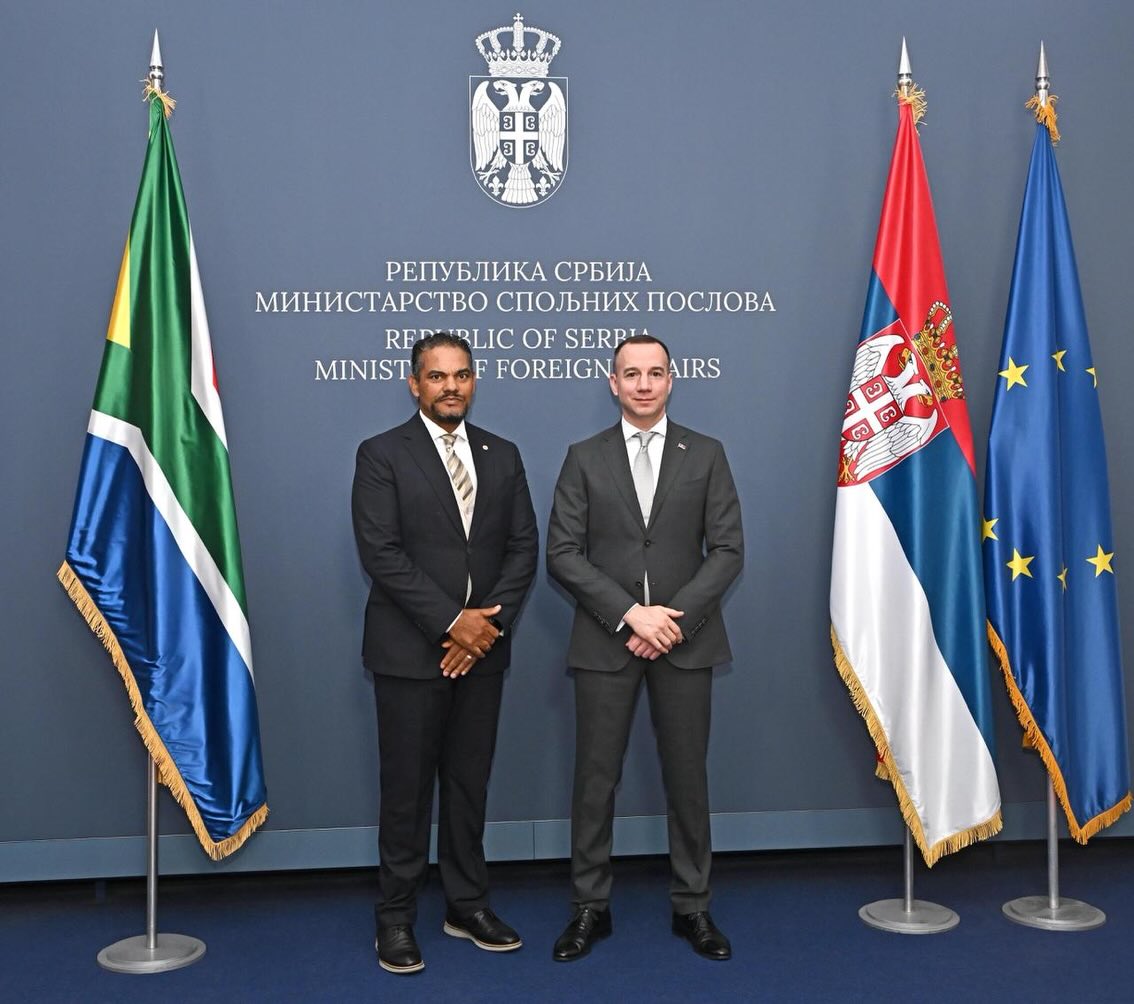
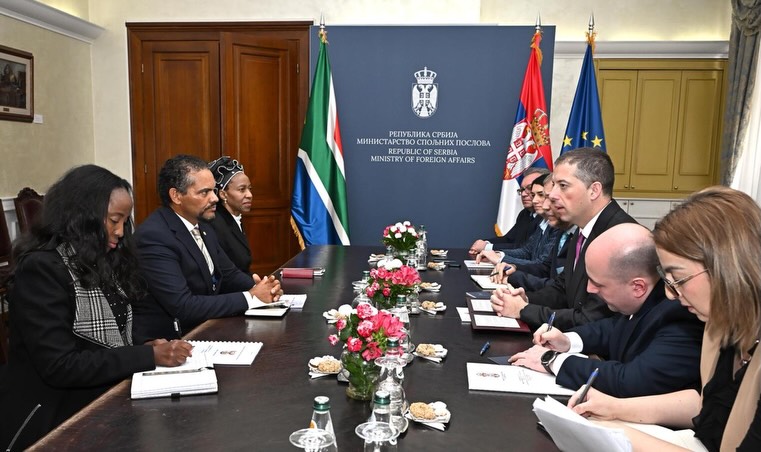
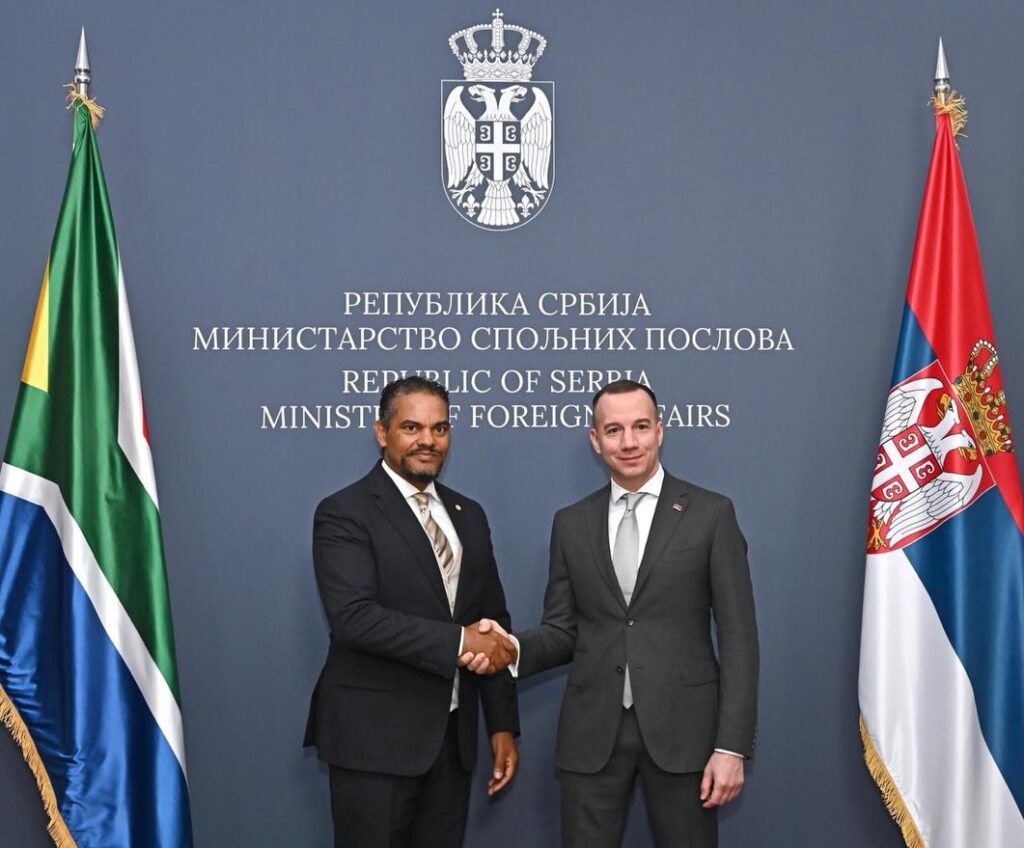
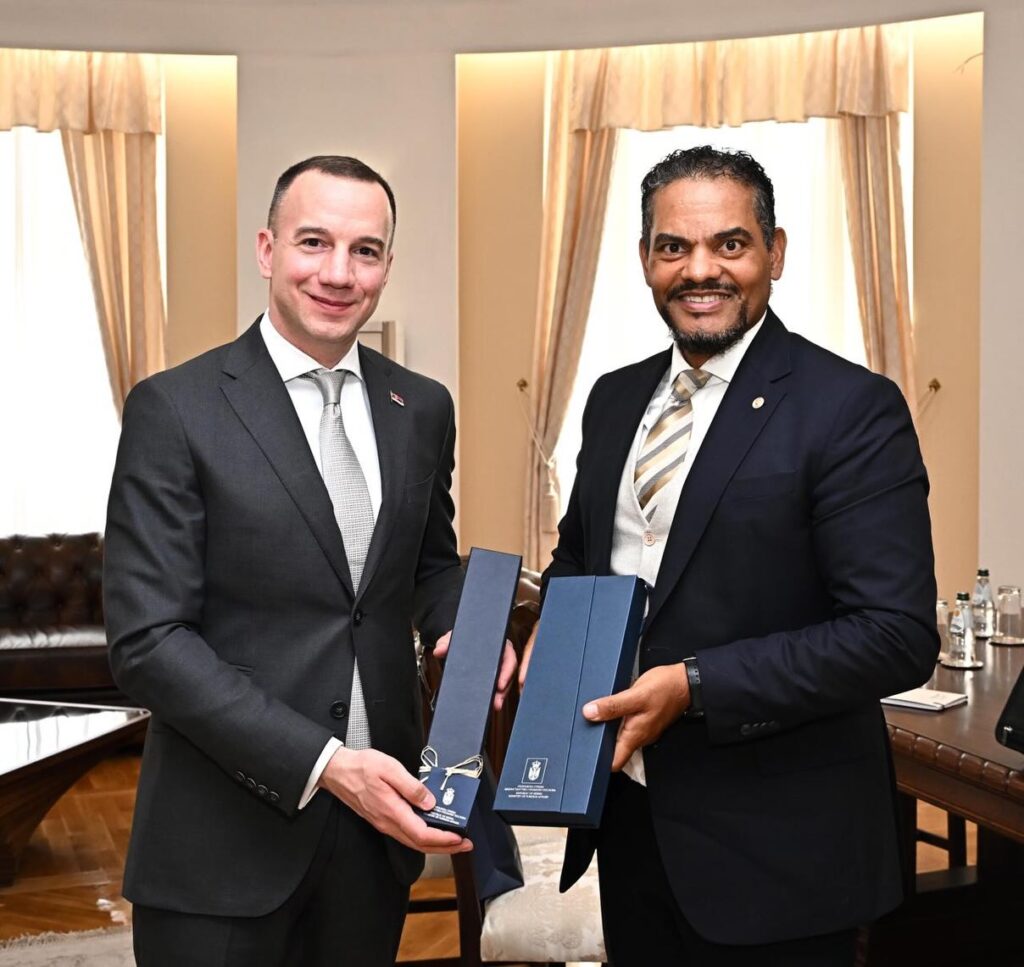
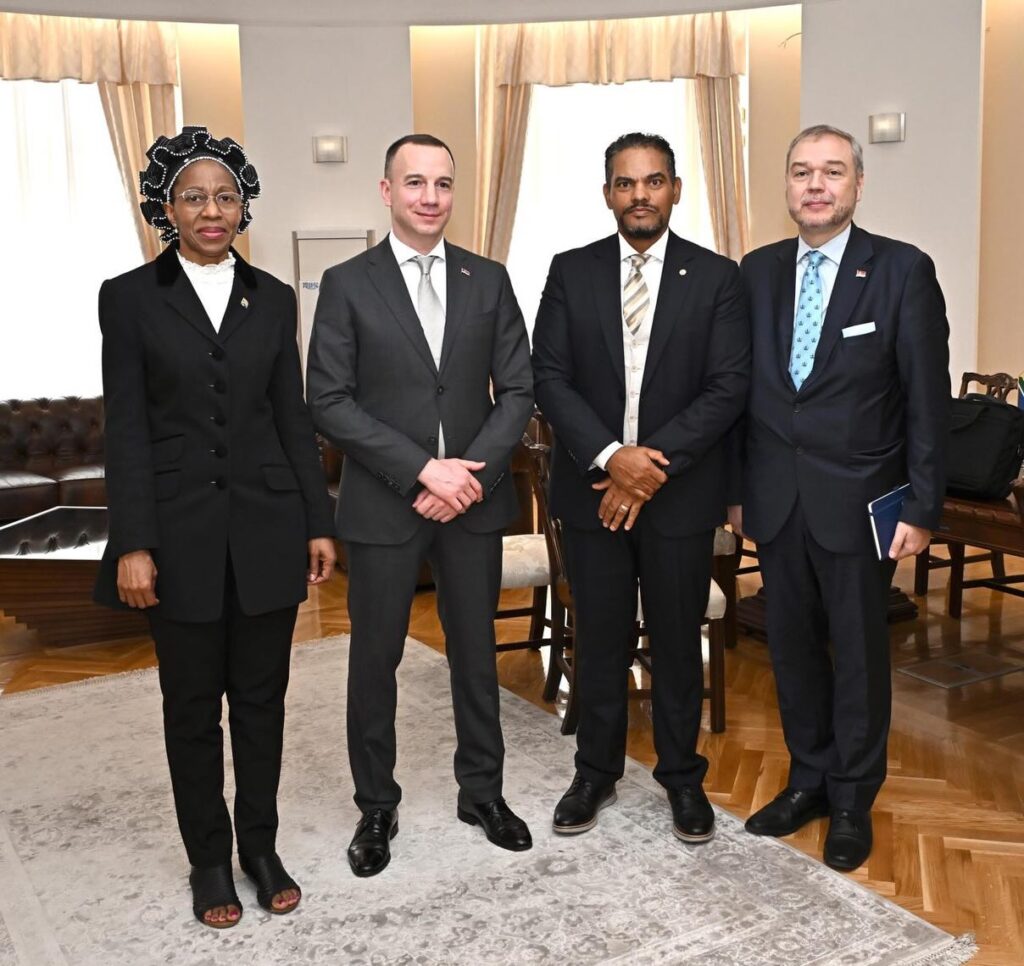
During the visit, Deputy Minister Botes met with Serbia’s Minister of Foreign Affairs, Marko Đurić, as well as State Secretary Damjan Jović. The discussions were centred on strengthening cooperation and deepening diplomatic relations between South Africa and Serbia.
Both countries reaffirmed their commitment to expanding political dialogue and enhancing collaboration across multilateral platforms. This engagement reflects a shared vision of building stronger partnerships between Africa and Europe, particularly in a rapidly evolving global geopolitical environment.
Expanding Economic and Trade Cooperation
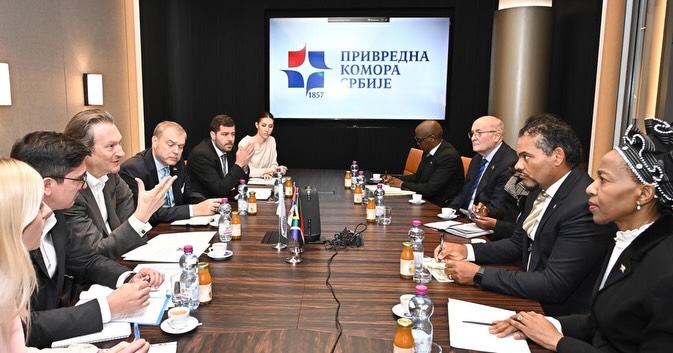
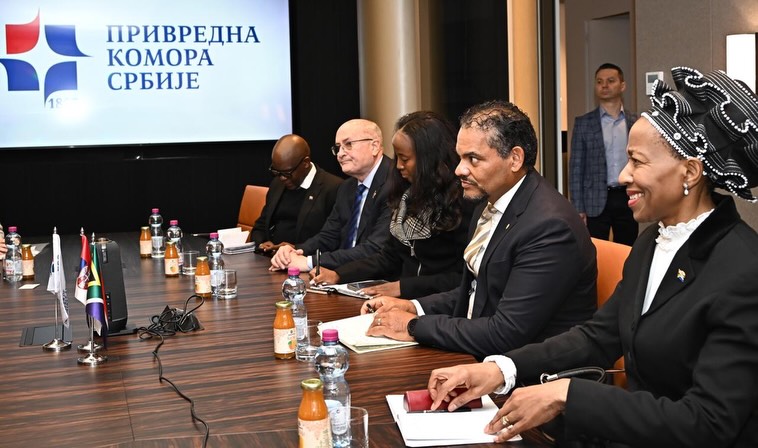
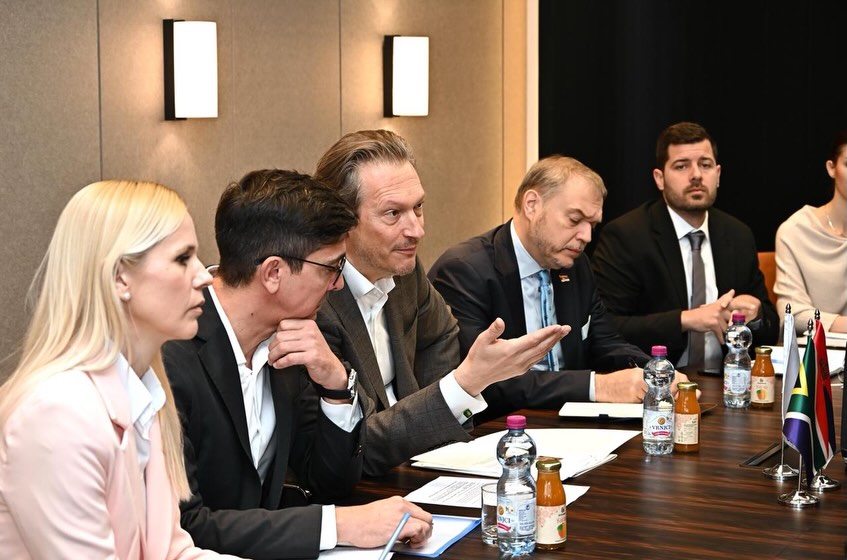
A key highlight of the visit was Deputy Minister Botes’ engagement with Marko Čadež, President of the Chamber of Commerce and Industry of Serbia. The meeting focused on unlocking new opportunities for trade and investment between the two countries.
Discussions explored:
- Expanding bilateral trade volumes
- Promoting business-to-business partnerships
- Increasing investment flows in strategic sectors
- Strengthening cooperation in industry, innovation, and infrastructure
This engagement is particularly important for South Africa as it seeks to diversify its trade partners and reduce over-reliance on traditional markets. Serbia, with its strategic position in Europe, offers South African businesses access to new regional markets and supply chains.
Cultural Diplomacy: Strengthening People-to-People Relations
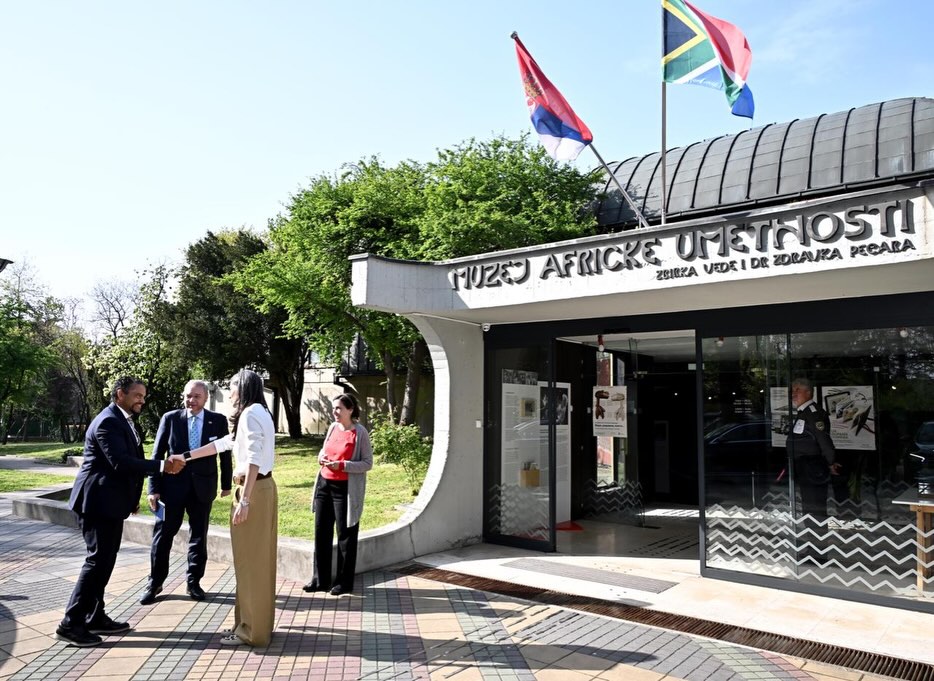
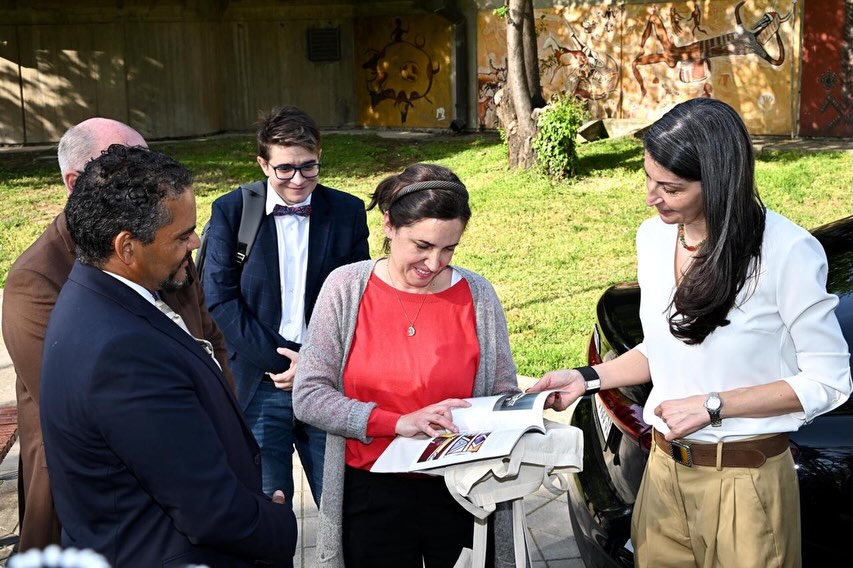
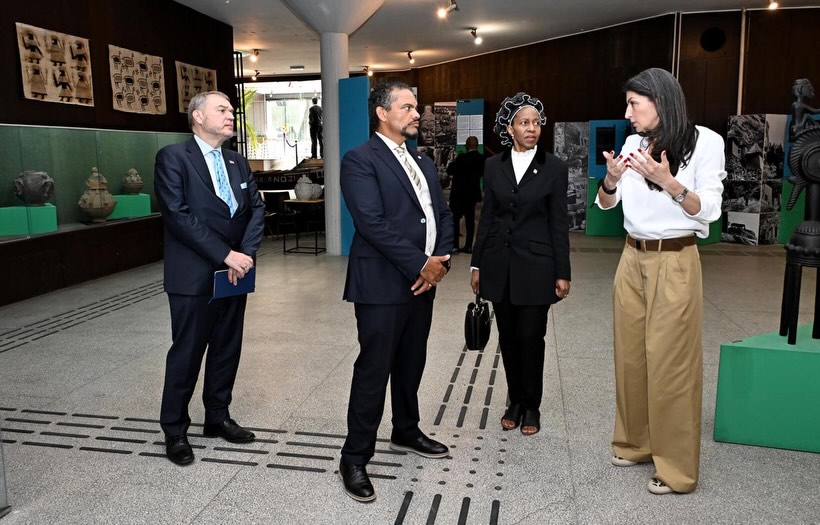
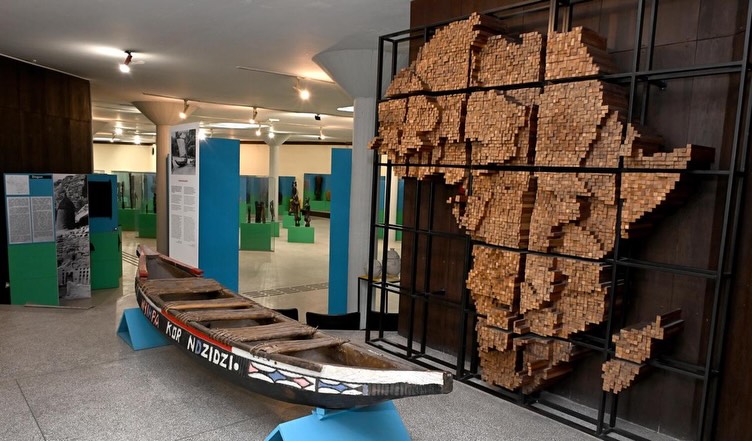
As part of his programme, Deputy Minister Botes also visited the Museum of African Art in Belgrade. This visit underscored the importance of cultural diplomacy in strengthening bilateral relations.
The museum stands as a symbol of historical and cultural connections between Africa and Serbia, reinforcing mutual understanding and shared heritage. Such engagements help foster stronger people-to-people ties, which are essential for sustainable diplomatic relations.
What This Visit Means for South Africa
Deputy Minister Botes’ visit carries significant implications for South Africa:
1. Diversification of International Partnerships
South Africa continues to expand its global footprint beyond traditional partners, strengthening ties with countries like Serbia to open new diplomatic and economic avenues.
2. Increased Trade and Investment Opportunities
The focus on economic cooperation creates opportunities for South African businesses to enter European markets, particularly in sectors such as manufacturing, agriculture, and technology.
3. Strengthening South-South and Triangular Cooperation
The visit reinforces South Africa’s role in promoting cooperation between developing regions and bridging partnerships with Europe.
4. Enhanced Cultural Exchange
Cultural engagements, such as the visit to the Museum of African Art, deepen mutual understanding and promote long-term collaboration beyond government-level interactions.
A Growing Strategic Partnership
The April 2026 visit highlights the growing and dynamic relationship between South Africa and Serbia. With strong political will, expanding economic cooperation, and deepening cultural ties, both countries are positioning themselves for a more robust and mutually beneficial partnership.
As South Africa continues to pursue its foreign policy objectives, engagements like this demonstrate its commitment to building diverse, strategic alliances that support economic growth, diplomatic influence, and global cooperation.
Images: DIRCO