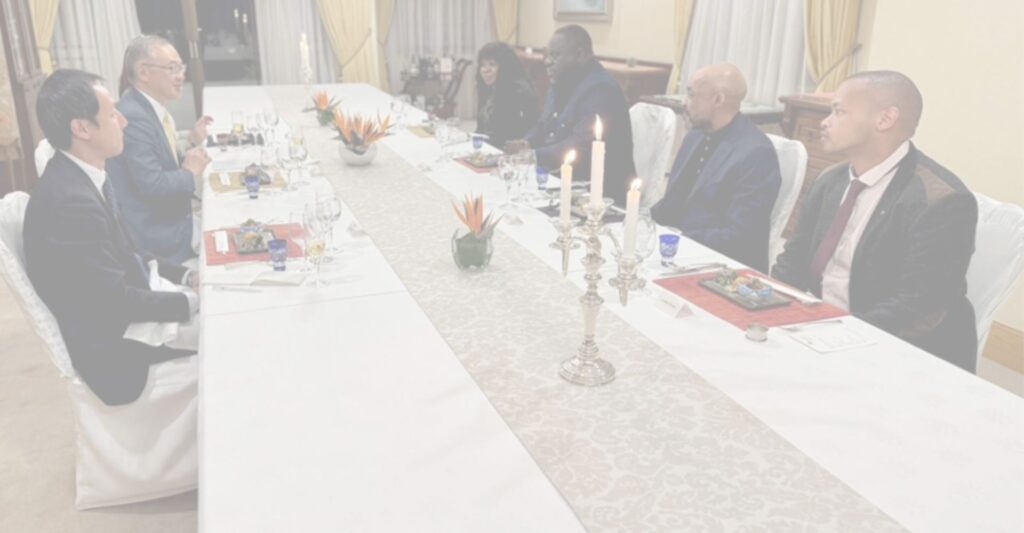
A multi-sectoral South African task team has arrived in Angola to advance the second phase of the South African-Angolan Liberation Heritage Project, strengthening ongoing efforts to preserve the shared history of the two countries’ liberation struggles.
On 31 August 2026, Ambassador Thulas Nxesi and the Embassy of South Africa in Angola welcomed the delegation, which has been tasked with undertaking research and preparations for the repatriation of the remains of fallen heroes from Angola who lost their lives during the South African liberation struggle.
The initiative forms part of broader efforts to honour those who contributed to the struggle for freedom and to ensure that their stories and sacrifices are preserved for future generations.
Multi-Sectoral Team Brings Together Key South African Institutions
The task team brings together representatives from several South African institutions involved in heritage, justice, historical research and the commemoration of the liberation struggle.
The delegation includes representatives from:
- The Department of Sport, Arts and Culture
- The Department of Justice and Constitutional Development
- The Missing Persons Task Team (MPTT)
- The South African Heritage Resources Agency (SAHRA)
- The African National Congress (ANC)
- Freedom Park
- The Freedom Park Inter-Faith Committee
The participation of these institutions reflects the multi-disciplinary nature of the repatriation process, which involves historical research, identification, heritage considerations and coordination with relevant authorities.
Preparing for the Repatriation of Fallen Heroes
A key focus of the task team’s visit to Angola is research and preparation for the repatriation of the remains of fallen South African liberation heroes.
Angola holds an important place in the history of Southern Africa’s liberation struggles. During the apartheid era, many South African freedom fighters and members of the liberation movement were present in Angola, which played a significant role in the broader regional struggle against colonialism and apartheid.
The repatriation initiative seeks to address the enduring legacy of those who died away from their homeland while contributing to the liberation of South Africa.
Preserving a Shared Liberation Heritage
The Liberation Heritage Project also highlights the deep historical links between South Africa and Angola.
Beyond the repatriation of remains, initiatives of this nature contribute to documenting and preserving the experiences of the liberation generation. They also provide an opportunity to strengthen historical understanding and ensure that the sacrifices of those who participated in the struggle are appropriately recognised.
The involvement of heritage institutions, government departments, civil society structures and the ANC underscores the importance of collective responsibility in safeguarding this history.
Strengthening South Africa-Angola Relations
The project further demonstrates the enduring historical relationship between South Africa and Angola, rooted in their shared experiences during the liberation struggles of Southern Africa.
The second phase of the project represents a continued commitment to addressing outstanding matters relating to fallen heroes and their families, while strengthening cooperation between the two countries in the areas of heritage, remembrance and historical preservation.
As the task team undertakes its research and preparatory work in Angola, the initiative marks another step towards ensuring that the sacrifices of the liberation generation remain part of the historical record of a democratic South Africa.