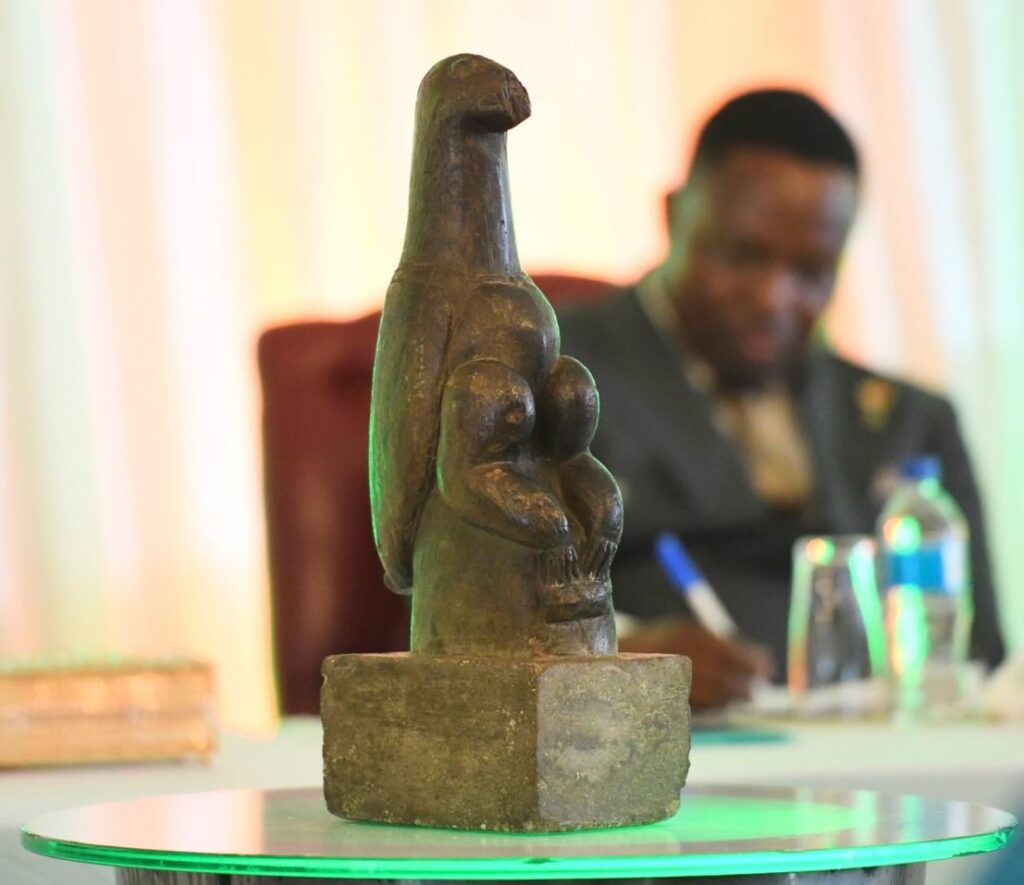
The repatriation of the last Zimbabwe Soapstone Bird, known as Chapungu, marks a historic and deeply symbolic moment in Africa’s ongoing journey toward cultural restoration and historical justice.
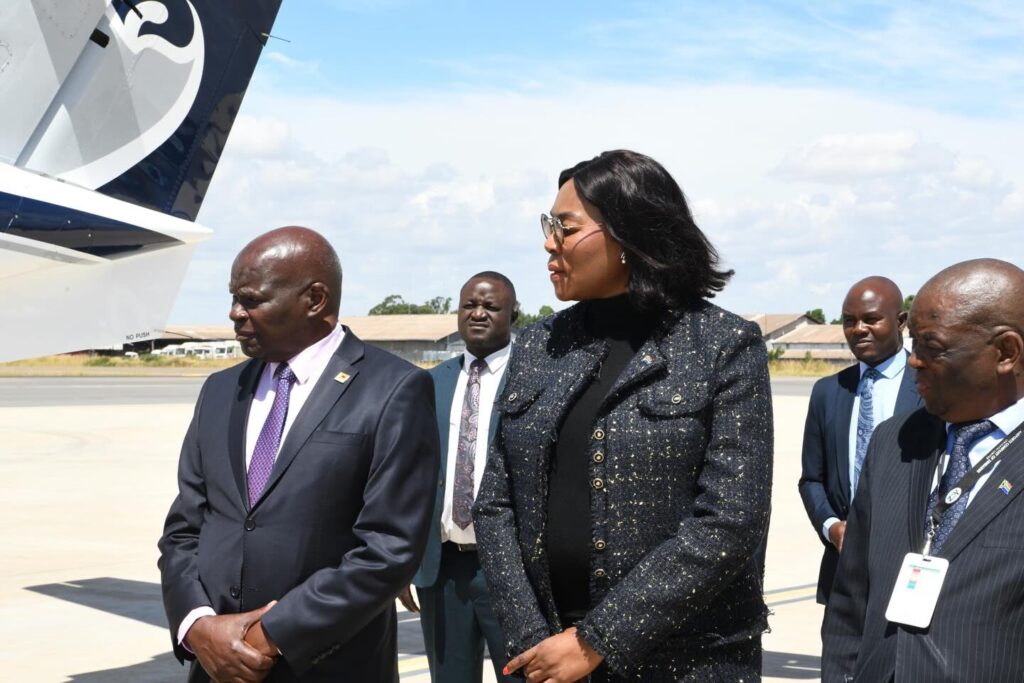
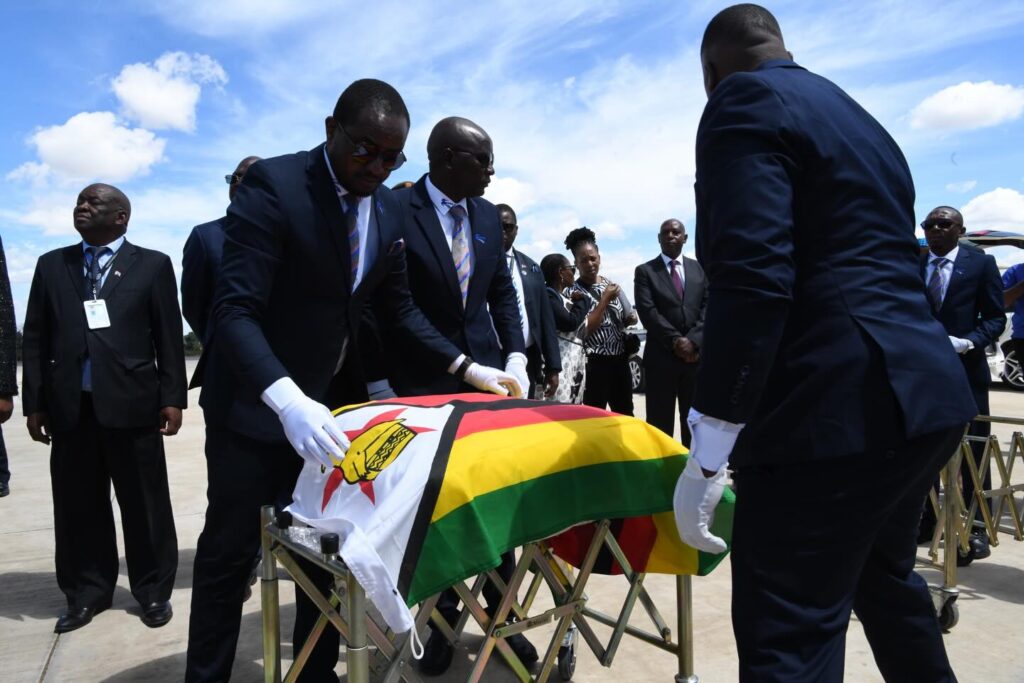
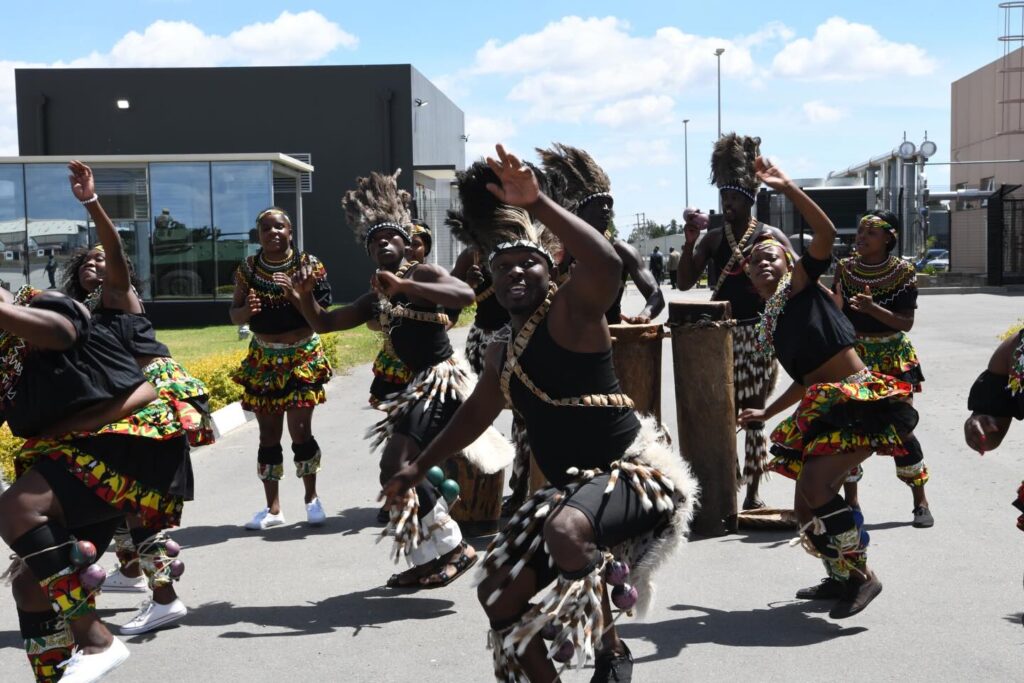
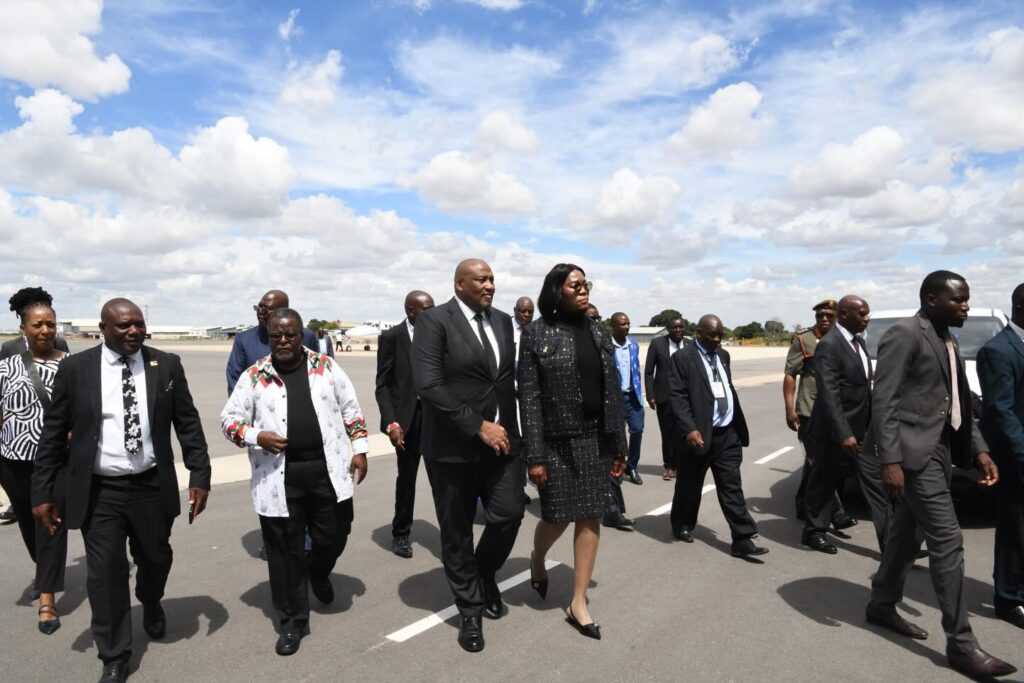
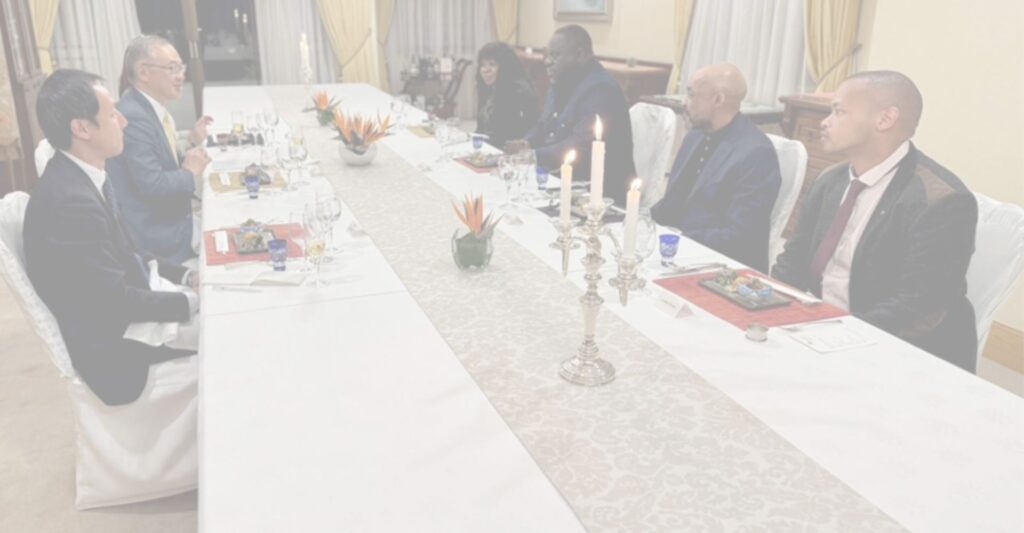
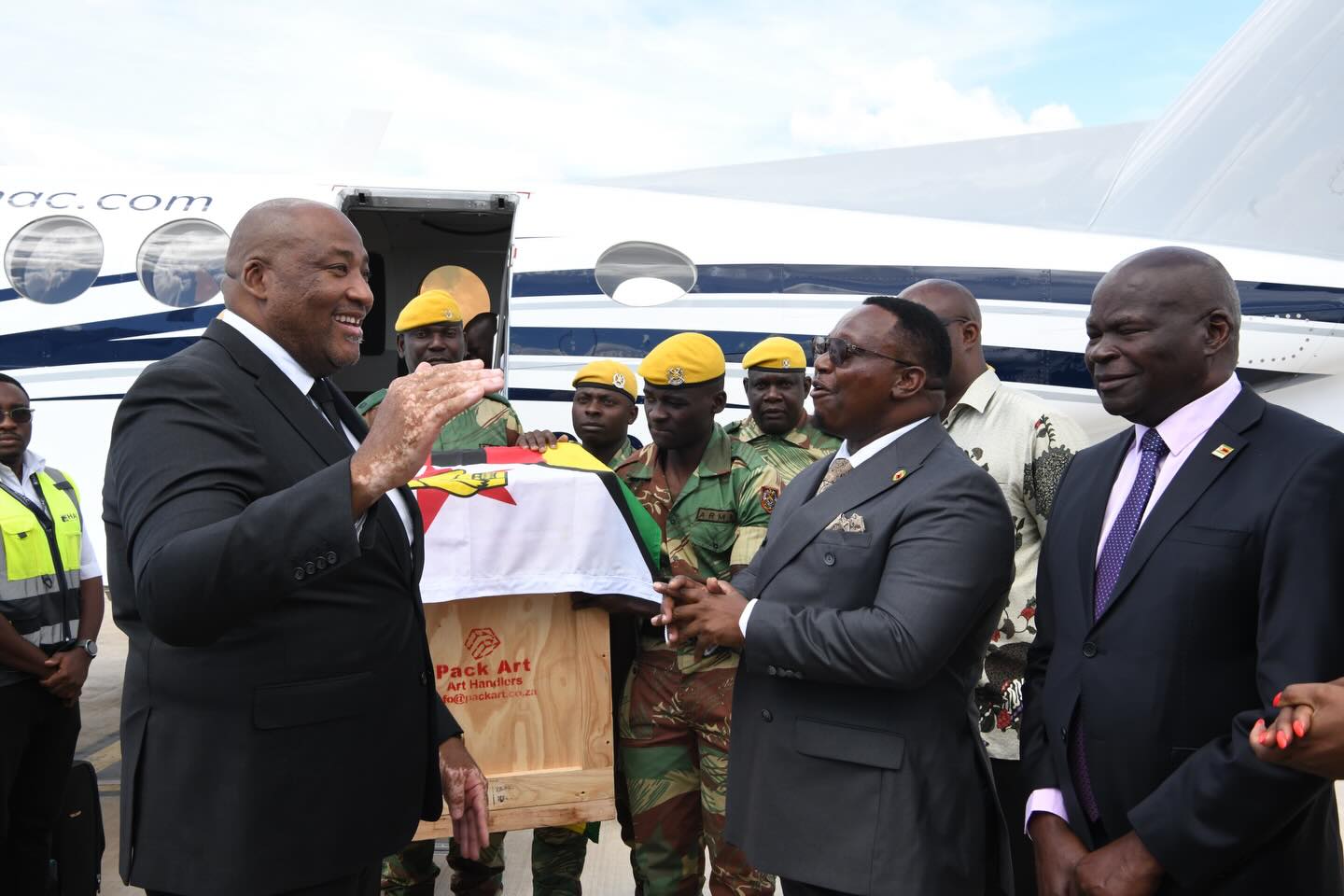
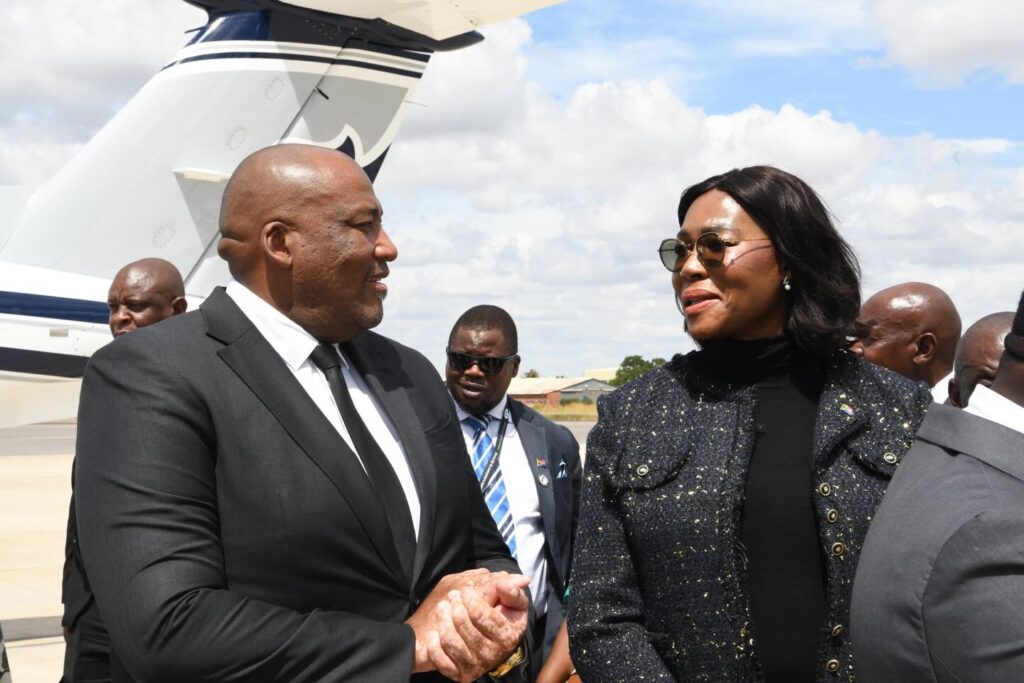
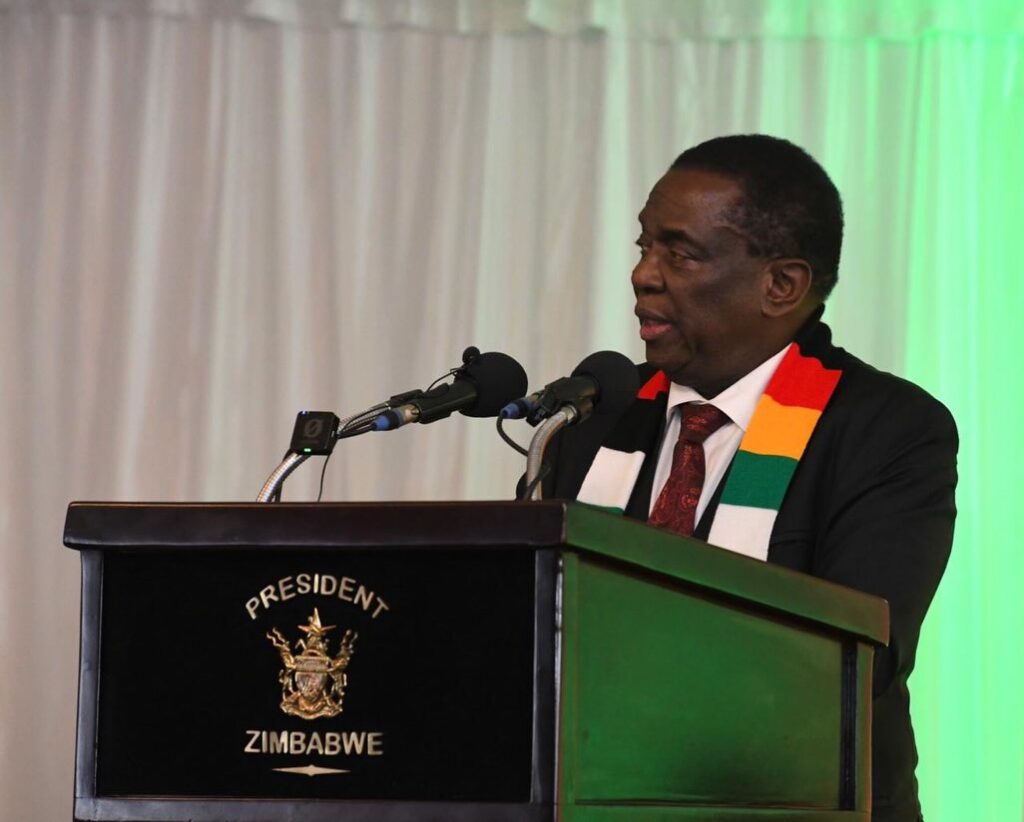
The handover ceremony, held at the State House in Harare on 15 April 2026, brought together regional leaders and cultural stakeholders to witness the return of one of Zimbabwe’s most treasured national symbols, alongside ancestral human remains.
The occasion was attended by South African government representatives, including Minister of Sport, Arts and Culture Gayton McKenzie and Deputy Minister of International Relations and Cooperation Thandi Moraka. The ceremony also saw the presence of Zimbabwe’s Head of State, Emmerson Mnangagwa, underscoring the significance of the moment for both nations.
A Symbol Rooted in Ancient African Civilisation
The Zimbabwe Bird, carved from a single piece of soapstone between the 11th and 15th centuries at Great Zimbabwe, stands as one of the most enduring symbols of African heritage. Known in Shona as Chapungu, the bird represents spiritual authority, ancestral connection, and the legacy of a sophisticated pre-colonial civilization.
Today, the Zimbabwe Bird is prominently displayed on Zimbabwe’s national flag, coat of arms, and currency, symbolising unity, resilience, and national pride. Its return carries not only cultural weight but also emotional and spiritual significance for the Zimbabwean people.
A Historic Step Toward Justice and Dignity
The return of Chapungu forms part of a broader continental movement to reclaim cultural artifacts removed during the colonial era. For decades, many African nations have sought the return of sacred objects and human remains taken from their lands, often without consent.
This repatriation reflects a growing recognition of the need to restore dignity to affected communities and to correct historical injustices. It also highlights the importance of acknowledging the cultural and spiritual value of such artifacts, which extend far beyond their physical form.
Strengthening Regional Solidarity
The ceremony, held just days before Zimbabwe’s Independence Day commemorations, reinforces the strong diplomatic and cultural ties between South Africa and Zimbabwe. It signals a shared commitment to preserving African heritage and ensuring that it is protected for future generations.
More broadly, the repatriation of the Zimbabwe Bird serves as a powerful example of regional cooperation in heritage restoration. African nations are increasingly working together to advocate for the return of cultural property and to build frameworks that support preservation, education, and cultural exchange.
Looking Ahead: A Continental Movement Gains Momentum
The homecoming of Chapungu is not an isolated event but part of a wider shift across Africa and the global community. As calls for restitution grow louder, more institutions and governments are engaging in dialogue around the ethical return of cultural artifacts.
This moment sets a precedent for future collaborations and reinforces the idea that cultural heritage belongs to the communities from which it originates. It also invites renewed reflection on the importance of safeguarding Africa’s rich historical legacy.
The return of the Zimbabwe Bird is a powerful reminder of Africa’s enduring cultural strength and the importance of reclaiming its narrative. As Chapungu returns home, it carries with it centuries of history, identity, and resilience—marking not just a symbolic victory for Zimbabwe, but a meaningful step forward for the entire continent.