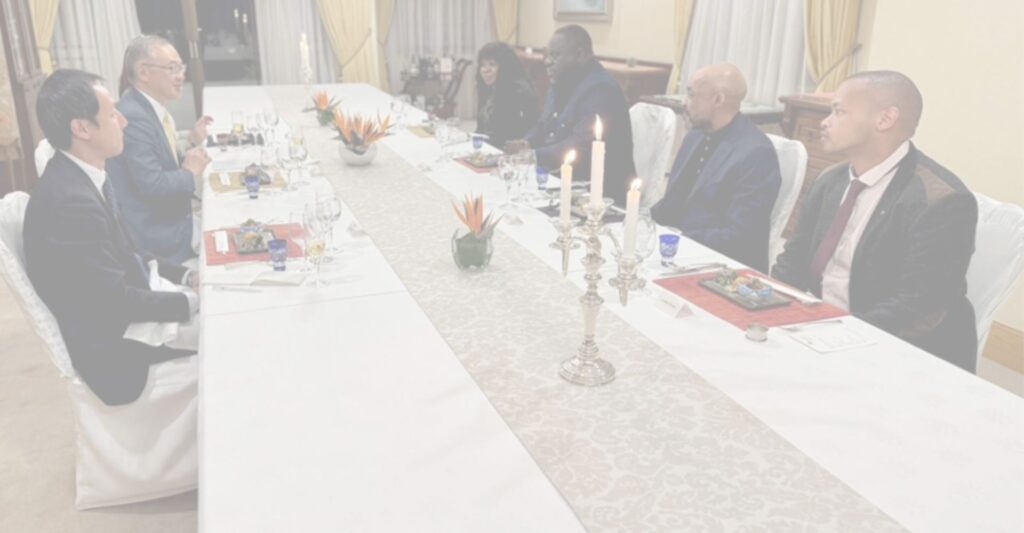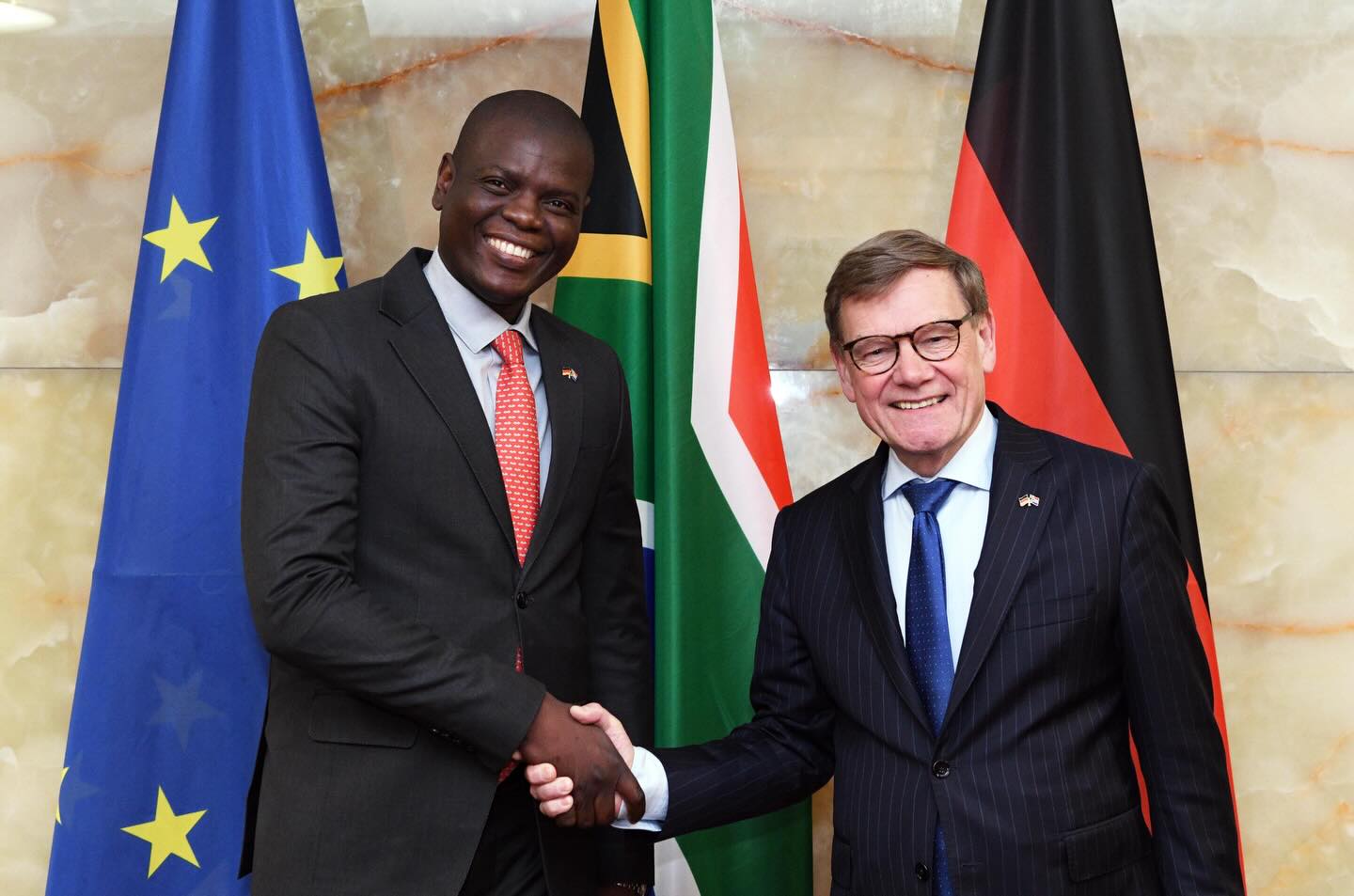
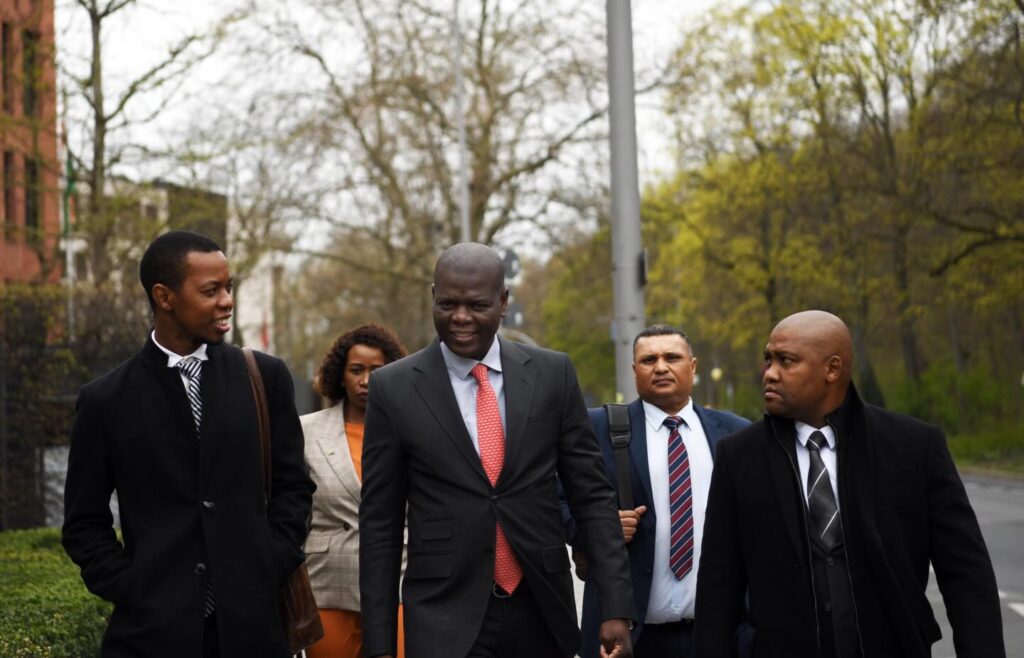
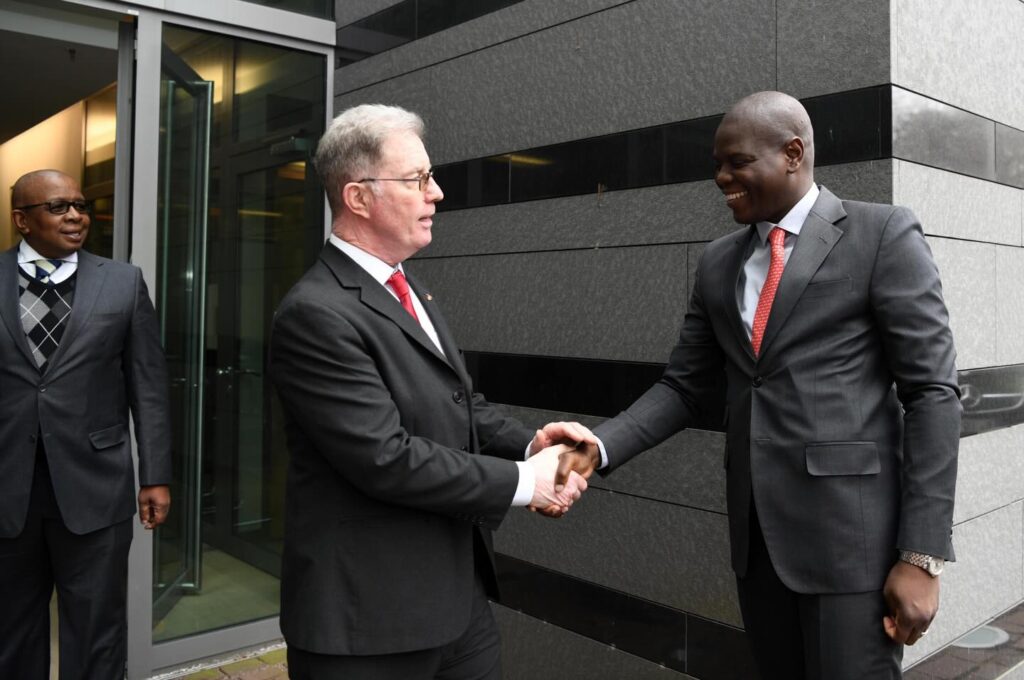
In April 2026, South Africa’s Minister of International Relations and Cooperation, Ronald Lamola, undertook a high-level working visit to Germany, reinforcing the long-standing diplomatic and economic relationship between the two nations.
Hosted primarily in Berlin, the visit marked a pivotal moment in bilateral cooperation, combining strategic dialogue, formal agreements, and institutional engagements.
The visit reflected South Africa’s broader foreign policy objective of strengthening partnerships with key global actors, particularly within Europe, while advancing shared priorities such as sustainable development, economic growth, and multilateral cooperation.
Key Agreements and Strategic Outcomes
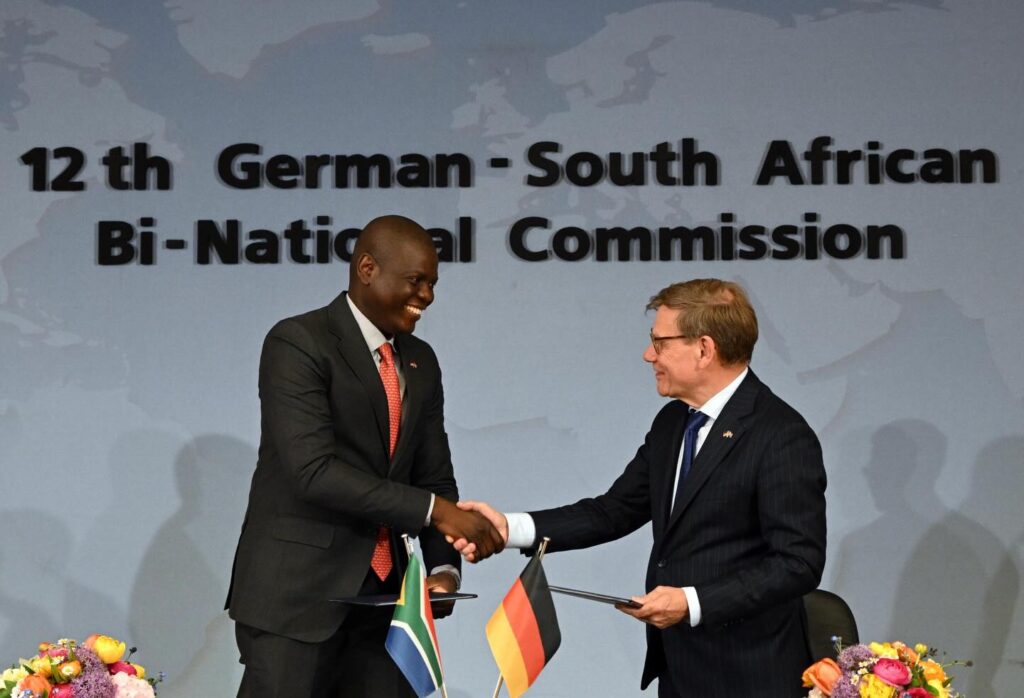
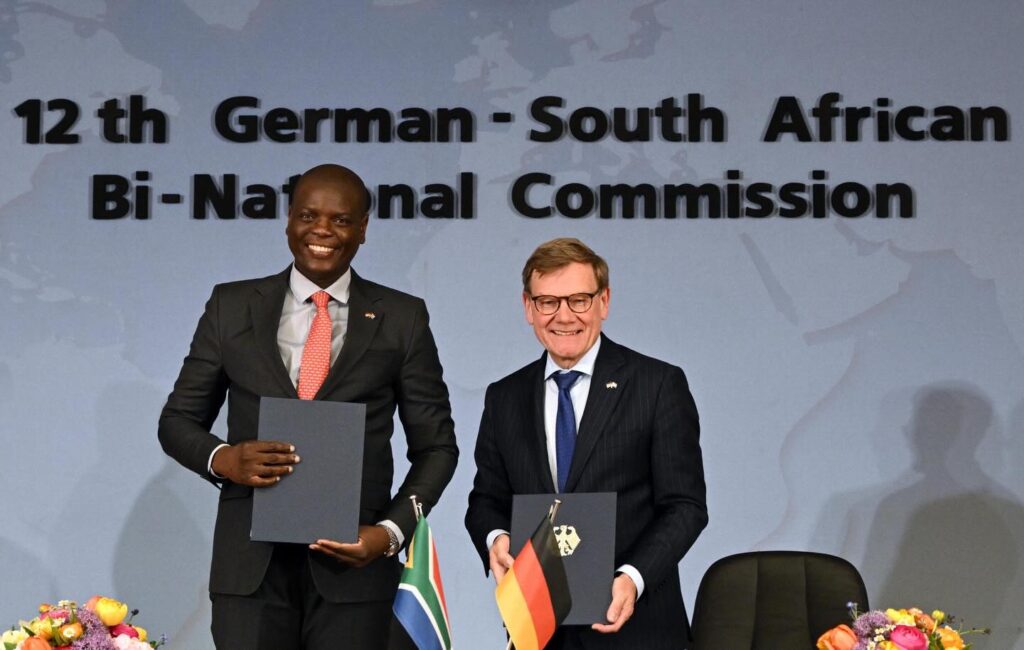
A central outcome of the visit was the adoption of a Joint Action Plan, which effectively elevated relations between South Africa and Germany to a Strategic Partnership.
The agreements concluded during the visit spanned several critical sectors:
Climate and Energy Cooperation
Germany committed significant financial support, including a concessional loan aimed at supporting South Africa’s energy transition. This includes strengthening electricity transmission infrastructure and accelerating the integration of renewable energy into the national grid. The cooperation aligns closely with South Africa’s Just Energy Transition objectives.
Green Hydrogen and Critical Minerals
Both countries reaffirmed their commitment to collaboration in emerging sectors such as green hydrogen production and the development of critical mineral value chains. These sectors are increasingly important in the global shift toward clean energy technologies and industrial decarbonisation.
Science, Technology and Innovation
The partnership was expanded to include advanced technological cooperation, particularly in artificial intelligence, quantum computing, and cybersecurity. These areas are expected to play a central role in both countries’ future economic competitiveness.
Health and Vaccine Manufacturing
Cooperation in public health was further strengthened, particularly in vaccine research, development, and manufacturing capacity. This reflects lessons learned from global health crises and the importance of resilient health systems.
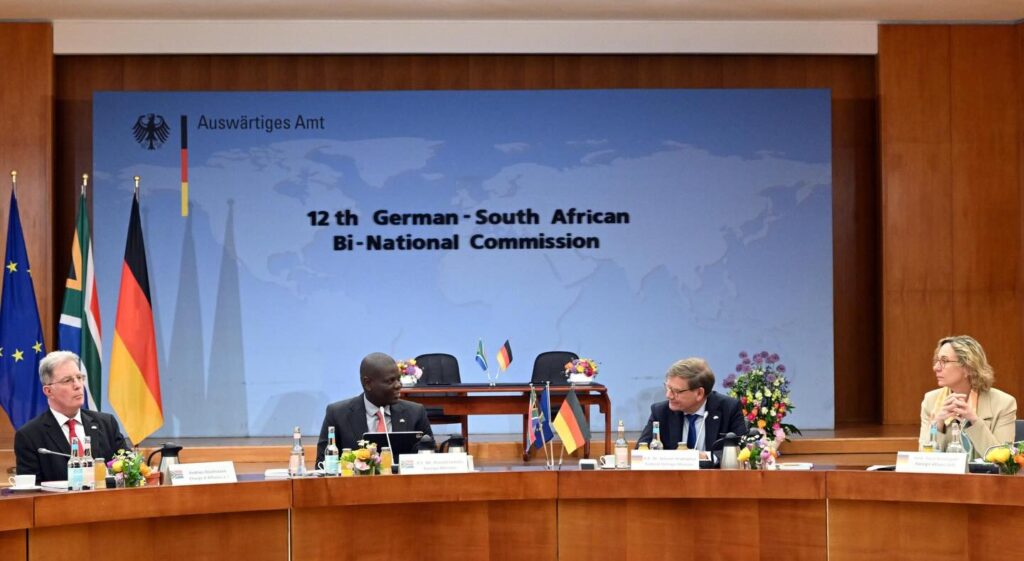
The 12th German–South African Bi-National Commission: A Strategic Milestone
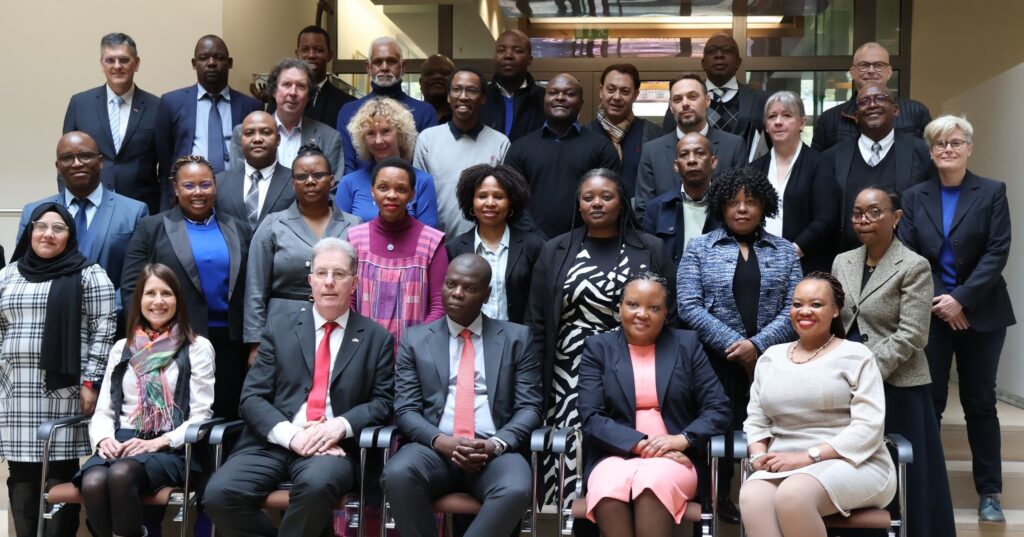
The centrepiece of Minister Lamola’s visit was the 12th session of the German–South African Bi-National Commission (BNC), a flagship mechanism of bilateral cooperation between the two countries.
Established in 1996, the BNC serves as the highest-level structured platform for dialogue and coordination between South Africa and Germany. It brings together ministers, senior government officials, and technical experts from both countries to review progress, set priorities, and align policies across a wide range of sectors.
The 2026 session was particularly significant as it coincided with the 30th anniversary of the BNC, underscoring three decades of deepening cooperation and institutional partnership.
Structure and Functioning of the BNC
The BNC operates through a comprehensive framework of intergovernmental working groups, each focusing on specific thematic areas. During the 12th session, these working groups played a critical role in shaping outcomes and ensuring detailed sectoral engagement.
Key working groups included:
- Foreign affairs and diplomatic cooperation
- Trade, industry, and investment
- Energy, climate change, and environmental sustainability
- Science, technology, and innovation
- Health and social development
- Defence and security cooperation
- Education, skills development, and training
- Governance, public administration, and digital transformation
Each working group conducted technical discussions in the lead-up to the ministerial session, allowing for detailed assessments of ongoing projects and the identification of new areas of collaboration.
Key Outcomes of the 12th BNC
The 12th BNC achieved several important outcomes:
Adoption of the Joint Action Plan
The most significant deliverable was the Joint Action Plan, which consolidates commitments across all sectors and provides a structured roadmap for implementation. It reflects a shift from traditional cooperation toward a more strategic, results-oriented partnership.
Elevation to a Strategic Partnership
The BNC formally recognised the elevation of bilateral relations to a Strategic Partnership, signalling a higher level of political trust, coordination, and long-term alignment.
Strengthening Multilateral Cooperation
Both countries reaffirmed their commitment to multilateralism, including cooperation within the United Nations and other global platforms. Discussions emphasised the importance of reforming global governance institutions to better reflect contemporary geopolitical realities.
Peace and Security Dialogue
The BNC provided a platform for in-depth discussions on regional and global security challenges, including conflicts in Africa, Europe, and the Middle East. Both countries emphasised diplomacy, dialogue, and adherence to international law as key principles.
Economic and Development Cooperation
The Commission reinforced Germany’s role as a key development and investment partner for South Africa, particularly in areas such as infrastructure development, industrialisation, and skills transfer.
Strategic Importance of the BNC
The BNC is more than a diplomatic forum; it is a practical implementation mechanism that ensures continuity and accountability in bilateral relations. By integrating political leadership with technical expertise, it allows both countries to translate high-level commitments into concrete programmes and projects.
For South Africa, the BNC plays a crucial role in:
- Advancing economic diplomacy and attracting investment
- Supporting domestic development priorities
- Strengthening institutional capacity through knowledge exchange
- Enhancing South Africa’s role in global governance
For Germany, it provides a structured avenue to deepen engagement with Africa’s most industrialised economy and a key regional partner.

High-Level Engagements and Business Dialogue
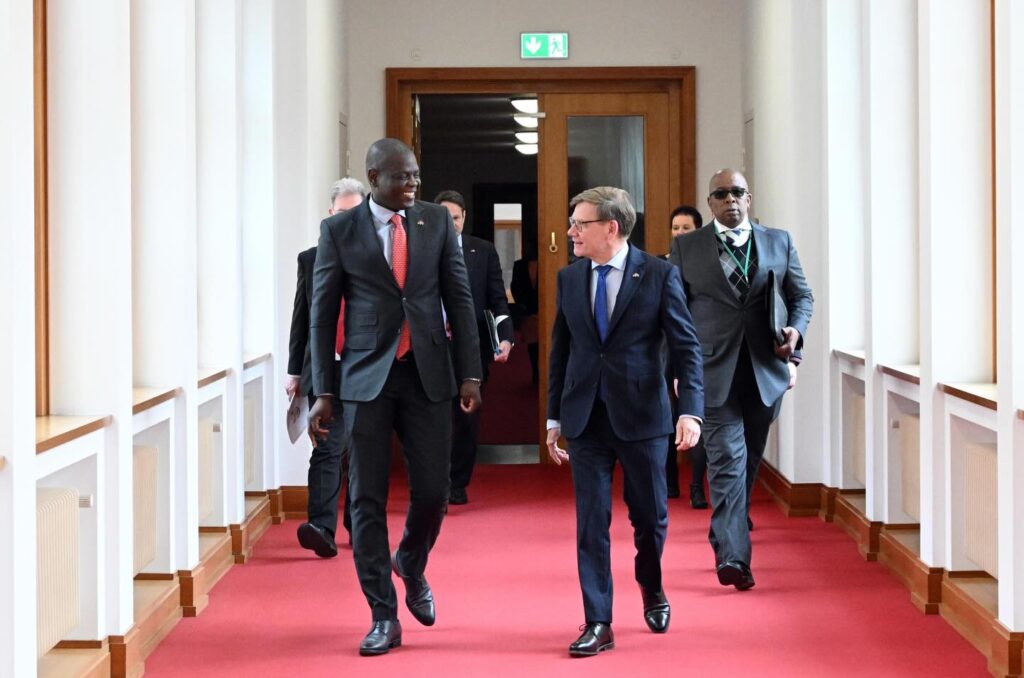
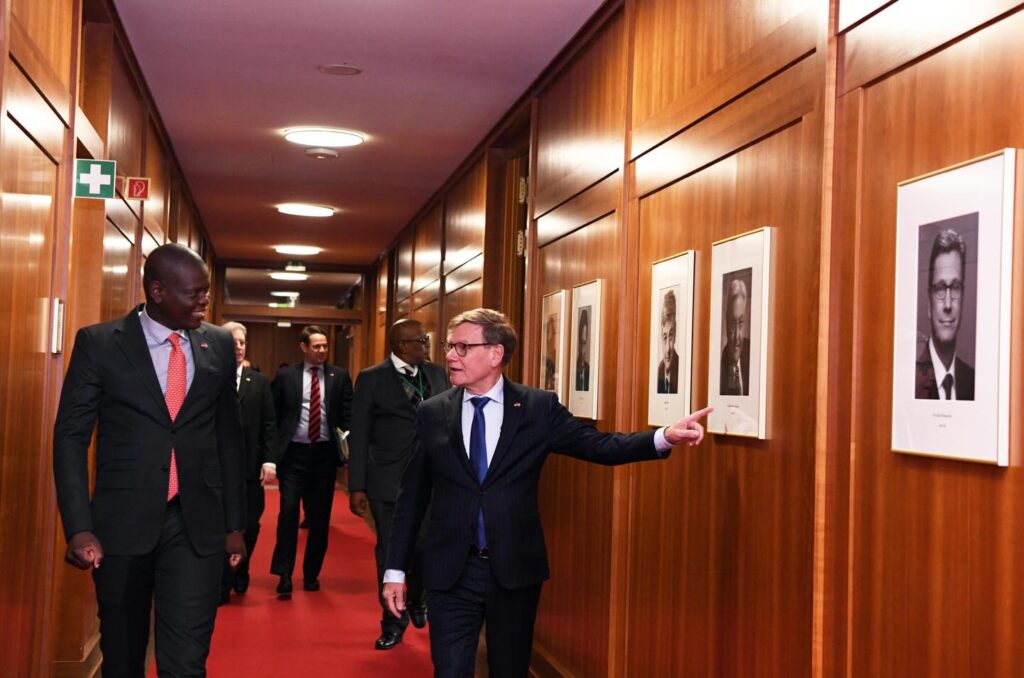
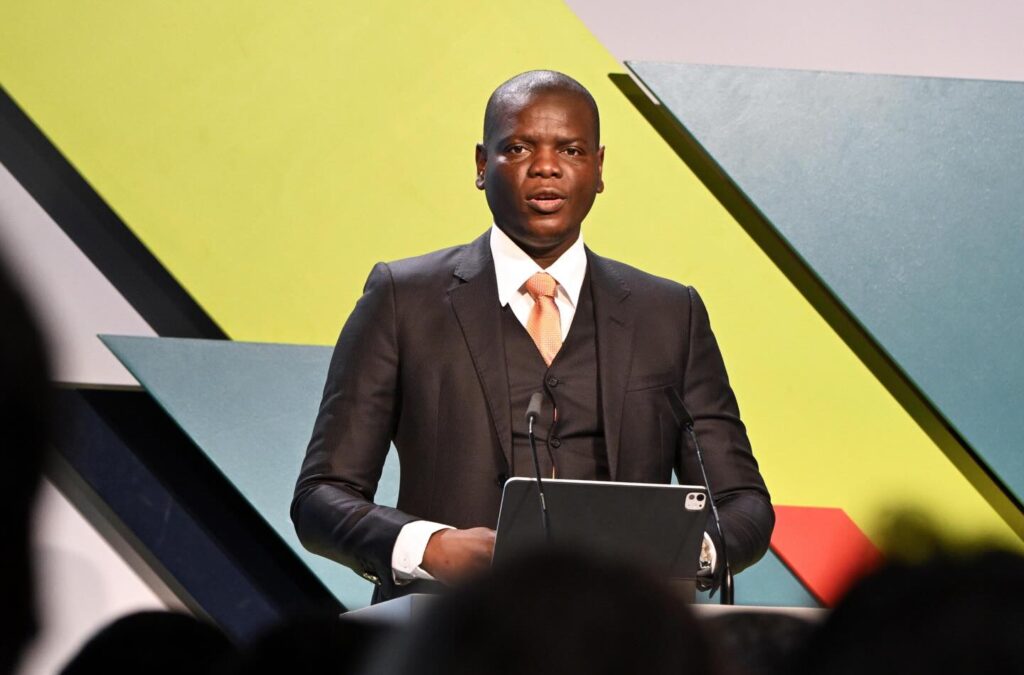
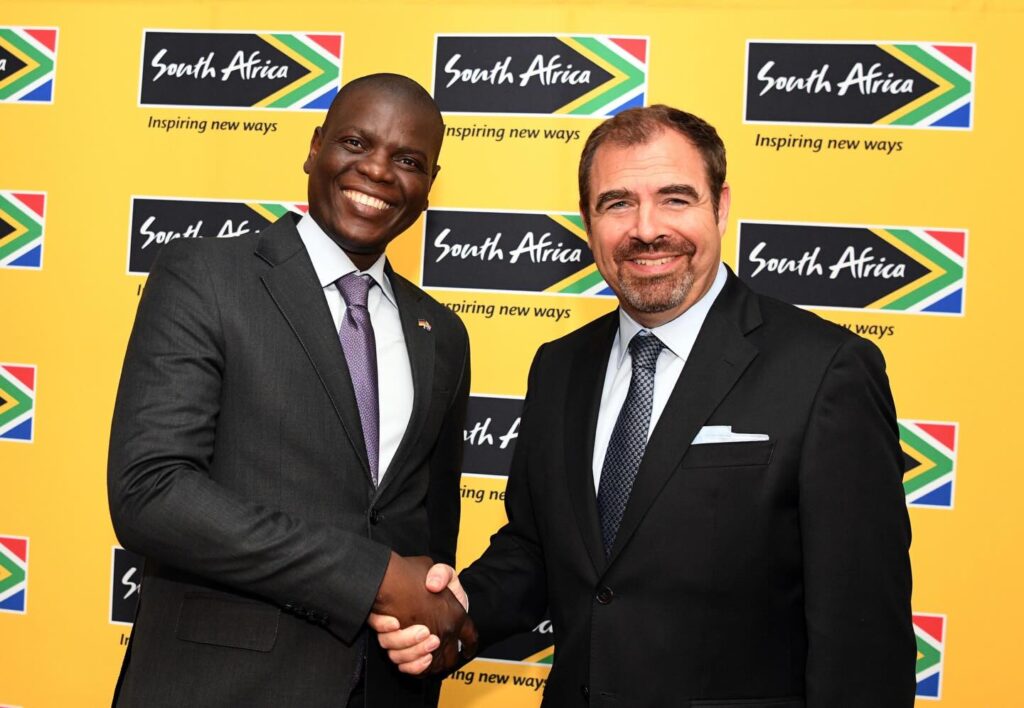
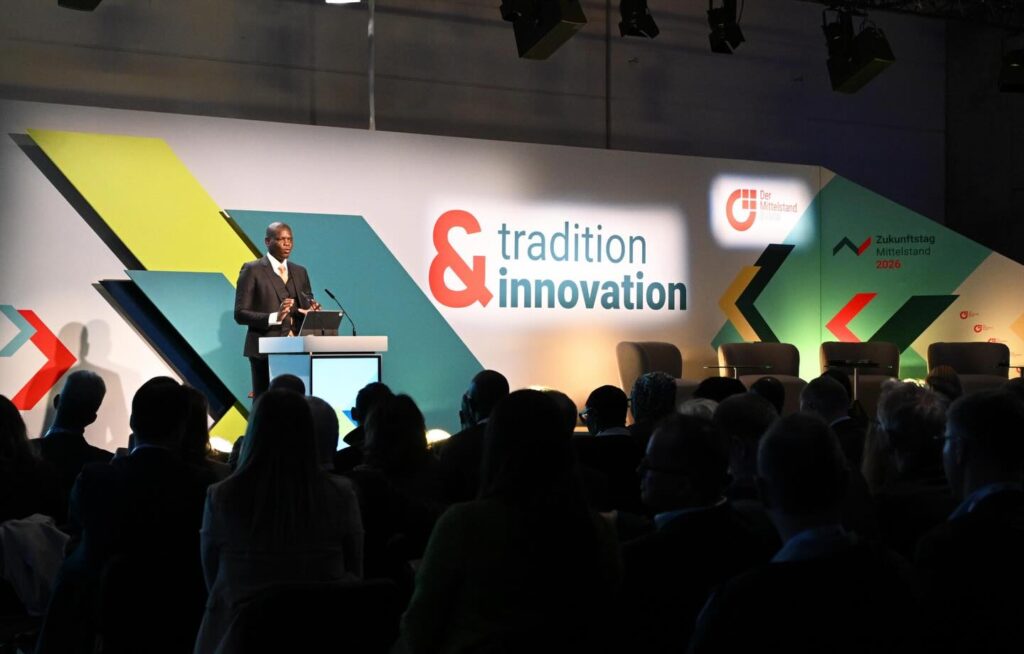
In addition to formal government engagements, Minister Lamola participated in a high-level business dialogue, engaging with German and South African industry leaders.
These engagements focused on:
- Promoting South Africa as an investment destination
- Highlighting opportunities in energy, infrastructure, and manufacturing
- Strengthening partnerships between the public and private sectors
Such interactions are critical in translating diplomatic relations into tangible economic outcomes, particularly in trade and investment.
Engagement at the South African Embassy in Berlin
During his visit, Minister Lamola also engaged with officials at the South African diplomatic mission in Berlin. The visit to the embassy underscored the important role of diplomatic missions in implementing foreign policy and supporting bilateral relations.
Discussions at the embassy focused on aligning diplomatic activities with the outcomes of the BNC, enhancing economic diplomacy, and strengthening consular services for South African citizens in Germany.
Advancing Global Diplomacy and Cooperation
The visit also provided an opportunity for broader discussions on global issues, including geopolitical tensions, conflict resolution, and the role of diplomacy in maintaining international peace and stability.
South Africa and Germany reiterated their shared commitment to a rules-based international order, respect for international law, and the peaceful resolution of disputes.
Conclusion
Minister Ronald Lamola’s April 2026 visit to Germany represents a significant milestone in South Africa–Germany relations. Through the successful convening of the 12th Bi-National Commission, the signing of key agreements, and a range of diplomatic engagements, the visit delivered concrete outcomes that will shape bilateral cooperation for years to come.
The elevation of relations to a Strategic Partnership reflects a maturing relationship built on mutual trust, shared values, and a commitment to addressing both national and global challenges collaboratively.
As South Africa continues to strengthen its international partnerships, engagements such as this underscore the importance of structured diplomacy, strategic alignment, and sustained cooperation in an increasingly complex global environment.
Images: DIRCO