South Africa and Mali are seeking to deepen economic ties, with agriculture, mining, energy, infrastructure, manufacturing, pharmaceuticals and agro-processing identified as key areas for investment.
South Africa and Mali are positioning their bilateral relationship for a stronger economic phase, with the two countries placing business, investment and industrial development at the centre of renewed engagement.
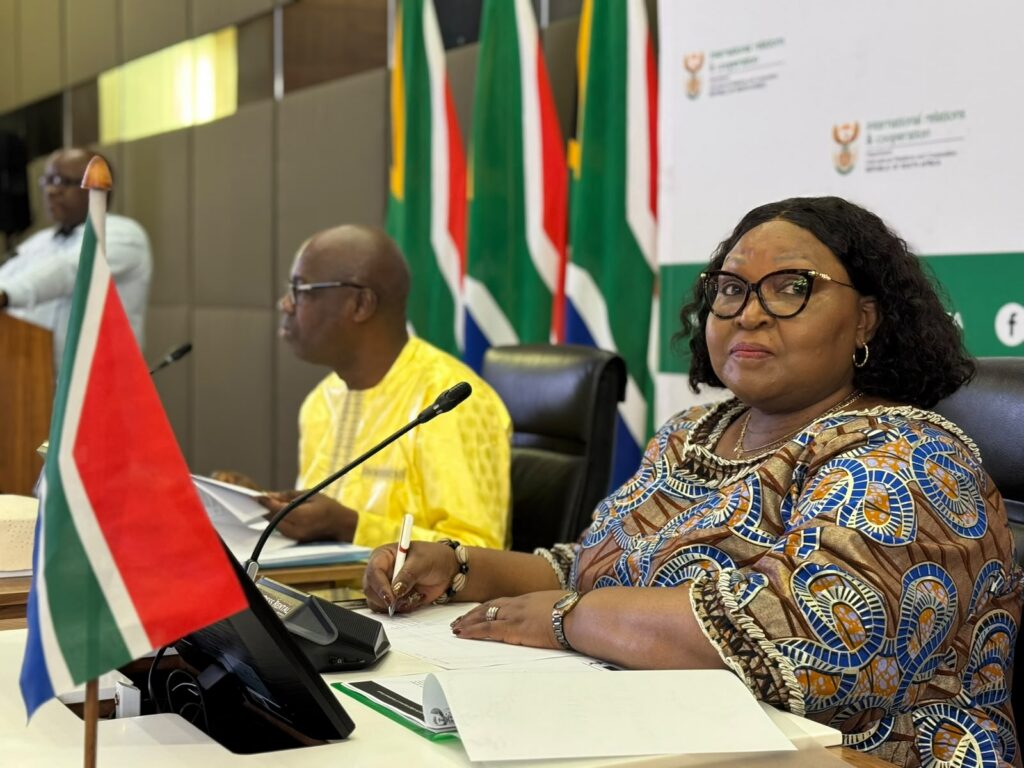
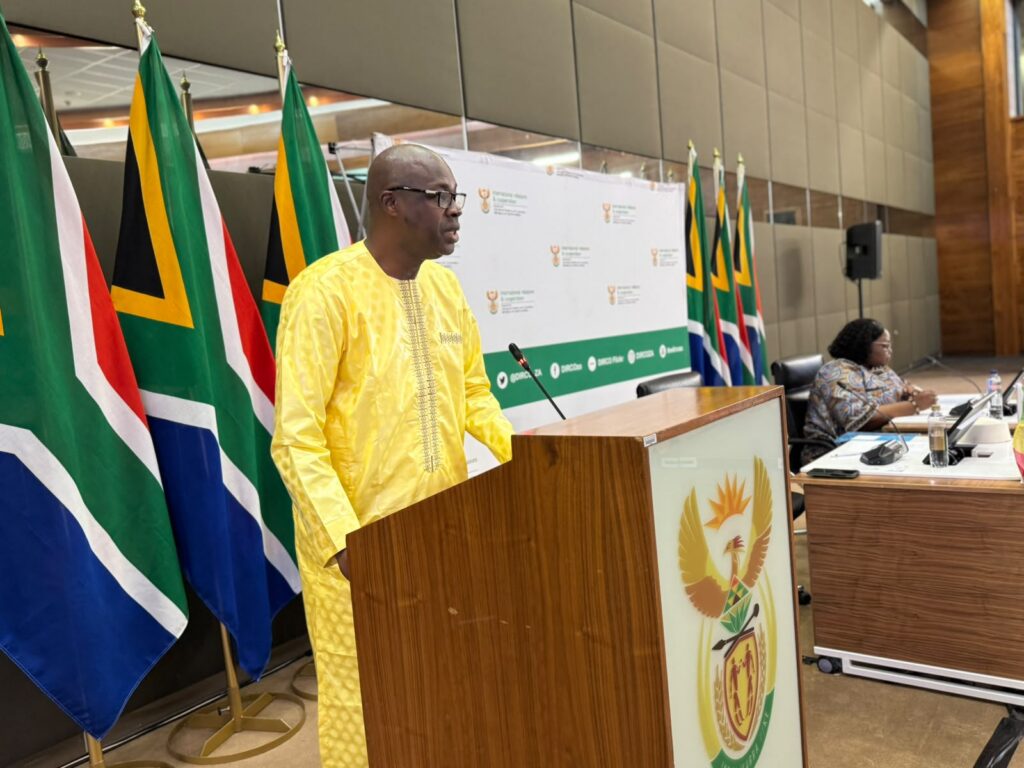
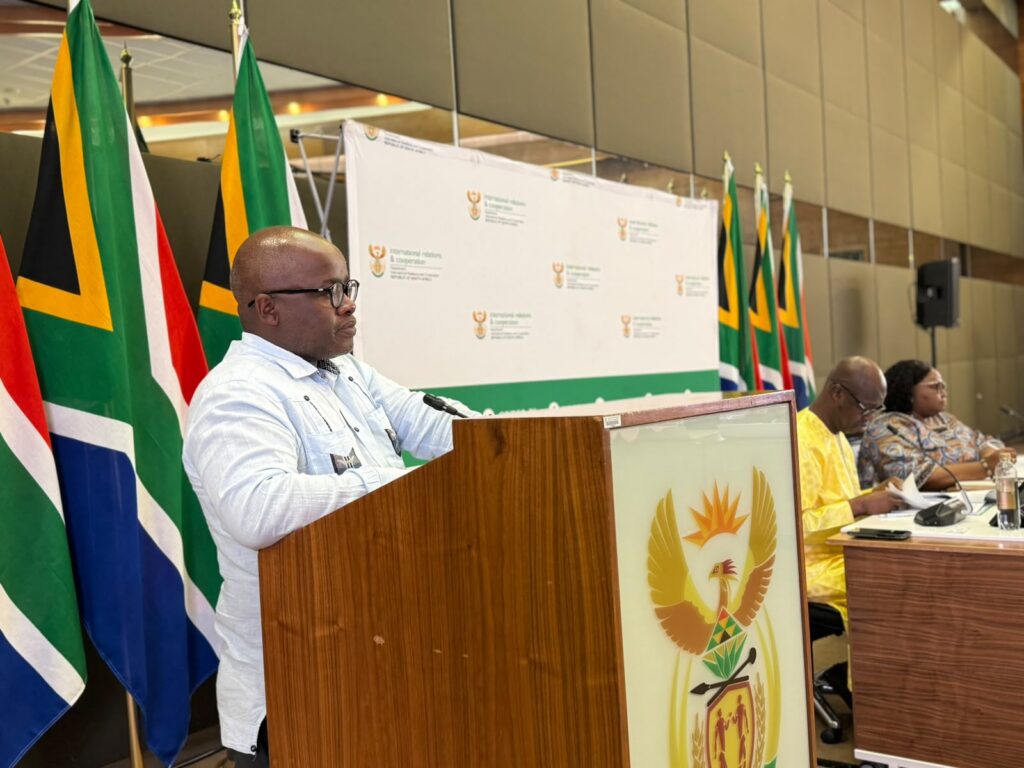
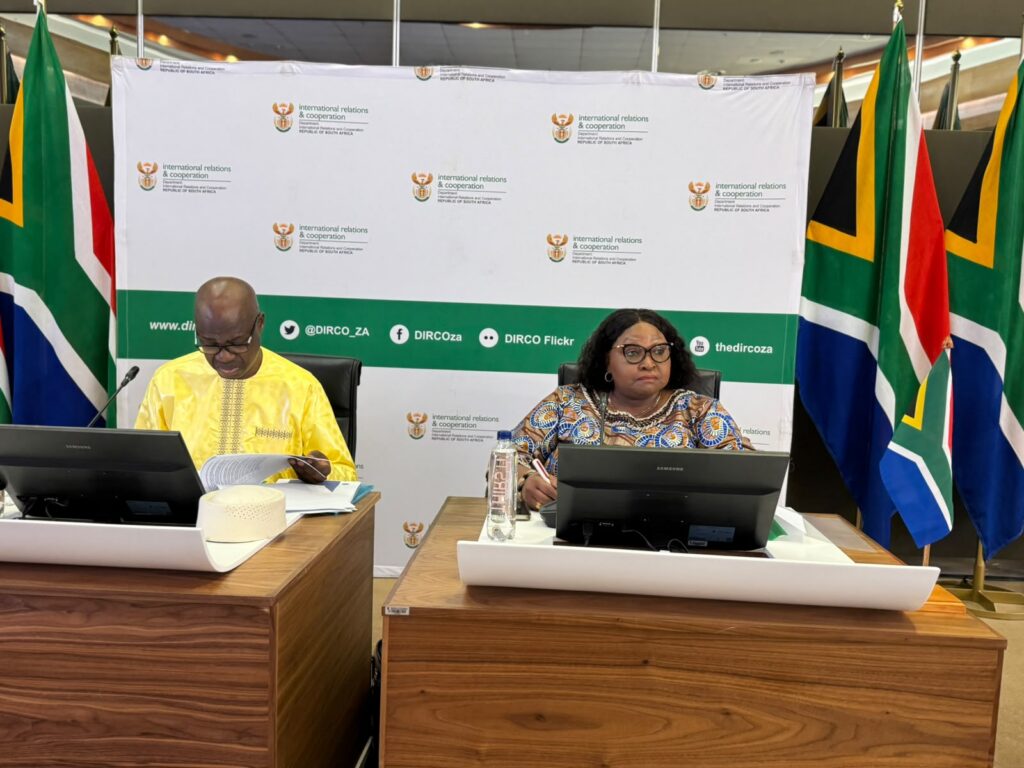
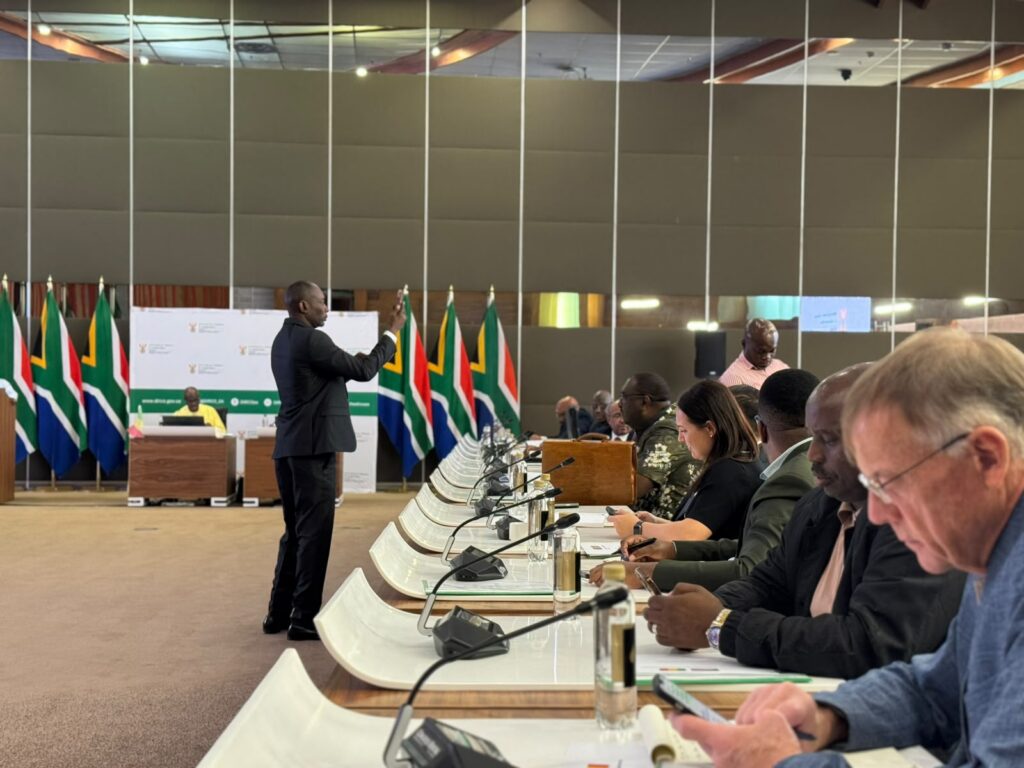
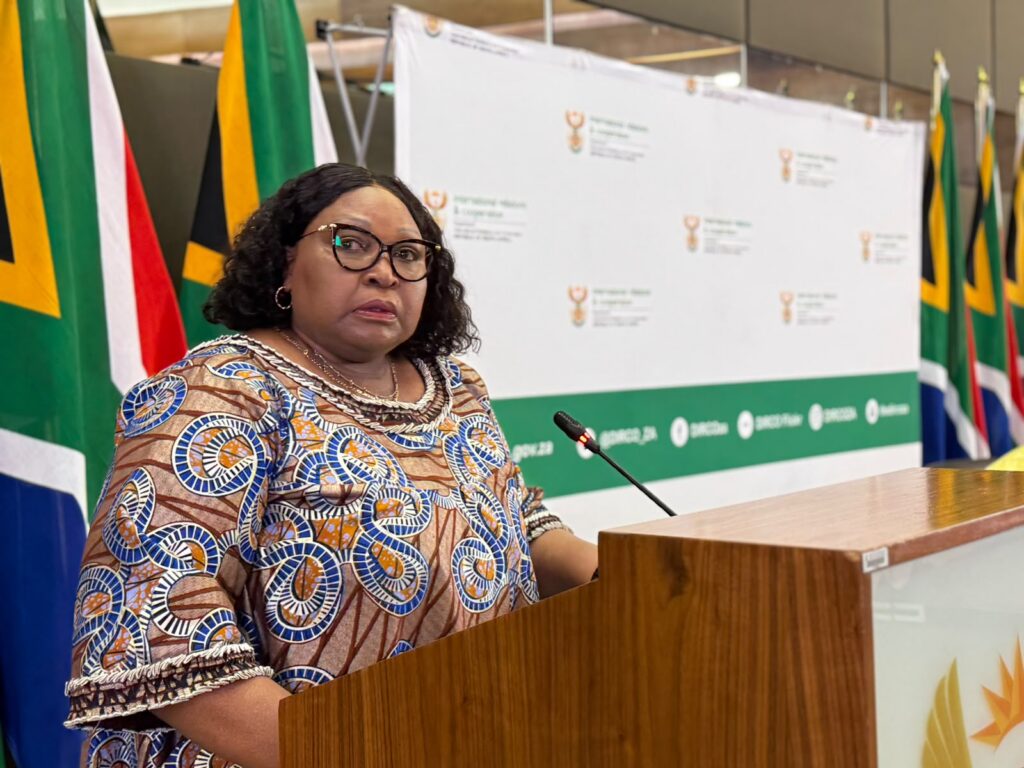
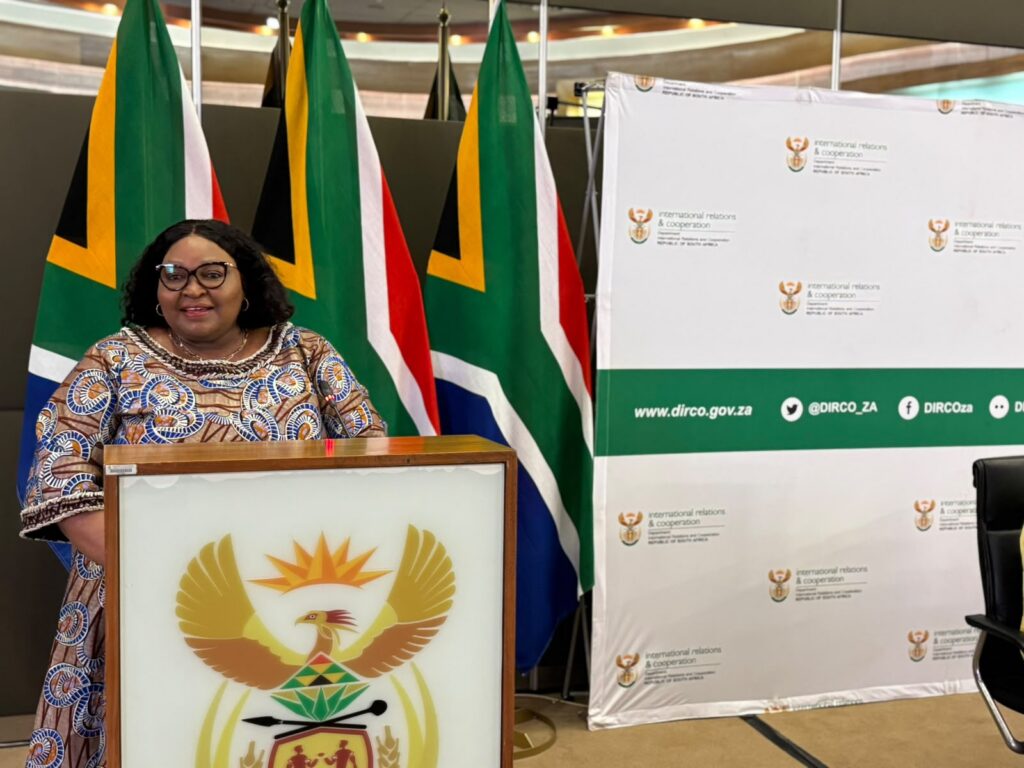
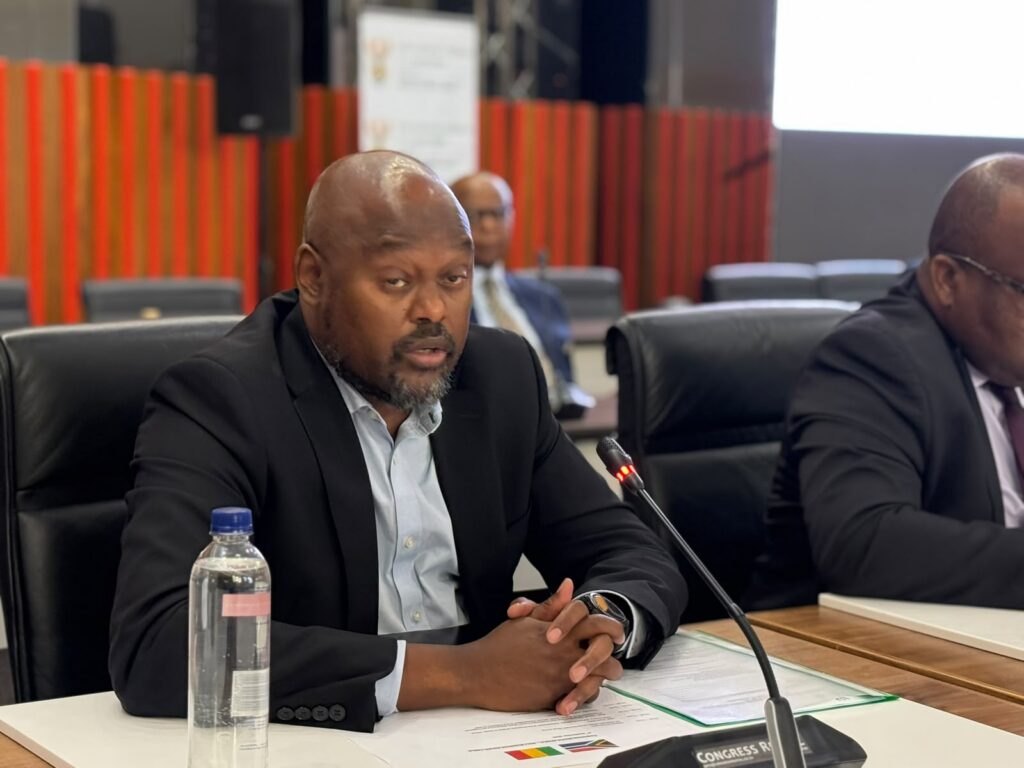
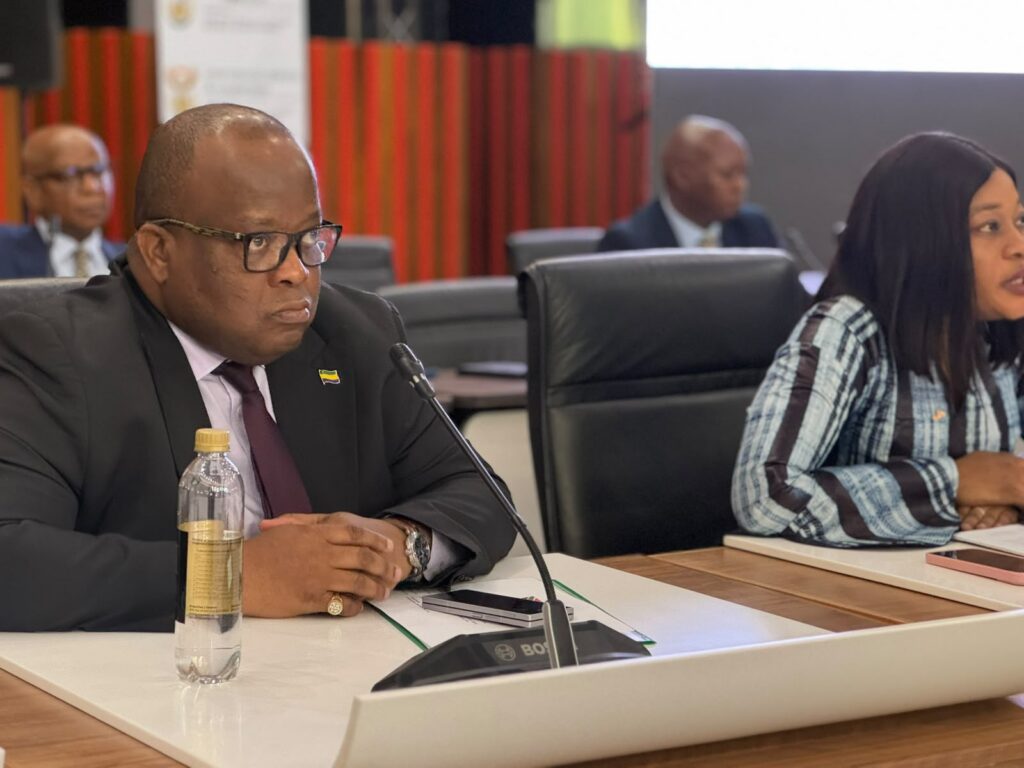
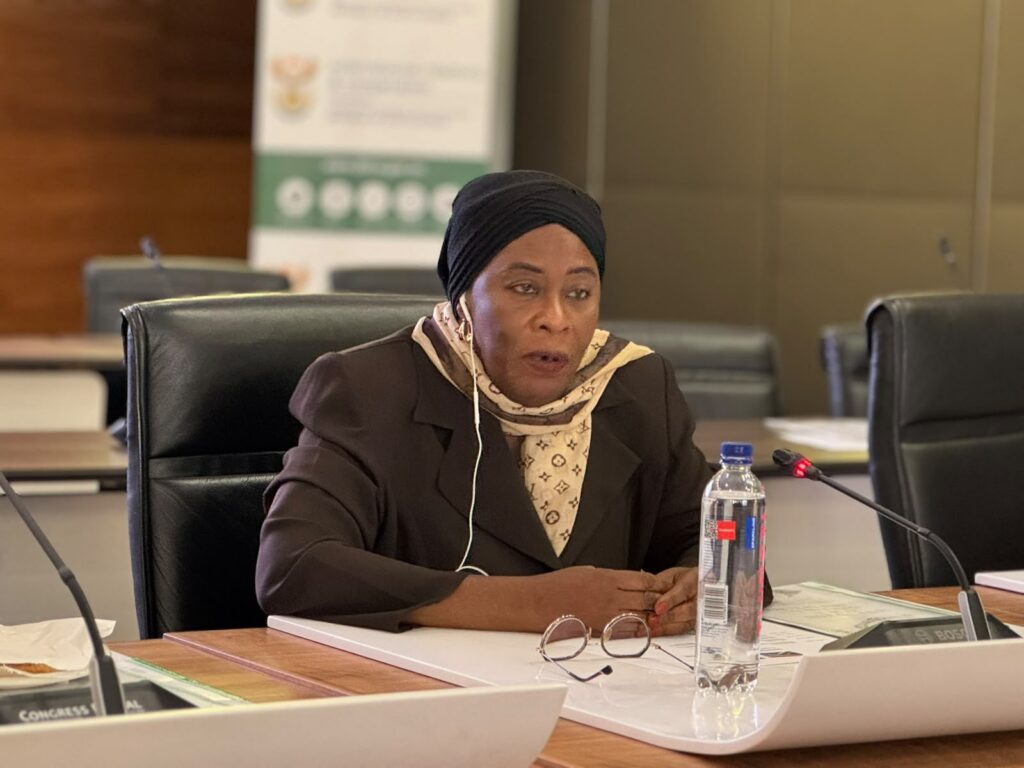
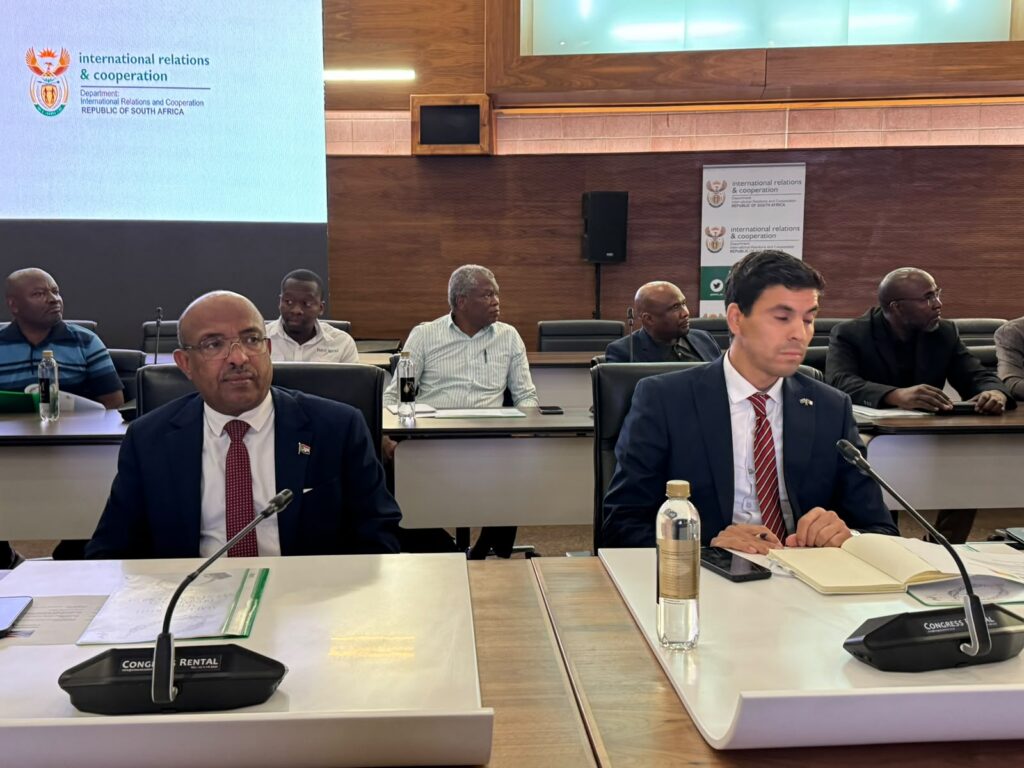
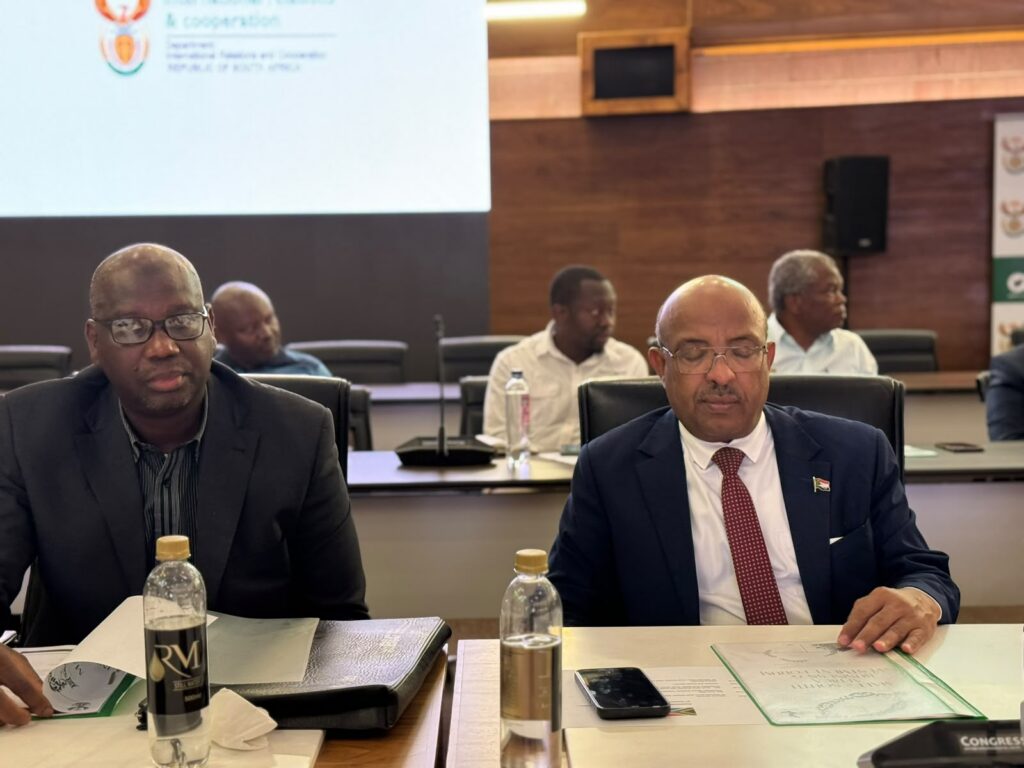
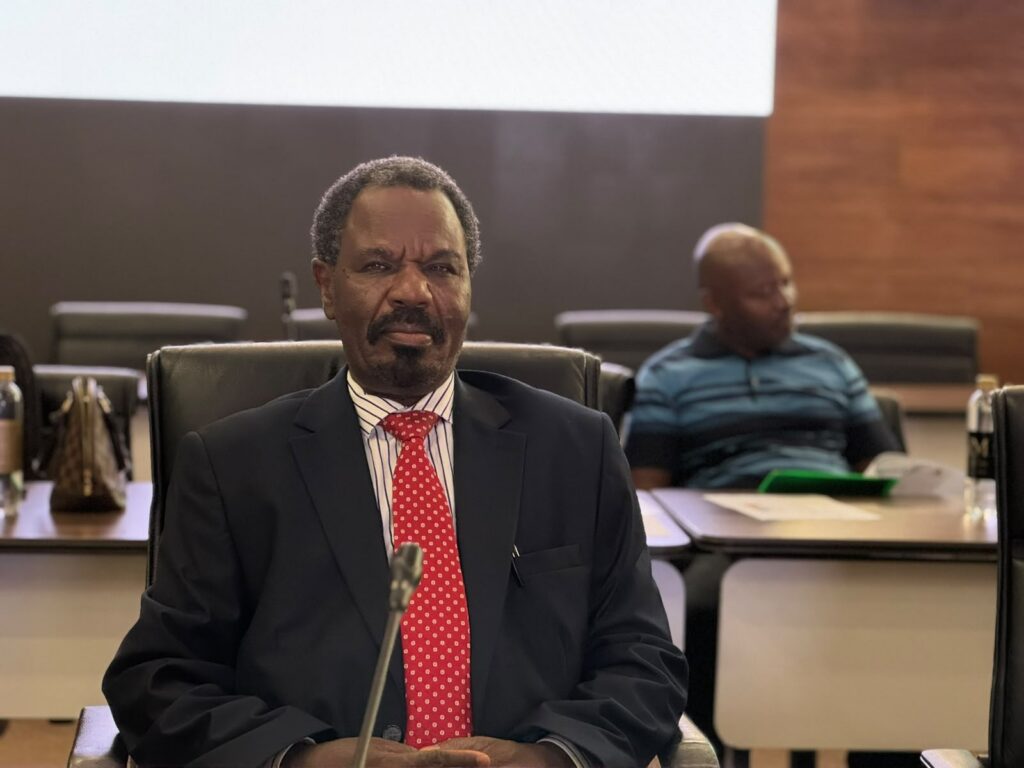
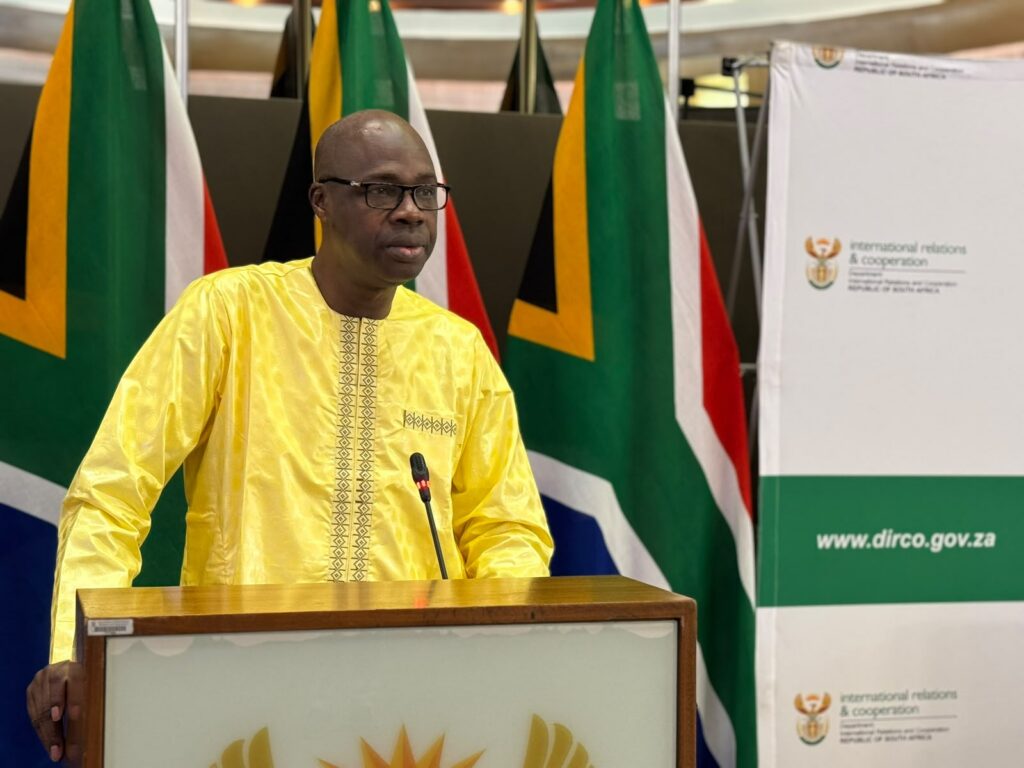
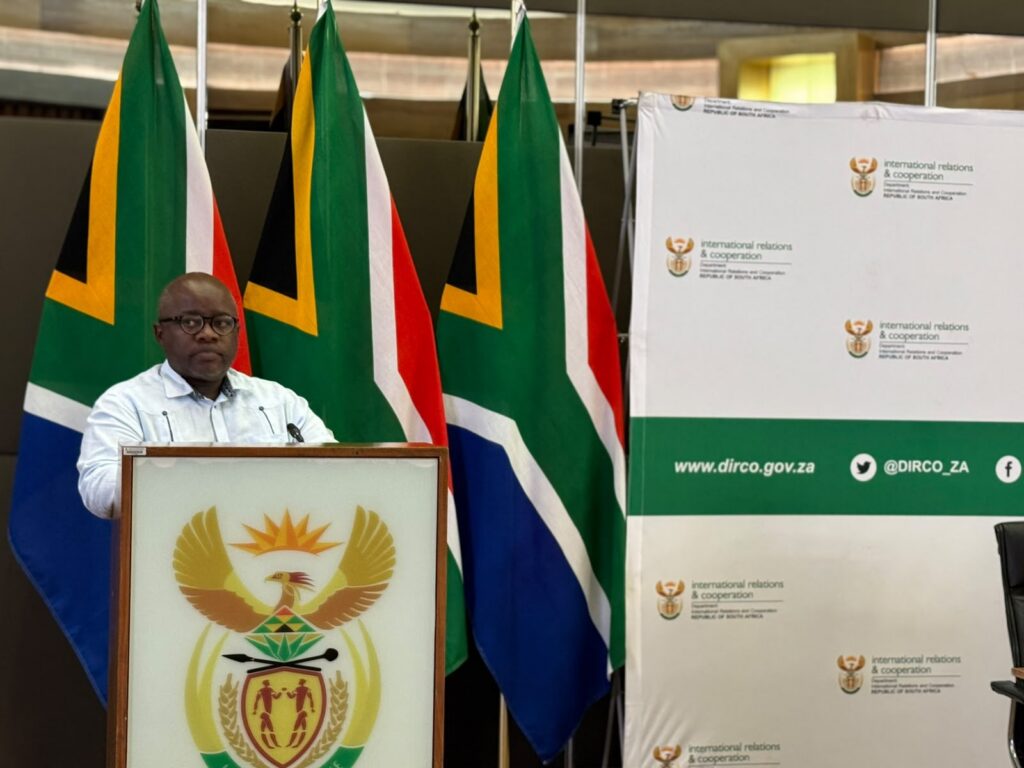
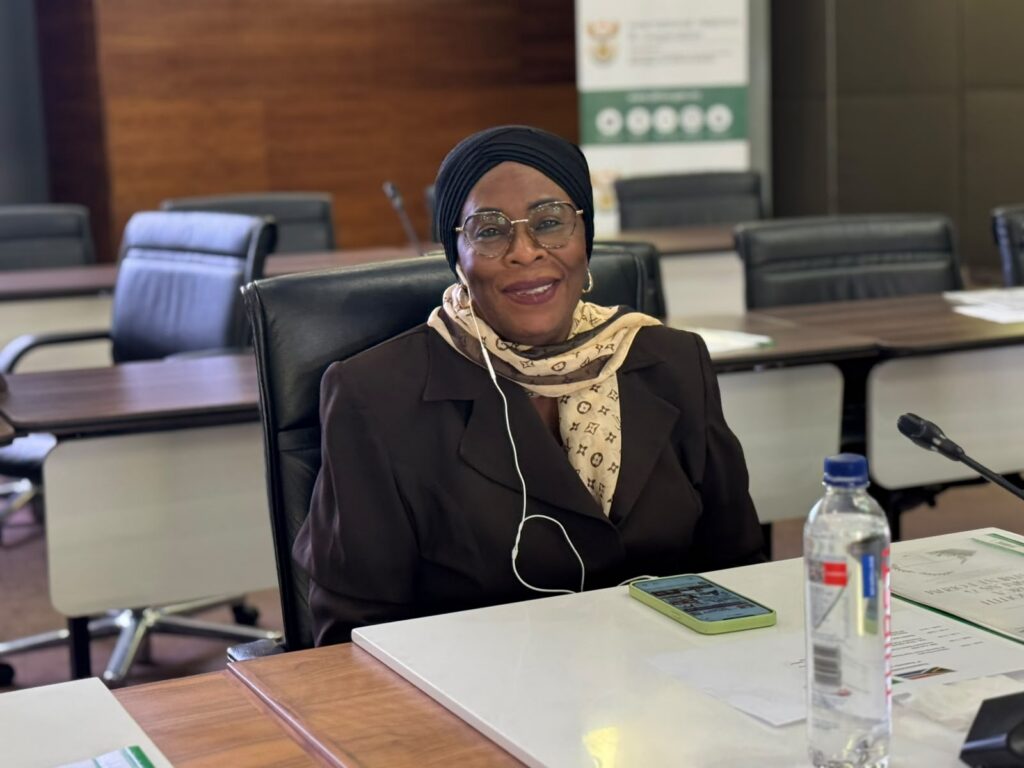
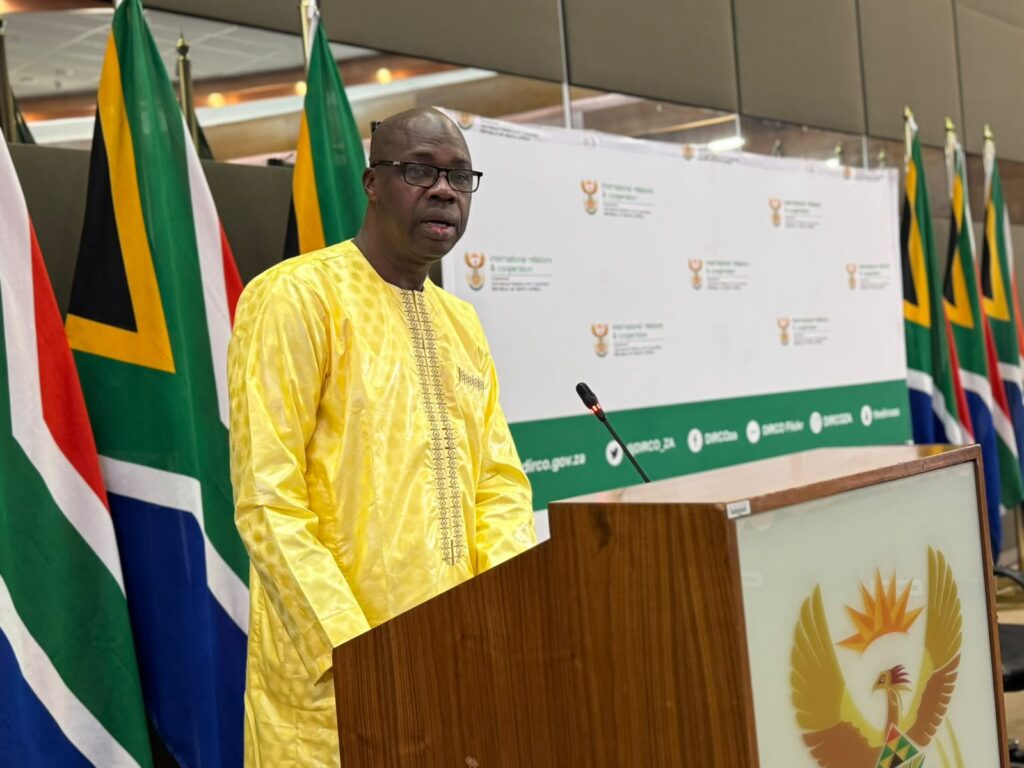
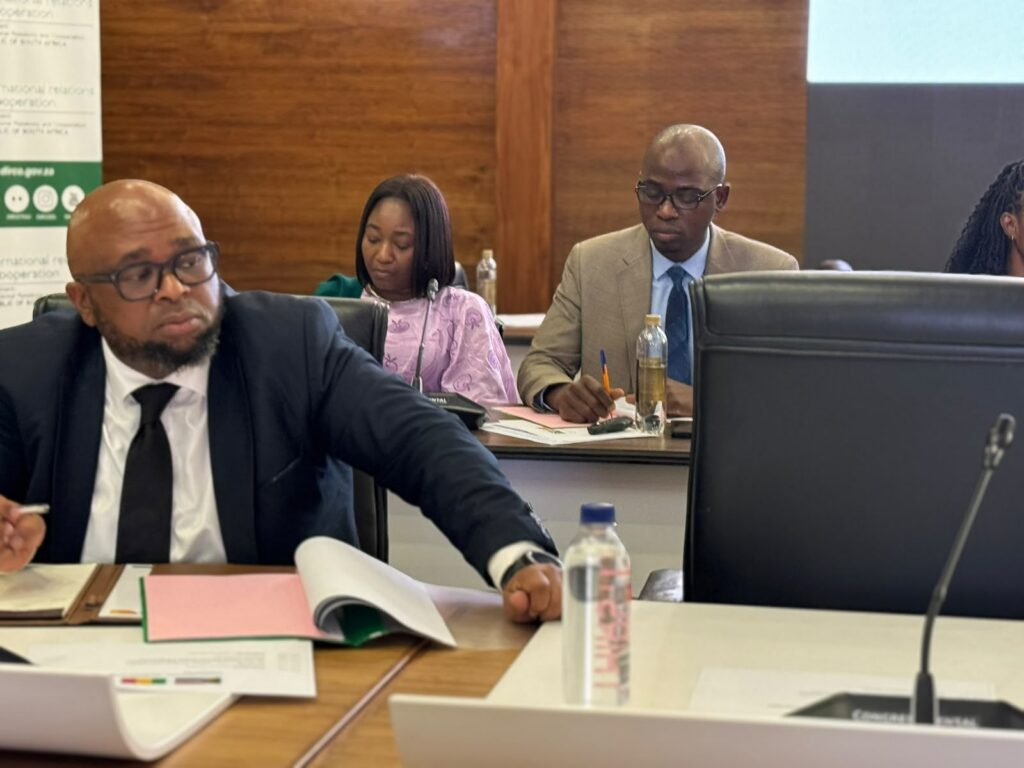
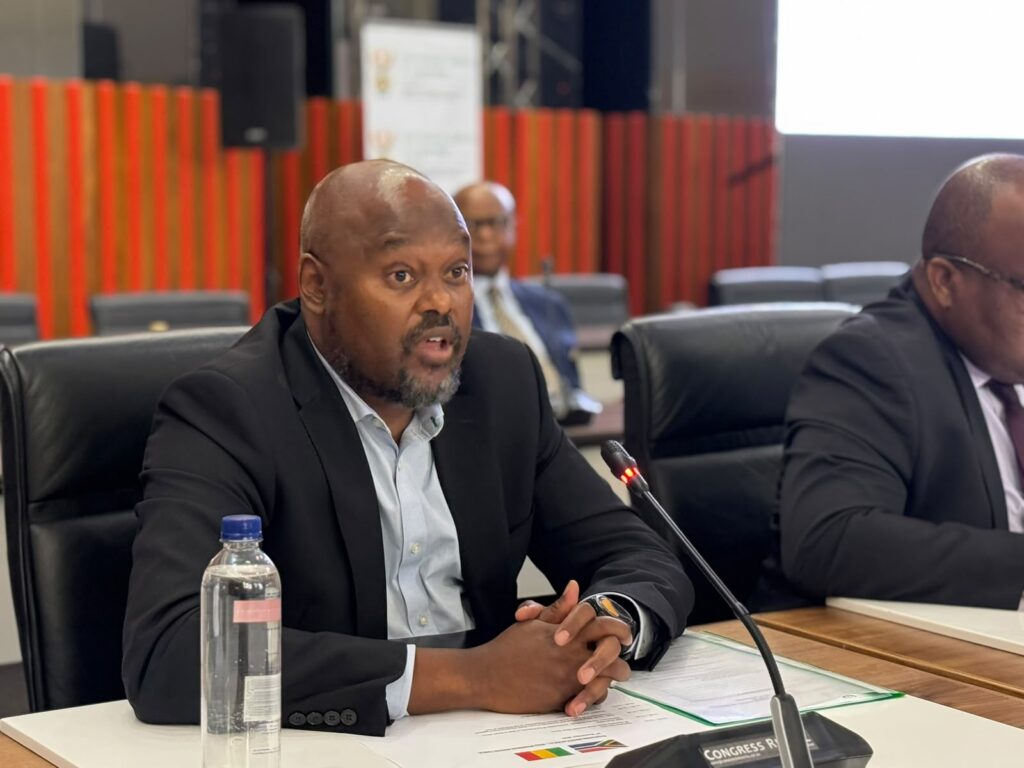
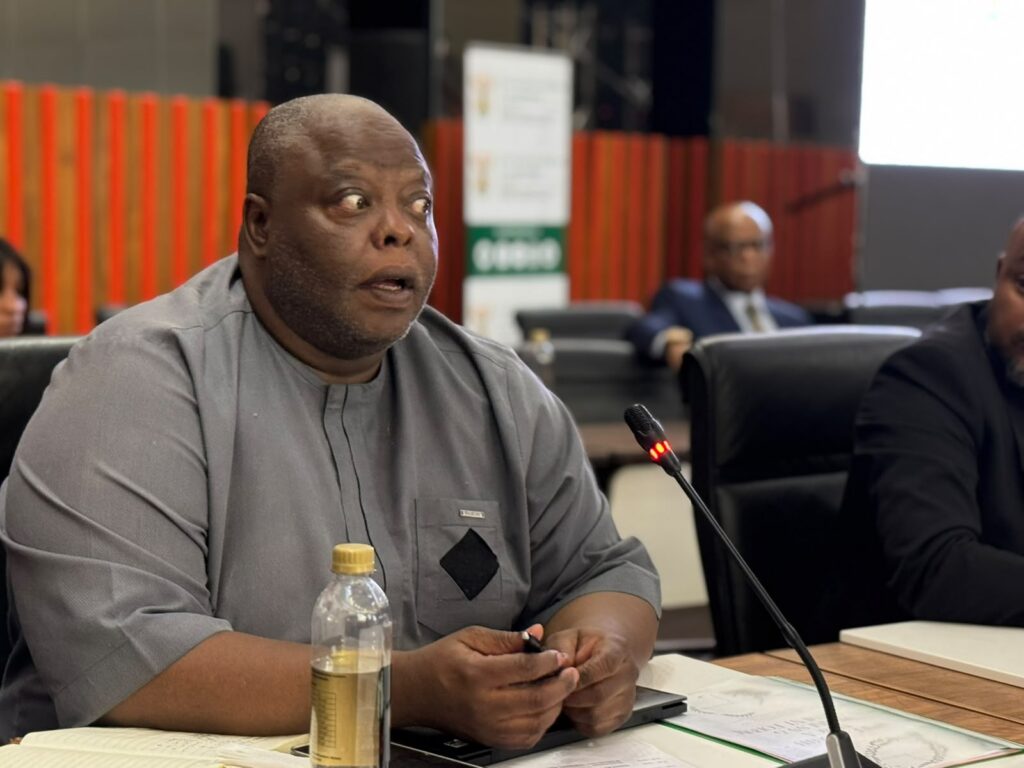
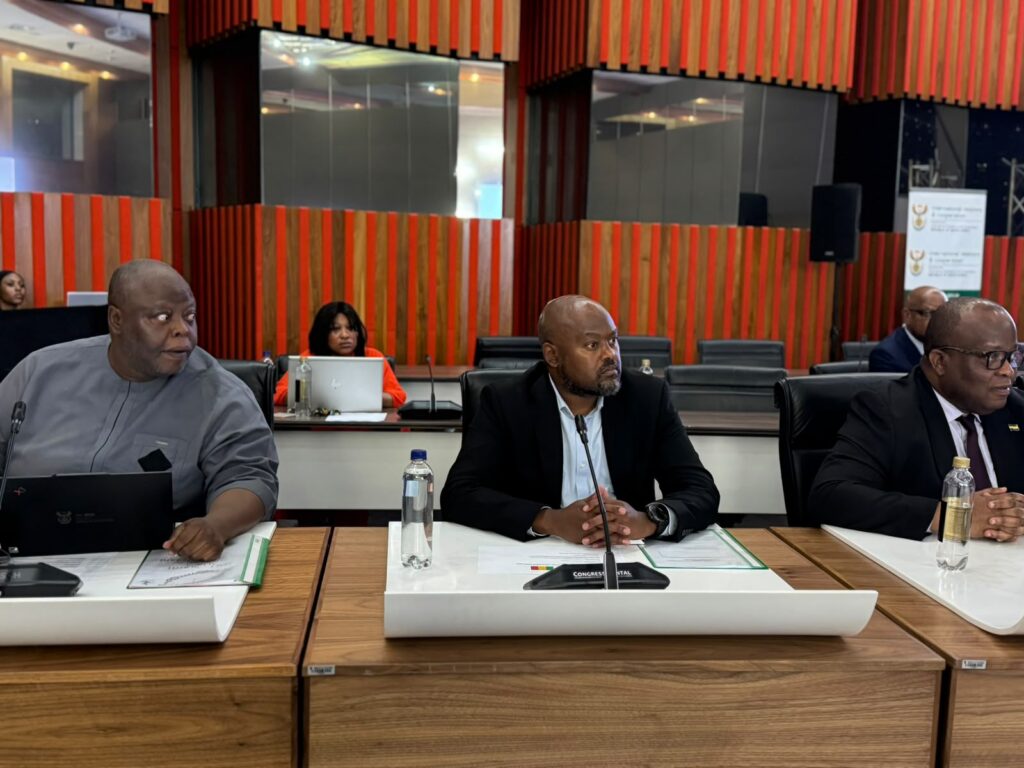
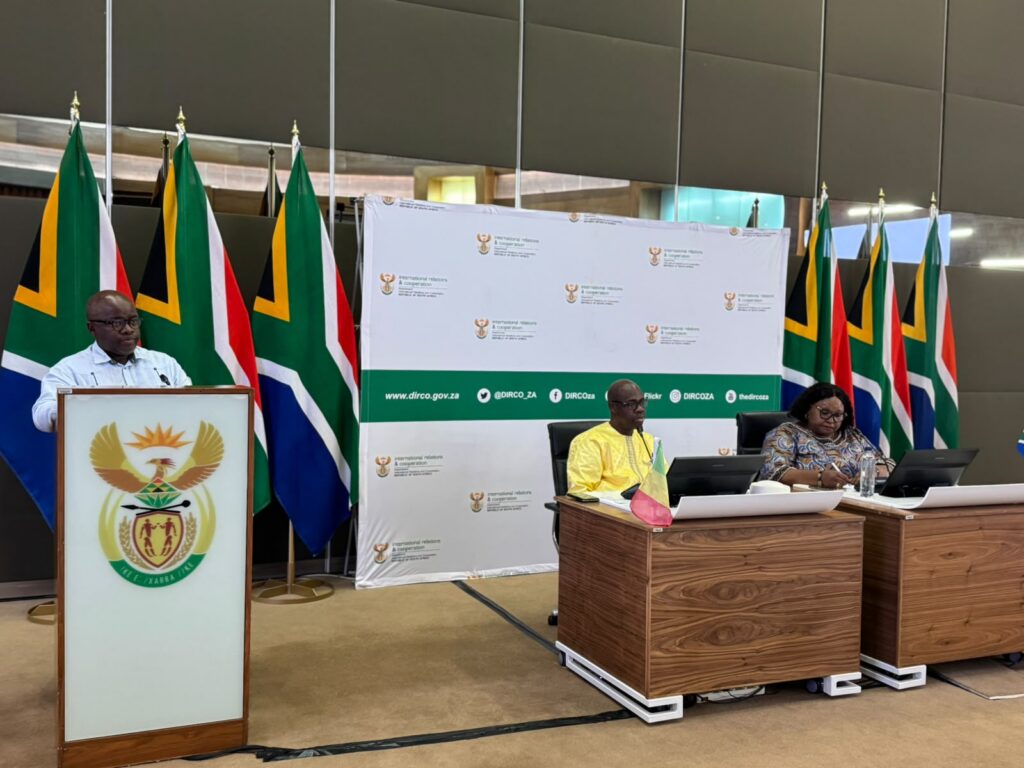
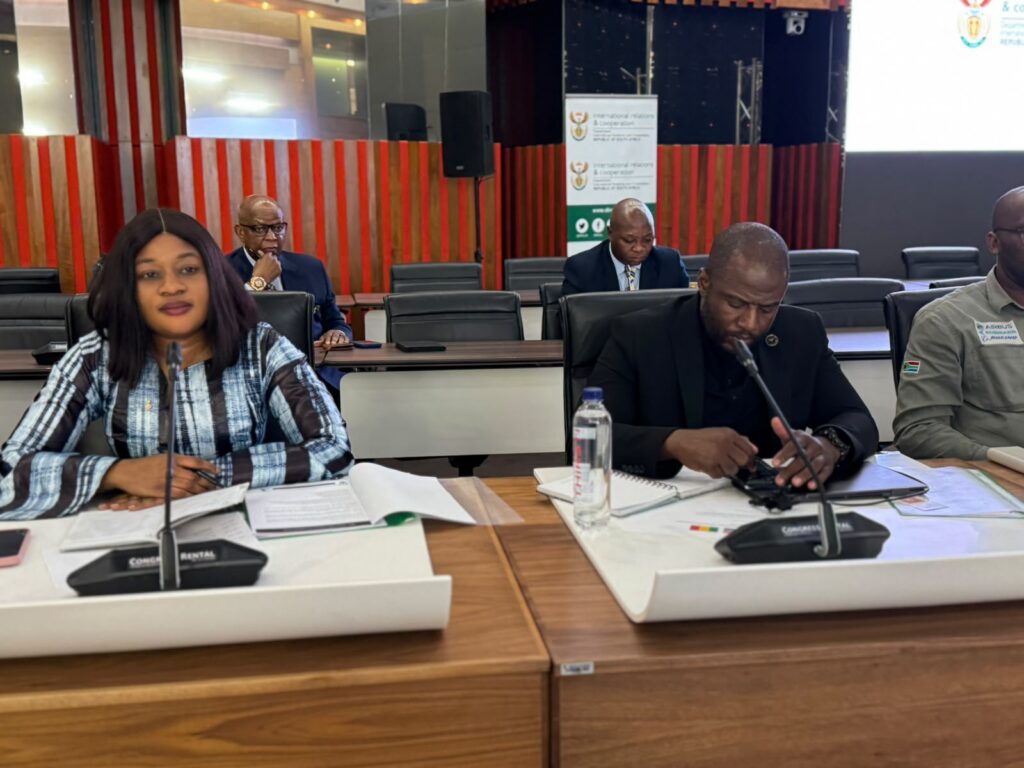
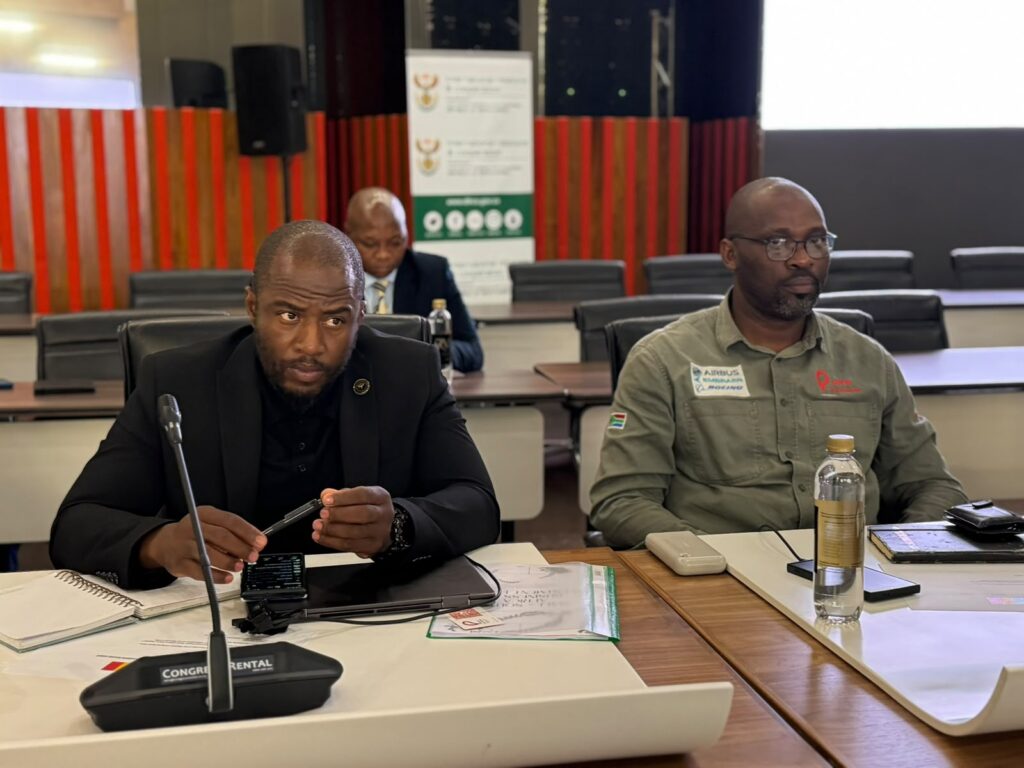
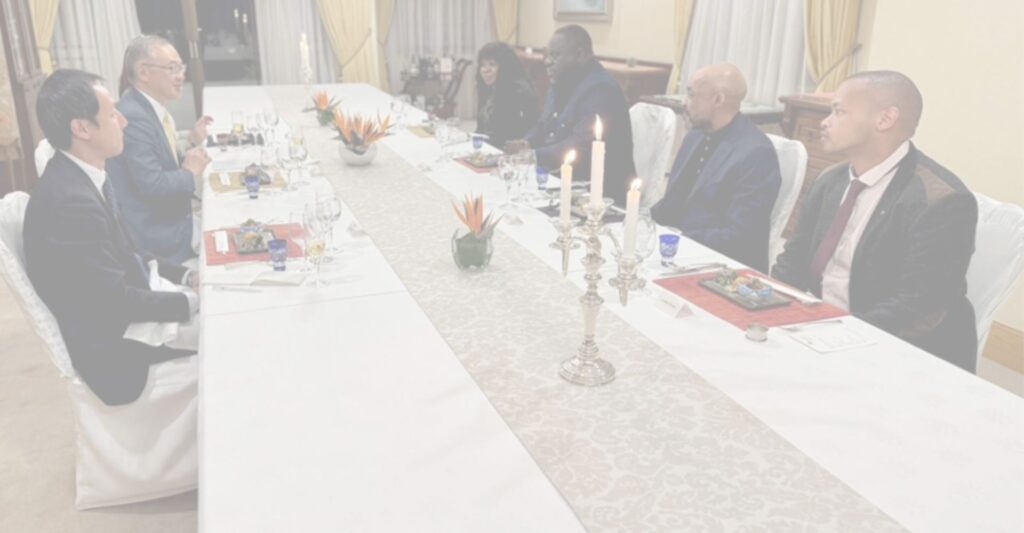
The message emerged at the South Africa–Mali Business Round Table held in Pretoria on 3 September 2026, where Malian Ambassador Bakary Coulibaly and South African diplomatic representative P L M Masisi outlined opportunities for businesses and investors while promoting an upcoming investment forum in Bamako.
The programme was hosted by the Department of International Relations and Cooperation (DIRCO) in partnership with the Embassy of Mali in Pretoria. DIRCO lists Coulibaly as Mali’s Ambassador to South Africa and P L M Masisi as South Africa’s representative in Mali.
Mali presents its “Mali Kura 2063” vision
Addressing the business community, Ambassador Coulibaly presented Mali’s Mali Kura 2063 vision, describing it as part of the country’s broader effort to reshape its political, economic and institutional landscape.
He said Mali had undertaken a national dialogue and introduced a new constitutional and legal framework as part of the process of building what he described as a “new Mali”.
At the centre of the country’s long-term vision is economic transformation, with agriculture, energy, infrastructure, industrialisation and natural-resource development identified as important pillars.
The Malian investment-promotion agency, API-Mali, similarly describes its role as facilitating investment, supporting investors and helping develop strategic and sustainable investment projects under the country’s 2063 vision.
Agriculture and agro-processing among major opportunities
Agriculture emerged as one of the strongest areas of potential cooperation.
Coulibaly highlighted Mali’s agricultural land and production capacity, pointing to rice, cotton, millet, maize, fruits and other crops.
However, he said Mali’s priority is no longer simply producing agricultural commodities, but processing more of what the country produces locally.
Cotton was highlighted as a particularly significant opportunity. The Ambassador said Mali produces more than 500,000 tonnes of cotton but processes only a small proportion domestically, creating opportunities for investors in textile production and downstream manufacturing.
He also encouraged South African companies to explore opportunities in rice processing, fruit processing and mango value chains, arguing that investment in local processing could help Mali move higher up the agricultural value chain.
The opportunity aligns with broader efforts by Mali to attract investment into agro-industrial transformation and develop stronger domestic productive capacity.
Energy investment could become another major growth area
Energy was another major focus of the presentation.
According to Coulibaly, Mali wants to expand electricity access substantially and is looking for investment in solar power, hydroelectricity and other energy infrastructure.
He pointed to Mali’s substantial solar potential, as well as its rivers and existing dams, as resources that could support additional energy projects.
The Ambassador also highlighted lithium and uranium among Mali’s mineral resources, noting that lithium mining is already taking place and that further opportunities exist for companies interested in the mining sector.
For South African investors, the opportunities therefore extend beyond traditional mining into renewable-energy generation, power infrastructure and related services.
Infrastructure and regional connectivity
Mali also wants to strengthen its position as a regional transport and commercial hub.
Coulibaly outlined ambitions for expanded road and railway connections linking Mali with neighbouring countries and, ultimately, wider African markets.
He placed particular emphasis on rail, arguing that railways can transport larger volumes of goods more efficiently than road transport.
The country is also seeking greater aviation connectivity and investment in aviation-related infrastructure, including facilities capable of supporting aircraft maintenance and other services.
International-standard airports in regions such as Gao and Kayes were also identified as part of Mali’s longer-term infrastructure ambitions.
Industrialisation: from raw materials to finished products
A recurring theme throughout the Ambassador’s presentation was industrialisation.
Mali has significant natural resources, including iron, manganese, phosphate and lithium, but Coulibaly said the country wants to move beyond exporting raw materials and establish facilities capable of processing them domestically.
This opens potential opportunities for South African companies in:
- Mineral beneficiation
- Manufacturing
- Mining services
- Agro-processing
- Textile production
- Food processing
- Industrial infrastructure
- Equipment and technical services
The Malian government has also been promoting investment as part of its broader economic transformation agenda. API-Mali identifies improving the business climate and facilitating structured investment projects among its core priorities.
Livestock and dairy offer further opportunities
Another area highlighted was Mali’s substantial livestock sector.
Coulibaly said Mali has a large cattle and small-livestock population but requires greater processing capacity and improved market access.
He specifically identified opportunities in meat processing and dairy production, areas where South African companies could potentially bring expertise, technology and investment.
The Ambassador invited South African companies with experience in dairy production to consider establishing processing facilities in Mali.
Pharmaceuticals identified as a priority for South Africa
Ambassador Masisi subsequently outlined the priority sectors being targeted for the forthcoming Mali–South Africa Business and Investment Forum.
Among these is pharmaceutical manufacturing and healthcare.
She said the Malian Minister of Trade had specifically called for greater South African involvement in pharmaceuticals, highlighting the sector as an area where South Africa could increase its presence in the Malian market.
Other priority sectors include:
- Mining and mining services
- Energy and renewable energy
- Banking and finance
- Infrastructure and construction
- Manufacturing and industrial development
- Pharmaceuticals and healthcare
- Water and environmental solutions
- Education and research
- Innovation and technology
- Agriculture and agro-processing
Mali–South Africa Business and Investment Forum set for Bamako
The discussions in Pretoria are intended to lead into a much larger business engagement in Mali.
The Mali–South Africa Business and Investment Forum, under the theme “Build Africa’s Future Together,” is scheduled to take place in Bamako from 29 September to 1 October 2026.
According to Masisi, the three-day event will bring together investors, institutions and businesses and will have a broader regional dimension, with participation expected from Mali, South Africa, Guinea, Burkina Faso and Niger.
The programme is expected to include investment presentations, sector-specific discussions, business-to-business meetings, country working sessions, institutional engagements, networking and site visits.
The forum is designed to move beyond general discussions and identify specific investment projects, partnerships and agreements.
Mali opens door to South African investors
A central message from the Malian side was that foreign companies are able to establish operations and produce within Mali.
Coulibaly pointed to the Agency for the Promotion of Investments in Mali (API-Mali) as a key entry point for companies seeking information and assistance when considering investment.
API-Mali describes itself as an institution responsible for facilitating investment and supporting investors throughout the project process.
The Ambassador also highlighted ongoing reforms to Mali’s public-private partnership (PPP) framework, saying the reforms are intended to create greater scope for private companies to participate in major infrastructure projects.
Under such arrangements, private companies could potentially build and operate infrastructure before eventually transferring it to the state.
DIRCO signals renewed economic engagement
Closing the round table, Mr Nyameko Goso, Chief Director: West Africa, said the South African government would circulate information on Malian businesses, projects and investment opportunities to participants.
He also confirmed that information contained in the meeting pack would be shared electronically with participating businesses.
Goso emphasised that South Africa is open to doing business with Mali and said the two countries are seeking to strengthen bilateral engagement.
He acknowledged that some South African companies already operate in Mali and said DIRCO would work with the Malian side to address outstanding issues affecting businesses.
The message was therefore not simply an invitation to explore Mali as a potential market, but an indication that South African institutions are seeking to translate renewed diplomatic engagement into concrete commercial partnerships.
From diplomatic relations to commercial partnerships
The Pretoria round table points towards a broader shift in the South Africa–Mali relationship: from maintaining diplomatic engagement to deliberately building stronger economic diplomacy and private-sector links.
For South African businesses, the opportunities presented by Mali span traditional areas such as mining while extending into sectors including renewable energy, infrastructure, pharmaceuticals, agriculture, food processing, manufacturing, aviation and logistics.
The forthcoming Bamako forum is expected to provide the next platform for companies to assess these opportunities directly, meet potential Malian partners and explore projects that could convert the growing diplomatic engagement between the two countries into long-term commercial cooperation.