As governments across the world compete for increasingly mobile investment capital, municipalities are under growing pressure to create environments that inspire investor confidence, accelerate development and stimulate sustainable economic growth.
Recognising that investment attraction requires more than promotional campaigns, the South African Local Government Association (SALGA) Eastern Cape embarked on a strategic two-day benchmarking visit to Durban, KwaZulu-Natal, on 29–30 June, aimed at learning directly from one of South Africa’s most successful property investment ecosystems.
The visit formed part of SALGA Eastern Cape’s broader programme of positioning municipalities as investment-ready destinations while laying the foundation for the forthcoming Eastern Cape Investment Lekgotla, which seeks to bring together municipalities, investors, development agencies, diplomatic missions and strategic partners to unlock new opportunities across the province.
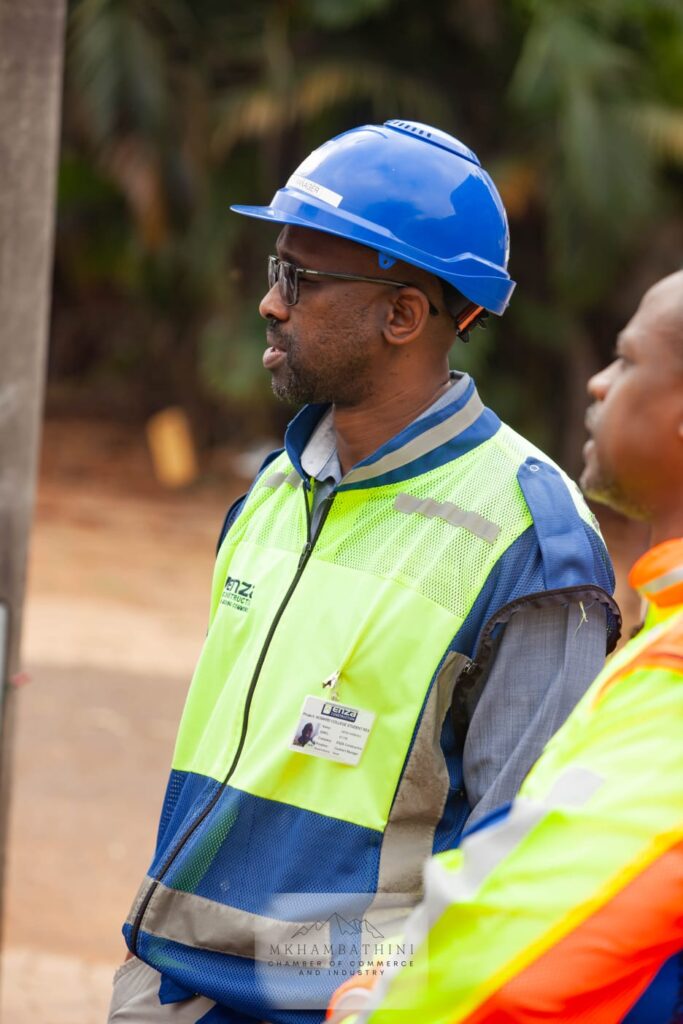
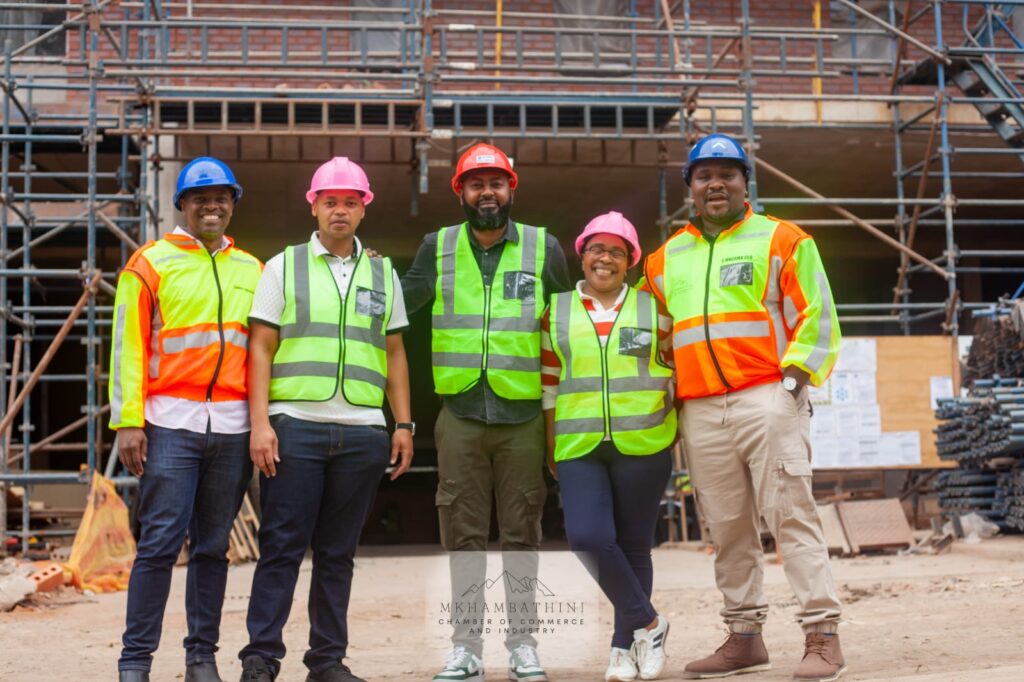
Led by Mr Sonwabo Gqegqe, Provincial Director of Operations for SALGA Eastern Cape, the delegation engaged with senior executives from Growthpoint Properties, Property Point and other strategic stakeholders to better understand how municipalities can create conditions that attract long-term private sector investment.



Delegation Reflects a Multi-Disciplinary Investment Team
The SALGA Eastern Cape delegation consisted of:
- Mr Sonwabo Gqegqe – Provincial Director of Operations
- Mr Seapara Moses Sathekge – Senior Advisor: Built Environment and Planning
- Ms Wela Zozo – Senior Advisor: Economic Growth and Investment
- Ms Thabisa Cutalele – Manager: Finance
Joining the engagement were:
- Mr Craig Davis – Leasing Manager, Growthpoint Properties
- Mr Nelson Ndimande – Local Economic Development and Programme Manager, Property Point
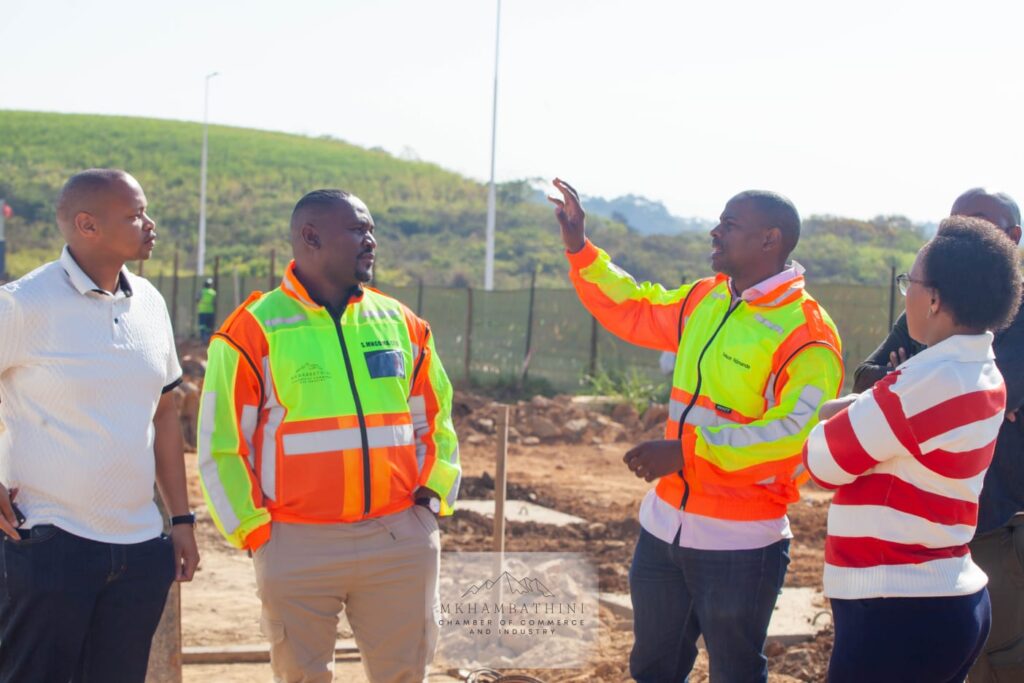
- Mr Simphiwe Mngoma – Chief Executive Officer, Mkhambathini Chamber of Commerce and Industry
- Mr Mndeni Mthabela – Managing Director, Diplomacy South Africa
Together, the participants explored how municipalities and the private sector can work more effectively to remove investment barriers, strengthen investor confidence and accelerate inclusive economic development.
Day One: Learning from South Africa’s Leading Investment Precincts
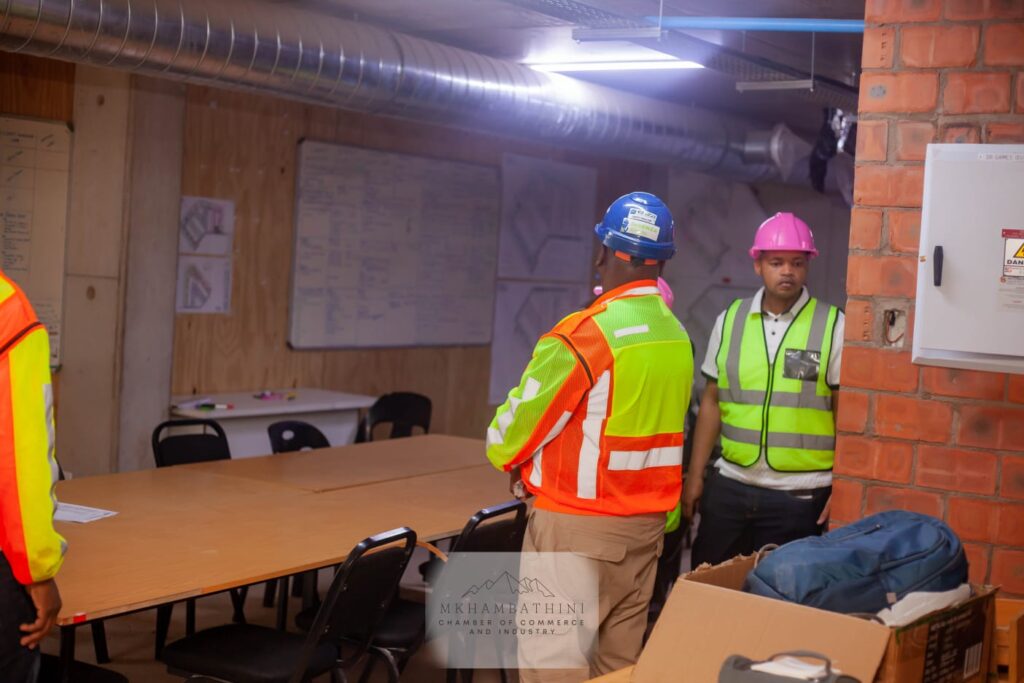
The first day focused on practical learning through visits to some of KwaZulu-Natal’s flagship commercial developments.
Hosted by Property Point, the delegation toured developments valued at over R1.6 billion, providing first-hand insight into how strategic planning, municipal collaboration and private sector investment combine to create thriving economic precincts.
The objective was not merely to showcase successful buildings, but to understand the governance systems, planning frameworks and investment conditions that made these developments possible.
Cornubia Demonstrates the Value of Integrated Urban Development
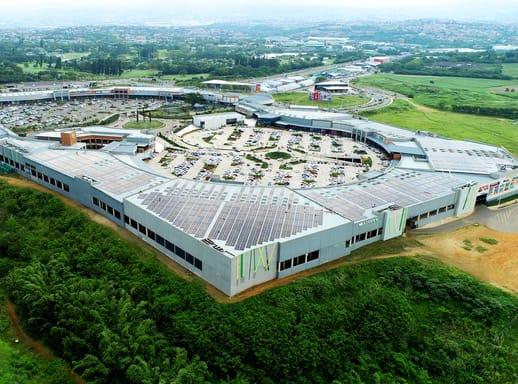
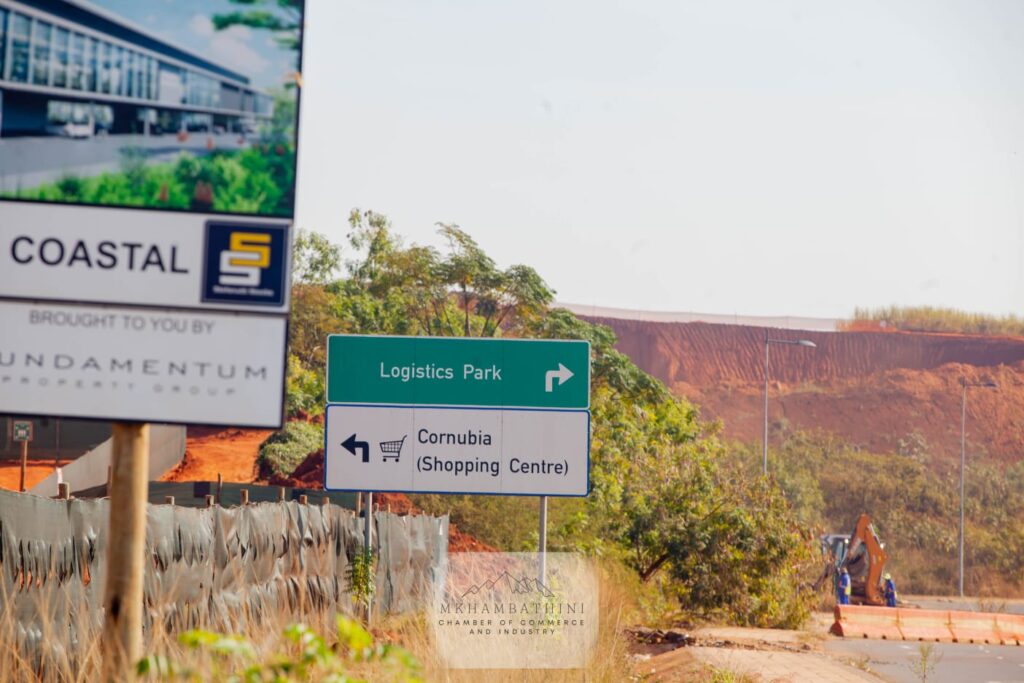
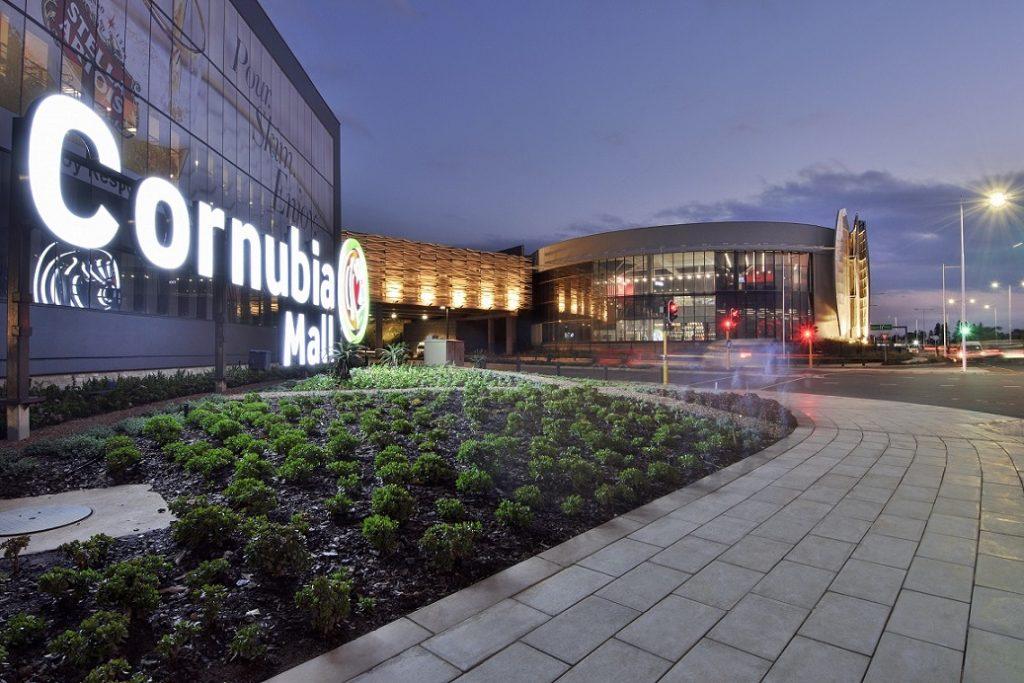
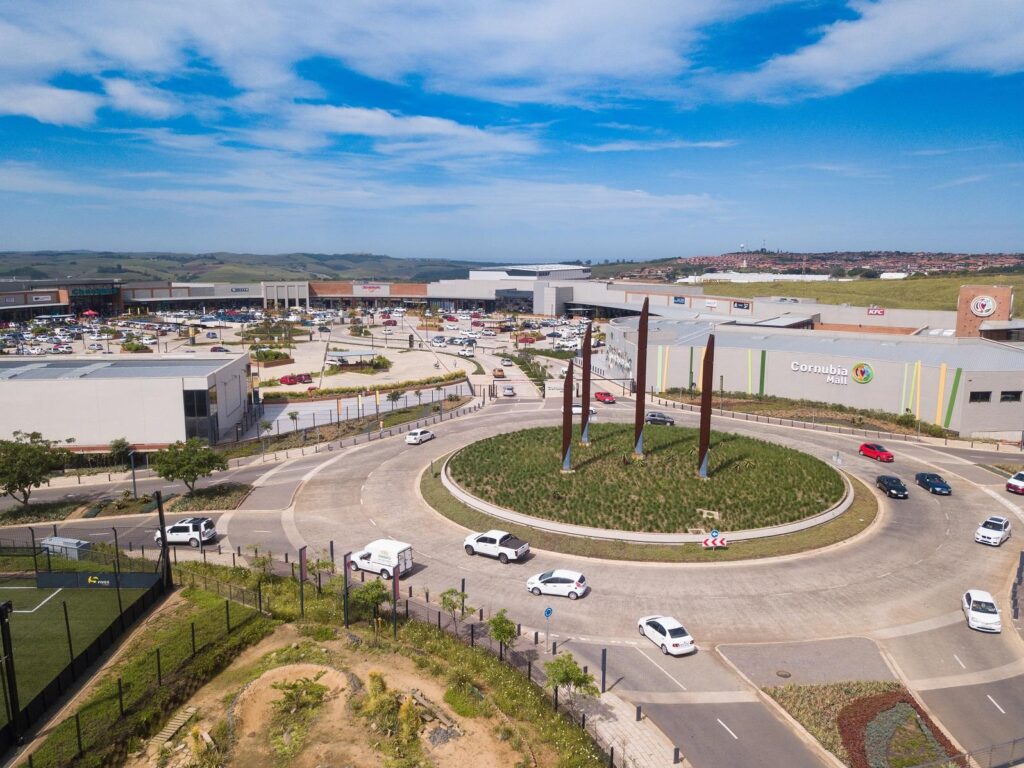
The first stop was the Cornubia precinct, where delegates explored the approximately R700 million retail development that has become one of the region’s most successful mixed-use investment precincts.
Discussions focused on long-term spatial planning, municipal coordination, infrastructure provision and the importance of creating investment-ready environments capable of attracting sustained private capital.
Delegates examined how integrated planning transforms land into productive economic assets while generating employment, expanding municipal revenue and stimulating broader regional development.
The visit reinforced the importance of municipalities proactively preparing investment opportunities rather than waiting for investors to identify them.
Student Accommodation Presents Significant Growth Opportunities
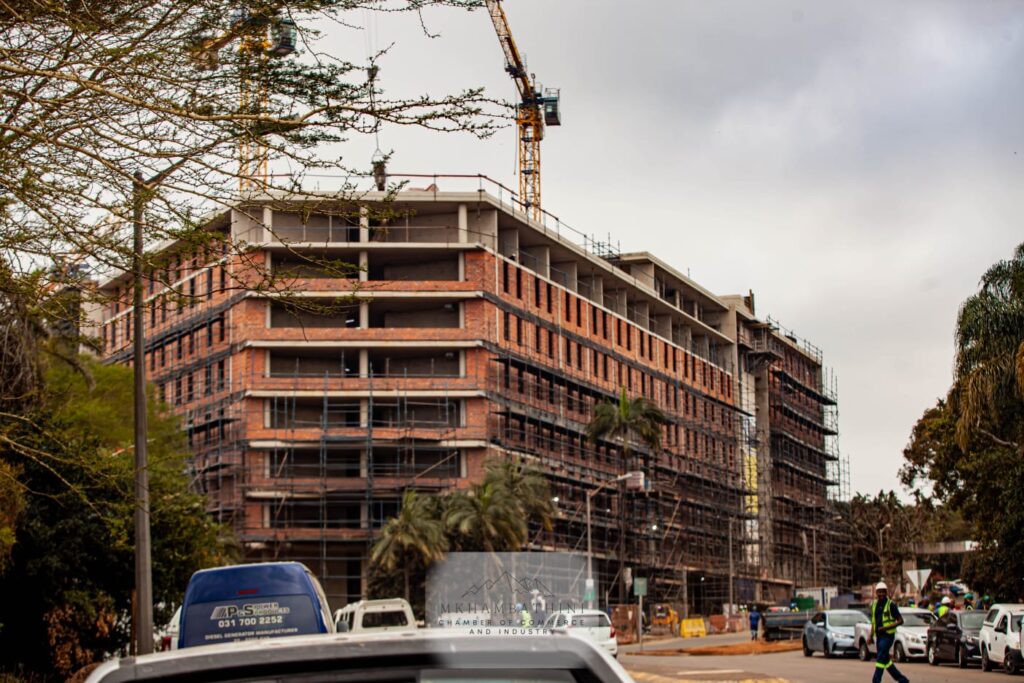
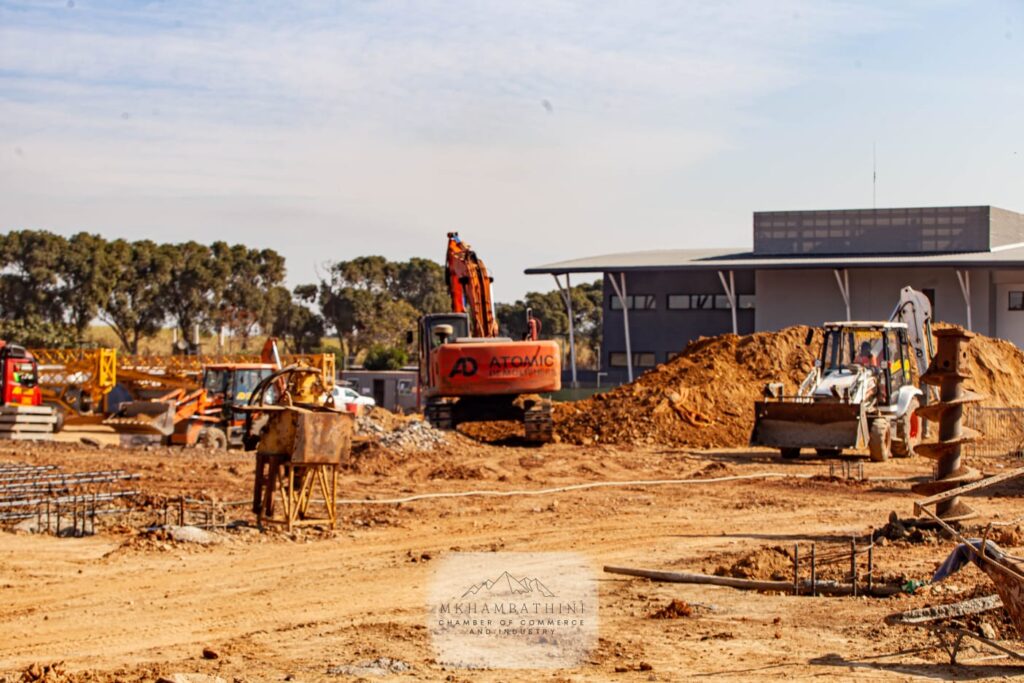
The delegation then visited Growthpoint’s approximately R900 million student accommodation development in Cato Manor.
The project demonstrated how investment aligned to education infrastructure can simultaneously address social needs while delivering sustainable commercial returns.
Delegates discussed opportunities to replicate similar models within Eastern Cape municipalities that host universities and TVET colleges, recognising student accommodation as one of South Africa’s fastest-growing property sectors.
The discussions also highlighted how partnerships between municipalities, higher education institutions and private developers can unlock investment while improving access to quality accommodation.



Sustainable Development Shapes Future Investment
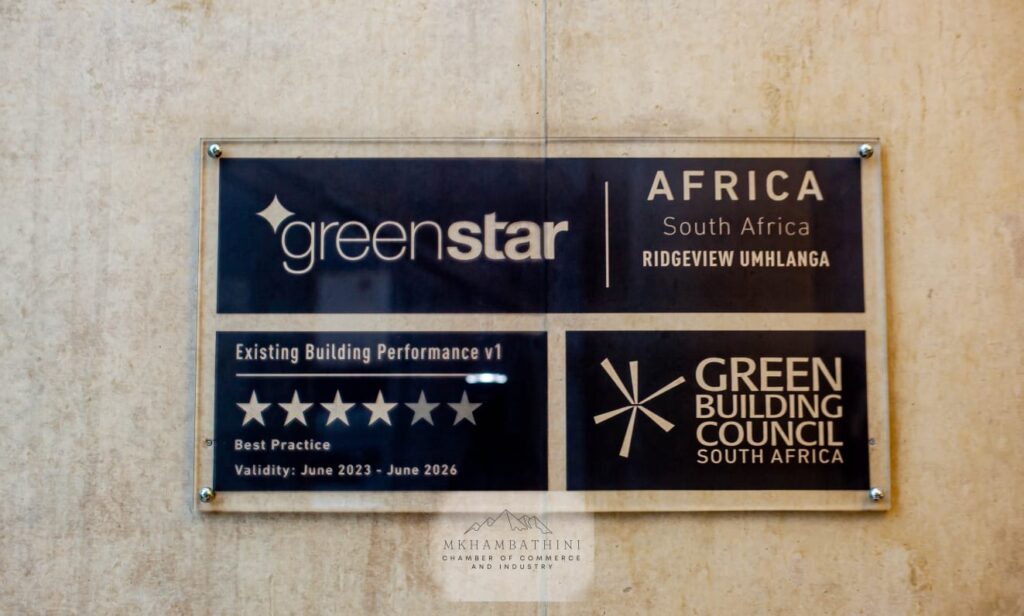
The final visit of the day took delegates to one of Umhlanga’s internationally recognised Green Star commercial buildings.
The development illustrated how environmental sustainability has become a central consideration for institutional investors seeking long-term investment certainty.
Delegates explored innovative approaches to energy efficiency, operational sustainability and environmentally responsible development, recognising that modern investors increasingly evaluate Environmental, Social and Governance (ESG) performance alongside financial returns.


Day Two: Strategic Dialogue on Unlocking Investment
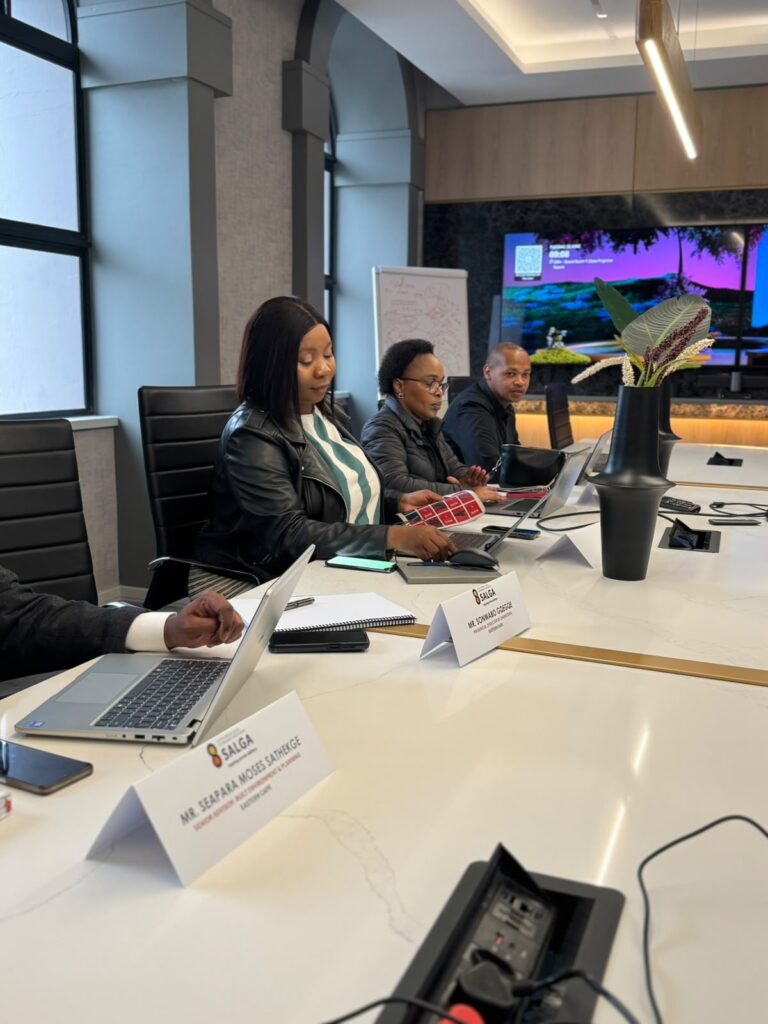
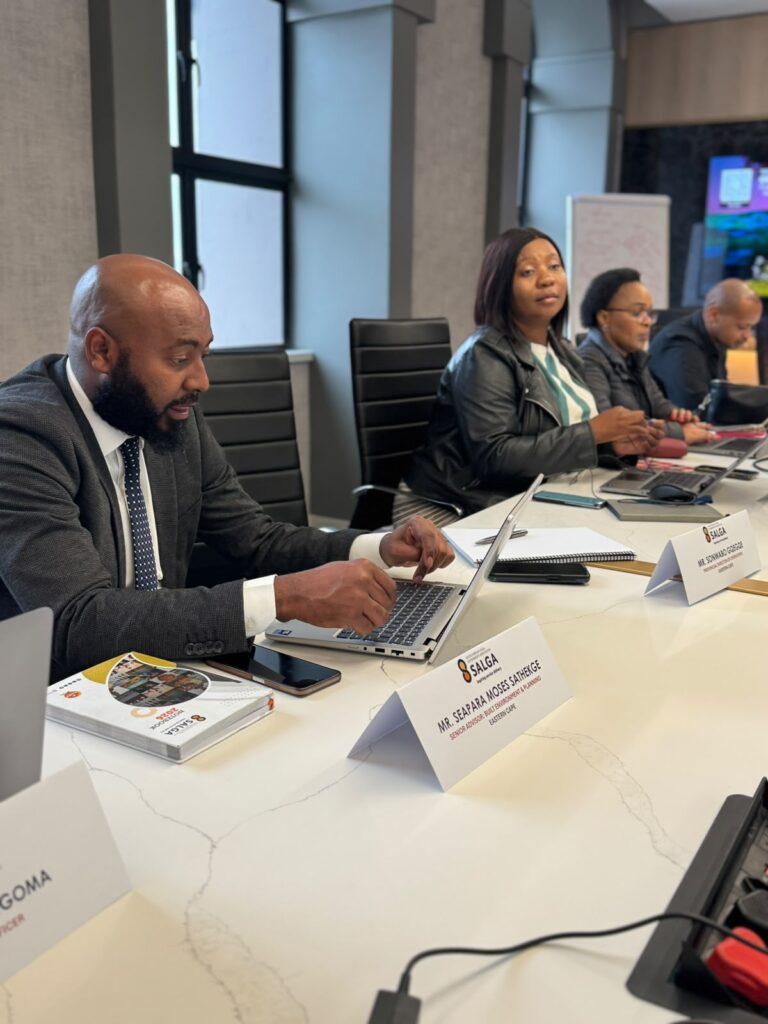
Following the technical site visits, the delegation convened at Growthpoint Properties’ offices in Umhlanga for an in-depth strategic investment dialogue.
The discussions focused on practical interventions required to position Eastern Cape municipalities as competitive investment destinations capable of attracting both domestic and international capital.
SALGA Eastern Cape Outlines Its Investment Ambition
Opening the discussions, Mr Sonwabo Gqegqe, Provincial Director of Operations for SALGA Eastern Cape, reaffirmed the organisation’s commitment to transforming municipalities into active facilitators of investment and economic development.
He explained that the benchmarking visit formed part of SALGA’s broader strategy to expose municipalities to proven investment models that could be adapted throughout the Eastern Cape.
Mr Gqegqe stressed that municipalities must move beyond traditional service delivery functions and become strategic partners in economic development by creating enabling environments characterised by efficient planning systems, investment-ready infrastructure, responsive governance and strong public-private collaboration.
He further noted that the planned Eastern Cape Investment Lekgotla will serve as a platform to connect municipalities with investors, development finance institutions, diplomatic missions and strategic partners capable of accelerating investment across the province.

According to Mr Gqegqe, unlocking investment requires municipalities to think differently about development by positioning themselves as facilitators of economic opportunity rather than merely regulators of land use.
Private Sector Highlights Structural Challenges and Investment Opportunities
Providing an investor’s perspective, Mr Nelson Ndimande, Local Economic Development and Programme Manager at Property Point, highlighted several structural challenges that continue to affect investment in parts of the Eastern Cape.
He identified land availability, land tenure systems and historical municipal rates and taxation frameworks as factors that often discourage private investment, particularly in areas such as Mthatha.
Mr Ndimande emphasised that resolving these longstanding issues would significantly enhance the province’s competitiveness while creating a more predictable investment environment.
He encouraged municipalities and the private sector to strengthen collaboration in addressing these barriers, noting that practical solutions can unlock significant new investment opportunities throughout the province.
Growthpoint Calls for a Stronger Eastern Cape Investment Narrative
Responding to the discussion, Mr Craig Davis, Leasing Manager at Growthpoint Properties, welcomed the opportunity to engage with SALGA Eastern Cape and acknowledged the province’s significant untapped investment potential.
He observed that investors frequently prioritise metropolitan markets because they are familiar, established and generally perceived as lower-risk environments.
However, he stressed that many promising opportunities within the Eastern Cape remain under-promoted despite possessing strong long-term economic potential.
Mr Davis encouraged the province to develop a clear and compelling investment narrative supported by a coordinated investment blueprint that showcases strategic infrastructure, catalytic projects and long-term development priorities.
He further recommended that municipalities focus on:
- Creating investment-friendly regulatory environments.
- Accelerating planning approvals.
- Reducing administrative barriers.
- Improving infrastructure and municipal service delivery.
- Reviewing development costs, including land lease arrangements, rates and taxes where appropriate.
- Providing greater certainty through coordinated long-term planning.
Mr Davis confirmed that Growthpoint continues to explore opportunities within the Eastern Cape, particularly in student accommodation, logistics, warehousing and commercial developments where market demand supports investment.
Investment Requires Confidence Beyond Financial Returns
Mr Davis further explained that investors evaluate much more than financial returns when selecting investment destinations.
They seek confidence that communities will continue to grow, property values will remain resilient and precincts will be managed effectively over the long term.
He emphasised that successful investment environments require:
- Strong precinct management.
- Reliable municipal infrastructure.
- Efficient public transport.
- Integrated security systems, including CCTV.
- Well-maintained public spaces.
- Predictable planning approvals.
- Effective governance structures.
He noted that private developers already maintain exceptionally high construction standards because their own capital is invested in every project.
Accordingly, municipalities can significantly improve investment attractiveness by streamlining approvals, improving service delivery and creating regulatory certainty.
Mr Davis also acknowledged that investors carefully assess infrastructure reliability, project disruptions, organised criminal activity and governance risks before committing capital.
Addressing these concerns through collaborative leadership would substantially improve investor confidence.
Importantly, he emphasised that successful investment should ultimately generate employment, develop skills, strengthen local enterprises and improve livelihoods for surrounding communities.
Property Point Demonstrates Community-Centred Local Economic Development
Expanding on the practical implementation of private sector investment, Mr Nelson Ndimande outlined Property Point’s comprehensive Local Economic Development (LED) model.
He explained that municipalities and ward leadership are engaged from the earliest stages of every development to establish transparent communication and collaborative working relationships.
Every project tracks measurable socio-economic outcomes, including:
- Employment created.
- Youth employment.
- Women’s participation.
- Duration of employment.
- Skills development.
- Local procurement.
- SMME participation.
These indicators allow both municipalities and investors to monitor the real economic contribution generated by each project.
Mr Ndimande also outlined Property Point’s extensive support for Small, Medium and Micro Enterprises (SMMEs).
Recognising that many emerging contractors struggle to meet compliance requirements for major construction projects, the organisation provides mentorship, compliance assistance and business development support to improve competitiveness.
Businesses are encouraged to specialise in technical trades such as plumbing, roofing, waterproofing, electrical work and mechanical services, strengthening their long-term sustainability beyond individual projects.
Skills development remains another central component of the programme, ensuring that workers gain recognised experience that improves future employment prospects within the construction sector.
Mr Ndimande further explained that project information and Local Economic Development outcomes are continuously shared with municipalities to strengthen transparency and accountability.
He also highlighted proactive engagement with community leadership as an effective strategy for preventing project disruptions and criminal interference.
By establishing transparent recruitment systems and agreed participation processes before construction begins, developments are able to proceed with significantly reduced conflict while ensuring communities receive meaningful socio-economic benefits.


Building Global Partnerships for Investment
Representing Diplomacy South Africa, Mr Mndeni Mthabela reflected on the lessons emerging from the benchmarking programme and reaffirmed the organisation’s commitment to supporting SALGA Eastern Cape’s investment agenda.
He highlighted the importance of strengthening relationships with diplomatic missions, international development agencies and global investors to increase international awareness of opportunities within the Eastern Cape.
Mr Mthabela emphasised that strategic communications, international engagement and investment promotion will remain essential in connecting municipalities with foreign direct investment and international development partnerships.
Benchmarking Continues at Zimbali and Oceans Mall
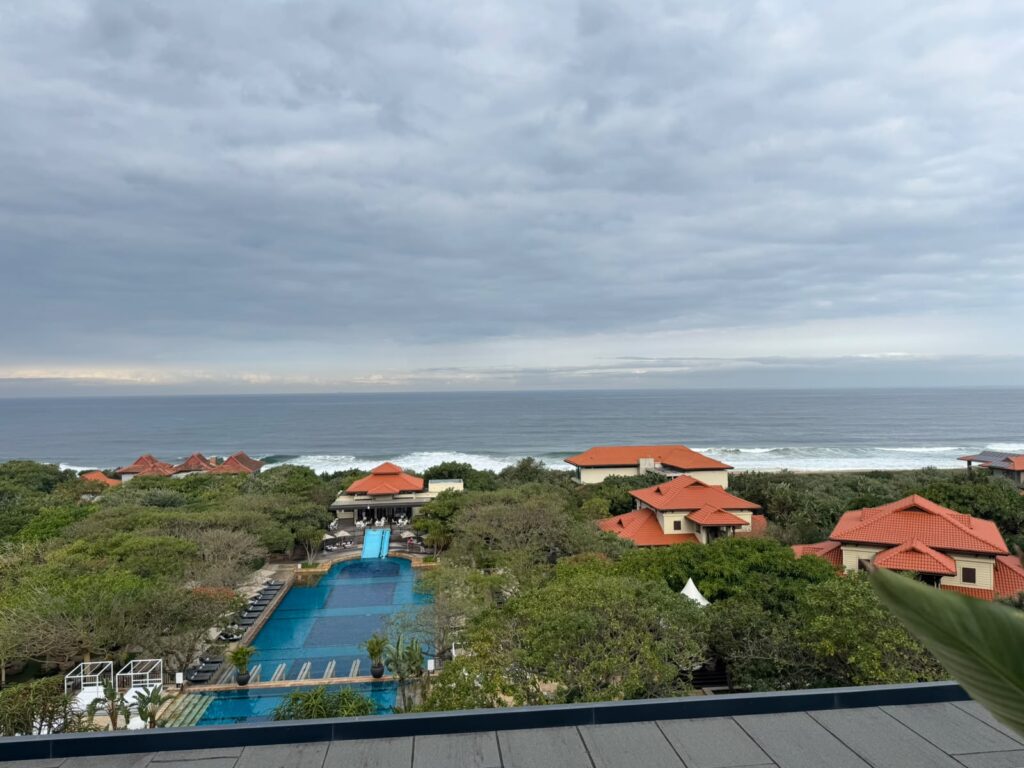
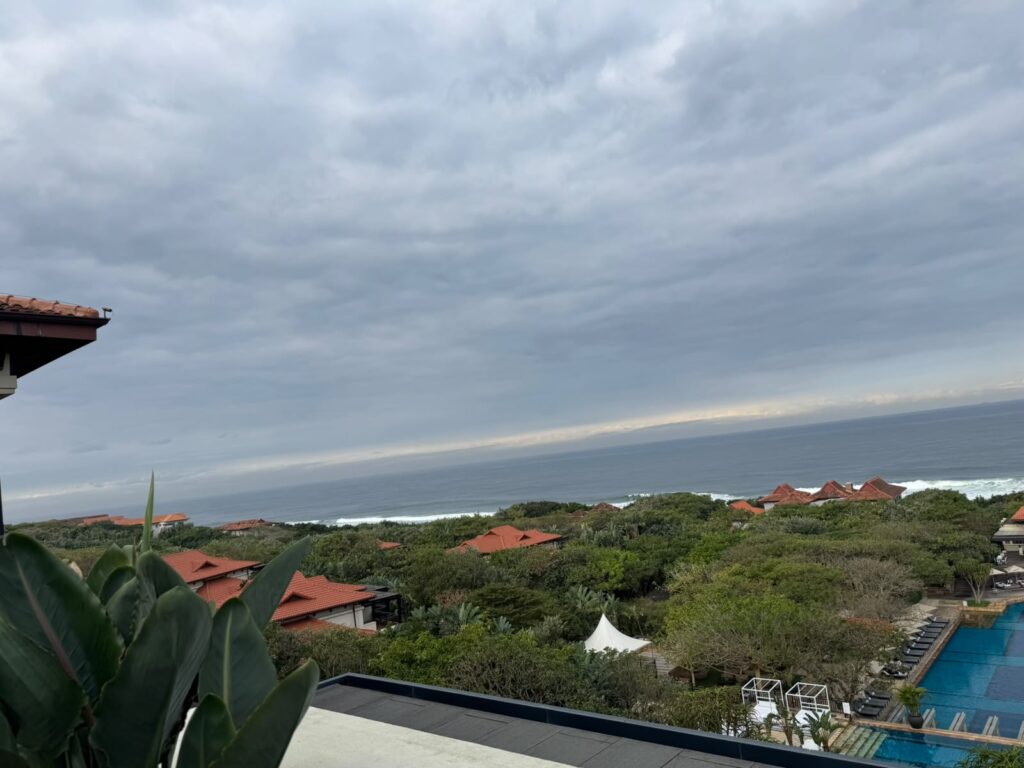
Following the strategic discussions, delegates continued the benchmarking programme with guided visits to the Zimbali Estate and Oceans Mall.
The delegation toured hospitality, retail and conference facilities while examining integrated precinct management, destination development and mixed-use investment planning.
Discussions also explored enterprise development initiatives supporting local SMMEs through business mentorship, access to finance and procurement readiness programmes, providing further practical insights into how private investment can create inclusive local economic growth.
Towards the Eastern Cape Investment Lekgotla
The Durban benchmarking visit concluded with a shared recognition that the Eastern Cape possesses substantial investment opportunities across logistics, manufacturing, higher education infrastructure, tourism, renewable energy, agriculture and commercial property development.
The delegation also identified opportunities for continued engagement with Growthpoint Properties and international partners ahead of the Eastern Cape Investment Lekgotla.
By benchmarking successful investment models, strengthening public-private collaboration and promoting investment-ready municipalities, SALGA Eastern Cape is laying the foundation for a new era of municipal-led economic development.
For international investors seeking emerging opportunities in South Africa, the message from Durban was clear: the Eastern Cape is actively preparing itself to become a more competitive, collaborative and investment-ready province capable of delivering sustainable growth, long-term partnerships and inclusive economic prosperity.