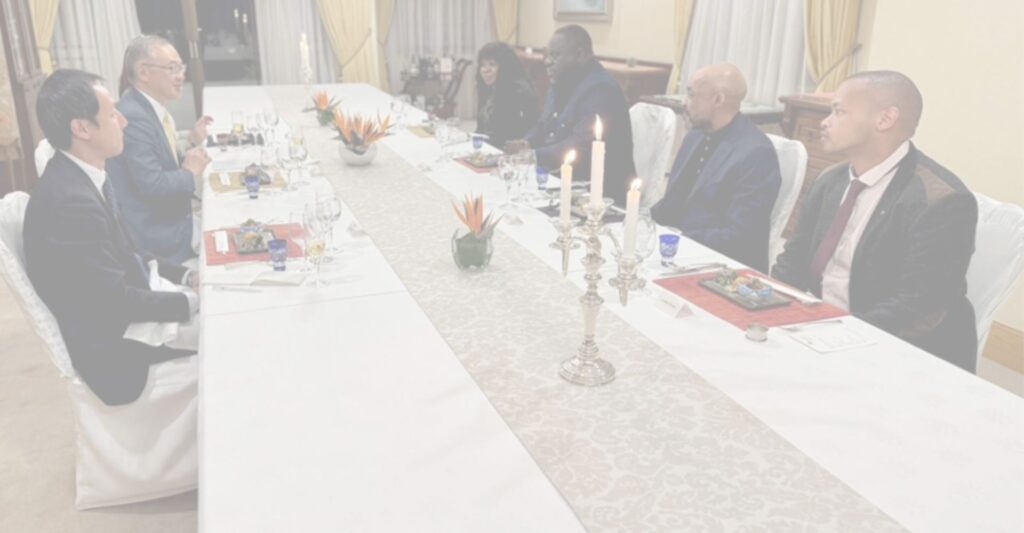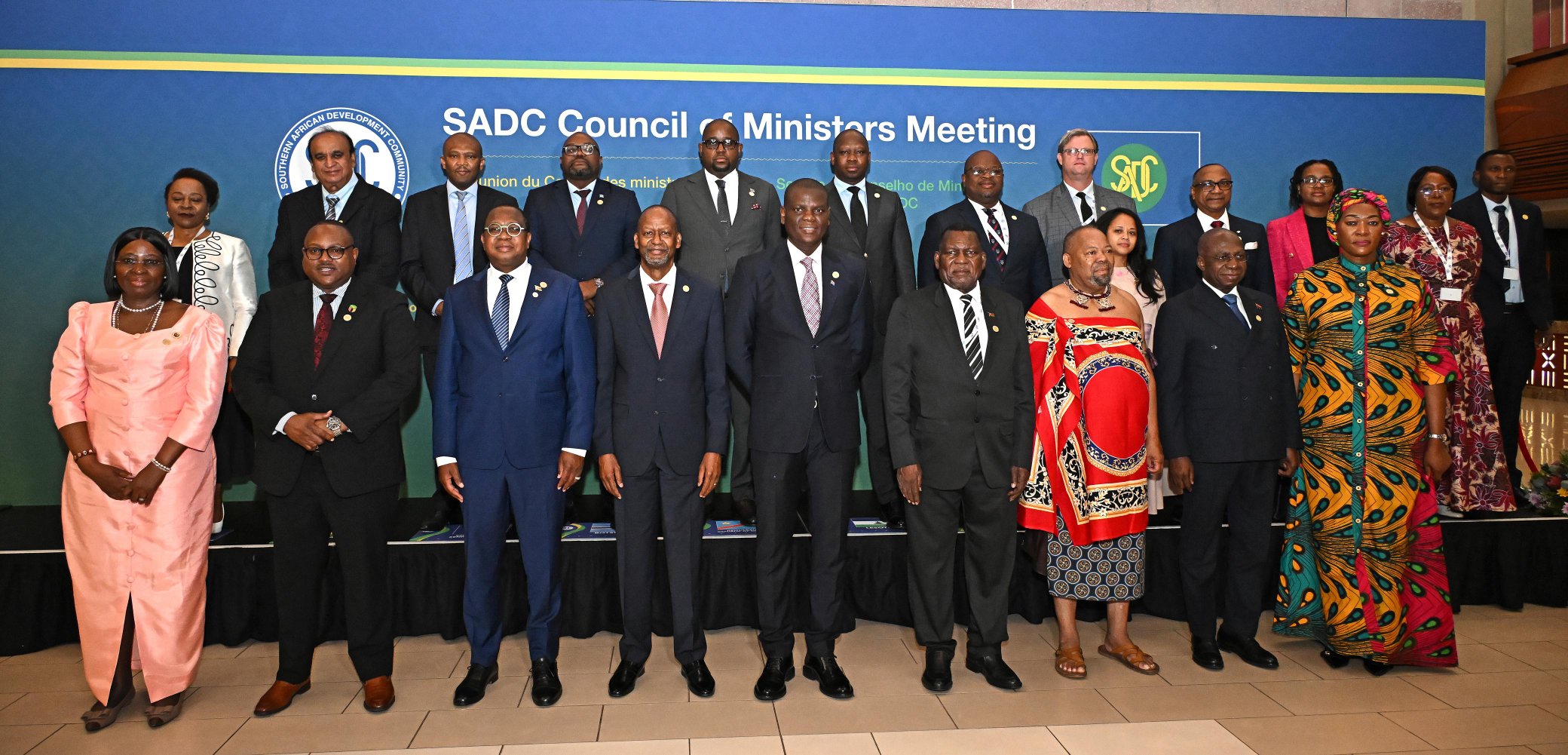
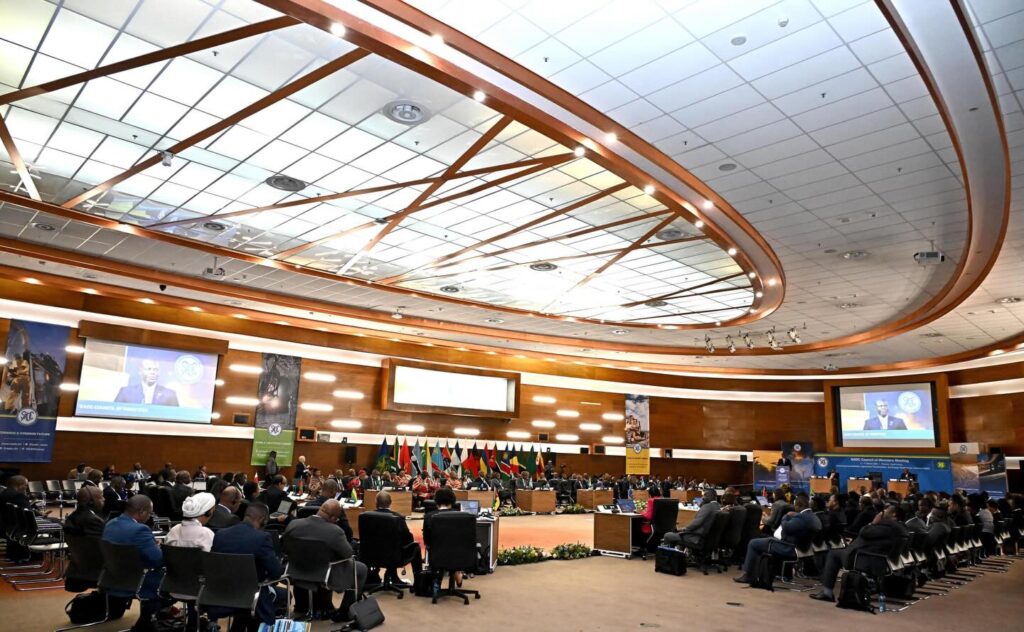
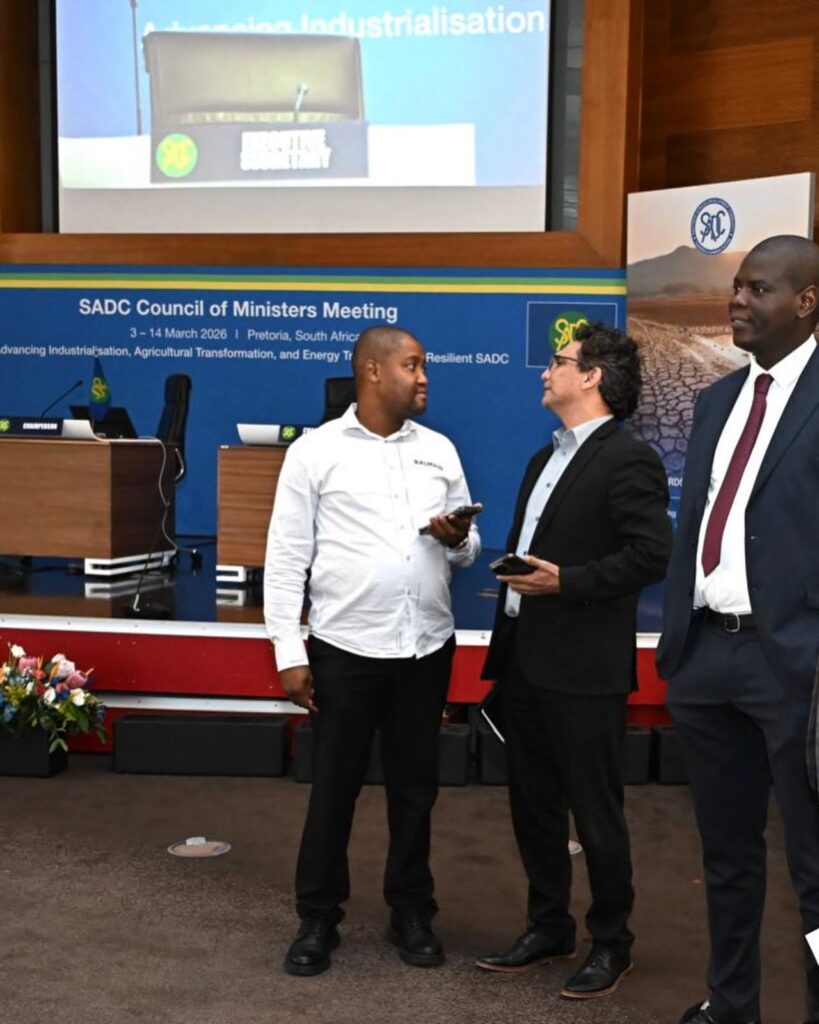
In March 2026, the diplomatic corridors of Southern African Development Community (SADC) came alive in Pretoria, where foreign ministers and senior officials from across Southern Africa gathered for the Ordinary Meeting of the SADC Council of Ministers hosted by Department of International Relations and Cooperation (DIRCO).
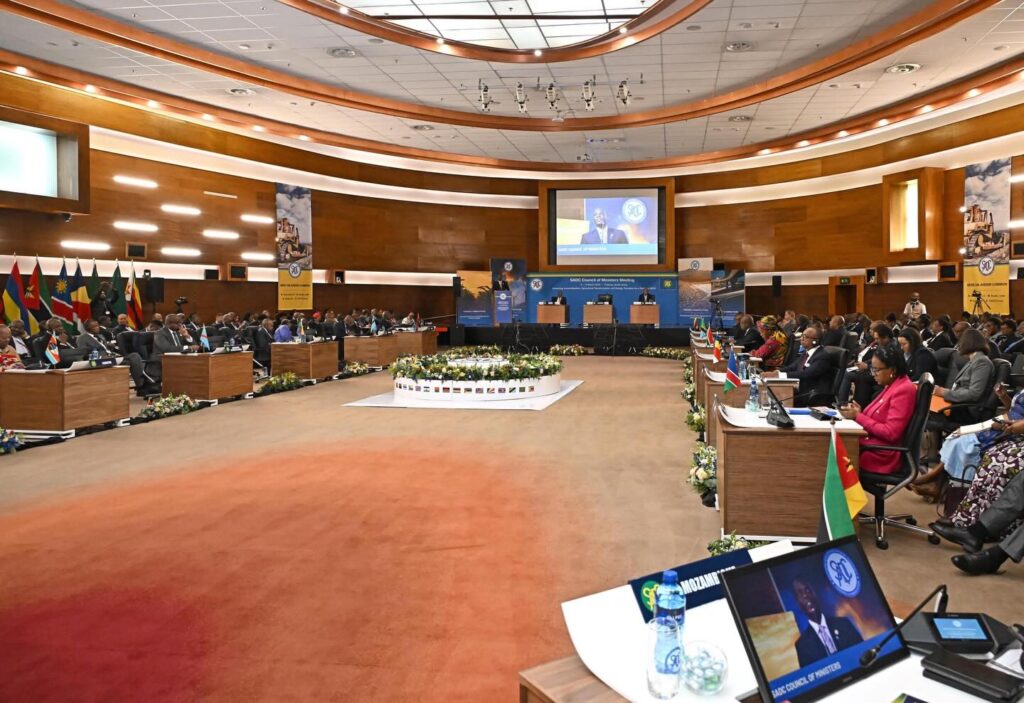
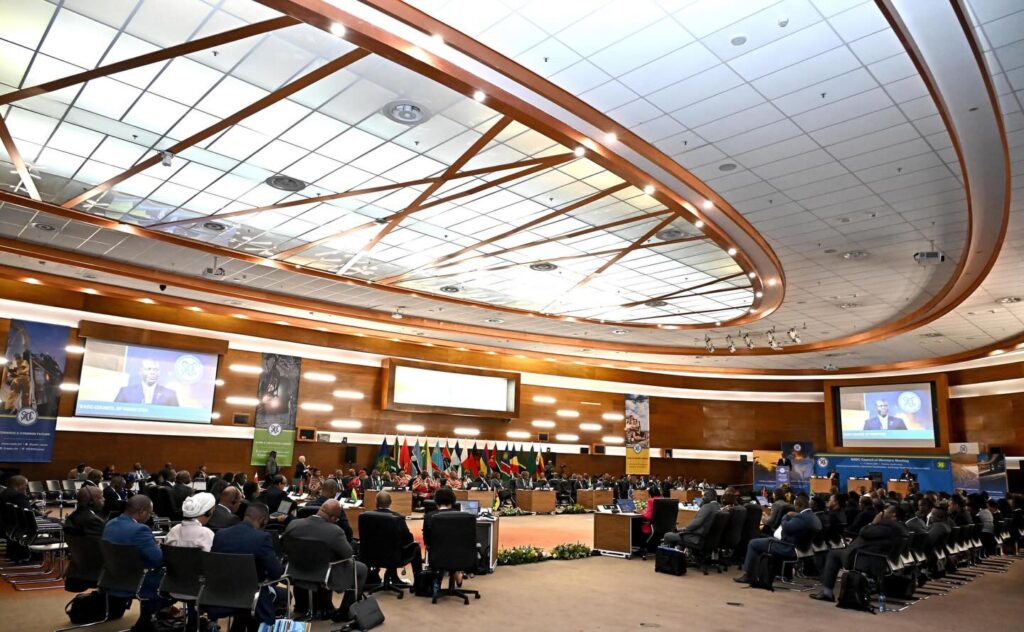
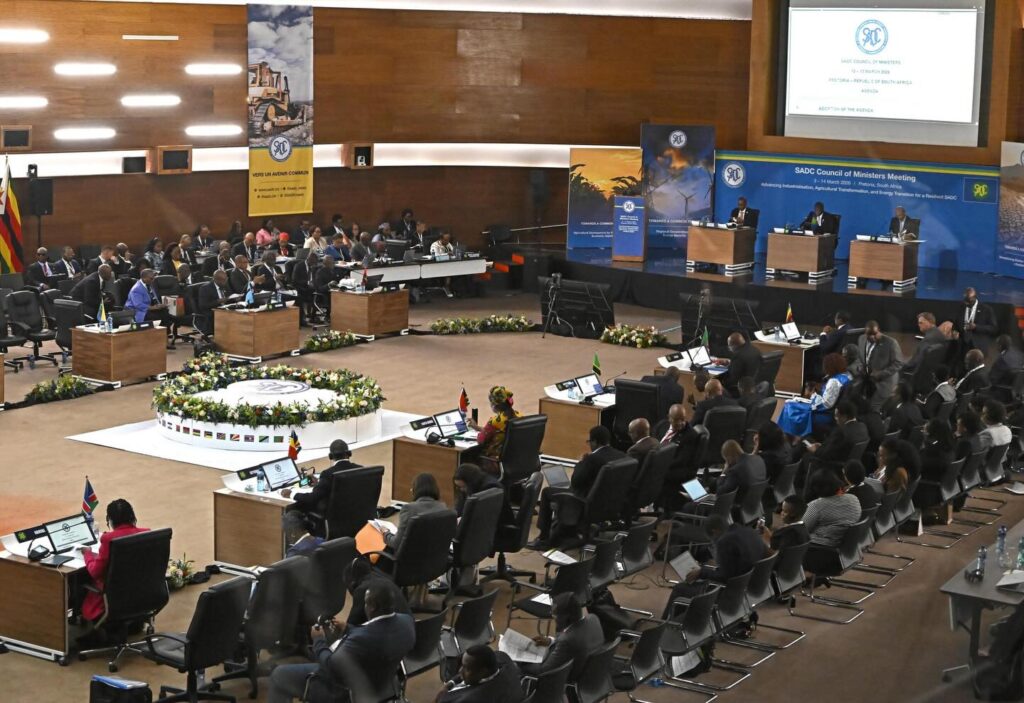
Held from 12–13 March 2026 at the OR Tambo Building, the meeting brought together regional leaders, diplomats, and technical experts to chart the next phase of Southern Africa’s integration and development agenda.
Under the theme “Advancing Industrialisation, Agricultural Transformation, and Energy Transition for a Resilient SADC,” the gathering was not merely a formal meeting—it was a week of diplomacy, negotiations, and strategic partnerships shaping the region’s future.
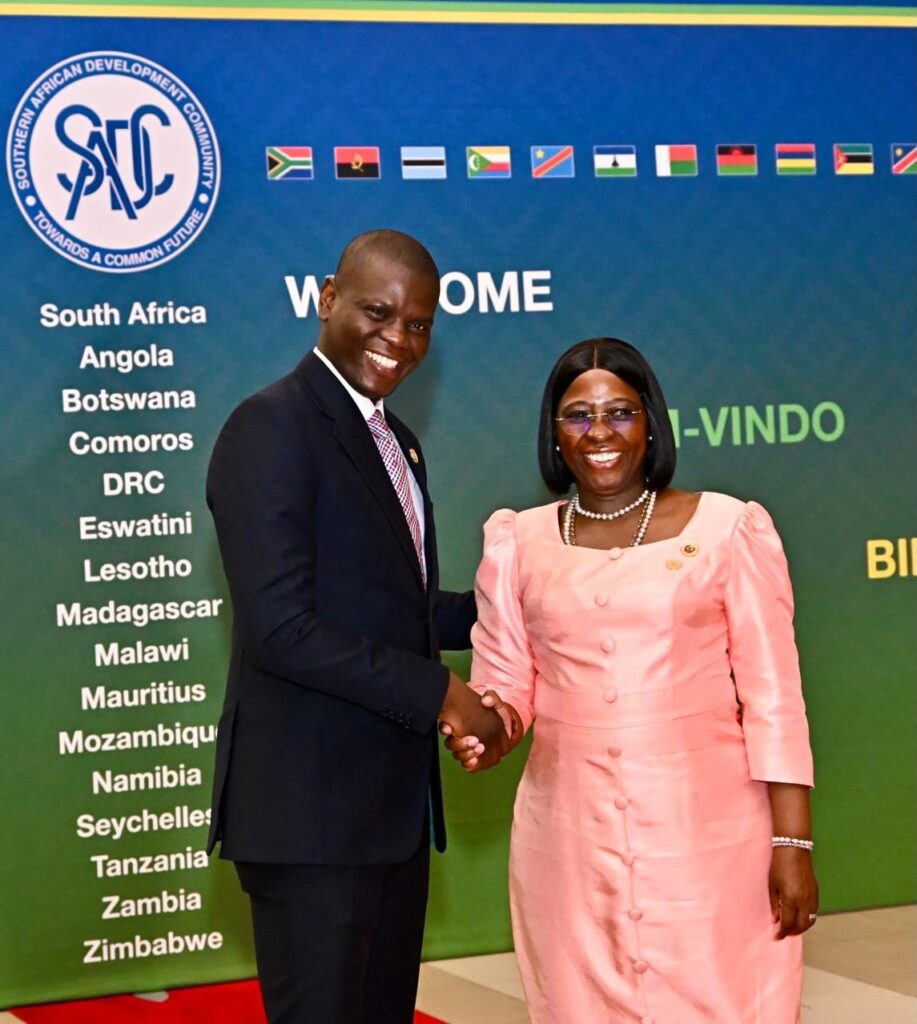
Arrival of Ministers: Pretoria Becomes Southern Africa’s Diplomatic Hub
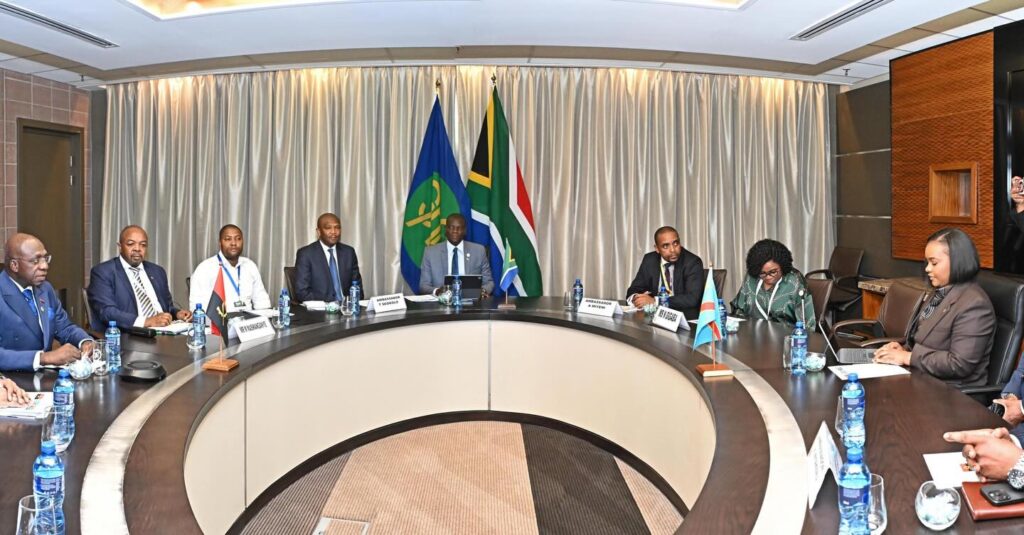
As delegations arrived at the OR Tambo Building in Pretoria, the atmosphere reflected the significance of the meeting. Foreign ministers and senior officials from the 16 SADC member states convened for the Council session, preceded by meetings of technical committees and senior officials earlier in the week.
South Africa hosted the gathering in its capacity as Interim Chair of SADC, a role it assumed in November 2025 and will hold until the next Summit in August 2026.
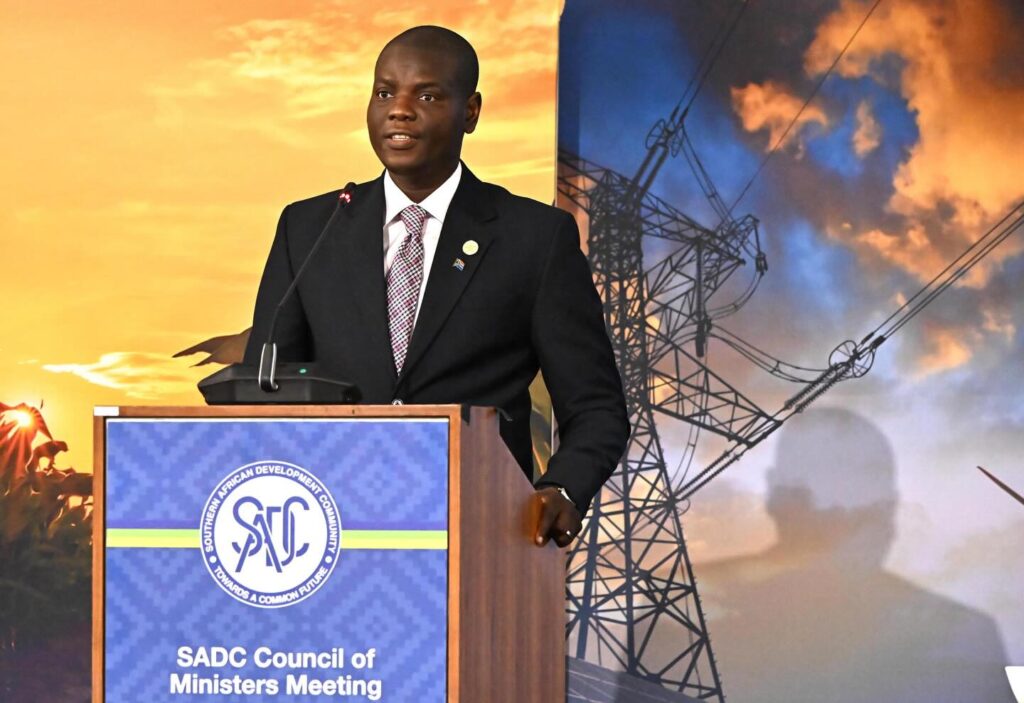
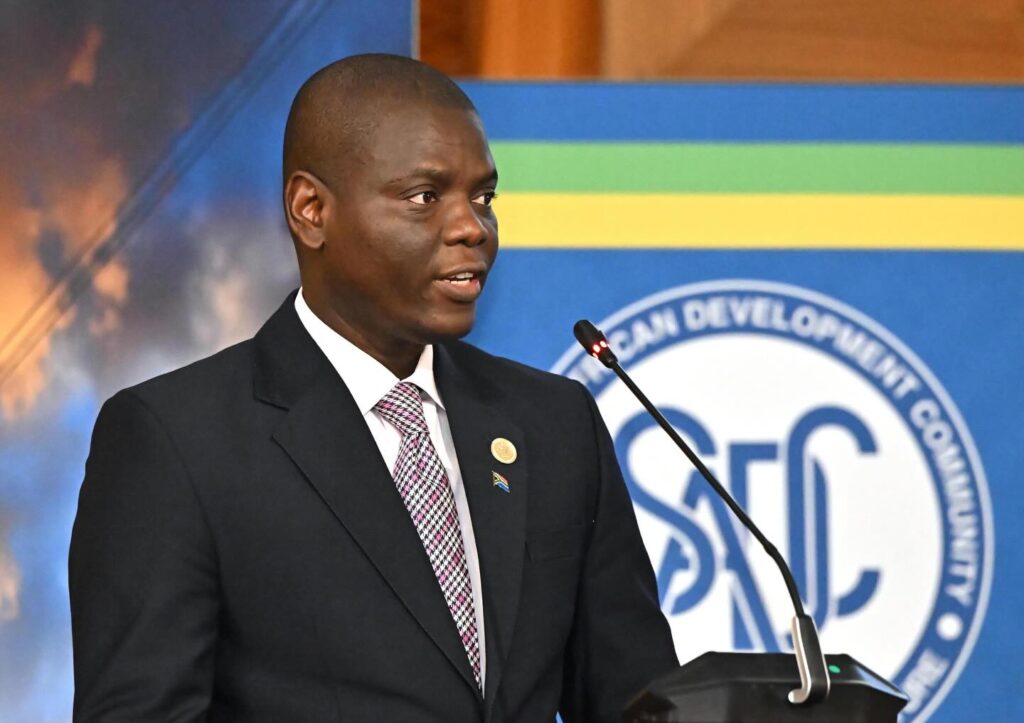
The session was chaired by Ronald Lamola, South Africa’s Minister of International Relations and Cooperation, who welcomed ministers and delegations from across the region.
In his opening remarks, Lamola emphasized that the credibility of regional integration depends on the implementation of commitments that improve the lives of citizens, particularly through jobs, food security, and energy access.
The Policy Agenda: Industrialisation and Energy Transition
At the heart of the Council’s deliberations was the region’s long-term strategy for economic transformation.
Ministers reviewed progress on regional programmes linked to the Regional Indicative Strategic Development Plan (RISDP) 2020–2030, the blueprint guiding SADC’s development agenda.
Discussions focused on several major priorities:
- Industrial Development and Market Integration– Ministers explored ways to strengthen regional value chains and increase trade among SADC states, particularly in manufactured goods.
- Agricultural Transformation– Food security remains central to the region’s agenda, with countries exploring collaboration on climate-resilient agriculture and improved food systems.
- Energy Transition– Energy cooperation was a major topic, particularly expanding renewable energy capacity and improving electricity access across borders.
The meeting highlighted notable progress in infrastructure and energy development, including the addition of more than 14,000 megawatts of new generation capacity across the region, with renewables increasingly forming a larger share of the energy mix.

Behind the Scenes: Diplomacy Through Bilateral Meetings
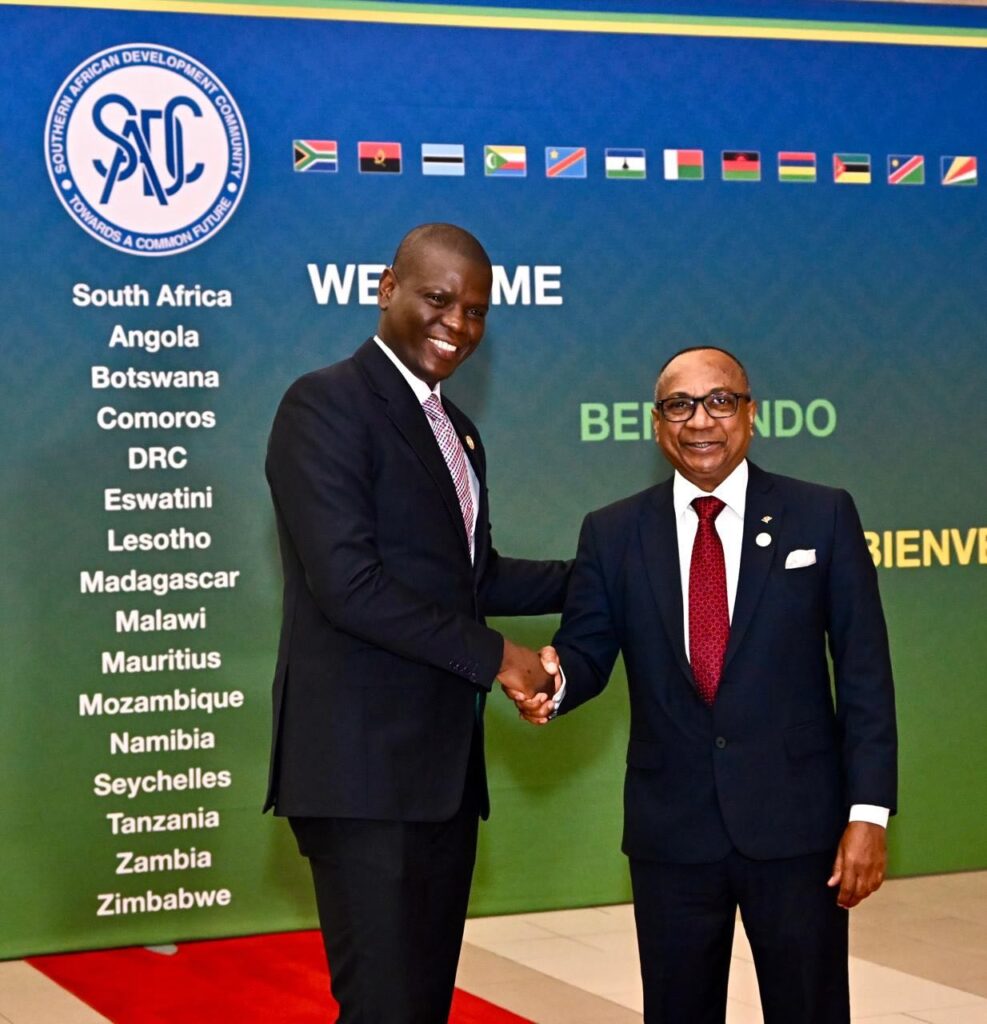
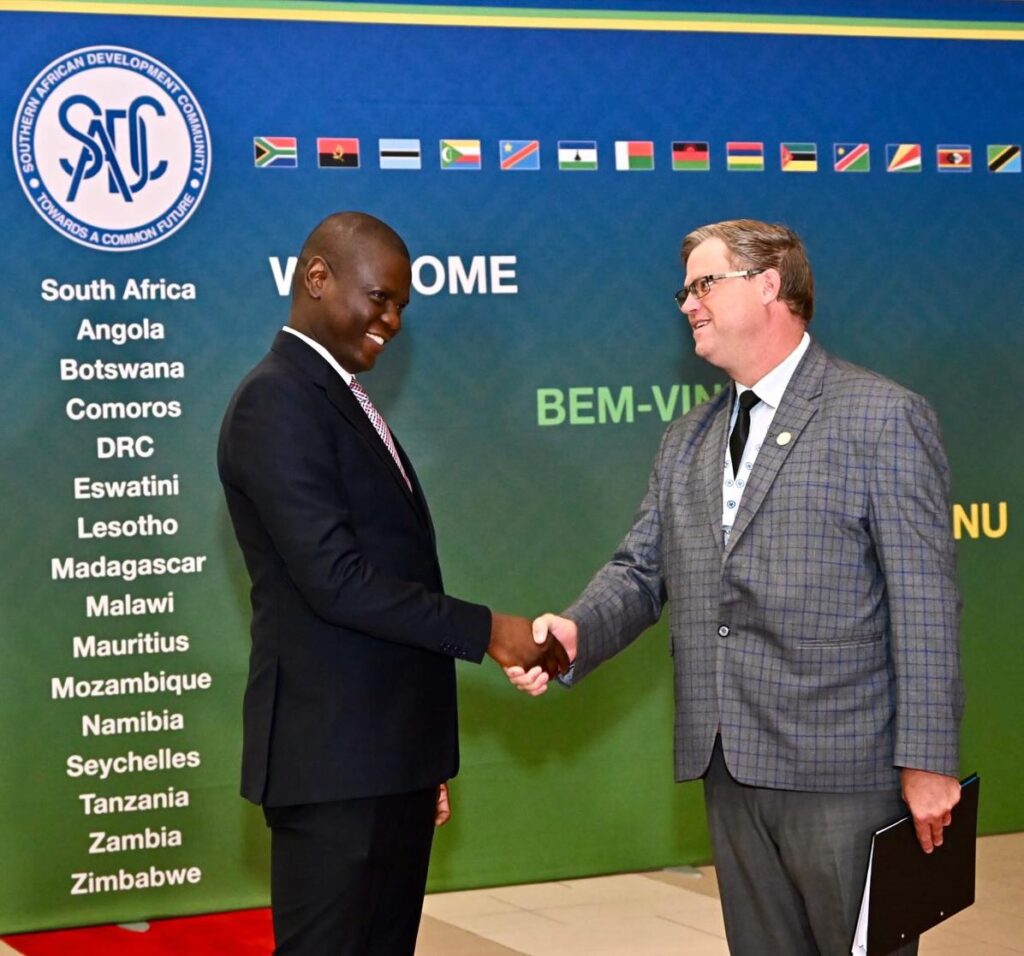
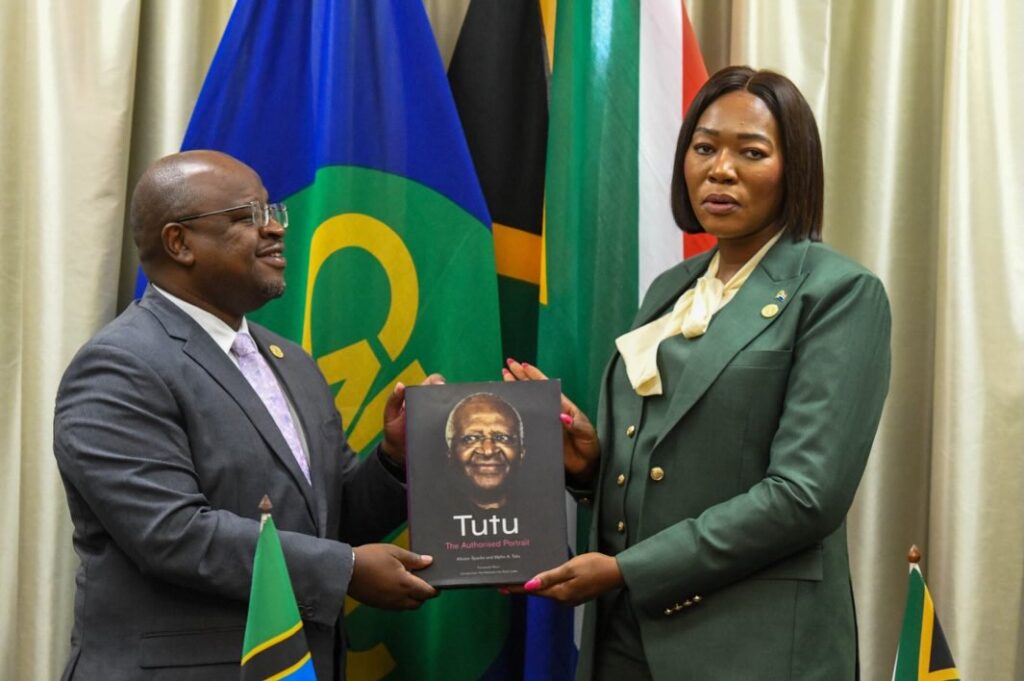
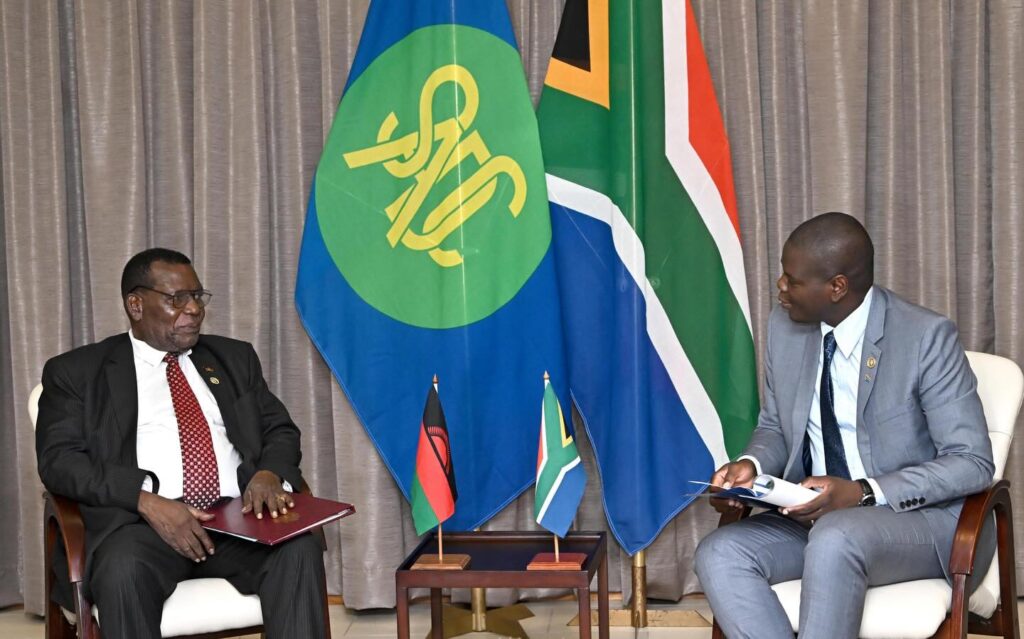
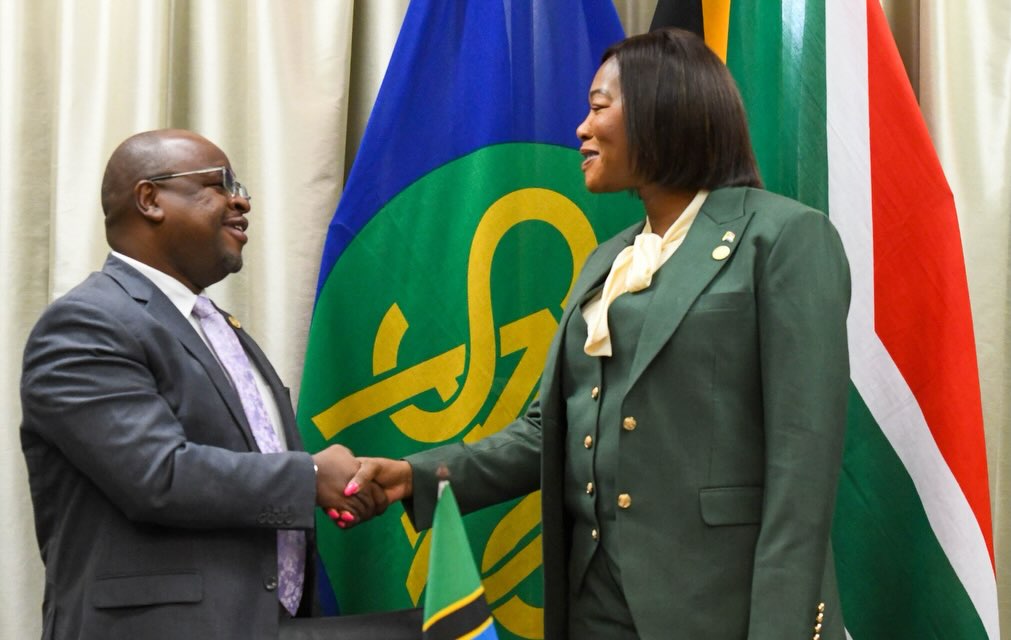
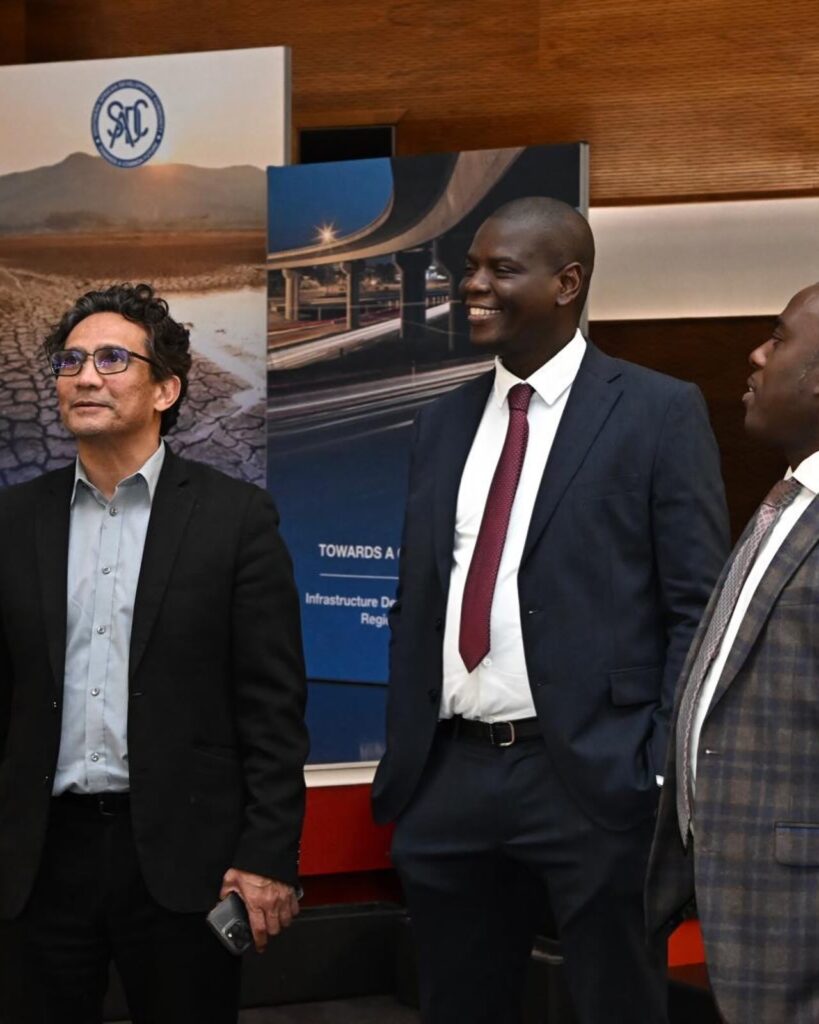
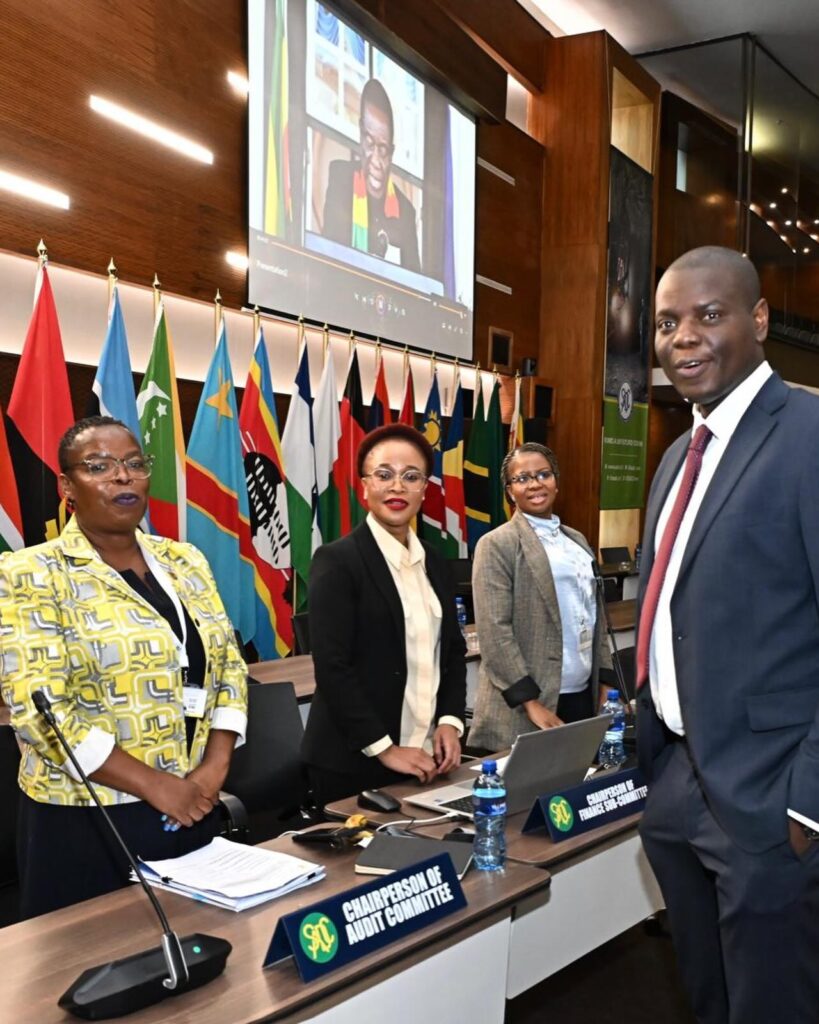
Beyond the formal plenary sessions, the corridors of the OR Tambo Building became venues for intensive bilateral diplomacy.
Foreign ministers and senior officials held a series of side meetings aimed at strengthening political cooperation, trade partnerships, and regional security coordination.
For South Africa, the meeting offered an opportunity to deepen relations with neighbouring states and align positions on regional priorities such as:
- infrastructure corridors
- regional trade integration
- energy interconnectivity
- peace and security challenges
These engagements are a key feature of multilateral diplomacy: while ministers gather under one regional platform, the sidelines often produce bilateral understandings that shape future cooperation.
Signing Partnerships: Strategic MoUs for Regional Development
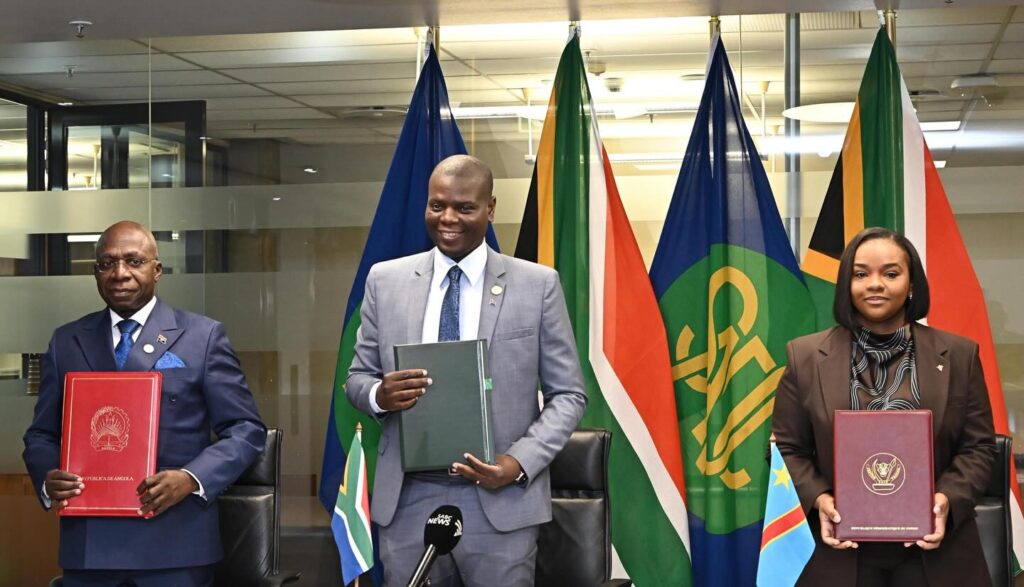
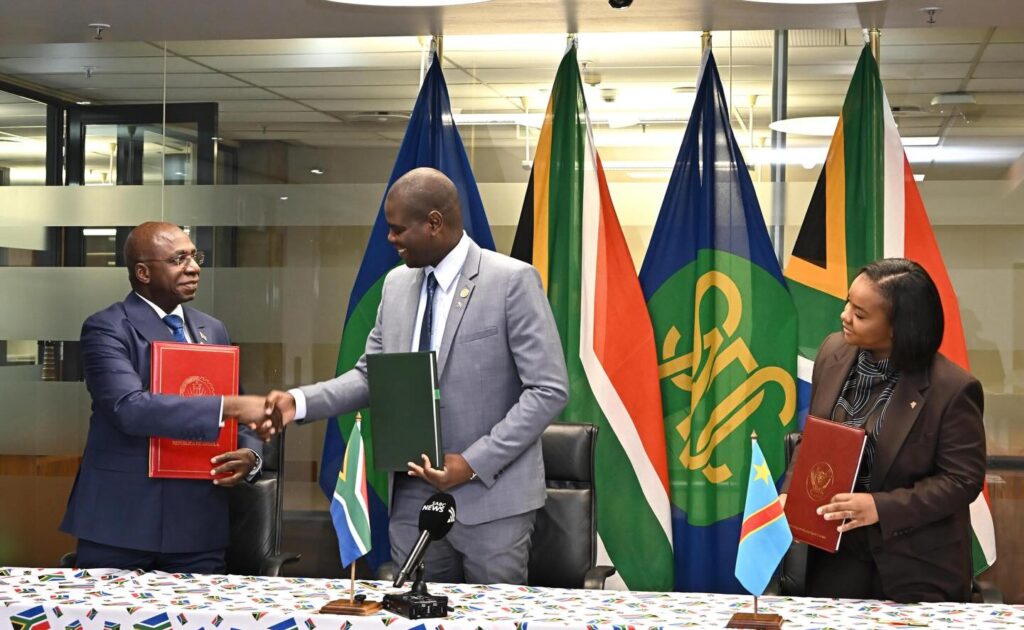
One of the most tangible outcomes of the meeting was the signing and approval of three Memoranda of Understanding (MoUs) designed to strengthen partnerships between SADC and international organisations.
The agreements were concluded between SADC and:
- World Food Programme (WFP)
- African Wildlife Economy Institute
- Government of Japan
These agreements are aimed at supporting regional priorities such as food security, sustainable economic development, and environmental protection.
The partnerships also align with broader continental and global frameworks, including the African Union Agenda 2063 and the United Nations Sustainable Development Goals.
Peace, Security and Stability in the Region
Regional peace and security were also prominent on the agenda.
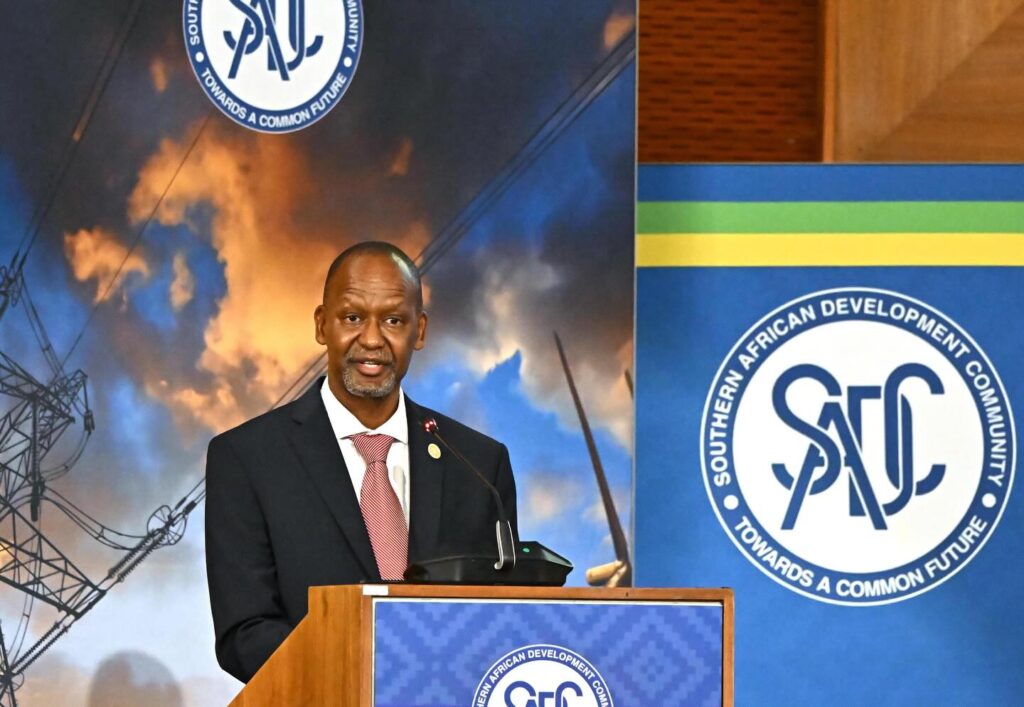
Elias Magosi, Executive Secretary of SADC, reminded delegates that sustainable development cannot be achieved without stability.
Conflicts and governance challenges in parts of the region—including situations in the Democratic Republic of the Congo and Madagascar—remain areas where SADC continues diplomatic engagement to support peace processes.
Magosi noted that peace and security are foundational to economic growth and regional integration, warning that instability undermines investment and development efforts.

Concrete Decisions: The Roadmap for 2026–2027
As the meeting concluded, the Council adopted several key decisions to guide the organisation’s work over the next year.
Among the most important outcomes was the approval of the SADC Secretariat’s 2026–2027 Annual Corporate Plan, which sets out programmes and outputs aligned with the RISDP priorities.
The Council also endorsed funding for 12 regional projects under the SADC HIV and AIDS Special Fund, focusing on prevention, mental health integration, and support for vulnerable populations.
In addition, ministers agreed to convene a special meeting of foreign ministers to assess the impact of evolving geopolitical developments on the region.
Looking Ahead: Toward the SADC Summit in South Africa
The Pretoria meeting was more than an annual administrative gathering—it was a preparatory step toward the 46th SADC Summit of Heads of State and Government, scheduled to take place in eThekwini, South Africa, later in 2026.
As ministers departed Pretoria, the message from the Council was clear: Southern Africa’s future depends on moving from commitments to implementation.
If the discussions in Pretoria translate into concrete action—new infrastructure, expanded trade, stronger energy systems, and sustained peace—the meeting will be remembered not simply as another diplomatic gathering, but as a turning point in the region’s pursuit of shared prosperity.
Images: DIRCO