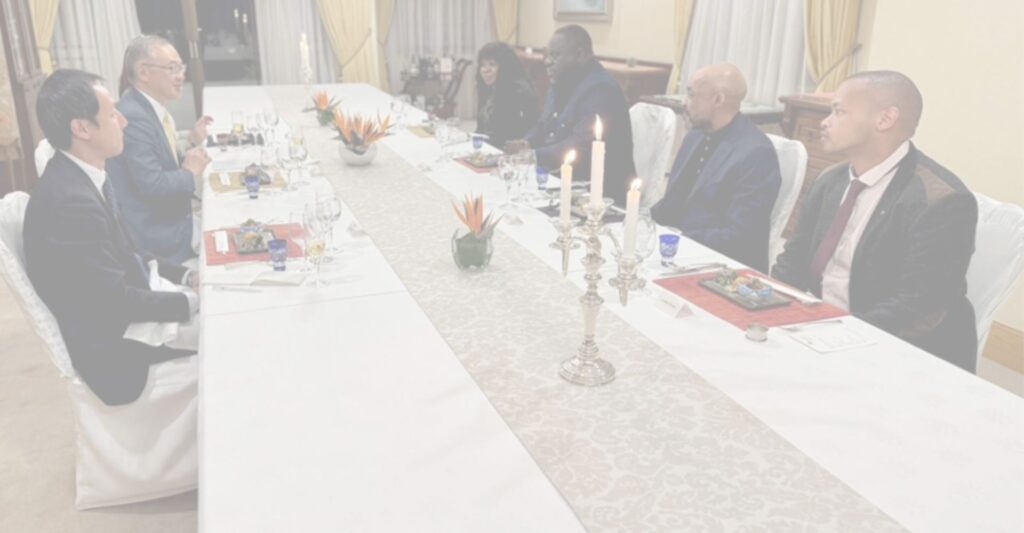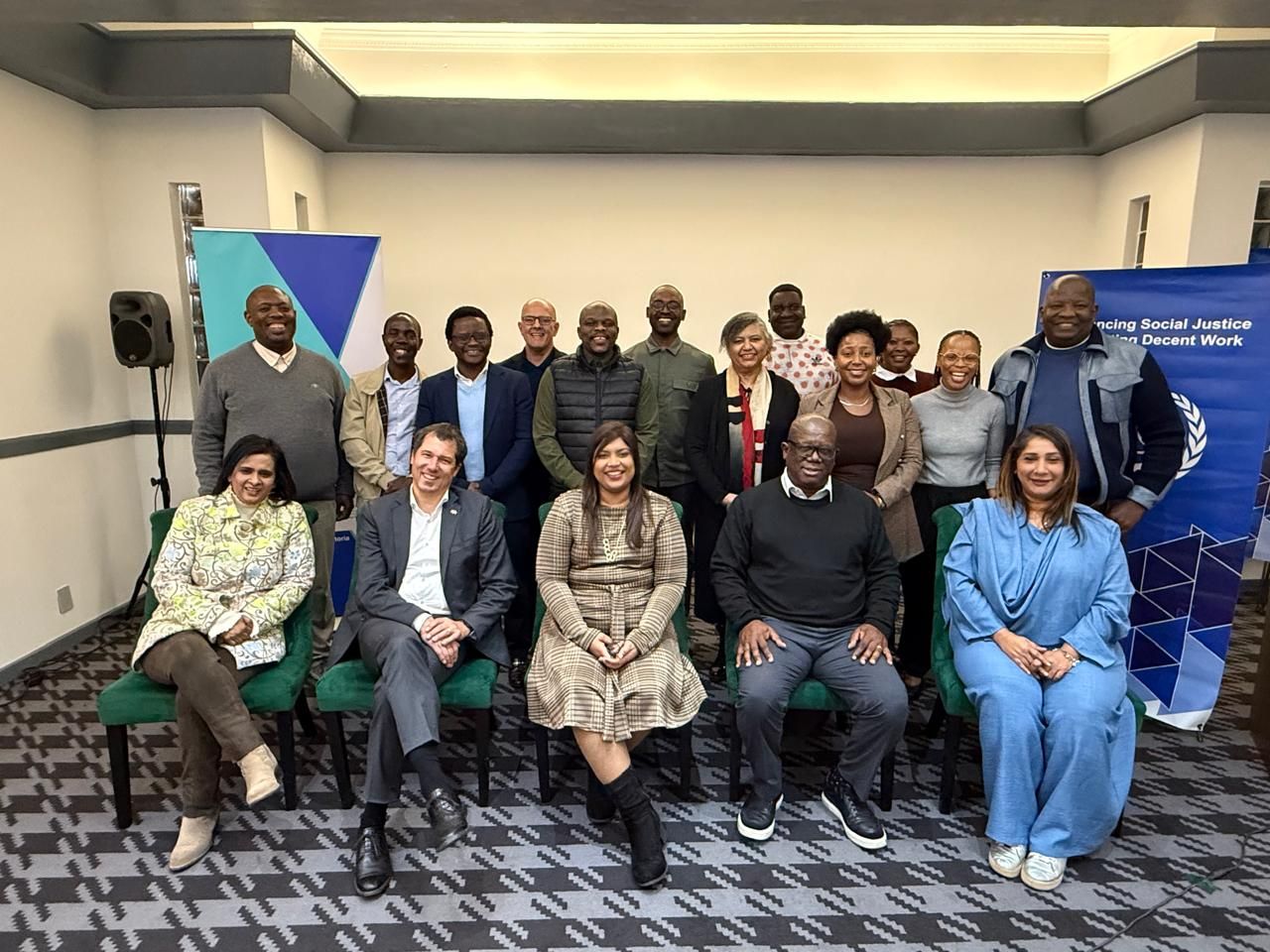
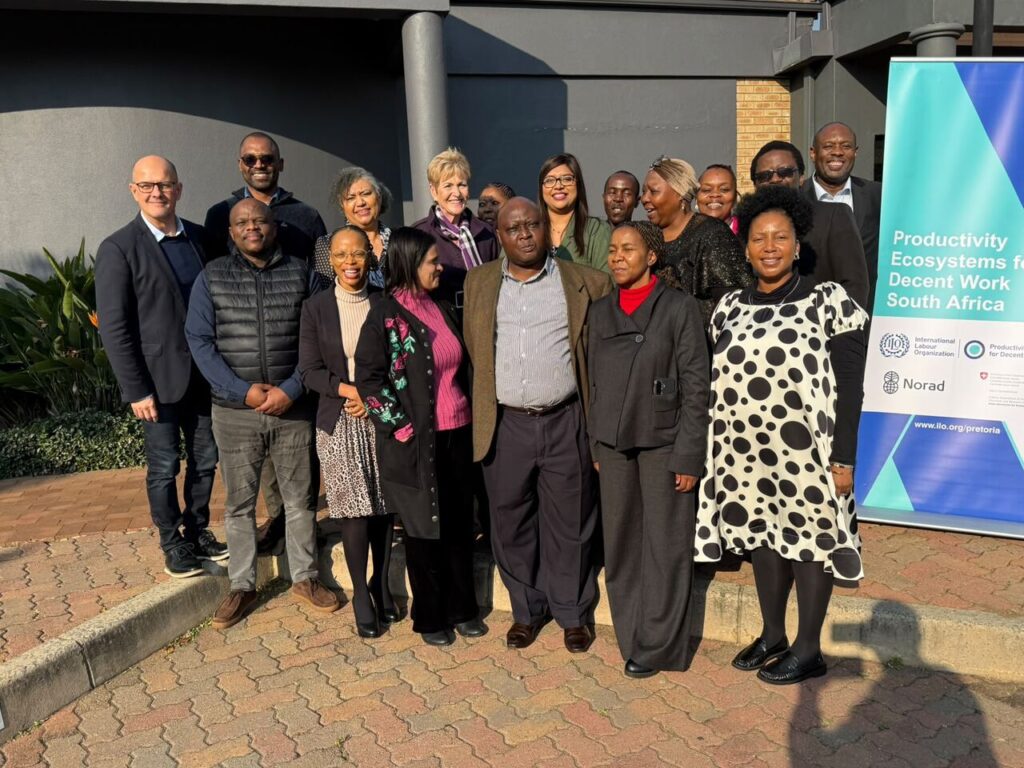
Representatives from government, business, labour, employers’ organisations, development partners and implementing agencies convened in Boksburg from 28 to 29 July 2026 for a Project Advisory Committee (PAC) meeting of the Productivity Ecosystems for Decent Work (PE4DW) programme.
The two-day engagement provided an opportunity to reflect on the implementation of the programme’s first phase, share lessons from practical interventions and discuss strategic priorities for sustaining and strengthening productivity improvements in South Africa.
A Partnership Between the ILO, Switzerland and Norway
The Productivity Ecosystems for Decent Work programme is implemented by the International Labour Organization (ILO) and was developed with the support of the Swiss State Secretariat for Economic Affairs (SECO) and the Norwegian Agency for Development Cooperation (Norad).
Importantly, Phase 1 of the project was co-funded by SECO and Norad, making both Switzerland and Norway significant international partners in the programme. SECO’s official project documentation identifies South Africa, Ghana and Viet Nam as countries covered by the programme and records a CHF 9.08 million SECO contribution to the programme.
The ILO describes PE4DW as an initiative designed to address productivity and decent-work deficits at the policy, sectoral and enterprise levels, with the objective of creating a stronger relationship between productivity growth, enterprise competitiveness and decent employment.
The programme was piloted in Ghana, South Africa and Viet Nam, with the South African component focusing particularly on productivity challenges in the automotive and leather and footwear sectors.
Reflecting on Phase 1 in South Africa
The Boksburg PAC meeting brought together stakeholders to assess progress during Phase 1 and consider the lessons emerging from implementation.
Participants combined practical implementation experience with strategic planning. Discussions included the achievements and lessons of the first phase, findings and recommendations from the programme’s evaluation, and priorities that could guide future work.
The discussions also placed emphasis on how productivity interventions can be sustained beyond the lifespan of a project by strengthening institutional ownership among participating stakeholders.
Taking the Programme into the Enterprise Environment
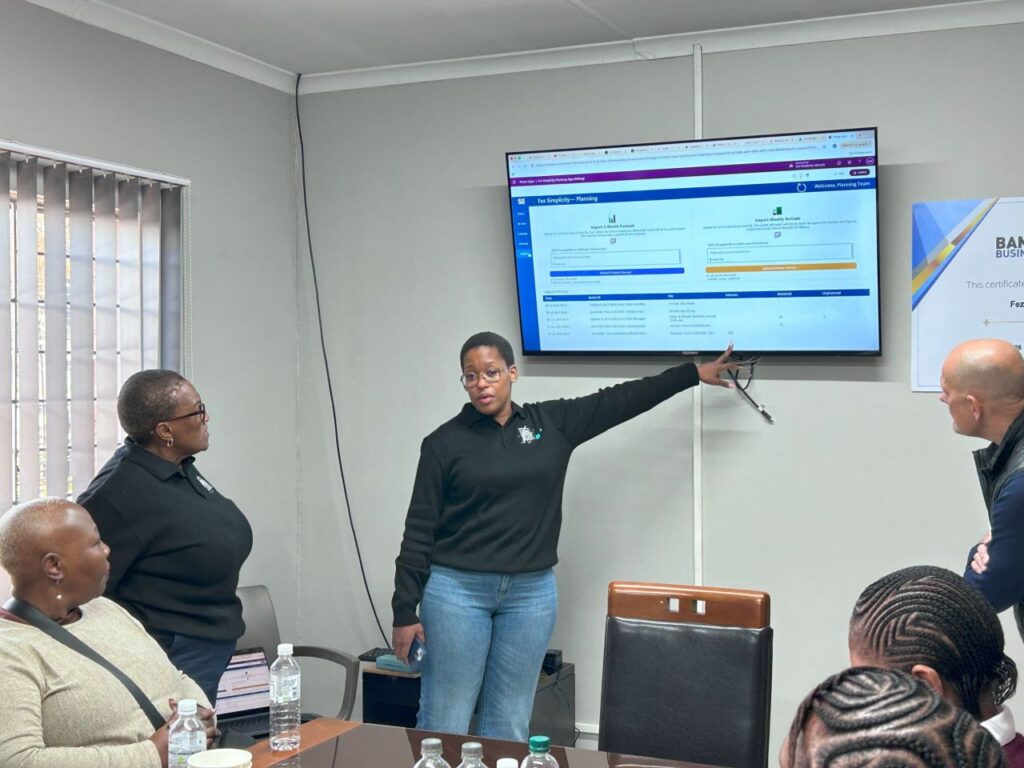
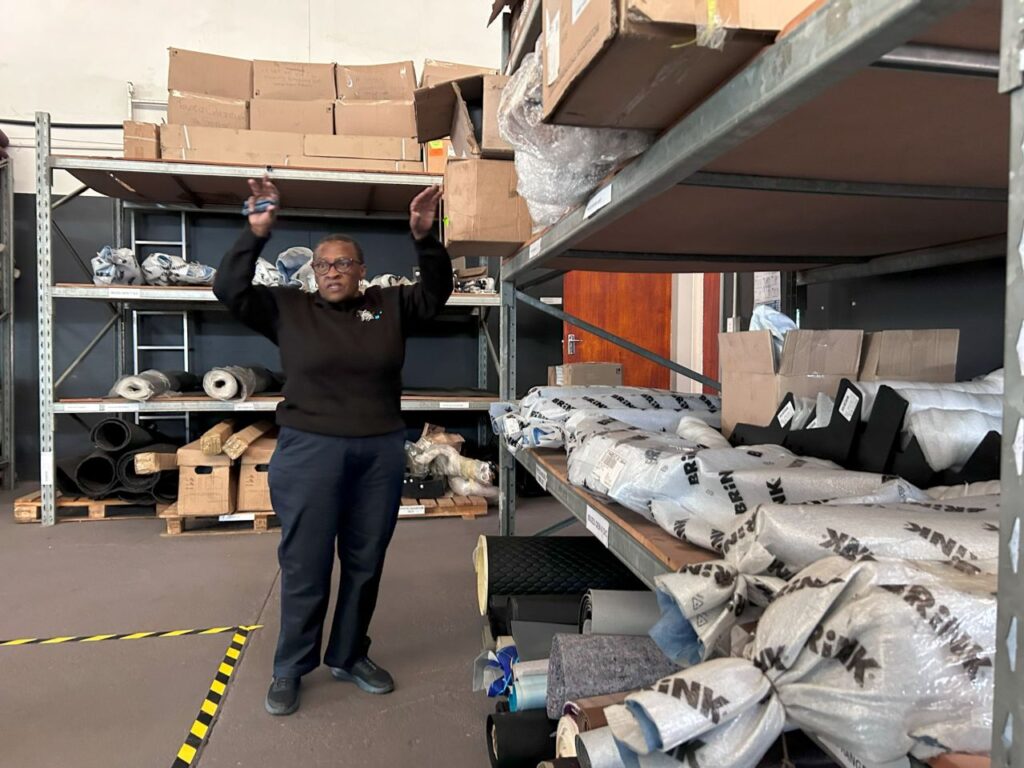
A key component of the two-day meeting was a visit to Fez Simplicity, an automotive enterprise in Alberton.
Participants visited the business to observe productivity improvement initiatives in practice and engage directly with the enterprise about its experience of implementation.
Fez Simplicity is a female-owned enterprise specialising in the sourcing, supply and installation of vehicle accessories, together with custom seat covers and vehicle upholstery.
The enterprise visit provided participants with an opportunity to connect the programme’s broader productivity objectives with the realities of an operating South African business.
It also enabled discussion around how productivity improvements can strengthen enterprise performance while supporting business growth and employment.
From Evidence to Strategic Action
The PAC meeting further focused on translating evidence from the programme into strategic action.
Participants reviewed findings and recommendations from the programme’s evaluation, assessed the achievements and lessons of Phase 1, and discussed priorities for future programme design.
A particular emphasis was placed on scaling impact and strengthening institutional ownership among project stakeholders.
This is consistent with the wider PE4DW model, which seeks to build the capacity and ownership of local and national actors rather than relying solely on direct project interventions. SECO’s project documentation describes the programme as seeking lasting change through stronger local and national capacity across enterprise, sectoral and national levels.
Government, Business and Labour at the Centre
Although international development partners have supported the programme financially and technically, the South African productivity agenda is being pursued through a broad domestic stakeholder network.
The programme’s South African implementation has involved institutions including Productivity South Africa, the Department of Trade, Industry and Competition, the Department of Small Business Development, National Treasury, the Office of the President, Business Unity South Africa (BUSA), COSATU, NACTU and FEDUSA.
The participation of government, employers and workers’ organisations reflects the importance of social dialogue in the PE4DW approach.
The objective is not simply to increase output or efficiency, but to create conditions in which greater productivity can contribute to stronger enterprises, competitiveness and decent employment.
Focus on South Africa’s Automotive and Leather and Footwear Sectors
South Africa’s PE4DW interventions have placed particular attention on the automotive and leather and footwear sectors.
These sectors provide an important platform for examining the relationship between productivity, enterprise competitiveness, employment and participation in domestic and international value chains.
The programme’s approach recognises that productivity constraints can exist at several levels simultaneously — within individual enterprises, across sectors and within the broader economic and policy environment.
Switzerland and Norway’s Development Partnership
The Boksburg meeting also provides an opportunity to recognise the international development cooperation underpinning the programme.
Switzerland, through SECO, and Norway, through Norad, co-funded Phase 1 of the PE4DW programme, while the ILO serves as the executing agency. This partnership brings together international development finance and technical expertise with South African institutions and stakeholders responsible for addressing productivity and employment challenges.
For Switzerland, the programme forms part of SECO’s wider economic development cooperation, which includes supporting initiatives that promote productivity, competitiveness and fair working conditions in developing and emerging economies. SECO describes the PE4DW approach as seeking a mutually reinforcing relationship between productivity and decent work.