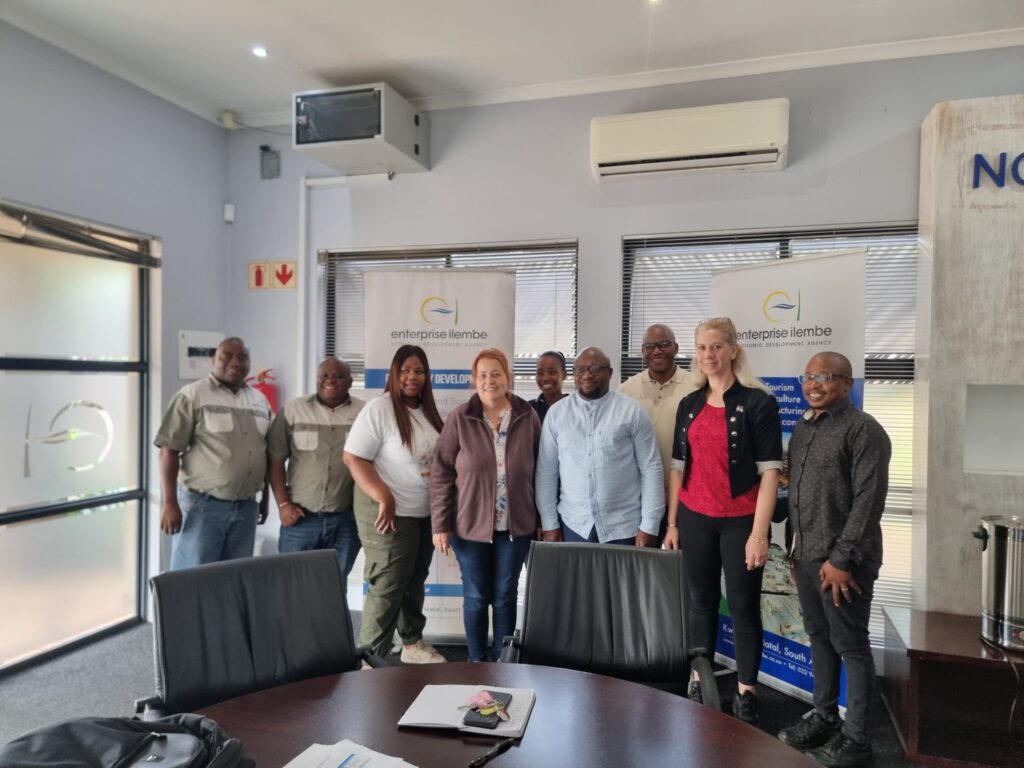
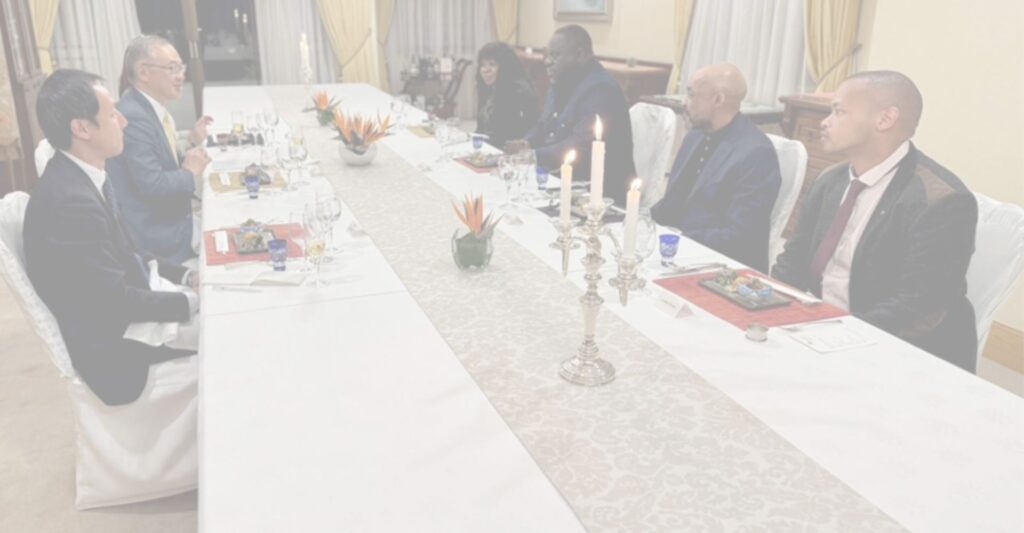
KwaZulu-Natal continues to attract growing international interest as global development agencies seek strategic partnerships that can drive meaningful socio-economic transformation. The latest example comes from the Turkish Cooperation and Coordination Agency (TİKA), whose Pretoria Office recently embarked on a working visit across the province to explore new opportunities for collaboration in community development, skills empowerment and environmental sustainability.
Led by Pretoria Office Coordinator Ms Şule Bayar, the visit included engagements with humanitarian organisations, traditional leadership structures and government stakeholders, highlighting TİKA’s commitment to supporting development initiatives that directly benefit local communities.
KwaZulu-Natal’s Growing Appeal to International Development Partners
As one of South Africa’s most strategically positioned provinces, KwaZulu-Natal continues to emerge as a preferred destination for international development cooperation. Home to major ports, extensive rural communities, vibrant economic sectors and a growing network of development institutions, the province presents significant opportunities for impactful partnerships.
International agencies are increasingly recognising KwaZulu-Natal’s potential as a gateway for sustainable development projects, particularly in areas such as youth empowerment, rural development, agriculture, environmental restoration and women’s economic participation.
TİKA’s latest visit reflects a broader trend of international organisations seeking to collaborate with local stakeholders who are actively addressing community challenges while creating pathways for long-term growth and resilience.
Exploring Youth and Women’s Skills Development in Durban
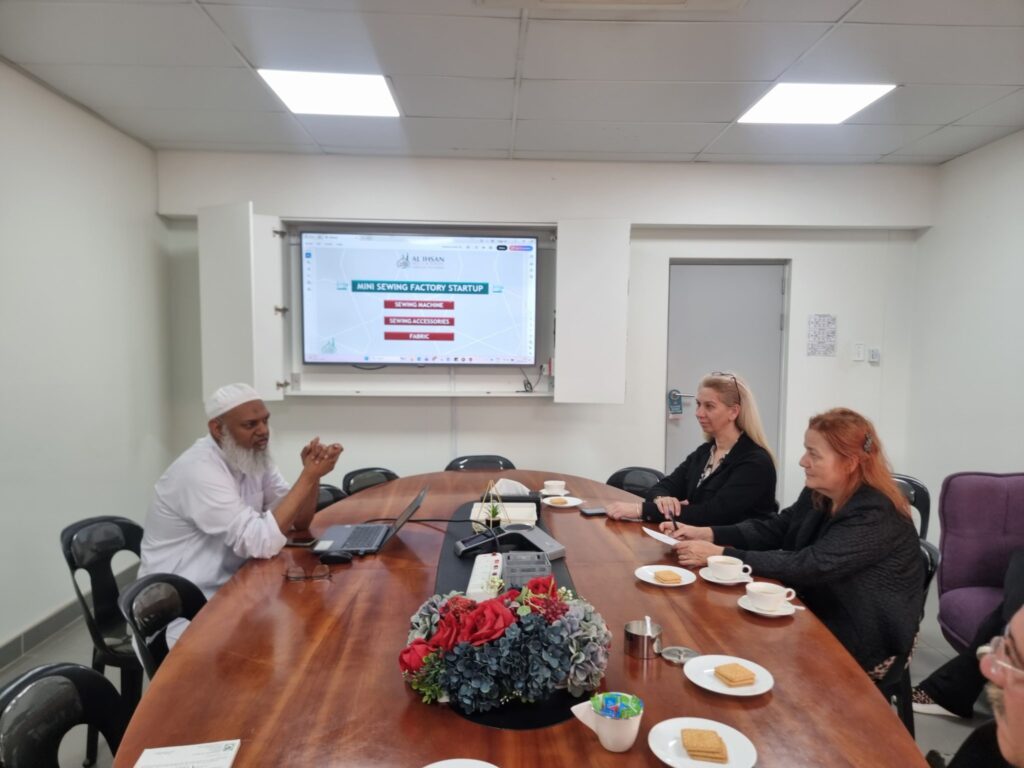
One of the key engagements during the visit saw Ms Şule Bayar meet with representatives of the Darul Ihsan Humanitarian Centre in Durban.
Discussions focused on potential cooperation aimed at strengthening skills development programmes for young people and women. Such initiatives are increasingly important as communities seek practical solutions to unemployment, entrepreneurship development and economic inclusion.
The engagement explored opportunities for future collaboration that could help equip beneficiaries with market-relevant skills while creating avenues for self-employment and sustainable livelihoods.
The discussions align with growing efforts across KwaZulu-Natal to empower youth and women through targeted development interventions that address both social and economic challenges.
Rural Development Opportunities Discussed in Umzimkhulu
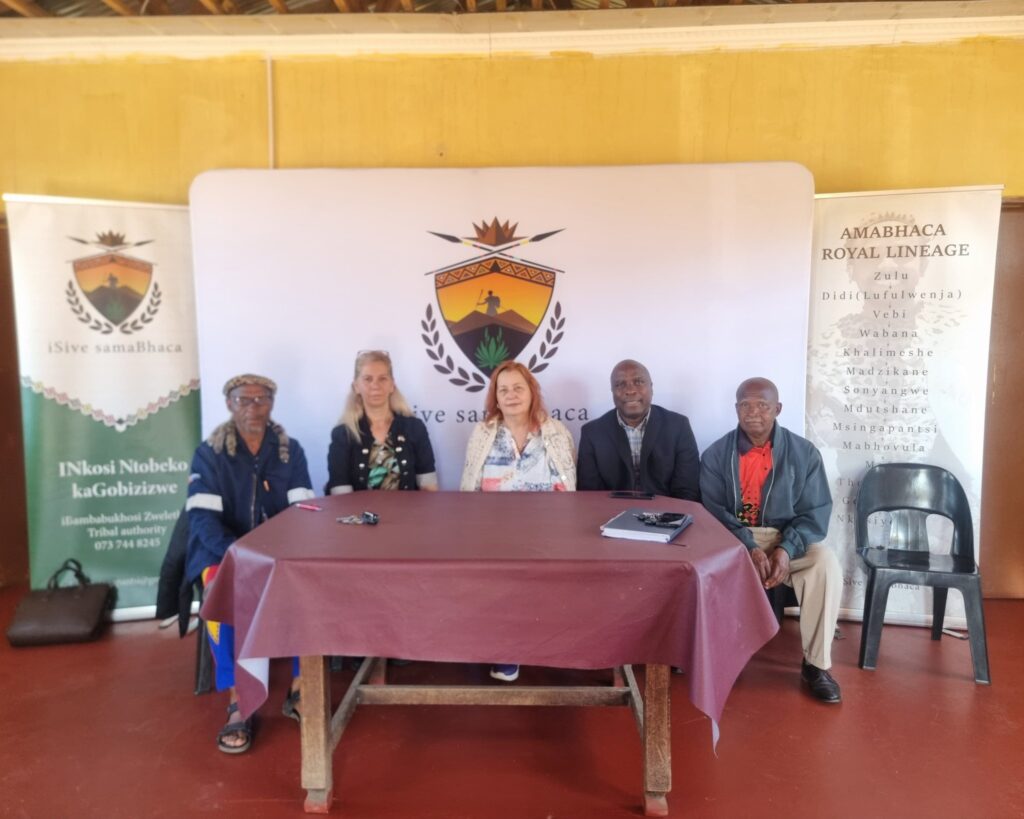
The TİKA delegation also travelled to Antioch under the Umzimkhulu Local Municipality, where Ms Şule Bayar met with the leadership of the Zwelethu Tribal Authority.
The engagement focused on identifying potential areas of cooperation that could contribute to rural community development and improved living conditions for residents.
Traditional leadership institutions remain important partners in rural development across South Africa, often serving as key facilitators of community-based initiatives and local development programmes.
Discussions explored opportunities that could support socio-economic advancement within rural communities, with particular emphasis on projects capable of generating sustainable impact and strengthening community resilience.
The meeting highlighted the importance of collaborative approaches that bring together international development partners and local leadership structures to address development priorities at grassroots level.
Supporting Land Restoration Through the AFR100 Initiative
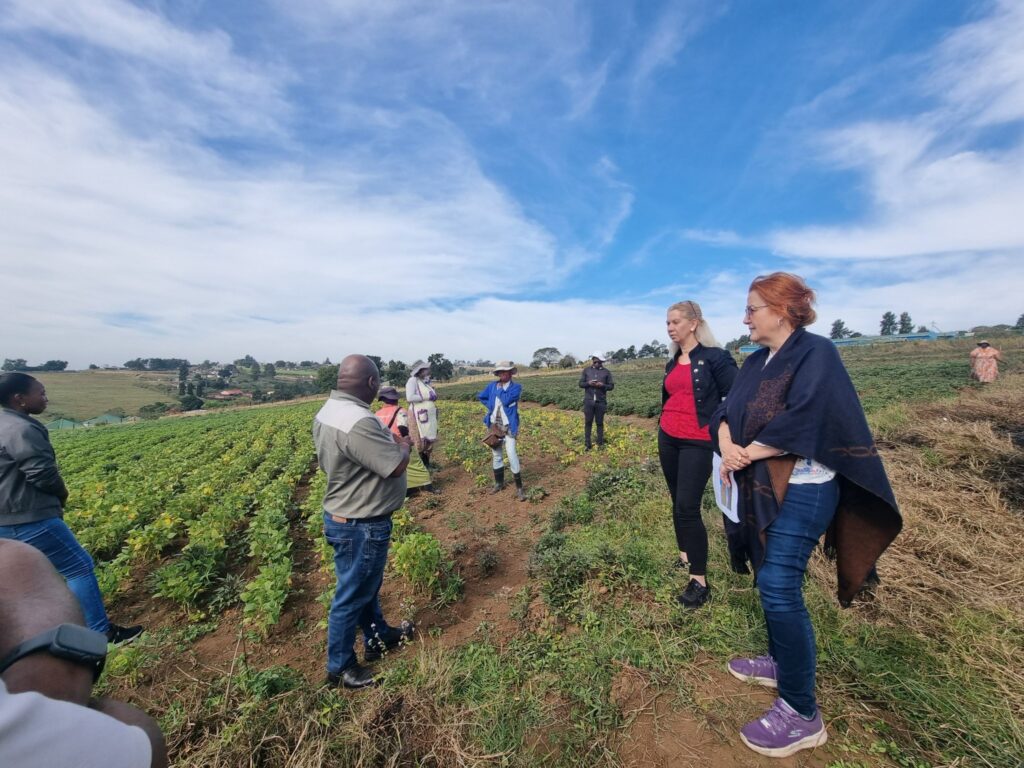
Environmental sustainability and land restoration formed another important pillar of TİKA’s KwaZulu-Natal visit.
In Ballito, Ms Şule Bayar met with representatives from South Africa’s Department of Land Reform and Rural Development to discuss cooperation opportunities within the framework of the AFR100 initiative.
The AFR100 initiative is a continent-wide effort focused on restoring degraded landscapes while improving the livelihoods of rural communities. Land restoration plays a critical role in addressing environmental degradation, strengthening food security, enhancing biodiversity and creating economic opportunities for vulnerable communities.
The discussions explored how collaborative interventions can contribute to restoring ecosystems while simultaneously supporting sustainable rural development outcomes.
As climate resilience and environmental sustainability become increasingly important development priorities, partnerships that combine ecological restoration with community upliftment are expected to play an even greater role across the African continent.
Building Bridges Between Türkiye and South African Communities
TİKA has established itself as one of Türkiye’s leading international development agencies, implementing projects across multiple sectors including education, agriculture, healthcare, vocational training and humanitarian assistance.
Its engagements in KwaZulu-Natal demonstrate a continued commitment to building partnerships that respond to local development needs while strengthening cooperation between Türkiye and South Africa.
By engaging directly with community organisations, traditional authorities and government departments, TİKA is positioning itself to support initiatives that deliver tangible benefits for communities while contributing to broader development objectives.
Looking Ahead
The working visit marks an important step in identifying future areas of cooperation across KwaZulu-Natal. From youth and women’s empowerment programmes in Durban to rural development initiatives in Umzimkhulu and environmental restoration efforts linked to AFR100, the engagements underline the province’s growing attractiveness as a destination for international development partnerships.
As KwaZulu-Natal continues to strengthen its development ecosystem, collaborations with organisations such as TİKA have the potential to unlock new opportunities, enhance local capacities and contribute to sustainable socio-economic growth across both urban and rural communities.
The visit also reinforces the growing role of international cooperation in supporting community-driven development solutions that create lasting impact and improve livelihoods throughout the province.