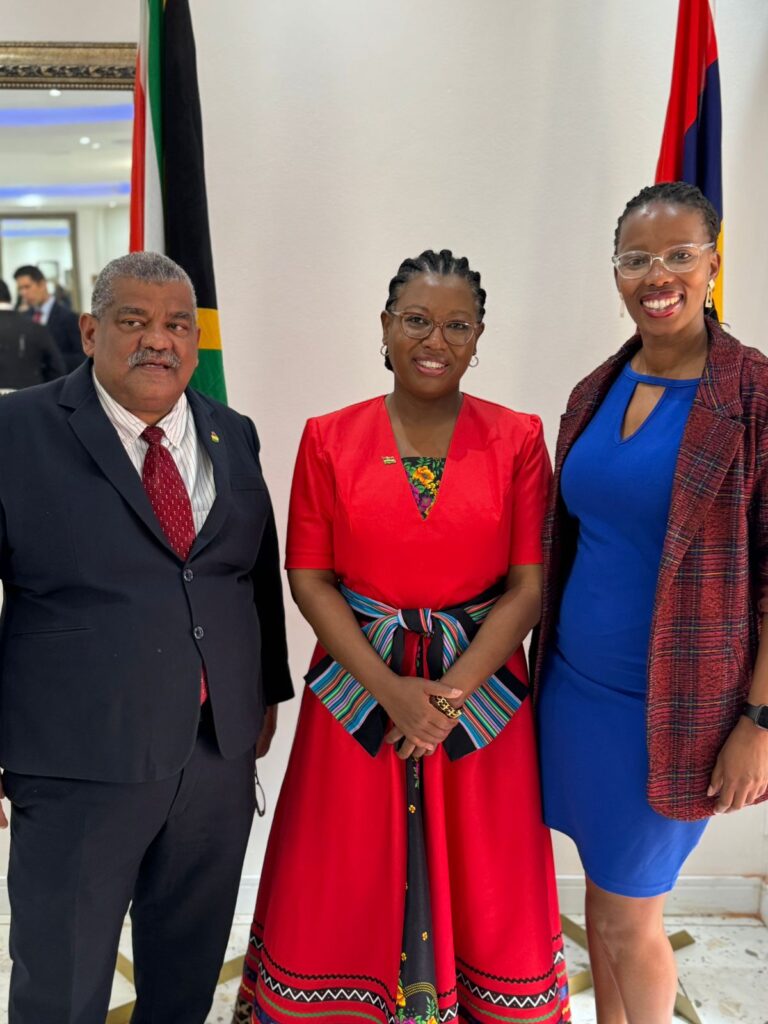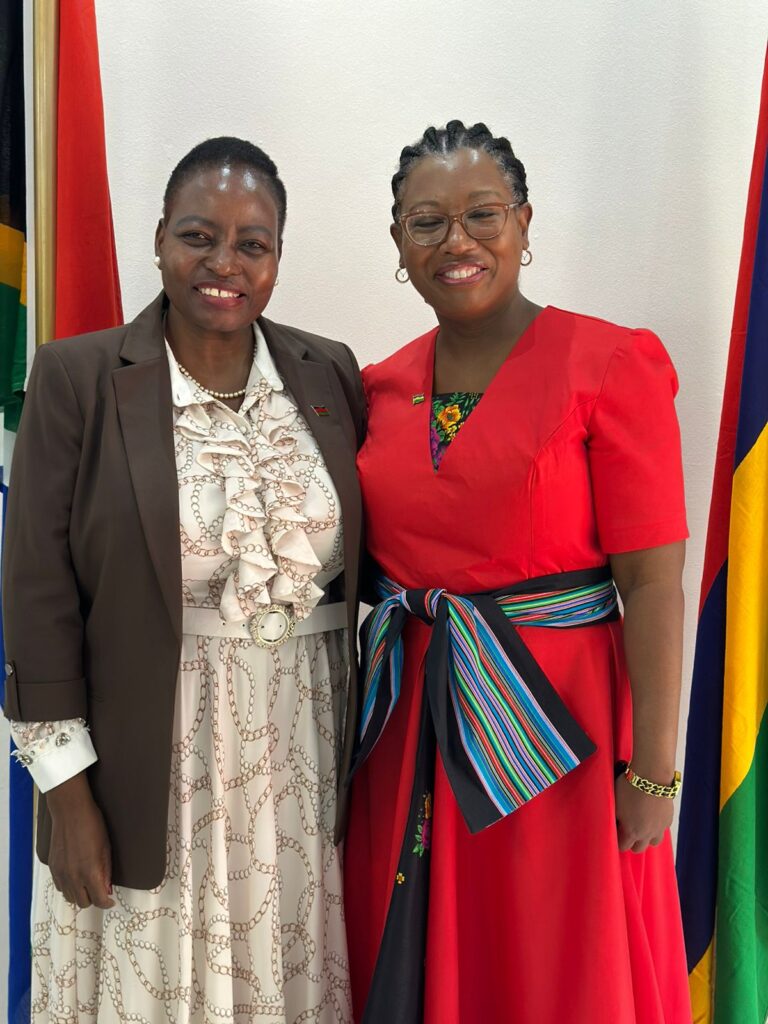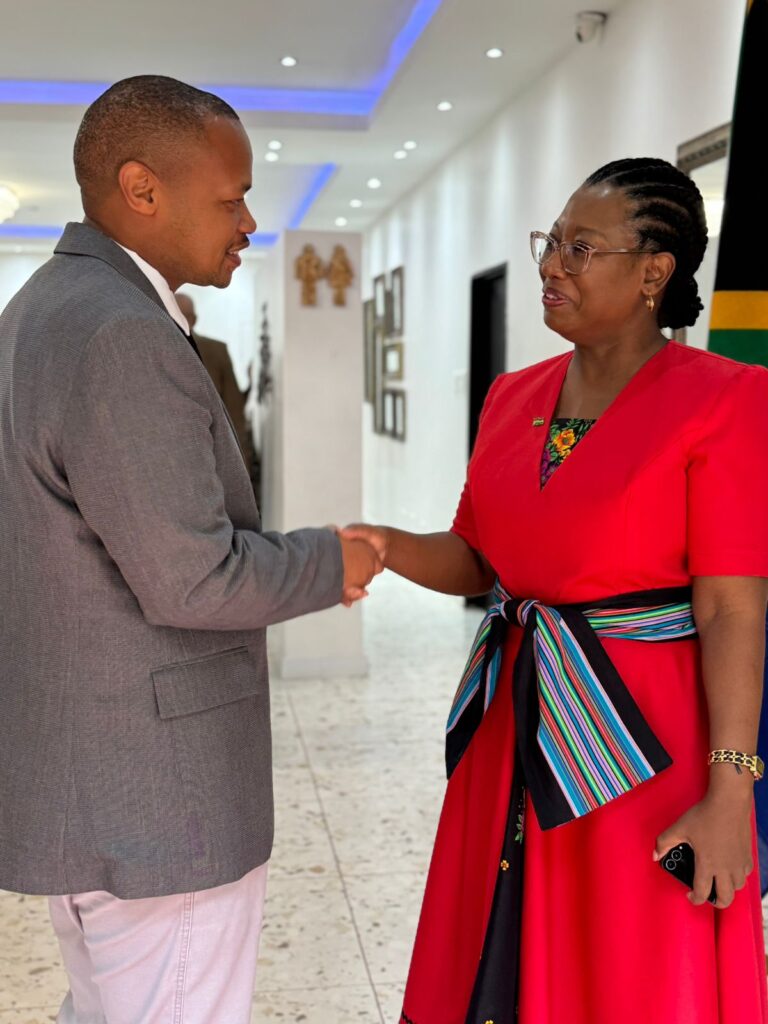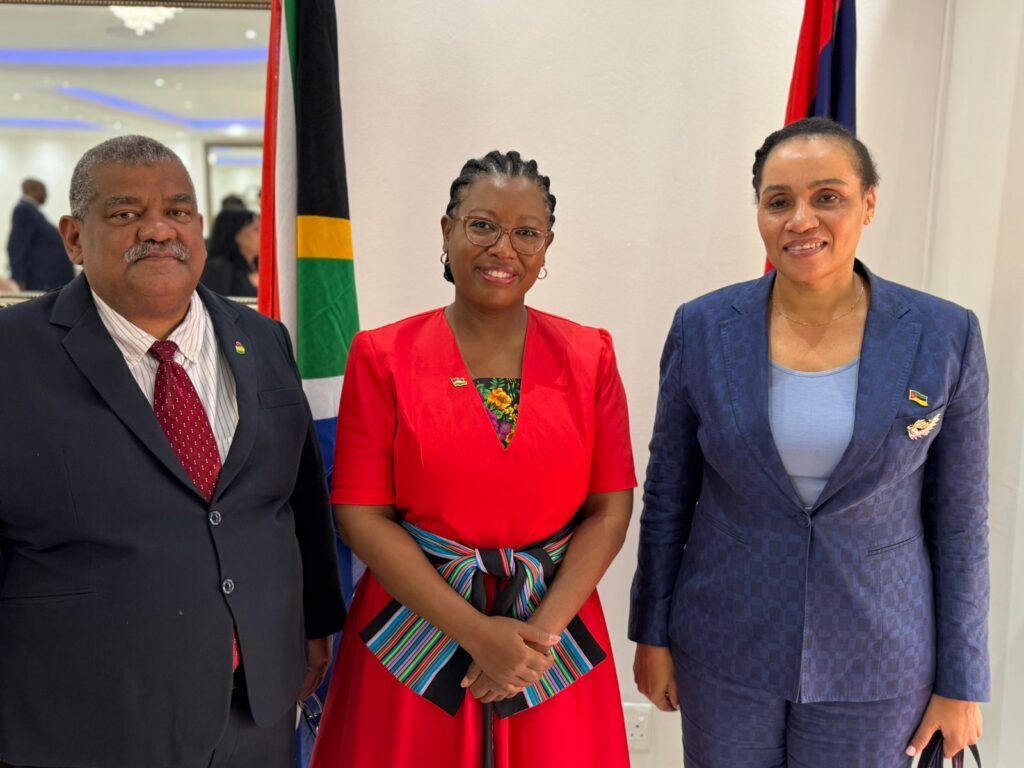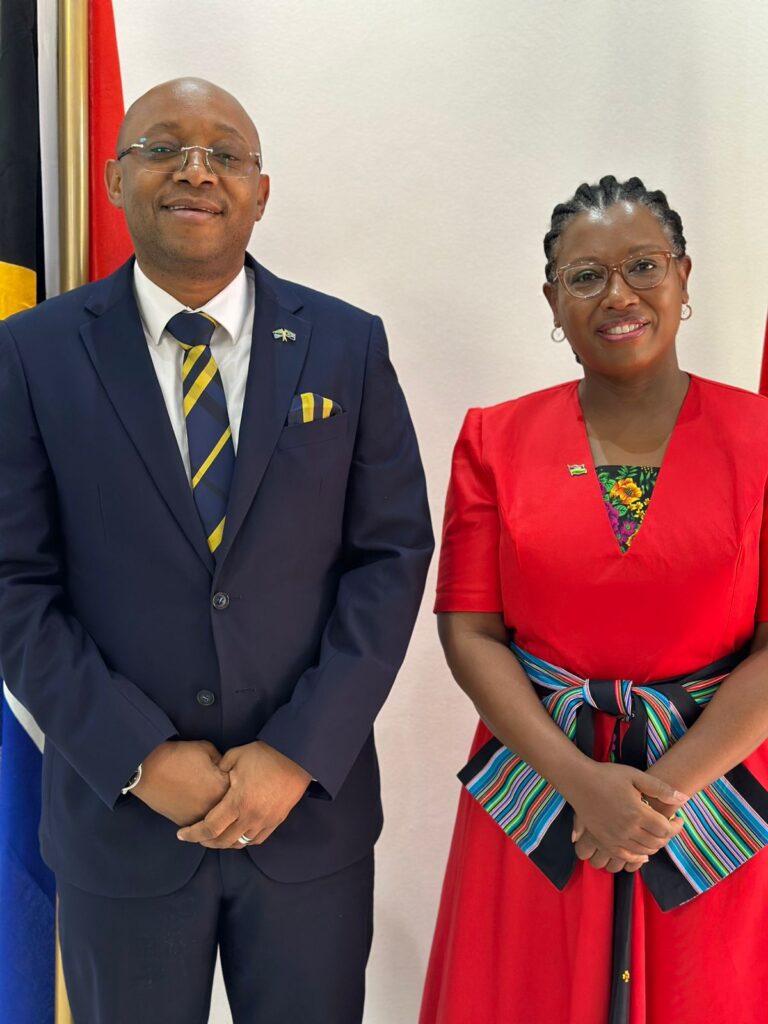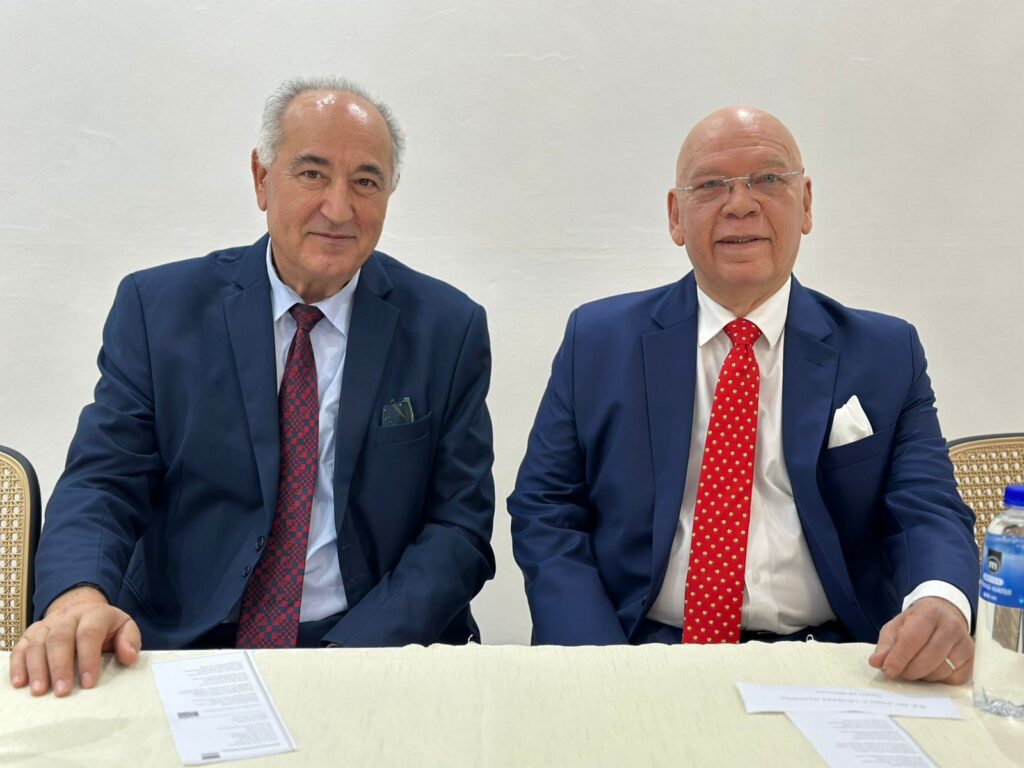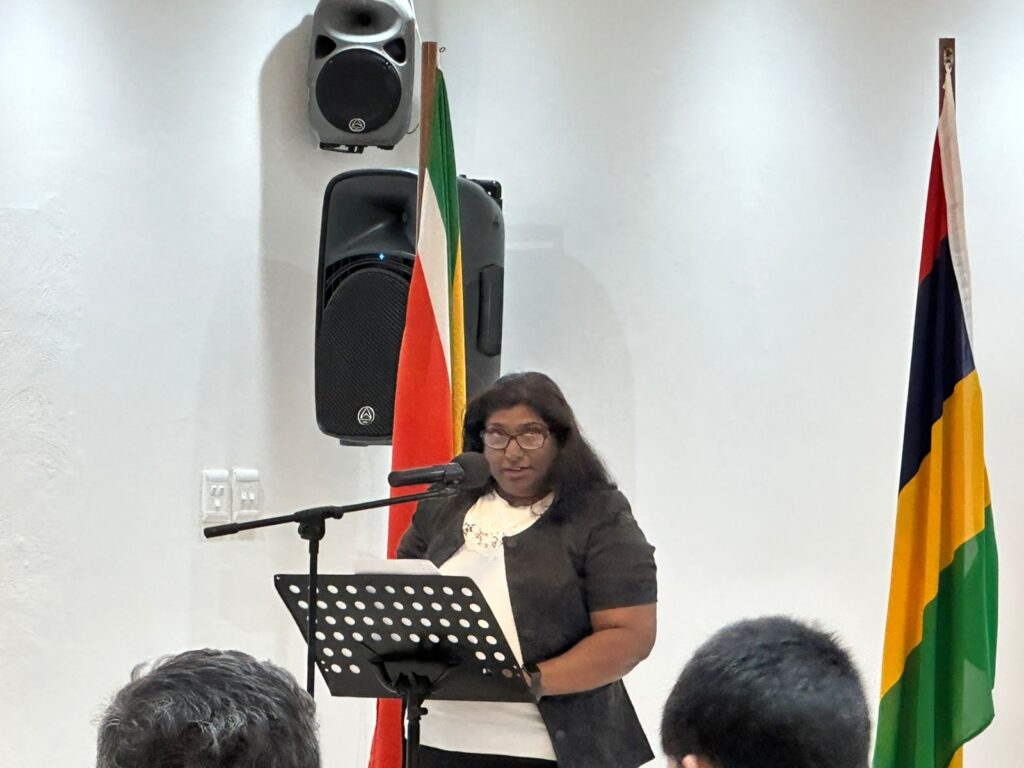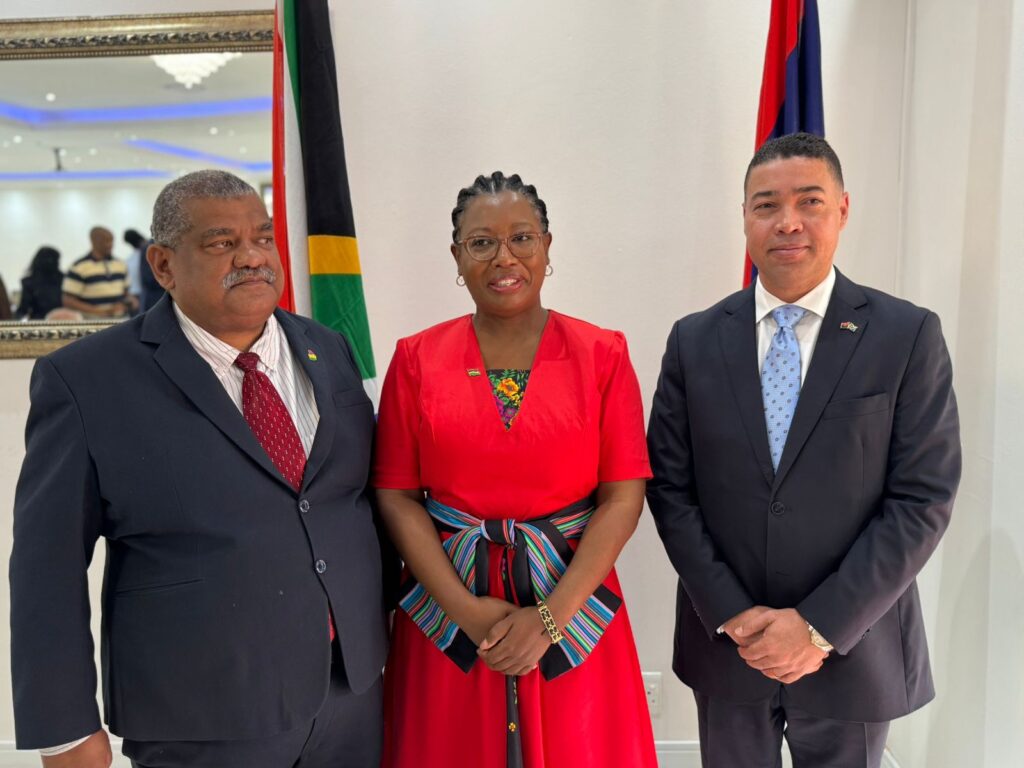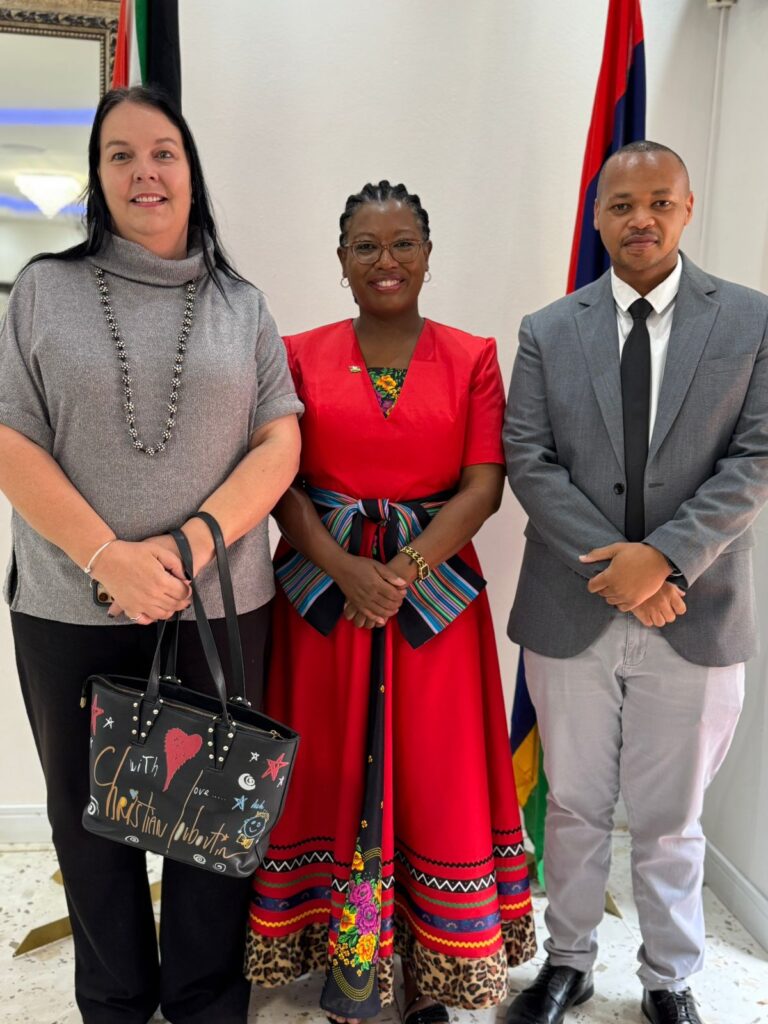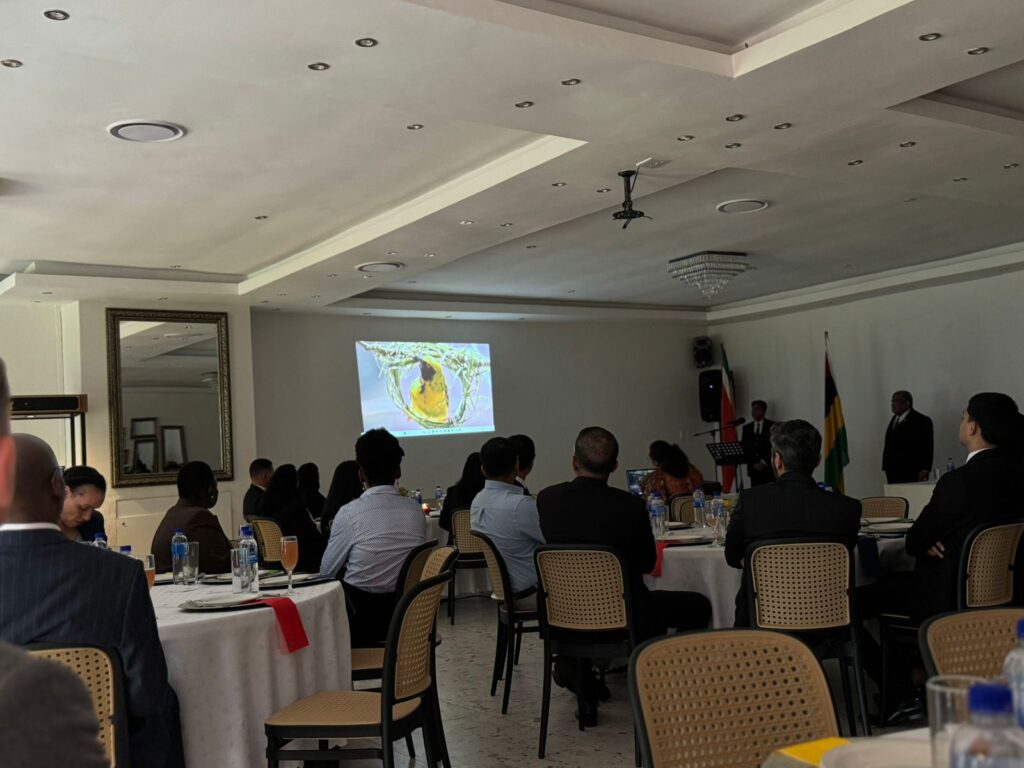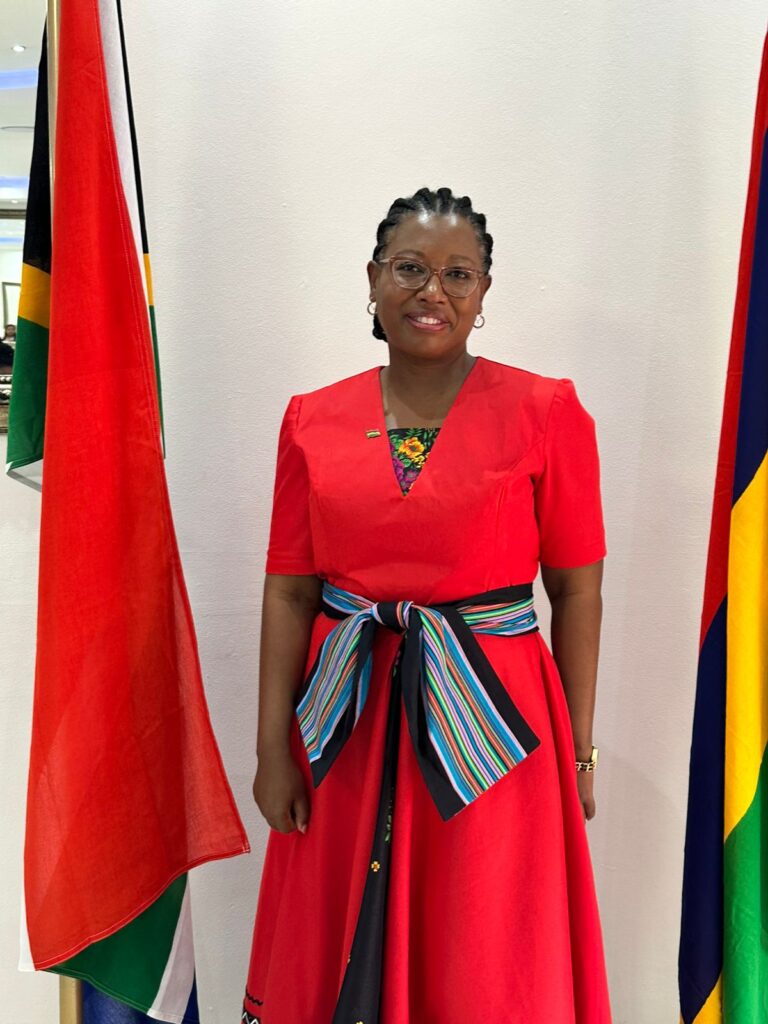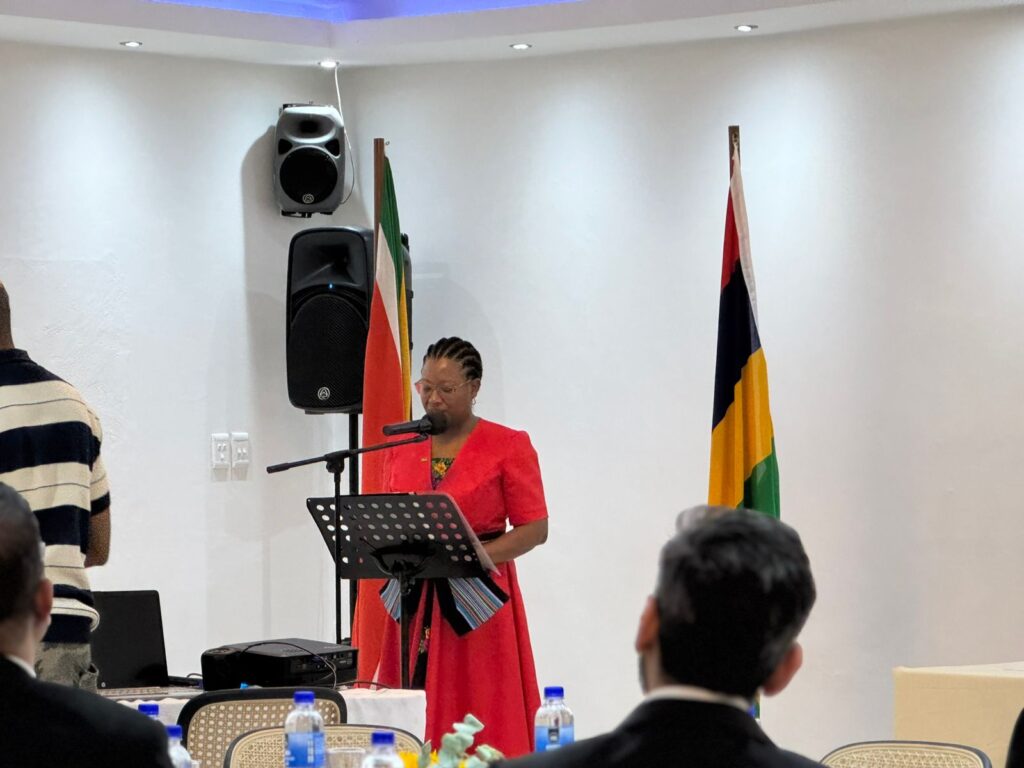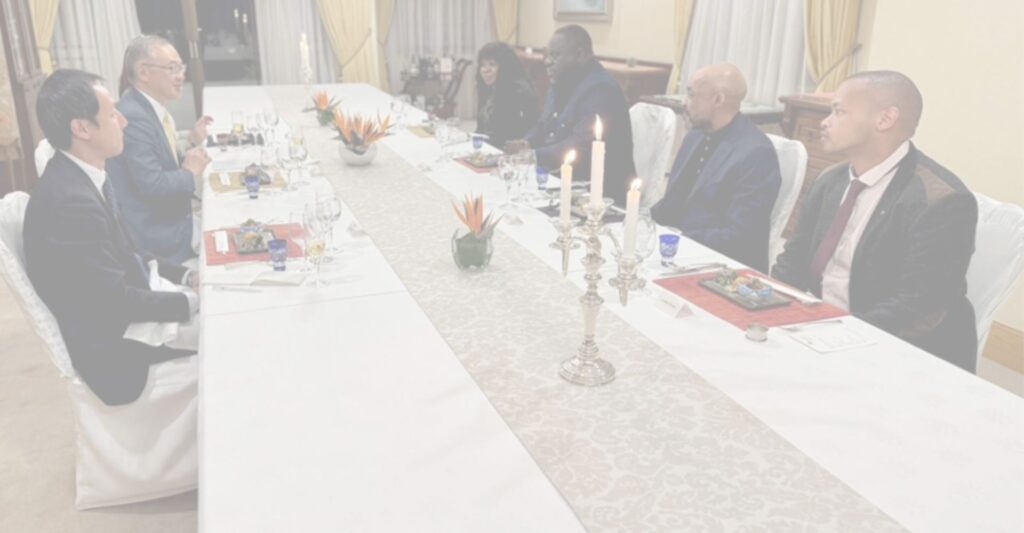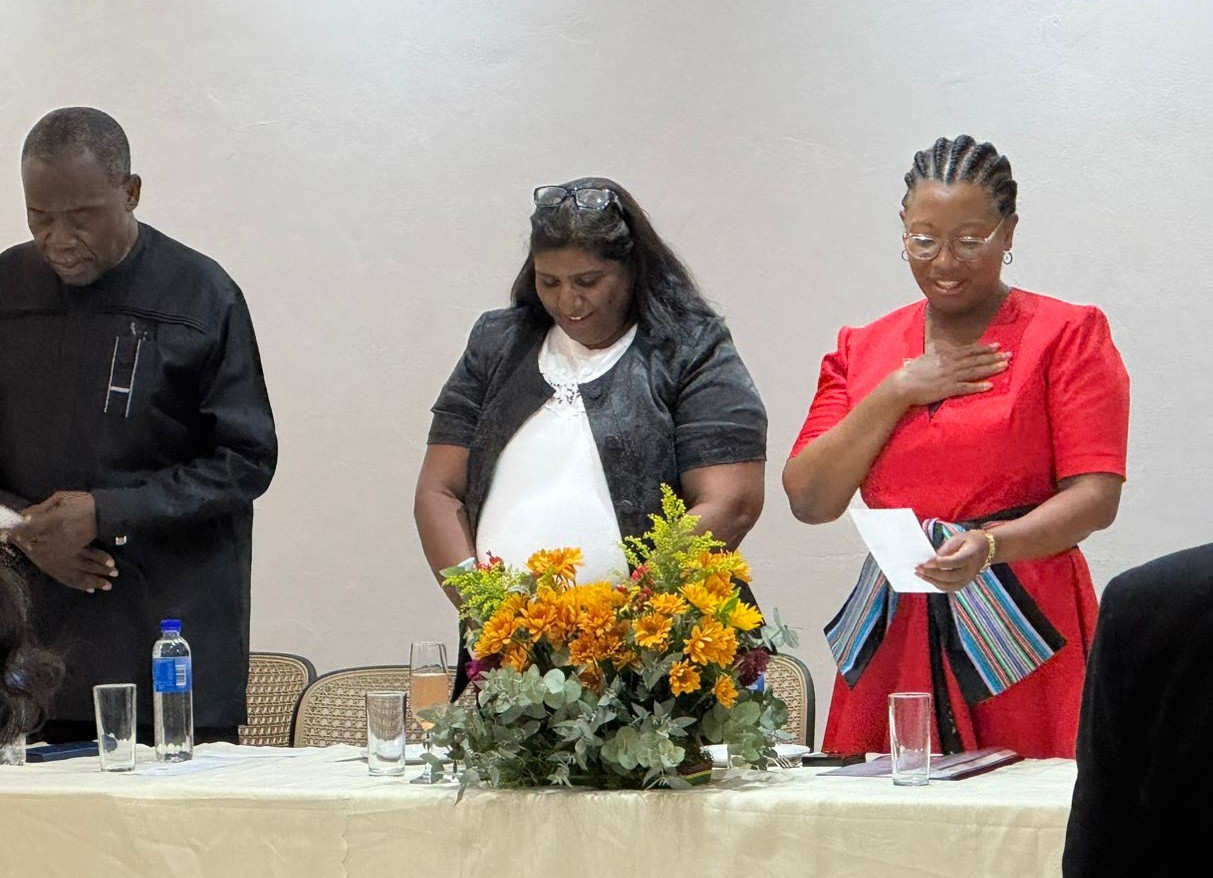
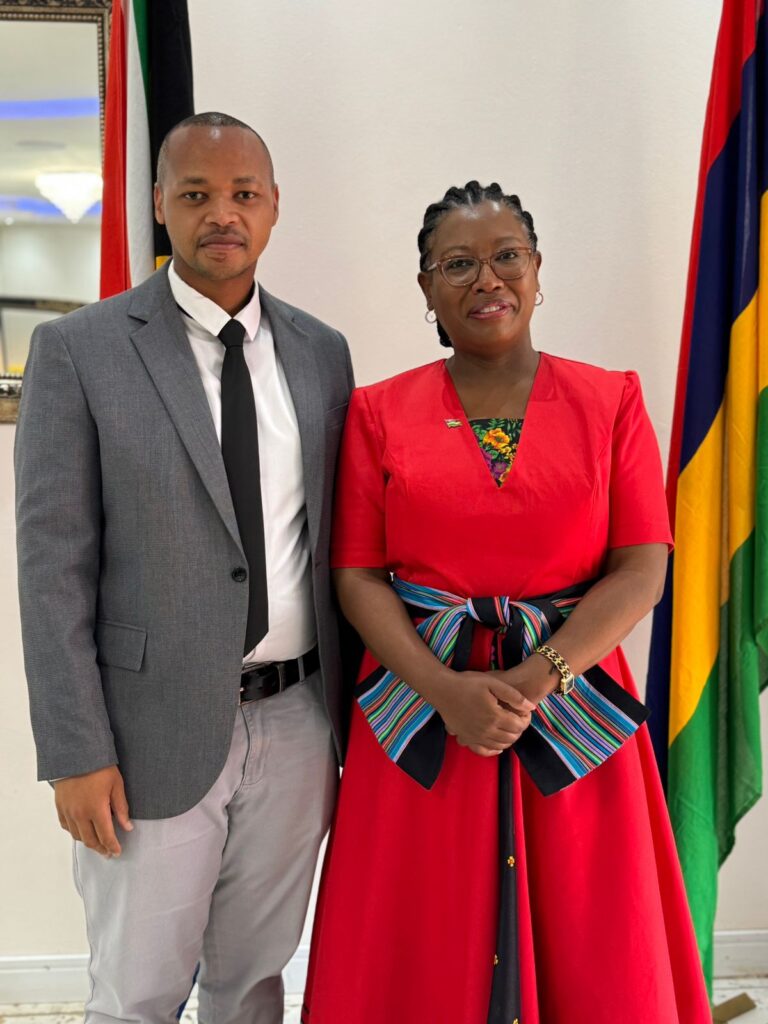
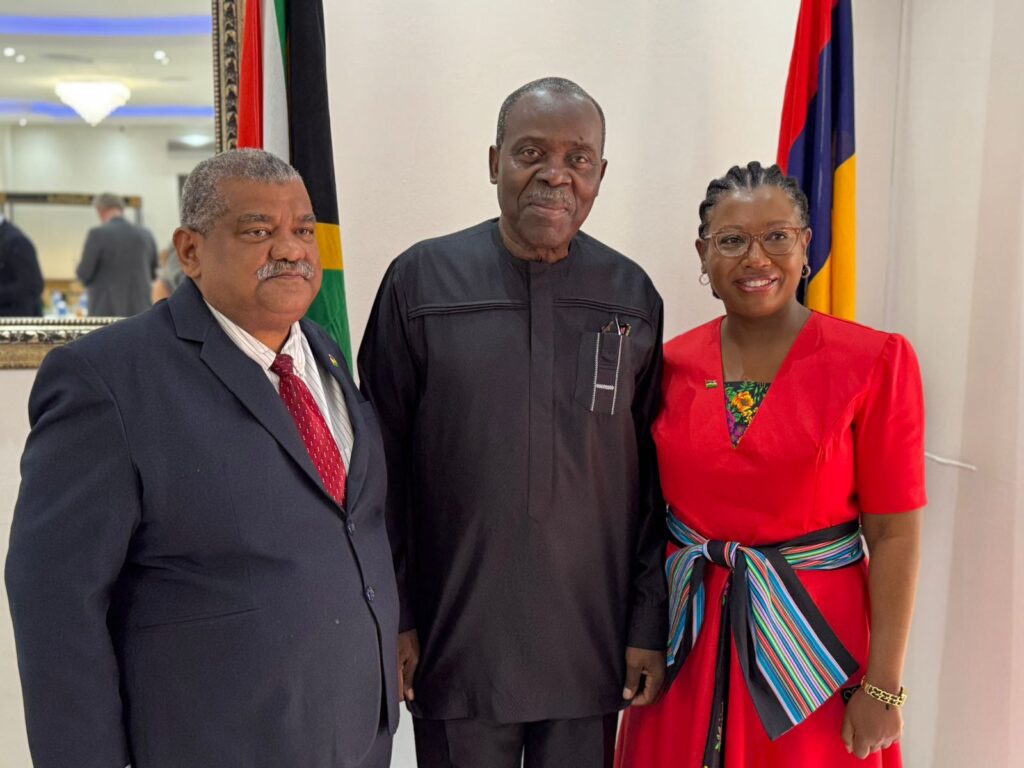
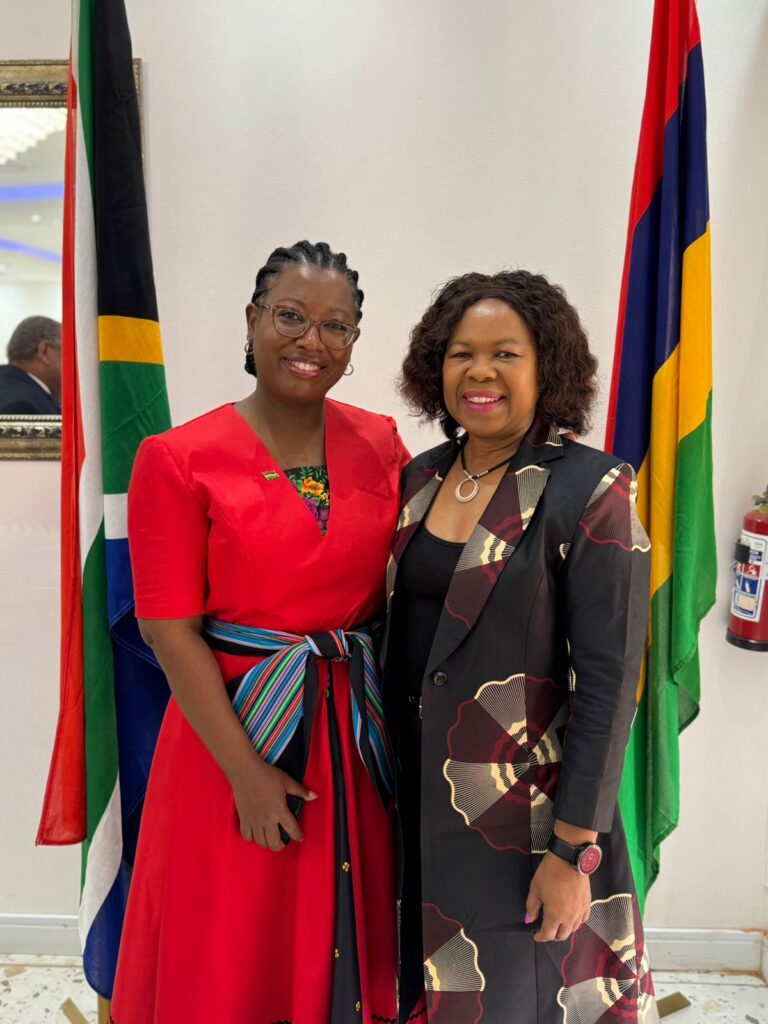
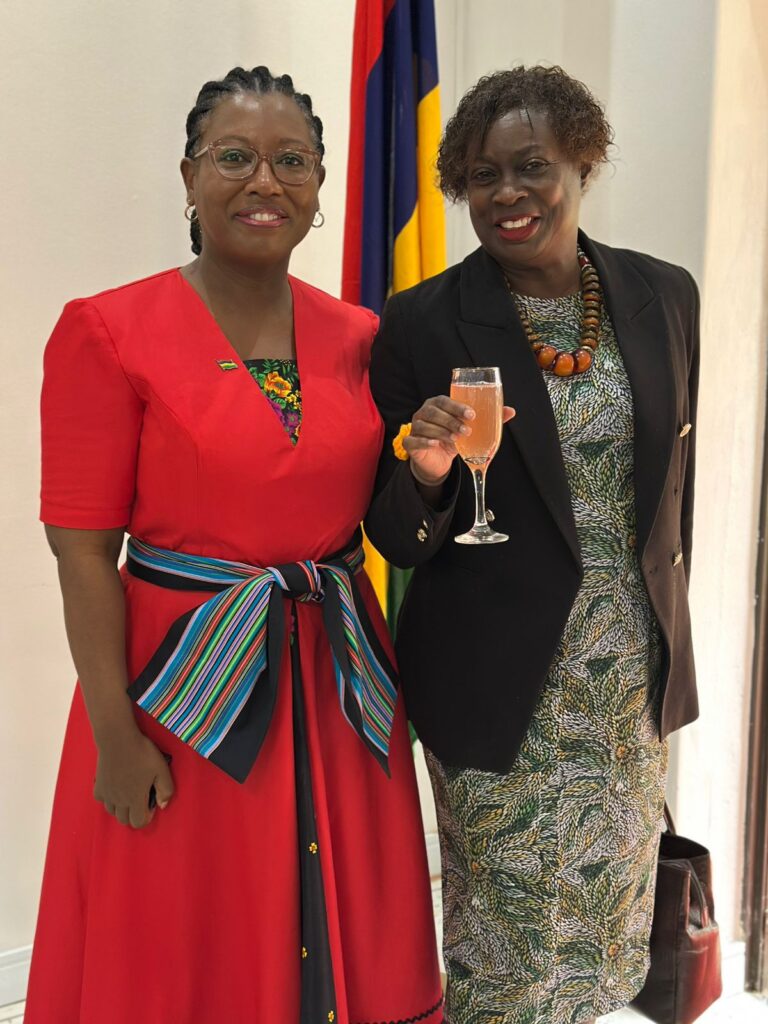
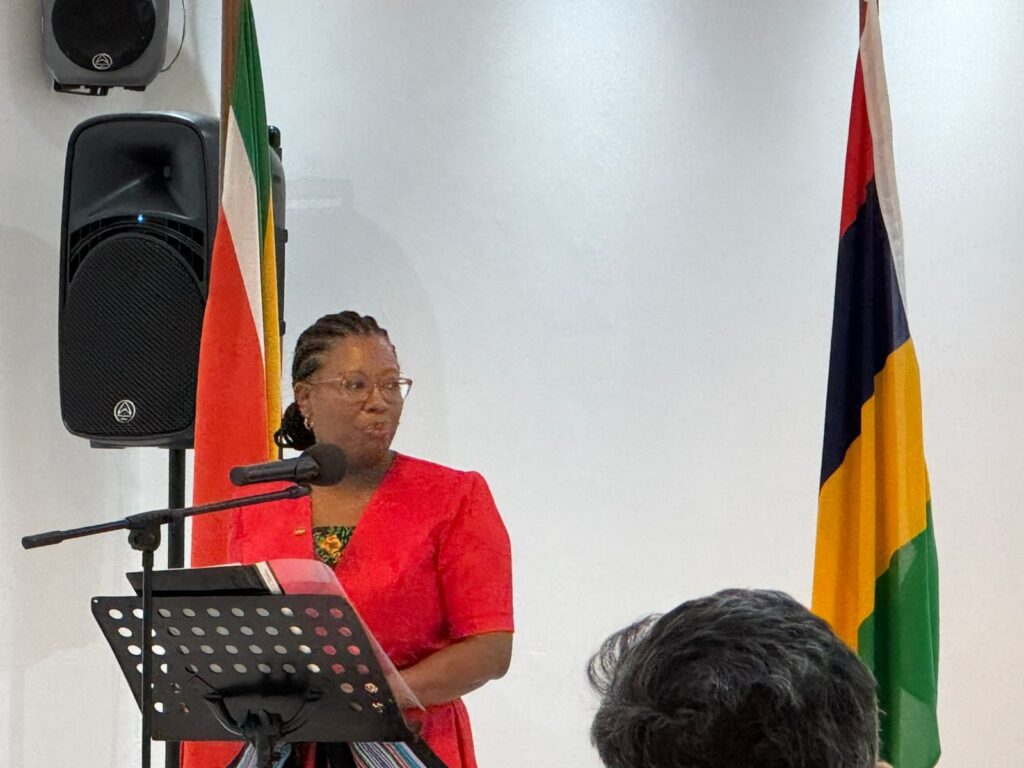
The High Commissioner of Mauritius to South Africa, Her Excellency Maria Francesca Mirelle Martin, hosted a prestigious reception in Pretoria to mark the 58th Independence Anniversary of Mauritius. The celebration, though traditionally observed on 12 March, was held later due to regional commitments, including the Southern African Development Community (SADC) engagements taking place at the time.
This year’s commemoration carried the powerful theme: “In Peace, Justice and Liberty”, reflecting Mauritius’ enduring commitment to democratic values and inclusive development.
A Diplomatic Gathering Celebrating Shared Values
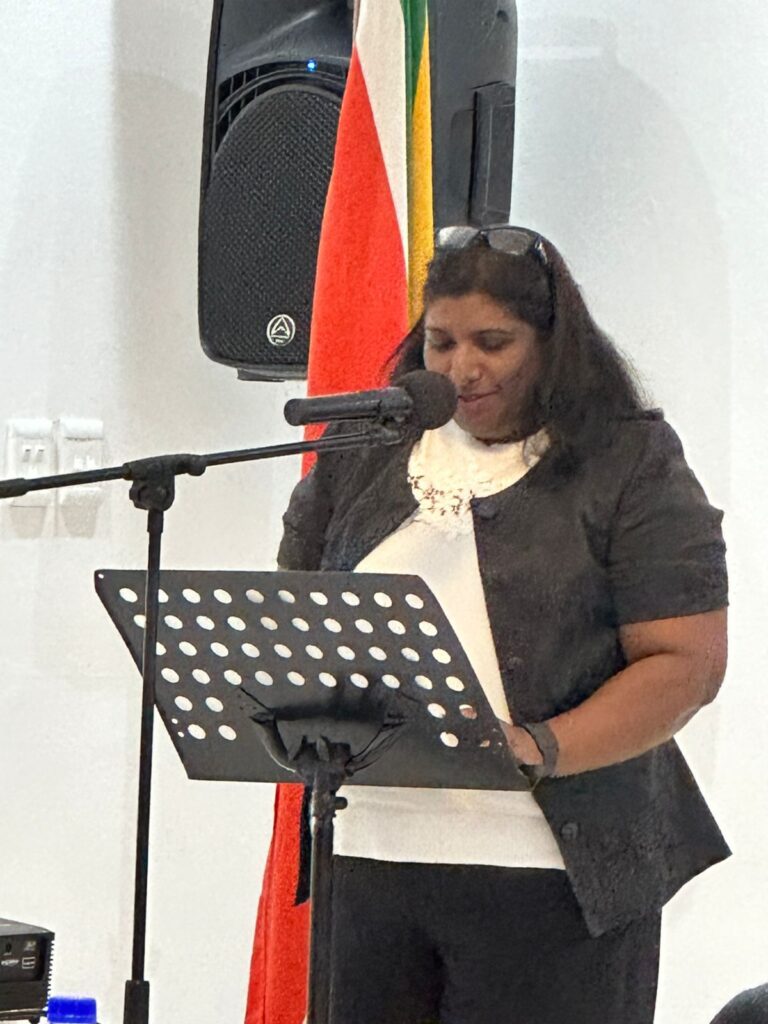
The event brought together diplomats, government officials, and stakeholders, reinforcing the strong bilateral relationship between Mauritius and South Africa. Representing the South African government was Ms Kalayvani Pillay, Acting Director-General of the Department of Justice and Constitutional Development, who echoed the importance of deepening cooperation between the two nations.
Notably, this marked the first Mauritius National Day celebration in Pretoria in nine years, making it a particularly significant occasion in diplomatic circles.
Mauritius: A Model of Peace, Diversity and Progress
Mauritius continues to stand out as a peaceful, multicultural, and democratic nation, often compared to South Africa as a “rainbow nation.” The country has built a strong reputation for fostering dialogue, justice, and social cohesion across its diverse population.
The High Commissioner emphasised that Mauritius has consistently prioritised:
- Peaceful coexistence
- Justice and the rule of law
- Liberty and democratic governance
These principles have been central to its national identity since independence.
Strategic Focus: Inclusive Development and Climate Action
Mauritius has placed strong emphasis on empowering women, youth, and persons with disabilities, aligning closely with South Africa’s own developmental priorities.
As a small island developing state, Mauritius faces significant climate vulnerabilities. The government has taken proactive steps to address climate change, while also acknowledging South Africa’s leadership—particularly its efforts to advance climate discussions within the Group of Twenty (G20) framework.
From Sugar Economy to Global Investment Hub
Since gaining independence, Mauritius has undergone a remarkable economic transformation—from a sugarcane-based economy to a diversified, investor-friendly economic hub.
Key highlights include:
- Free education at all levels
- A growing reputation as a financial and investment destination
- Strong infrastructure supporting international business
- Hosting several regional and international organisations
Mauritius also offers fully funded scholarships to students across Africa, strengthening continental ties and investing in future leadership.
Deepening Mauritius–South Africa Relations
The High Commissioner reaffirmed her mission to promote mutual interests and expand bilateral cooperation between Mauritius and South Africa. She highlighted opportunities to leverage existing treaties and agreements to boost:
- Trade and investment
- Skills exchange
- Regional cooperation
A historical highlight underscoring the strong ties between the two nations is that Mauritius’ current Prime Minister was the only opposition leader to attend the 1994 inauguration of Nelson Mandela, symbolising longstanding solidarity.
A Shared Vision for the Future
Both Mauritius and South Africa continue to pursue a shared vision rooted in peace, justice, economic growth, and regional cooperation. The sentiments expressed by Ms Pillay reinforced the importance of collaboration in addressing global and regional challenges.
As Mauritius celebrates 58 years of independence, its partnership with South Africa remains a cornerstone of its diplomatic and economic strategy—anchored in shared history, common values, and a forward-looking agenda.