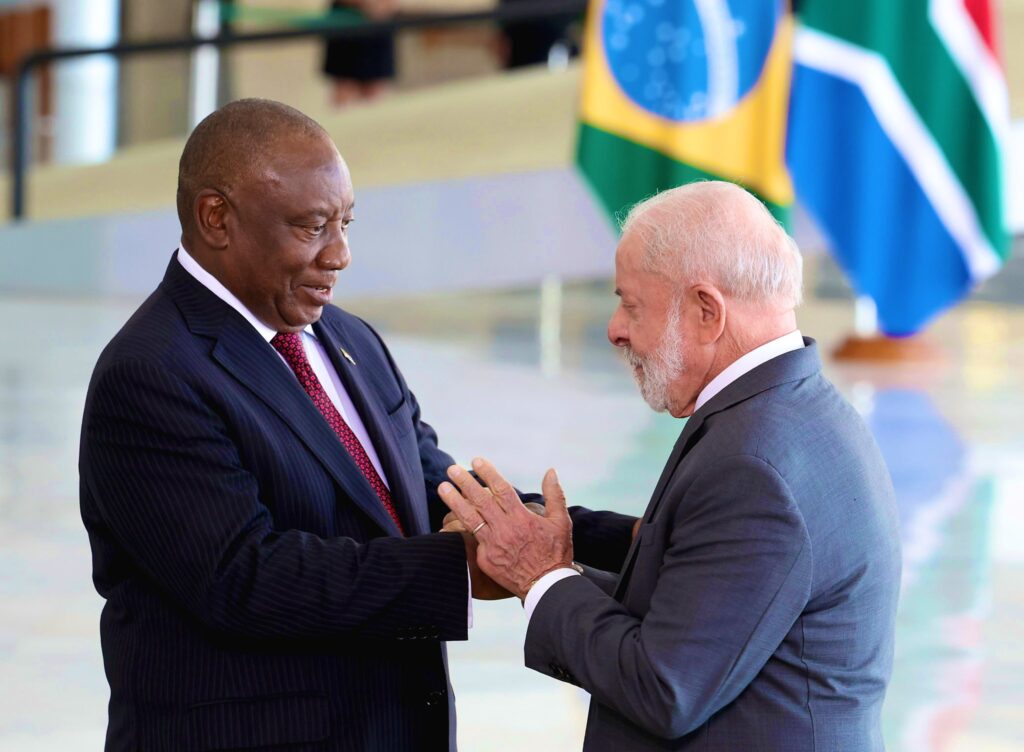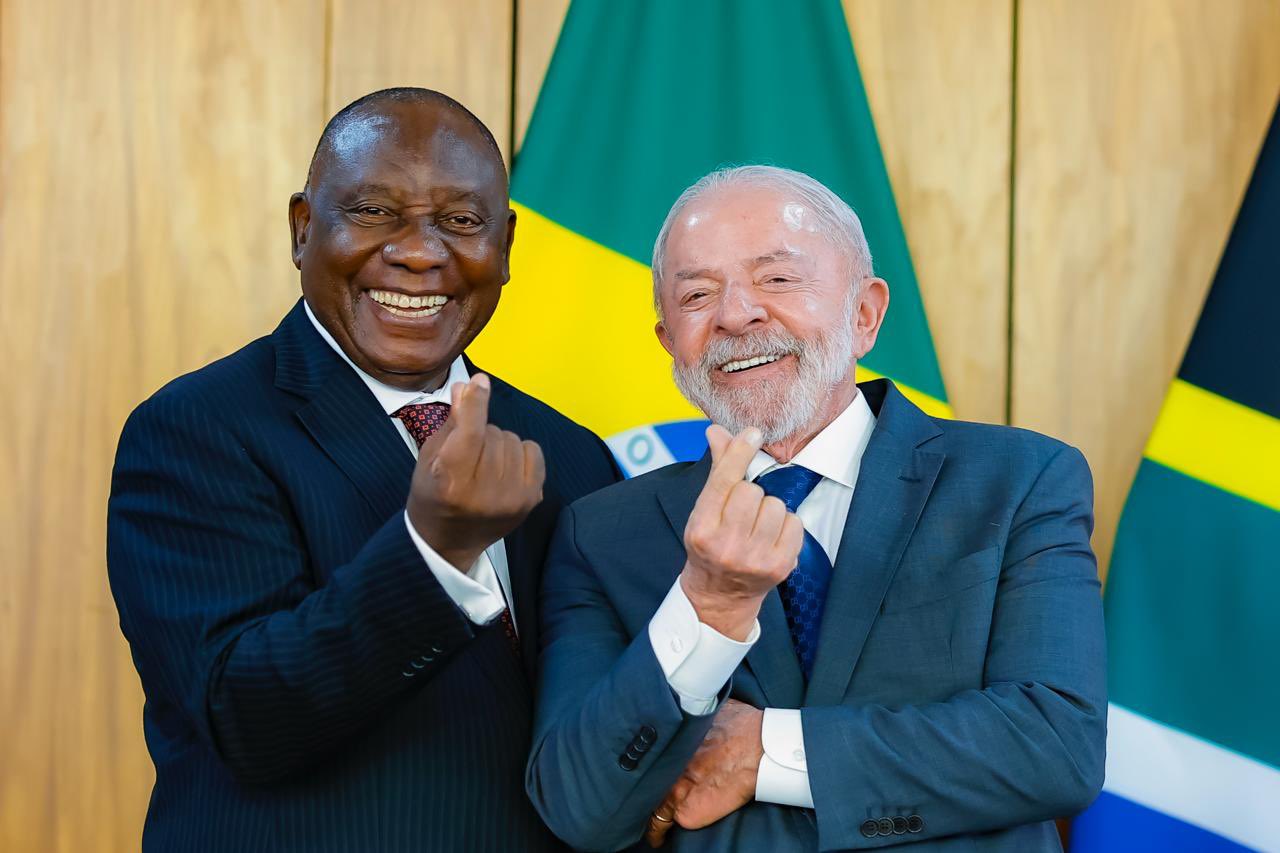
President Cyril Ramaphosa wrapped up a productive two-day state visit to Brazil on March 10, 2026, hosted by President Luiz Inácio Lula da Silva in Brasilia.
The engagement, building on deep historical solidarity from anti-colonial struggles, advanced the 2010 Strategic Partnership between the two nations. It emphasized economic expansion, sectoral cooperation, and aligned positions on global challenges as fellow BRICS and Global South leaders. With bilateral trade at R32.5 billion in 2025, the visit aimed to unlock greater investment, trade flows, and mutual market access while reinforcing multilateral forums like IBSA, G20, and the UN.
Arrival and High-Level Delegation
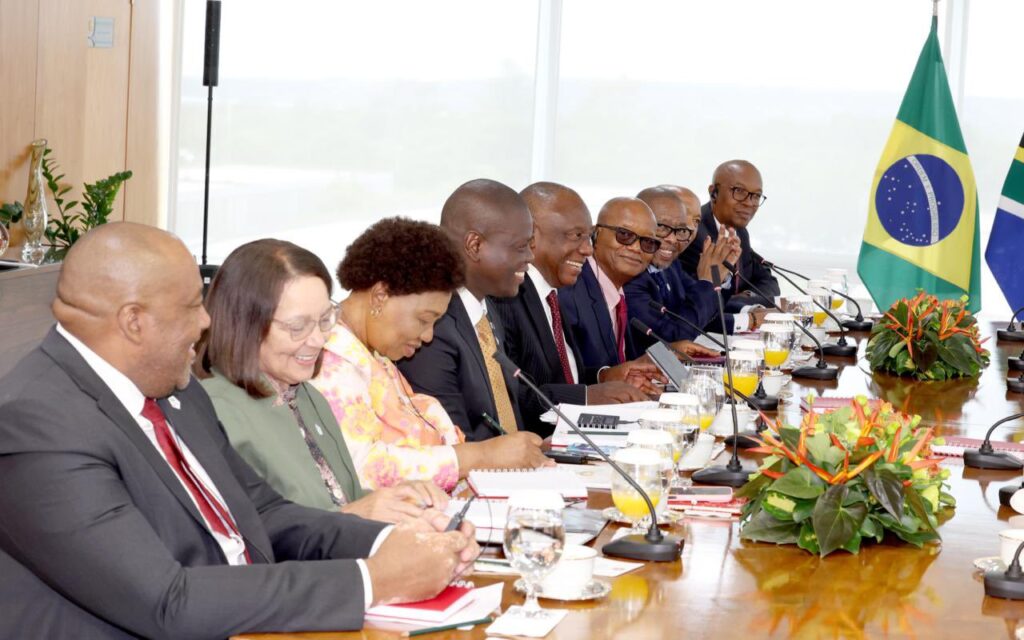
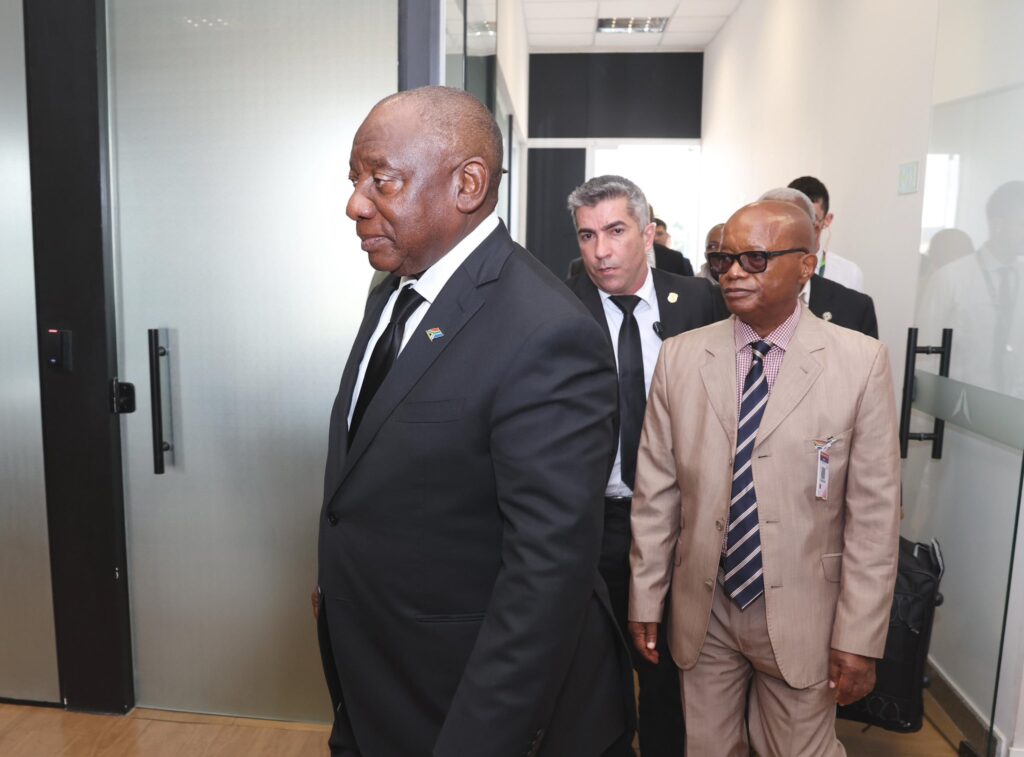
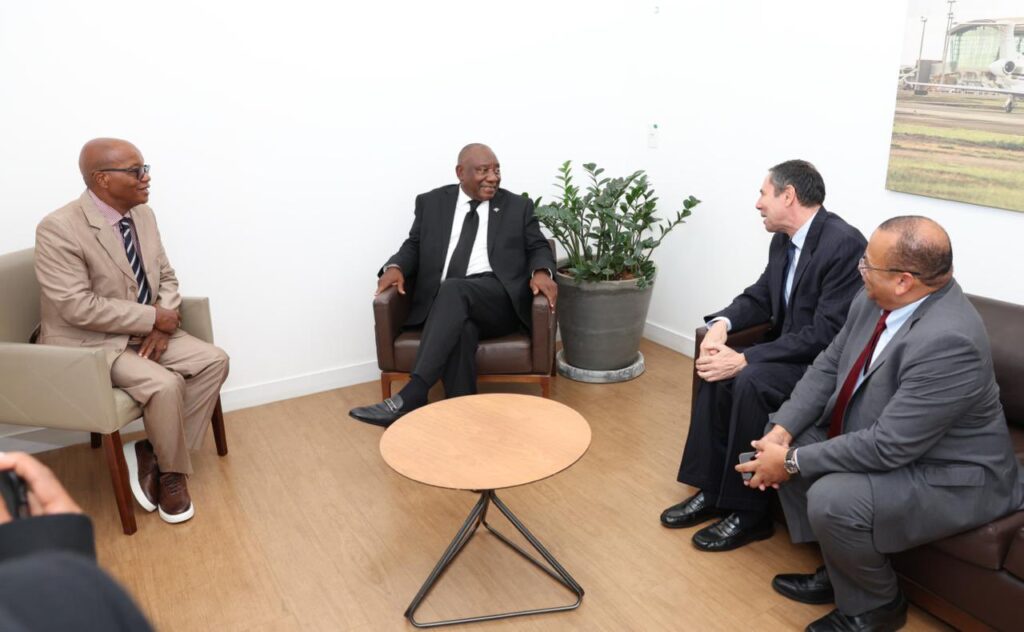
President Ramaphosa landed in Brasilia on March 8, 2026, ahead of the official program from March 9-10. He was accompanied by a strong ministerial team: Ronald Lamola (International Relations and Cooperation), Angie Motshekga (Defence and Military Veterans), Bonginkosi Nzimande (Science, Technology and Innovation), Patricia de Lille (Tourism), Kgosientsho Ramokgopa (Electricity and Energy), Parks Tau (Trade, Industry and Competition), and Gayton McKenzie (Sport, Arts and Culture), plus senior officials. A diverse business delegation represented agribusiness, aerospace, chemicals, defence, energy, engineering, mining, maritime, and pharmaceuticals. This composition reflected South Africa’s strategic intent to broaden ties across high-potential sectors and position the country as Brazil’s key gateway into Africa, while viewing Brazil as South Africa’s entry to Latin America and the Caribbean.
Key Events and Diplomatic Engagements
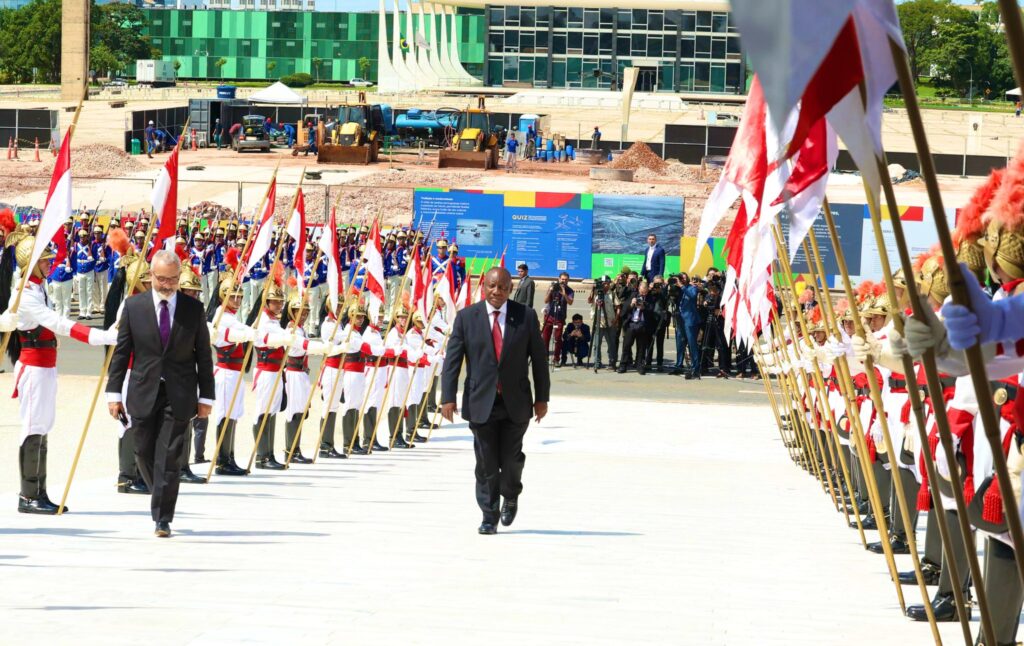
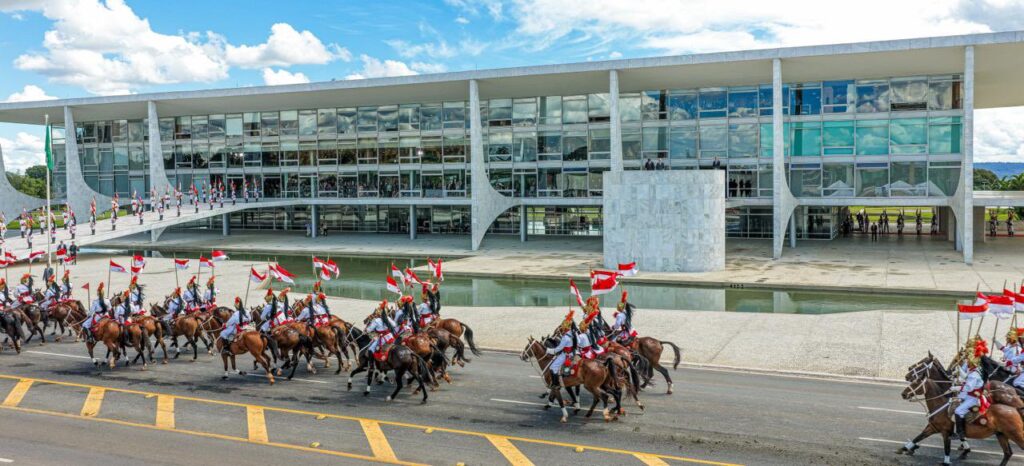
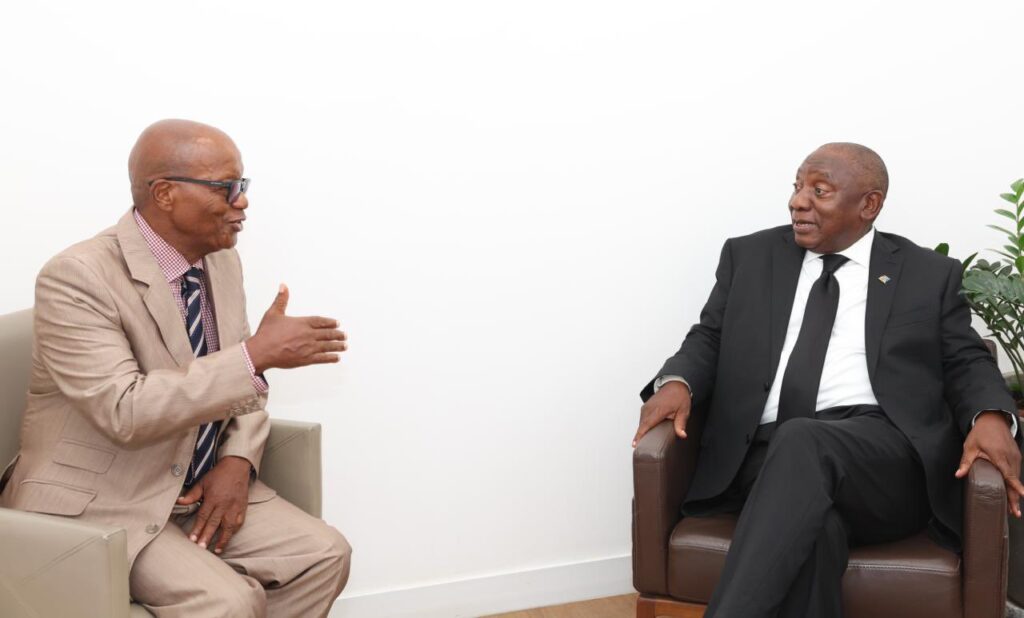
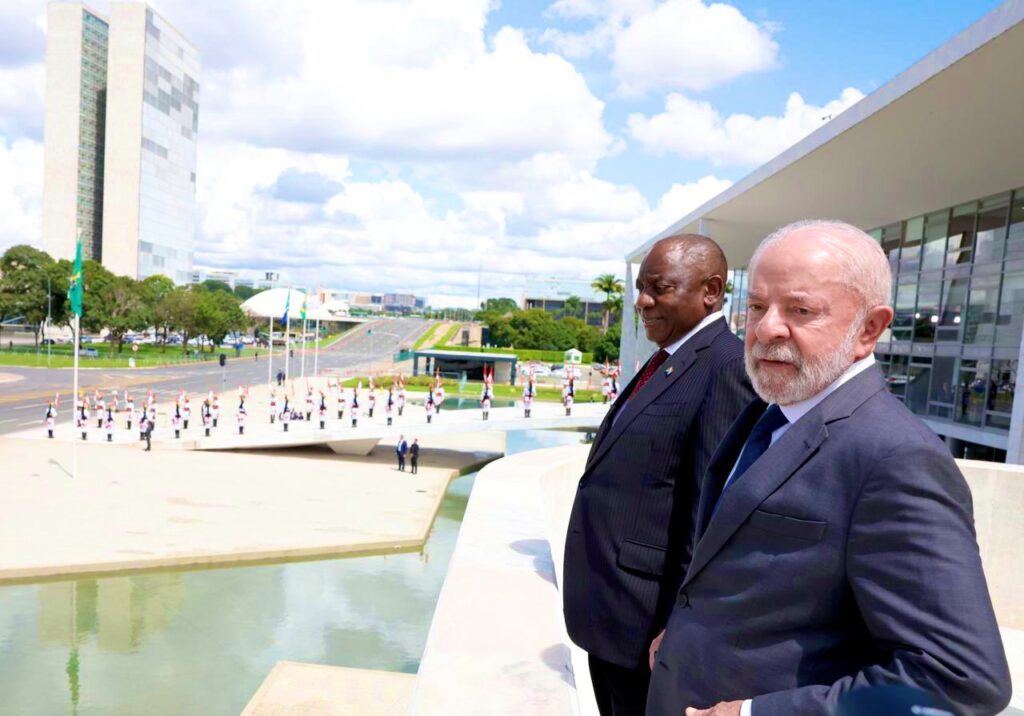
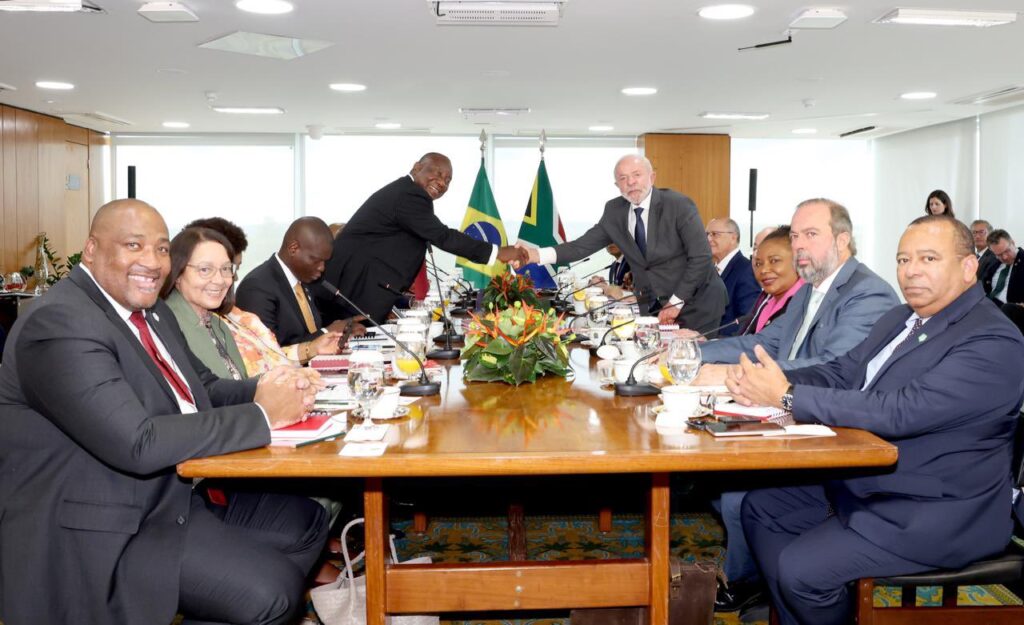
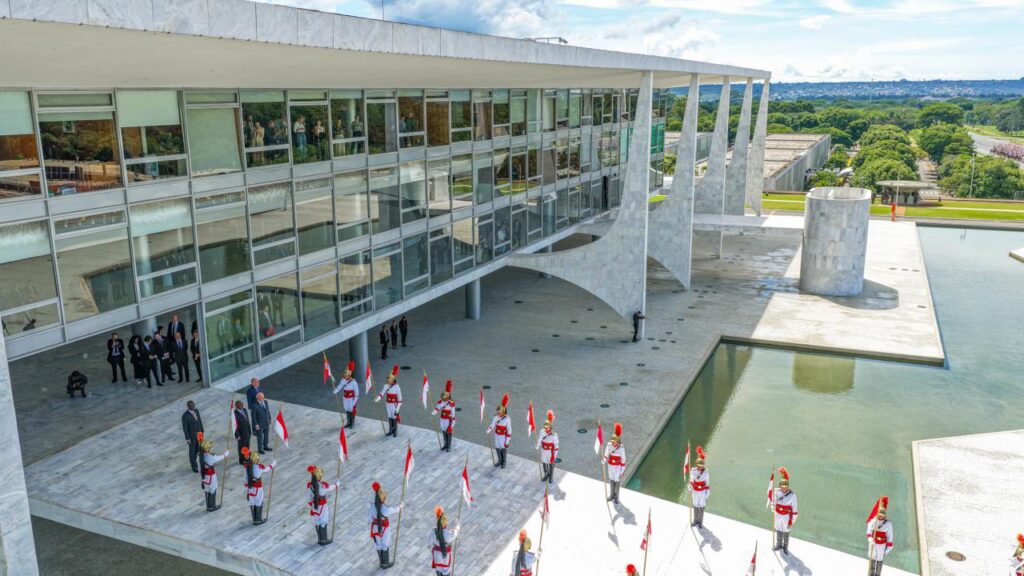
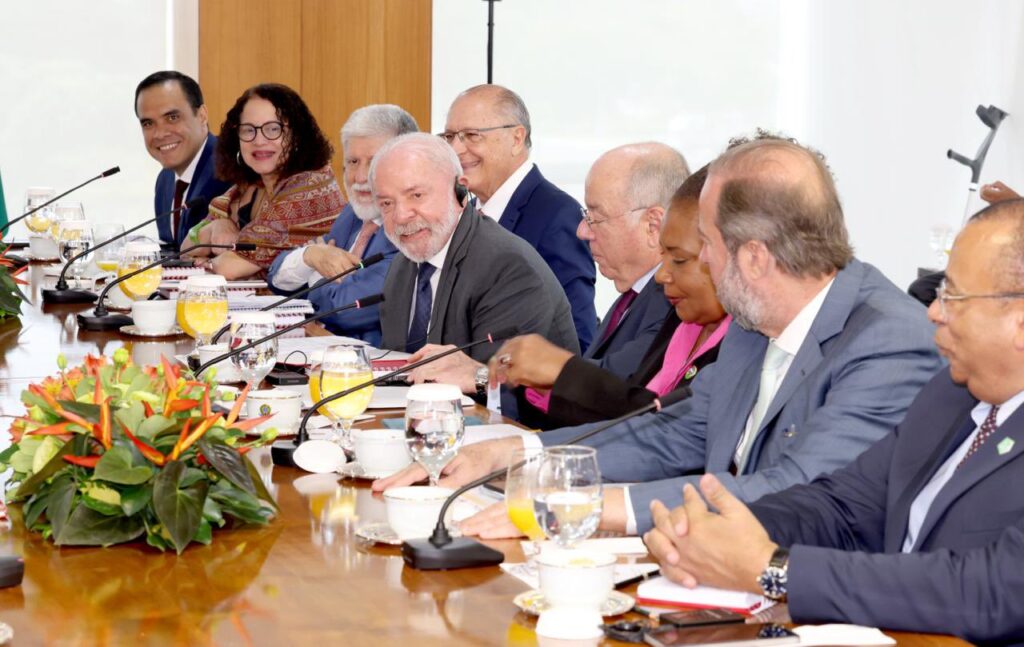
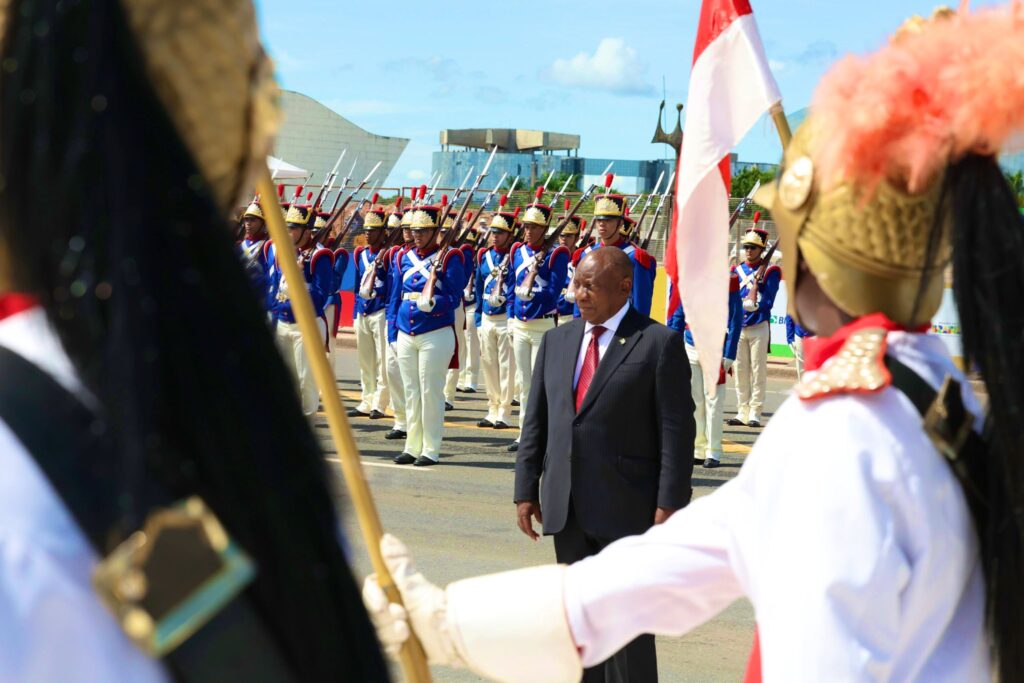
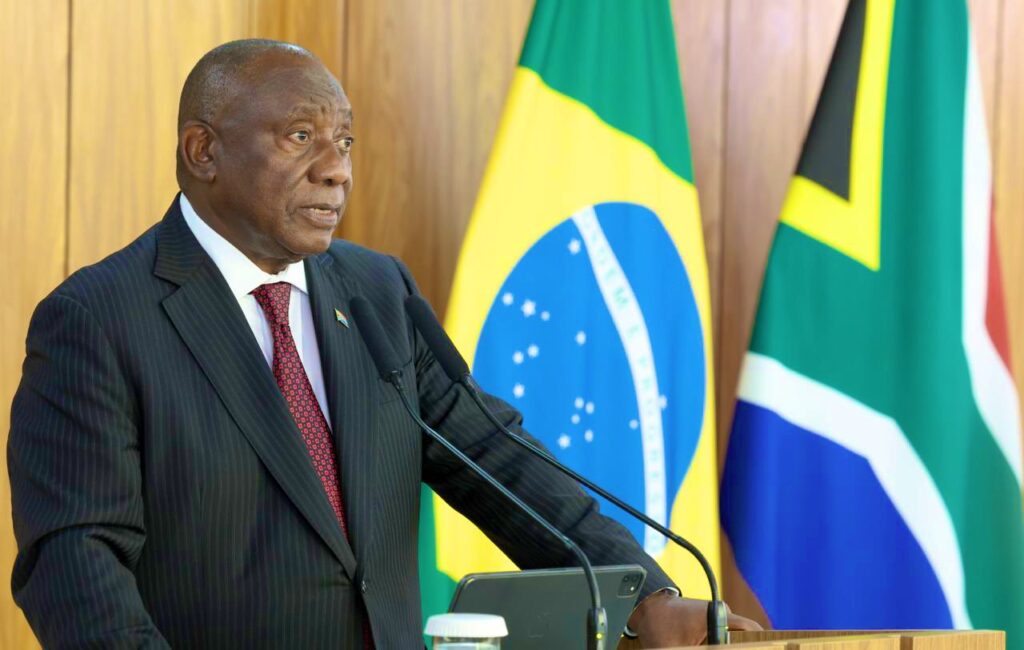
The visit commenced with a grand welcome ceremony at Palácio do Planalto on March 9, followed by in-depth bilateral talks between the presidents. Discussions covered shared geopolitical priorities, including a joint call for immediate cessation of hostilities in the Middle East, adherence to the UN Charter, and condemnation of civilian suffering and infrastructure damage. A joint media briefing highlighted mutual commitments to equality, economic growth, and poverty eradication. Ramaphosa later addressed the South Africa–Brazil Business Forum at Palácio Itamaraty, engaging Brazilian business leaders on investment opportunities and inviting them to the South Africa Investment Conference in Johannesburg later that month. The program underscored warm hospitality and constructive dialogue throughout.

Signed Agreements and Economic Priorities
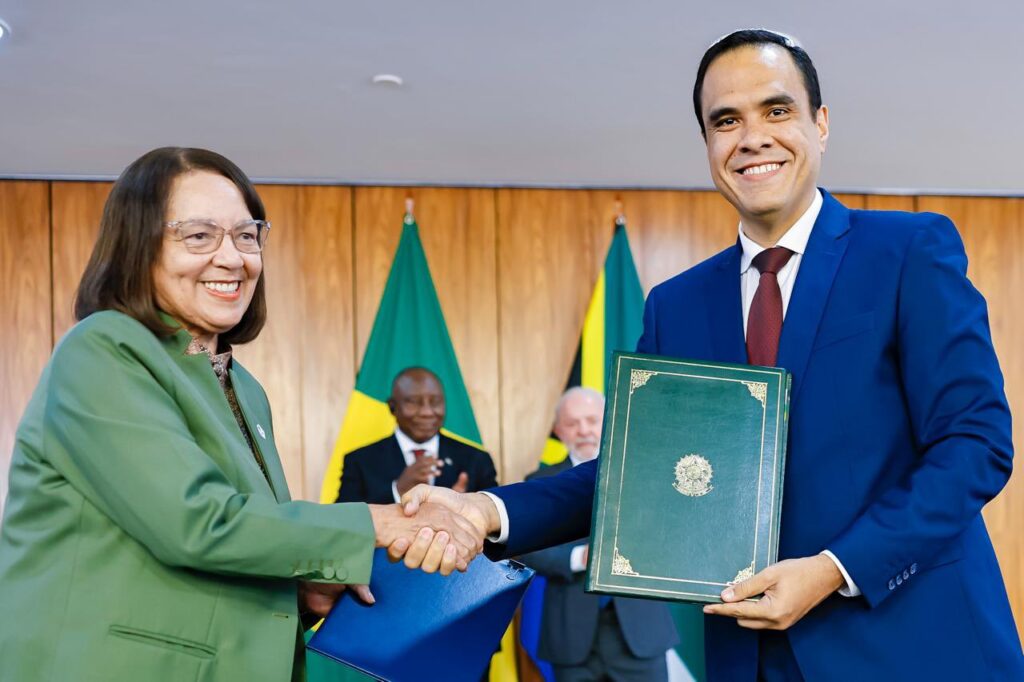
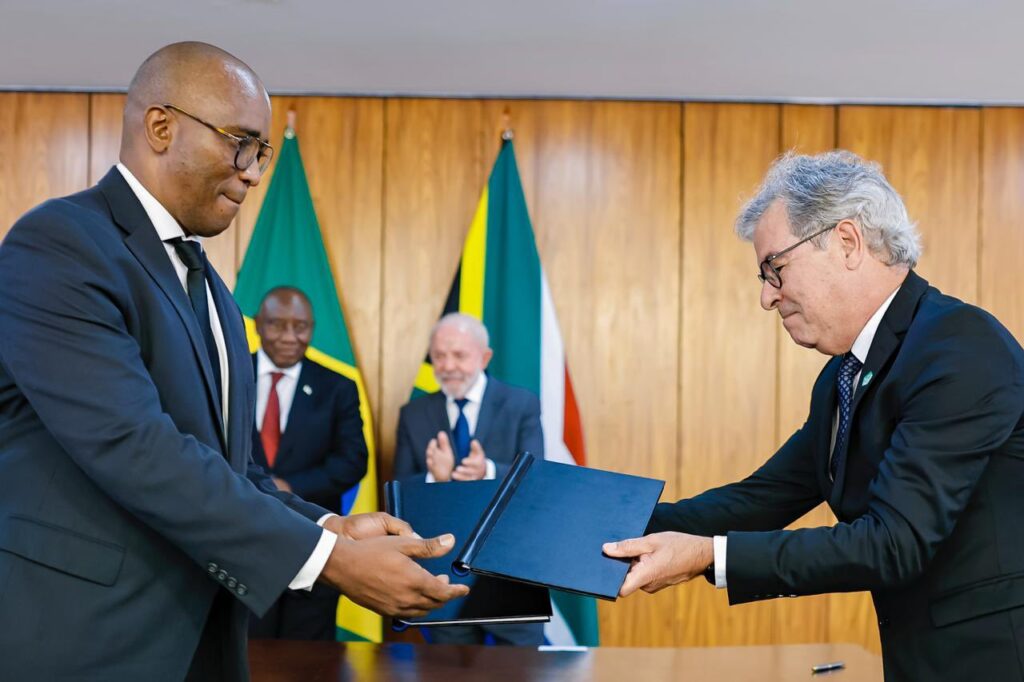
Concrete outcomes included the signing of a Memorandum of Intent on Agriculture—targeting agro-processing, value-added exports, and food security—and a Memorandum of Understanding on Basic Education to foster knowledge exchange. Additional instruments advanced trade and investment cooperation, including through Apex Brazil and South Africa’s Department of Trade. Leaders stressed accelerating the MERCOSUR–SACU Preferential Trade Agreement to enhance reciprocal access across over a thousand tariff lines. South Africa sought to boost exports (R5.2 billion in 2025), attract Brazilian investments in manufacturing, aviation, energy, mining, pharmaceuticals, and services, and expand tourism via direct flights—Brazil ranked as South Africa’s ninth-largest source market in 2025.
Strategic Outlook and Future Cooperation
Anchored in the South Africa–Brazil Joint Commission (with its eighth session scheduled for South Africa later in 2026), the visit reinforced fraternal ties and South-South cooperation. Both presidents reaffirmed roles in BRICS, IBSA, G77+China, and the G20, pledging to advance African Continental Free Trade Area integration and regional prosperity. Ramaphosa expressed optimism for tangible results from the momentum generated, including enhanced investments and reciprocal high-level exchanges. He extended an invitation for President Lula to visit South Africa soon. Overall, the state visit solidified a partnership poised to deliver shared development, stronger economic linkages, and amplified Global South influence on the world stage.