A major milestone in South Africa’s manufacturing and investment landscape has been reached in Ladysmith, KwaZulu-Natal, with Sumitomo Rubber South Africa (SRSA), the manufacturer of Dunlop tyres, marking the completion of its R1.7 billion investment programme at its Ladysmith manufacturing facility.
The investment represents a significant vote of confidence in South Africa’s manufacturing sector and further strengthens the longstanding economic relationship between South Africa and Japan.
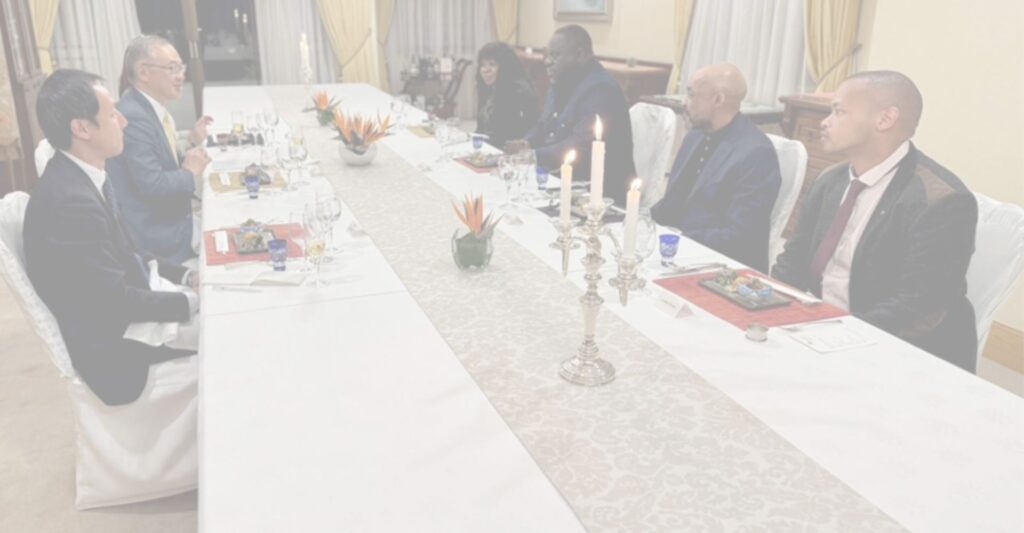
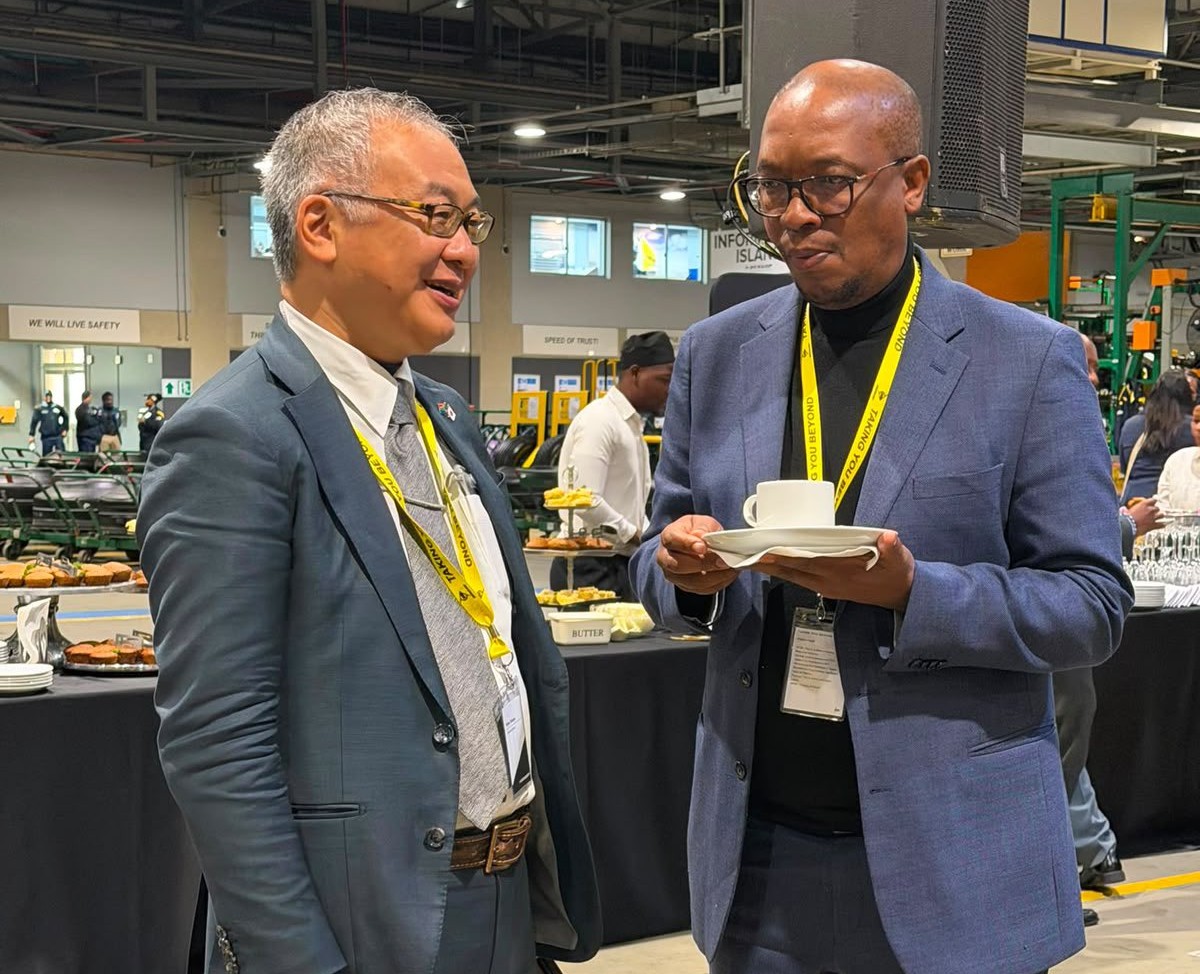
The milestone was marked at an event attended by Minister of Trade, Industry and Competition Parks Tau, as well as Ambassador of Japan to South Africa Fumio Shimizu, who graced the occasion and highlighted the importance of Japanese investment in South Africa.
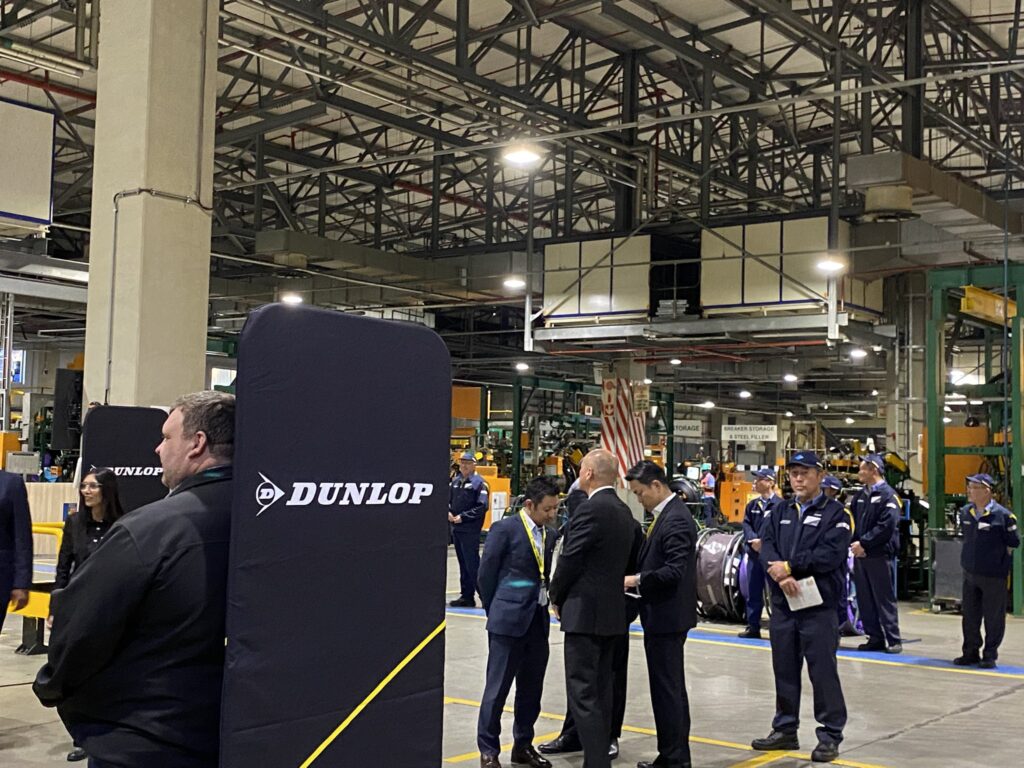
The Ladysmith facility, operated by Sumitomo Rubber South Africa under Japan-based Sumitomo Rubber Industries, has been an important part of the town’s industrial landscape for decades. The plant first began operations in 1973 and has developed into one of South Africa’s significant tyre manufacturing facilities.
R1.7 Billion Investment in Ladysmith Manufacturing
The R1.7 billion investment programme was announced as part of Sumitomo Rubber’s continued commitment to modernising and expanding its Ladysmith operations.
The investment has supported the introduction and upgrading of production equipment and manufacturing capabilities, enabling the facility to strengthen its production capacity and respond to growing demand for locally manufactured tyres.
Sumitomo Rubber previously announced that the investment would modernise the plant and enhance its ability to manufacture tyres for the South African and regional markets. The company manufactures Dunlop tyres in South Africa and also produces and distributes Sumitomo and Falken brands.
The investment is particularly significant within the context of South Africa’s industrial policy, which places a strong emphasis on localisation, manufacturing, investment attraction, exports and employment creation.
The Department of Trade, Industry and Competition has identified investment and industrialisation as important drivers of inclusive economic growth, with Minister Parks Tau placing employment creation and investment at the centre of the department’s economic agenda.


Hundreds of Employment Opportunities Supported
Beyond the physical investment in machinery, technology and production capacity, the Ladysmith operation has had a substantial impact on employment and skills development in the region.
The company has contributed to hundreds of permanent employment opportunities, while also supporting apprenticeships, learnerships, graduate programmes, in-service training and other skills-development initiatives.
Figures previously published by Sumitomo Rubber South Africa indicate that the company hired 1,257 people between 2014 and 2023 across permanent, temporary, fixed-term, graduate, apprenticeship and learnership categories. Importantly, about 90% of employees were residents of the uThukela District Municipality, demonstrating the plant’s significant local employment footprint.
The company’s investment therefore extends beyond manufacturing. It contributes to the development of technical skills, creates opportunities for local residents and strengthens the economic base of communities surrounding the plant.
A Major Stakeholder in Ladysmith’s Economy
Sumitomo Rubber South Africa has become an important stakeholder in the Ladysmith economy, with its operations contributing to employment, procurement, local business activity and broader economic development.
The company itself has previously described Dunlop as one of the largest employers in Ladysmith and highlighted the multiplier effect of its expenditure in the local economy.
Its procurement and operational activities also create opportunities for local suppliers and service providers, allowing the economic benefits of the manufacturing plant to extend beyond the factory gates.
The company’s presence is therefore important not only to the automotive and tyre manufacturing industries, but also to the wider commercial ecosystem of Ladysmith.
Strengthening South Africa-Japan Economic Relations
The completion of the investment also highlights the growing importance of Japanese companies as partners in South Africa’s industrial and economic development.
Ambassador Fumio Shimizu, representing Japan at the event, underscored the significance of the investment and the continued presence of Japanese business in South Africa.
Japanese investment has played an important role in South Africa’s automotive and manufacturing sectors, with Japanese companies contributing capital, technology, skills development and access to international value chains.
The Ladysmith investment is another example of how economic diplomacy can translate into tangible outcomes on the ground — from investment and manufacturing to employment and skills development.
The relationship between South Africa and Japan has also been supported by longstanding government-to-government and business-to-business engagement, with the Japanese Embassy regularly engaging with Japanese companies operating in the country.
Manufacturing for South Africa and the African Market
The Ladysmith plant serves not only the South African market but also forms part of Sumitomo Rubber’s broader manufacturing and distribution footprint across Africa.
The company has previously indicated that SRSA supplies tyre markets in several African countries, including Nigeria, Côte d’Ivoire, Kenya, Zambia and Zimbabwe.
This gives the Ladysmith facility strategic importance within regional value chains and supports South Africa’s ambitions to increase local manufacturing and exports.
The investment also strengthens the country’s position as a manufacturing base for automotive-related products serving both domestic and continental markets.
Investment as a Vote of Confidence in South Africa
The R1.7 billion investment is also significant because it demonstrates continued confidence by a major international company in South Africa’s manufacturing capabilities.
When the investment was originally announced, the then Minister of Trade, Industry and Competition, Ebrahim Patel, described it as a boost to local production and jobs and as a signal of international investor confidence in South Africa.
The investment forms part of a much broader history of capital investment by Sumitomo Rubber in Ladysmith. In 2018, the company officially launched a R970 million truck and bus radial tyre manufacturing facility, bringing investment in the Ladysmith facility since 2014 to more than R2 billion at that stage.
The continued investment demonstrates the strategic importance of the plant and the confidence of its Japanese parent company in its long-term future.
Ladysmith’s Industrial Future
For Ladysmith, the completion of the investment represents more than the modernisation of a factory. It reinforces the town’s position as an important manufacturing centre in KwaZulu-Natal and provides a foundation for continued industrial activity.
The plant’s contribution to employment, local procurement, skills development and manufacturing means that its success has implications for the wider uThukela region.
As South Africa seeks to attract more productive investment and strengthen domestic manufacturing, the Sumitomo Rubber investment provides an example of how international capital can contribute to local economic development.
With the completion of the R1.7 billion investment, Sumitomo Rubber South Africa’s Ladysmith operations are positioned to continue playing an important role in South Africa’s automotive manufacturing value chain, while remaining a major employer and economic stakeholder in Ladysmith.
The milestone also reinforces a broader message: international investment can have a meaningful local impact when it translates into factories, jobs, skills, suppliers and sustainable economic activity.
For Ladysmith, the continued presence and investment of Sumitomo Rubber means that one of the town’s most important industrial assets remains firmly connected to its economic future.