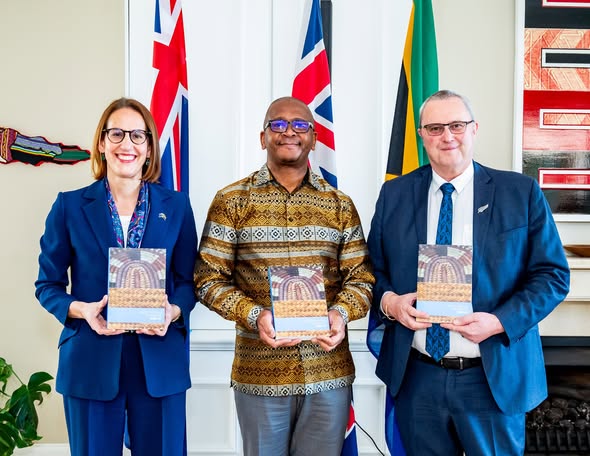
Australia and New Zealand have highlighted their commitment to effective multilateral cooperation with the launch of the 2026–27 United Nations Handbook, the 63rd edition of the longstanding reference publication on the United Nations system.
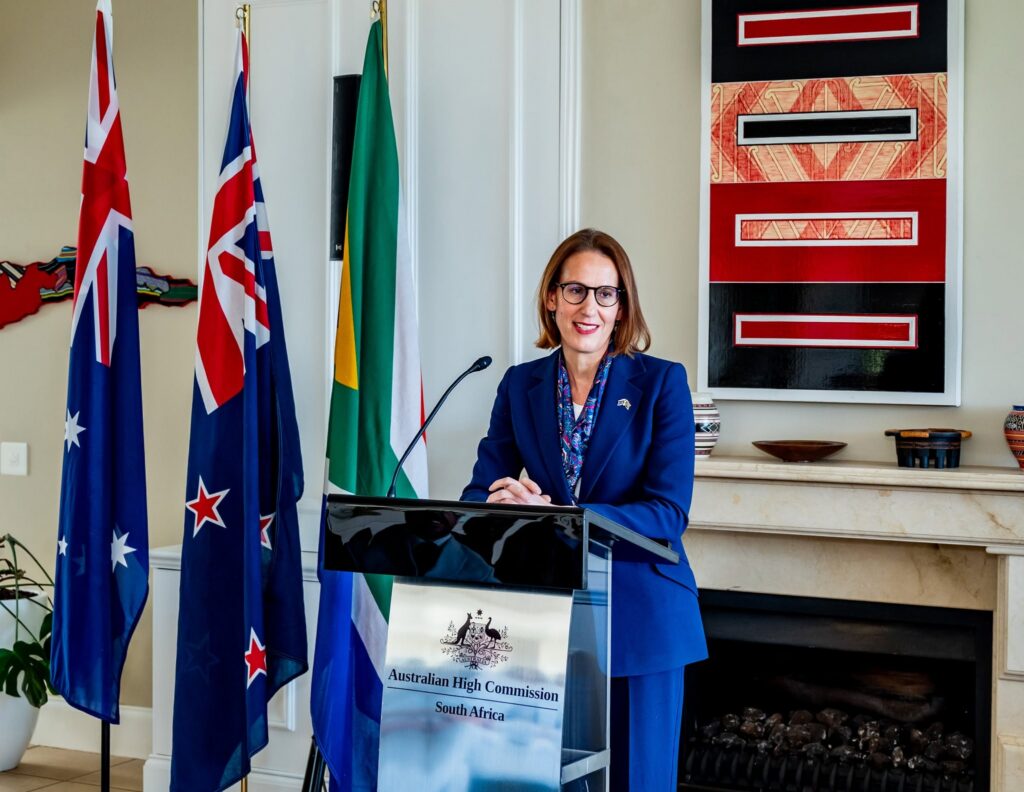
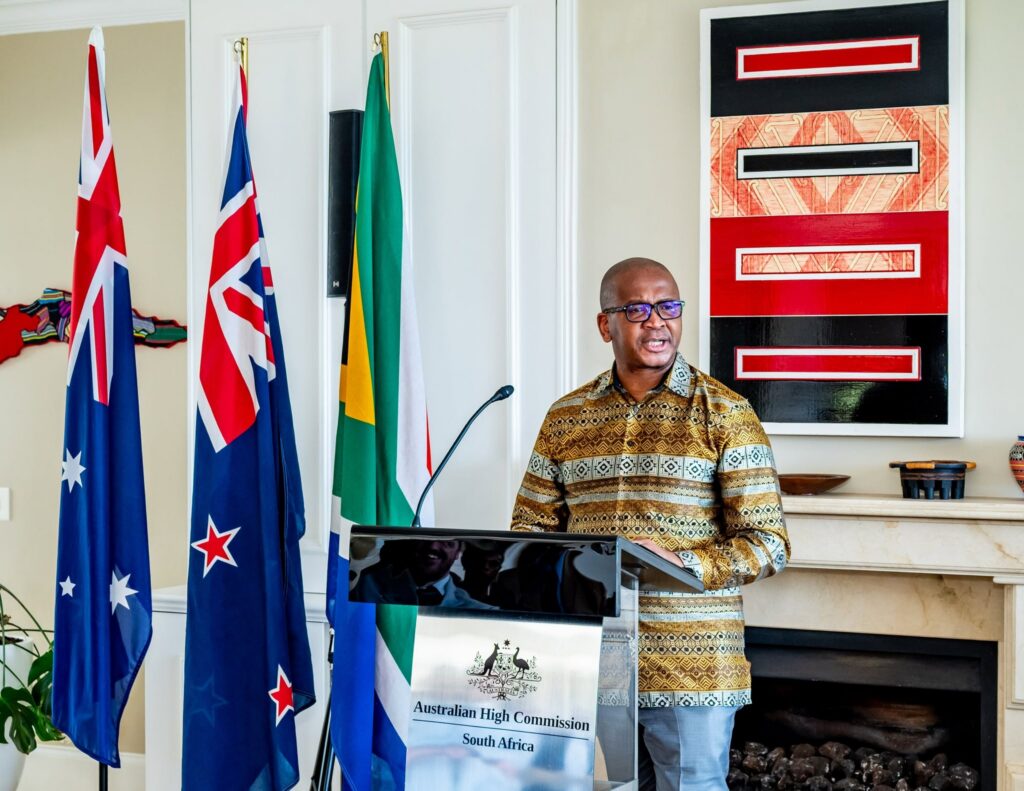
The launch brought together representatives of the diplomatic community, United Nations agencies and South African government officials, including Australian High Commissioner to South Africa Tegan Brink, New Zealand High Commissioner Philip Hewitt, and Ambassador Xolisa Mabhongo, Deputy Director-General for Global Governance and the Continental Agenda at the Department of International Relations and Cooperation (DIRCO).
The Australian High Commission in South Africa said the initiative reflects Australia’s support for a United Nations that is effective, responsive and capable of delivering outcomes for people and nations around the world.
A practical guide to the United Nations system
The 2026–27 United Nations Handbook serves as a practical reference for governments, diplomats, international organisations, researchers and others working with or within the UN system.
According to New Zealand’s Ministry of Foreign Affairs and Trade, the Handbook is designed to help users navigate the complex structure of the United Nations and understand its various institutions and processes. New Zealand has been producing the publication since 1961, making it a longstanding resource for those engaged in multilateral affairs.
The latest edition covers areas including UN bodies and agencies, mandates, reporting structures, membership arrangements and elections, providing Member States with an accessible overview of how the UN system operates.
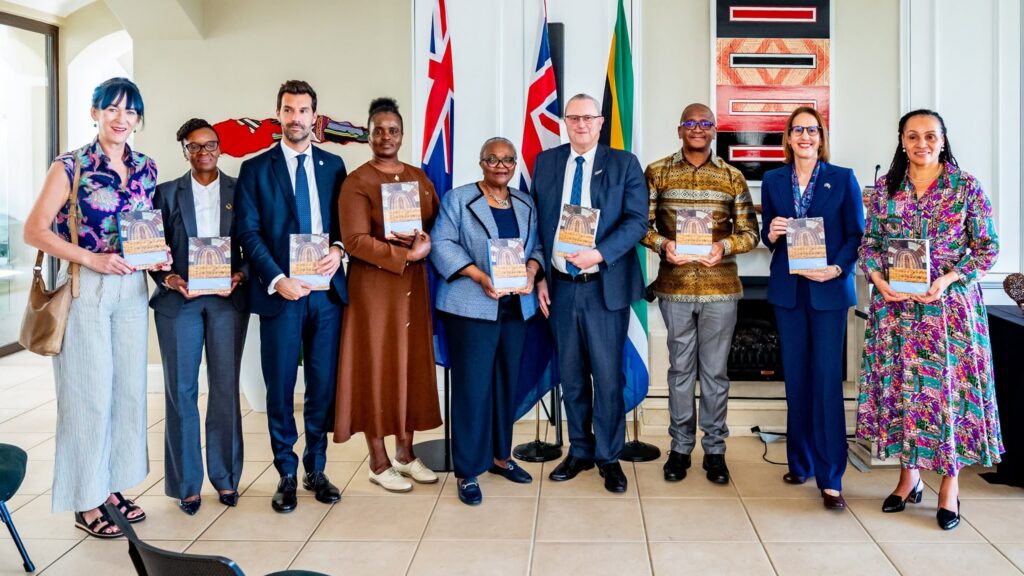
Australia and New Zealand’s role
The publication is produced jointly by the Australian Department of Foreign Affairs and Trade and the New Zealand Ministry of Foreign Affairs and Trade.
The 2026–27 edition continues a tradition that dates back more than six decades. The Handbook has evolved alongside the United Nations and remains a reference point for diplomats and officials seeking information about the organisation’s institutional architecture and operations.
The United Nations General Assembly’s official events calendar also records the launch of the 2026–27 edition on 9 September 2026 in New York.
Significance for Southern Africa
The launch in South Africa also provided an opportunity to reflect on the historical role of the United Nations in the Southern African region.
According to the Australian High Commission, the UN holds particular historical significance in Southern Africa because of its role in supporting self-determination, independence and democracy.
For the region’s diplomatic community, the Handbook therefore serves not only as a technical reference but also as a resource for understanding the multilateral structures through which states engage on international issues.


Strengthening multilateral cooperation
The launch comes amid continued discussions about the effectiveness and future of multilateral institutions.
Australia said it remains committed to working with partners across Southern Africa and globally to strengthen effective multilateral cooperation. The joint production of the Handbook by Australia and New Zealand provides a practical contribution to that objective by making information about the UN system more accessible to Member States and other stakeholders.
The 2026–27 United Nations Handbook is available through the New Zealand Ministry of Foreign Affairs and Trade.