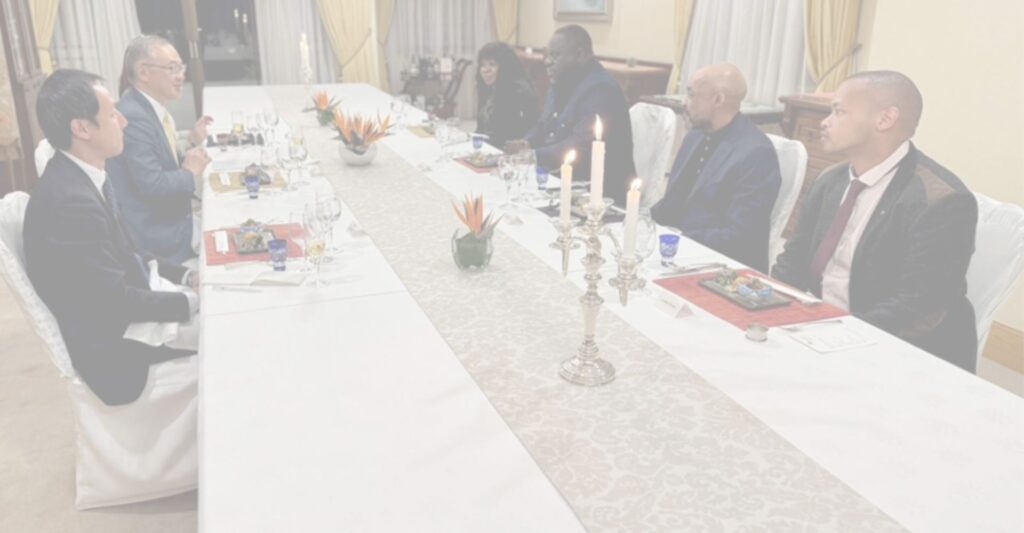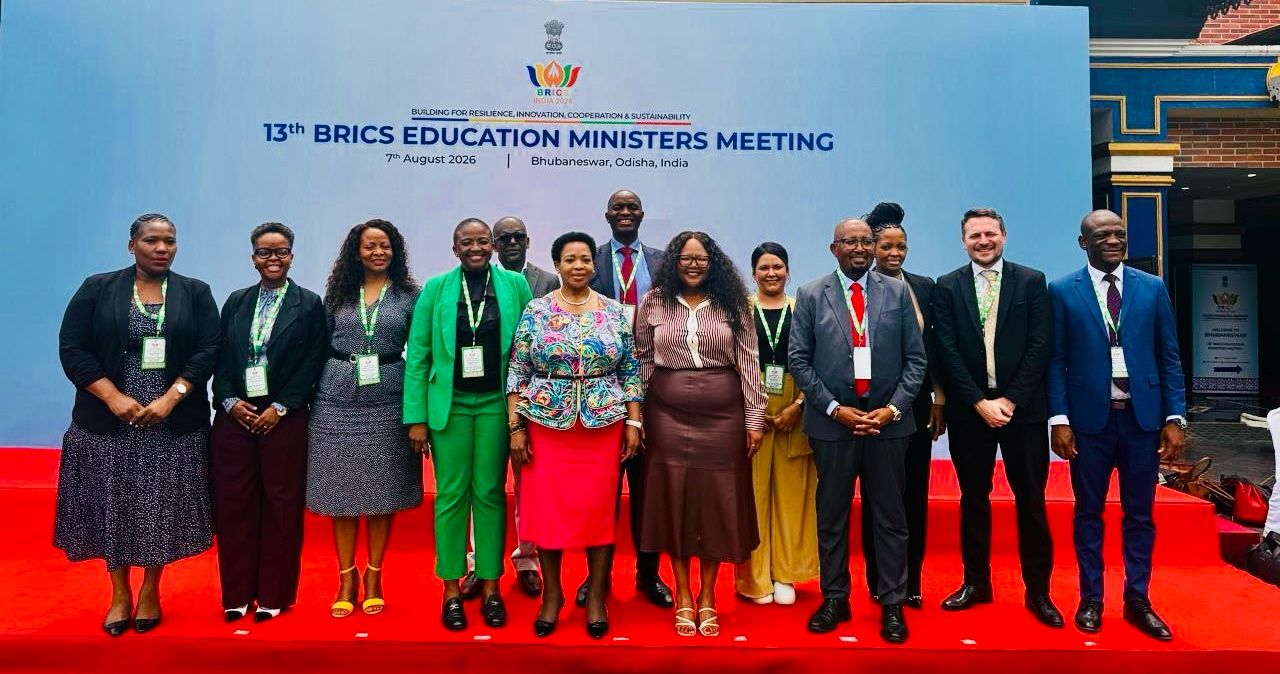
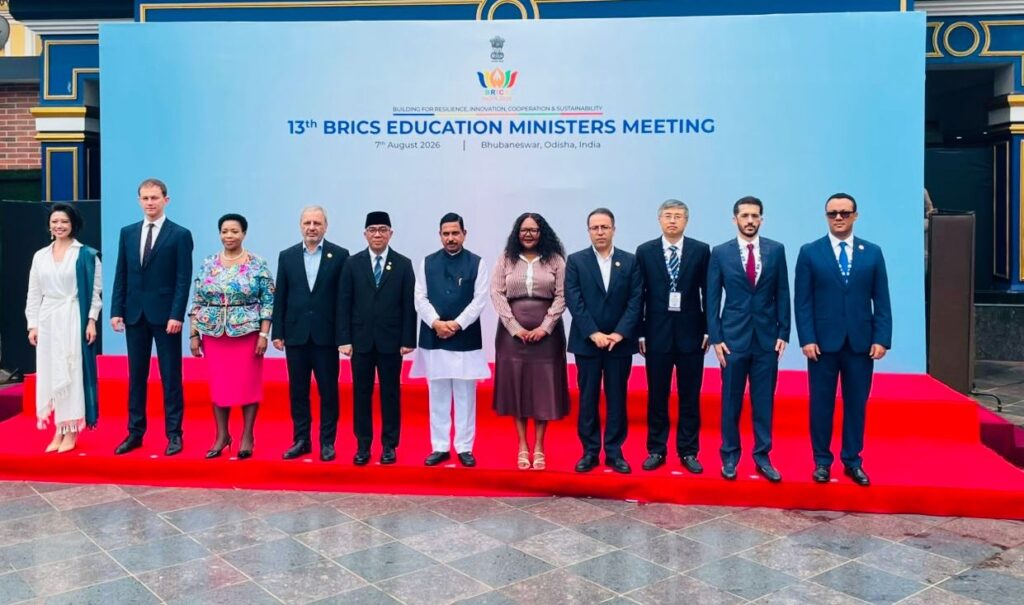
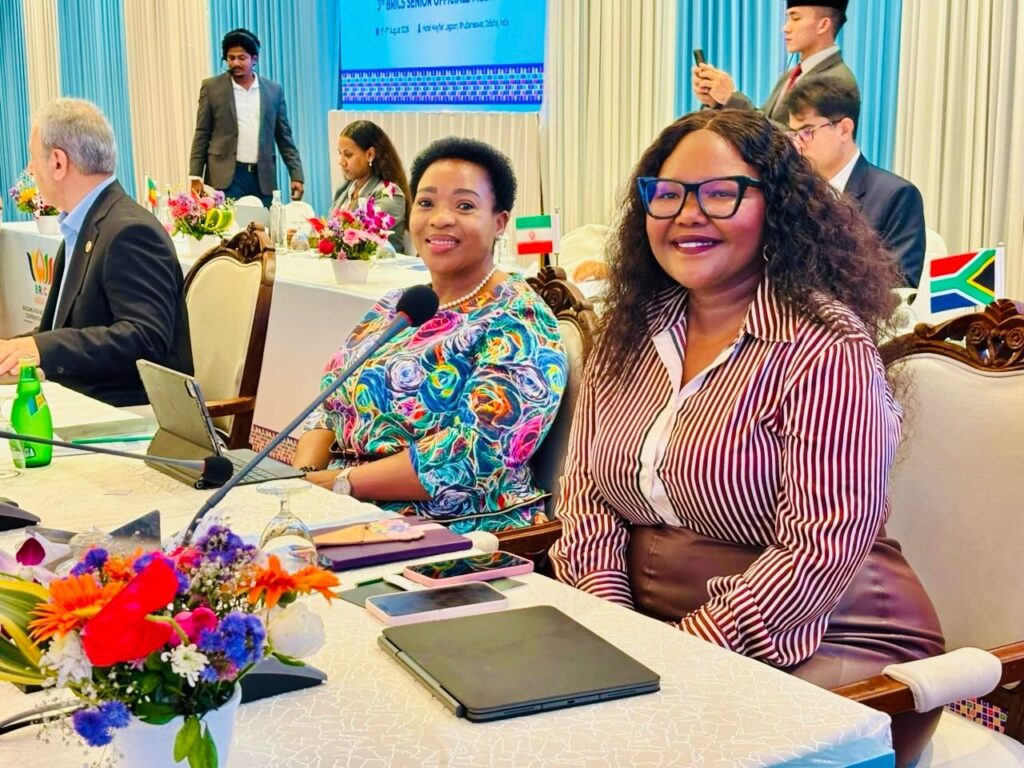
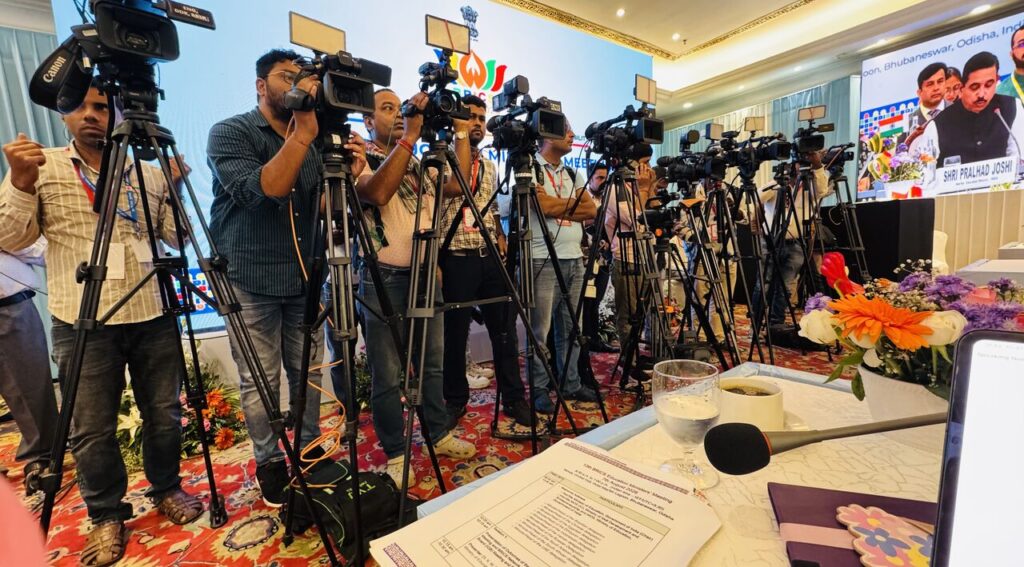
South Africa has reaffirmed its commitment to strengthening education cooperation among BRICS countries, with a high-level delegation led by Minister of Basic Education Siviwe Gwarube and Deputy Minister of Higher Education and Training Nomusa Dube-Ncube participating in the 13th BRICS Education Ministers Meeting in Bhubaneswar, Odisha, India.
The meeting brought together education ministers and senior representatives from BRICS member states to advance cooperation across the education continuum, including early childhood care and education, foundational learning, skills development, higher education, research and innovation.
A key outcome of the ministerial meeting was the adoption of the Bhubaneswar Declaration, which provides a framework for strengthening cooperation among BRICS countries on shared education priorities.
South Africa’s Delegation at BRICS Education Ministers Meeting
The South African delegation was led by Minister of Basic Education Siviwe Gwarube, alongside Deputy Minister of Higher Education and Training Nomusa Dube-Ncube.
Their participation reflected South Africa’s whole-of-education approach to BRICS cooperation, bringing together priorities spanning both basic and higher education.
The delegation’s engagement also highlighted the importance of ensuring that cooperation within BRICS responds to the full education journey of young people — from early childhood development and foundational learning through to skills development, higher education, research and preparation for the future of work.
South Africa Champions Early Childhood and Foundational Learning
One of South Africa’s key priorities at the meeting was the importance of Early Childhood Care and Education (ECCE) and foundational learning.
Minister Gwarube emphasised that international cooperation must ultimately translate into better opportunities for children and young people at home.
This means ensuring that children receive the strongest possible start to their education, learners develop confidence in reading and mathematics, young people have credible pathways into further learning and skills development, and future generations are equipped to navigate a rapidly changing world of work.
South Africa also used its voice within BRICS to advocate for early childhood care and education and foundational learning to become standing, year-on-year priorities across successive BRICS Chairships.
The approach seeks to ensure that critical education priorities remain on the BRICS agenda beyond individual presidencies.
Education Priorities Must Outlast Diplomatic Cycles
A central message from South Africa was that the development of children cannot be dictated by diplomatic cycles.
Minister Gwarube reiterated that children’s development does not follow diplomatic cycles and that neither should the international community’s commitment to their earliest learning.
The position underscores the importance of continuity in education policy and international cooperation, particularly in areas such as early childhood development and foundational literacy and numeracy, where sustained investment can have long-term consequences.
Foundational Learning and Future Skills Go Hand in Hand
South Africa also highlighted the relationship between foundational learning and future skills.
These priorities should not be viewed as competing areas of investment. Instead, strong foundational competencies provide the basis upon which young people can develop the specialised skills required by modern economies.
Whether a young person eventually becomes an artisan, coder, entrepreneur or engineer, the ability to read with understanding, work confidently with numbers, communicate effectively and solve problems remains essential.
This approach places foundational learning at the centre of South Africa’s broader efforts to prepare young people for further education, skills development and employment.
Strengthening BRICS Cooperation on Education
The Bhubaneswar meeting provided an important platform for BRICS countries to strengthen cooperation in education and related areas.
The focus extended from early childhood education and foundational learning to skills development, higher education, research and innovation, reflecting the increasingly important connection between education systems and economic development.
For South Africa, BRICS cooperation provides an opportunity to exchange experiences, strengthen partnerships and advance shared priorities while ensuring that international cooperation contributes to tangible improvements in the country’s education system.
The participation of both the Basic Education and Higher Education and Training leadership further demonstrated the importance of connecting different stages of the education and skills-development pipeline.
South Africa’s Broader BRICS Education Agenda
South Africa’s engagement at the 13th BRICS Education Ministers Meeting forms part of its broader participation in BRICS cooperation during India’s 2026 BRICS Chairship.
By advocating for foundational learning and early childhood education alongside skills development, higher education, research and innovation, South Africa is positioning education as an important pillar of sustainable development and economic transformation.
The adoption of the Bhubaneswar Declaration provides an opportunity for BRICS countries to build on these commitments and strengthen practical cooperation in the years ahead.
For South Africa, the message from Bhubaneswar is clear: strong educational foundations are essential to building strong futures.
As BRICS cooperation continues to evolve, sustained attention to early childhood development, foundational learning, skills, higher education, research and innovation will remain critical to equipping young people to participate meaningfully in the economies and societies of the future.