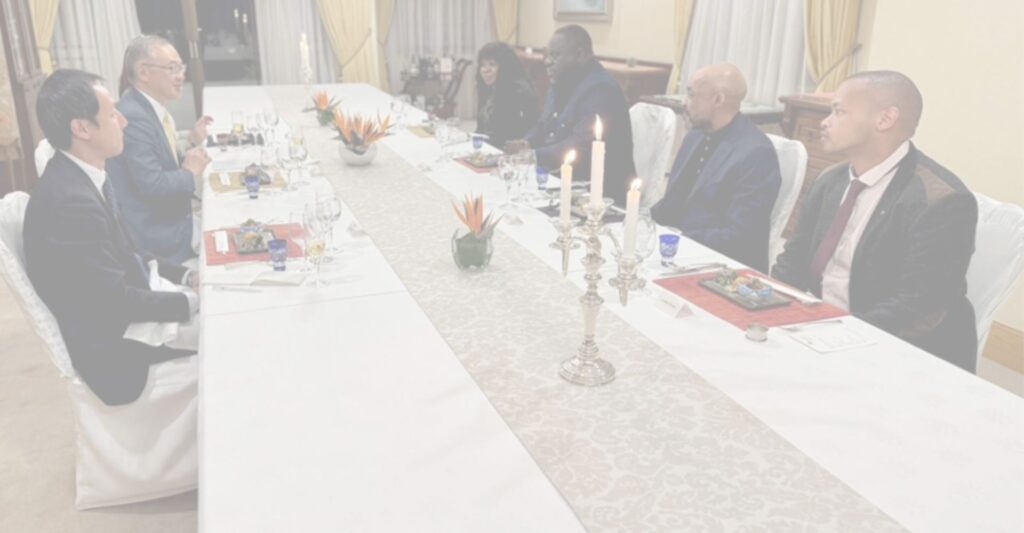
In the public imagination, diplomacy is often defined by handshakes, press conferences, and high-level visits. But beyond the cameras lies a quieter, more powerful system — one that keeps governments informed and connected across continents.
Welcome to the world of diplomatic cables.
What Are Diplomatic Cables?
Diplomatic cables are secure, official messages exchanged between a government’s foreign ministry and its embassies, high commissions, and consulates abroad. They are the backbone of day-to-day diplomacy — a constant flow of information shaping decisions at the highest levels.
Every embassy sends and receives these communications, often daily.
They are not casual emails. They are structured, classified, and carefully worded reports that reflect a country’s interests, priorities, and strategy.
What Do They Contain?
Diplomatic cables cover a wide range of issues, including:
- Political developments in the host country
- Economic trends and investment opportunities
- Security risks and emerging threats
- Outcomes of meetings with government officials
- Analysis of public sentiment and policy direction
In essence, they help governments understand what is happening beyond their borders — in real time.
From Telegraphs to Encryption
The term “cable” dates back to the 19th century, when messages were sent عبر telegraph lines connecting continents. While the technology has evolved, the name has remained.
Today, diplomatic cables are transmitted through highly secure, encrypted digital systems designed to protect sensitive information. These systems ensure confidentiality, integrity, and authenticity — critical elements in international relations.
In a world of cyber threats and geopolitical competition, secure communication is not optional — it is essential.
Why They Matter
Diplomatic cables are more than just reports. They are tools of strategy.
Through these messages, governments:
- Stay informed about global developments
- Shape foreign policy decisions
- Coordinate responses to crises
- Protect national interests abroad
A well-crafted cable can influence decisions at the highest levels of government. It can provide early warnings, highlight opportunities, and offer insight that may not be visible through public sources.
The Work Behind the Message
Drafting a diplomatic cable is a skill in itself.
Diplomats must be:
- Precise in their language
- Objective in their analysis
- Strategic in their recommendations
Every word matters. A single cable may be read by senior officials, ministers, or even heads of state.
It is diplomacy in its most disciplined form — quiet, analytical, and deeply consequential.
The Invisible Lifeline of Diplomacy
Diplomatic cables rarely make headlines. They are not meant to.
Yet, they form an invisible network connecting governments to their missions abroad — ensuring that decisions are informed, coordinated, and timely.
They are, in many ways, the lifeblood of diplomacy.
From Social Media to Deeper Insight
If you discovered this topic through our short video, this is just the beginning.
At Diplomacy SA, we break down the hidden systems, roles, and processes that shape international relations — making diplomacy accessible, practical, and relevant.
Follow us for more insights into:
- How embassies operate behind the scenes
- The roles of diplomats across different sectors
- The real mechanics of global engagement
Because diplomacy isn’t only what you see — it’s also what happens quietly, behind closed doors.