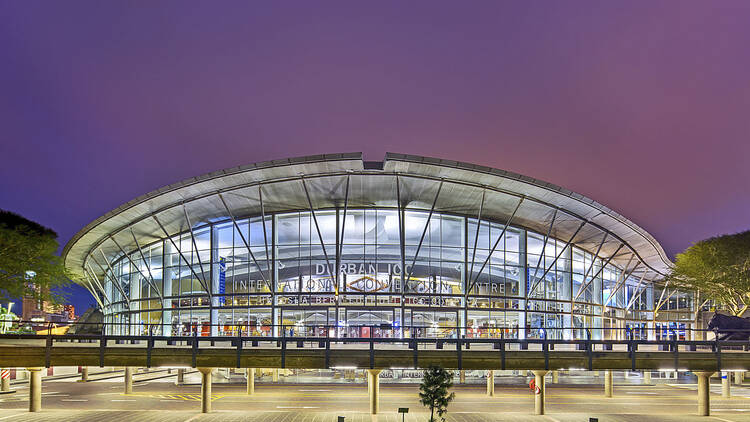
Southern Africa’s policymakers, business leaders, investors, development finance institutions, academics and industry experts are preparing to converge in Durban for the 9th SADC Industrialisation Week (SIW) 2026, one of the region’s most significant annual platforms dedicated to advancing industrialisation, regional integration and sustainable economic development.
Taking place from 27 to 31 July 2026, the week-long programme will be hosted by South Africa on the margins of the 46th SADC Summit of Heads of State and Government, bringing together governments and the private sector to accelerate implementation of the SADC Industrialisation Strategy and Roadmap 2015–2063.
Theme Focuses on Resilient and Inclusive Industrialisation
This year’s theme is:
“Resilient, sustainable and inclusive industrialisation through infrastructure development, agricultural and critical minerals transformation in pursuit of a just world.”
The theme reflects the region’s commitment to transforming its abundant natural resources into higher-value manufactured products while strengthening industrial competitiveness, expanding regional value chains and creating inclusive economic opportunities across Southern Africa.
Why SADC Industrialisation Week Matters
Despite possessing vast reserves of strategic minerals, fertile agricultural land and significant energy resources, the SADC region continues to export much of its raw materials with limited value addition.
The SADC Industrialisation Strategy seeks to reverse this trend by promoting:
- Industrial diversification
- Manufacturing growth
- Regional value chains
- Infrastructure development
- Investment mobilisation
- Increased intra-SADC trade
- Greater private sector participation
- Job creation through industrial development
Industrialisation Week has become the premier platform where governments and business jointly develop practical solutions to accelerate implementation of these priorities.
What to Expect During SADC Industrialisation Week 2026
The 2026 programme is expected to feature a wide range of high-level engagements designed to strengthen regional cooperation and unlock new investment opportunities.
High-Level Policy Dialogues
Senior government officials, ministers, policymakers and regional leaders will deliberate on policies aimed at strengthening industrial competitiveness, improving investment climates and enhancing regional economic integration.
Investment and Business Forums
One of the key attractions will be dedicated investment sessions connecting governments with:
- Investors
- Development Finance Institutions (DFIs)
- Commercial banks
- Private sector executives
- Entrepreneurs
- Regional businesses
These engagements are expected to showcase bankable investment opportunities across infrastructure, manufacturing, logistics, mining, agriculture and energy.
Business-to-Business (B2B) Networking
The event will facilitate extensive B2B networking sessions where companies from across Southern Africa can establish partnerships, explore new markets and strengthen regional supply chains.
Regional Exhibition
A major exhibition will showcase:
- Innovative technologies
- Industrial products
- Manufacturing capabilities
- Investment projects
- Emerging enterprises
- Government initiatives
- Regional business opportunities
The exhibition will provide visibility for both established corporations and Small and Medium Enterprises (SMEs).
Industrial Site Visits
Delegates will also participate in organised visits to selected:
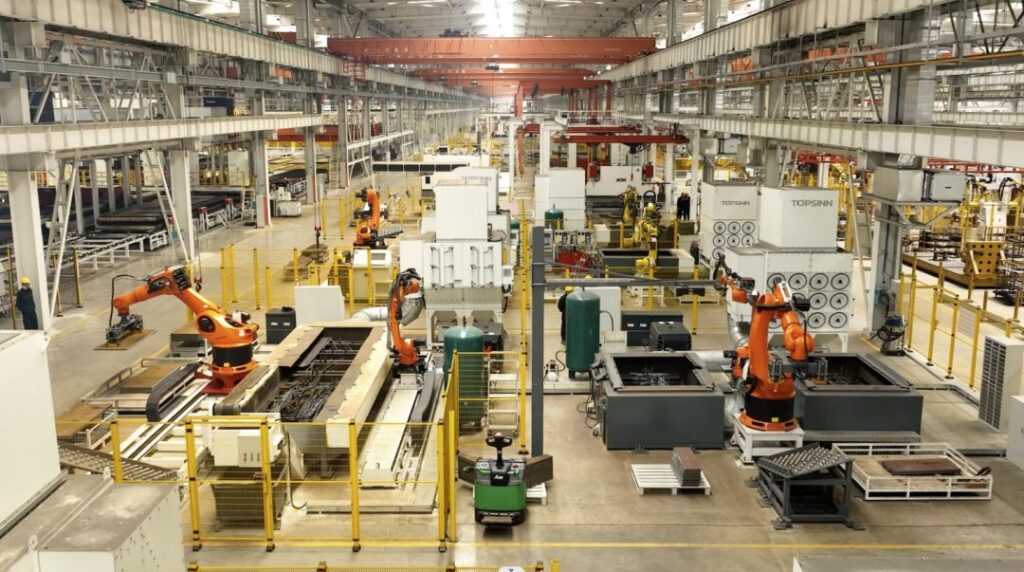
- Manufacturing plants
- Industrial facilities
- Special Economic Zones (SEZs)
- Value-addition projects
These visits will demonstrate South Africa’s industrial capabilities while promoting investment opportunities within the host country.
Major Discussion Areas
This year’s discussions will span several strategic sectors considered essential for Southern Africa’s long-term economic transformation.
Among the major priorities are:
Infrastructure Development
Infrastructure remains central to industrialisation, with discussions expected to focus on:
- Transport corridors
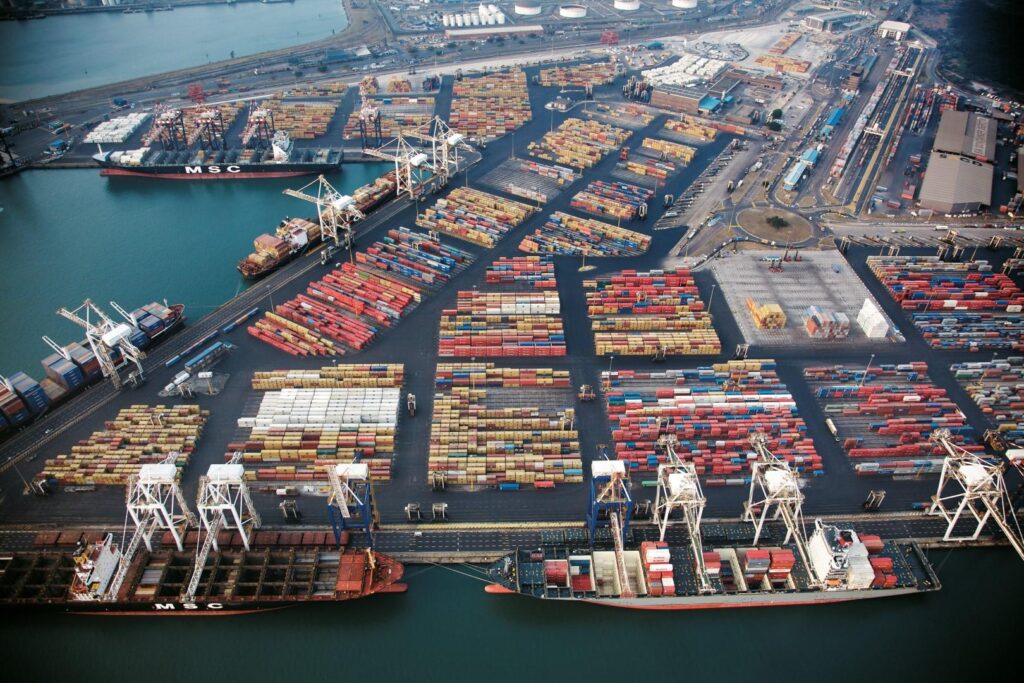
- Ports
- Border efficiency
- Logistics systems
- Industrial parks
- Digital infrastructure
Improved infrastructure is viewed as essential for reducing trade costs and improving regional competitiveness.
Critical Minerals Beneficiation
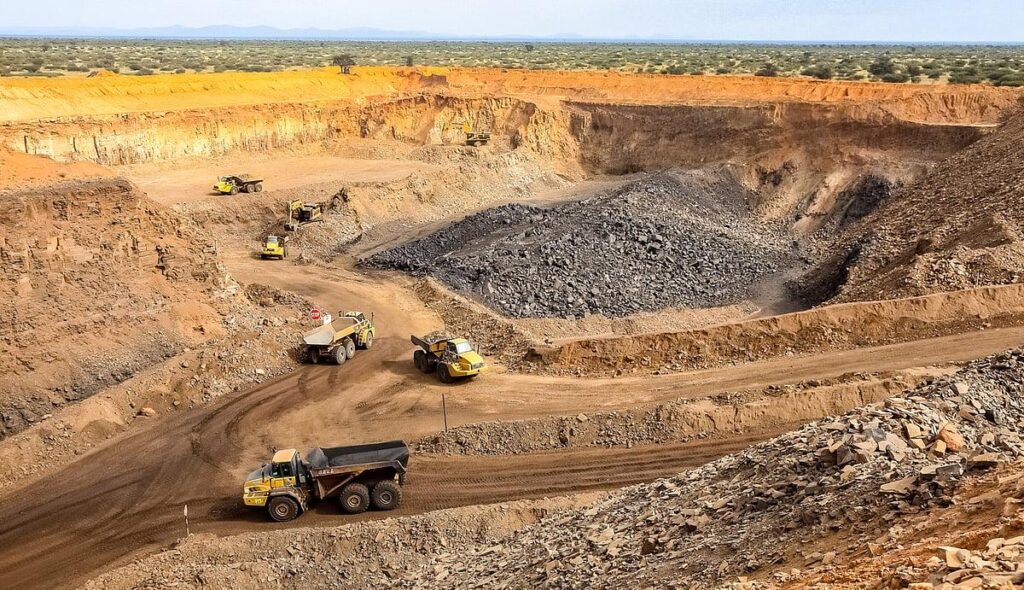
Southern Africa possesses many of the world’s critical minerals required for modern industries, including battery manufacturing and renewable energy technologies.
Rather than exporting raw minerals, delegates will explore strategies to increase:
- Local processing
- Mineral beneficiation
- Battery value chains
- Green manufacturing
- Industrial processing industries
Regional Value Chains
Developing regional value chains remains one of the cornerstones of the SADC Industrialisation Strategy.
Priority sectors include:
- Agro-processing
- Manufacturing
- Pharmaceuticals
- Automotive
- Mining
- Tourism
- Logistics
Strengthening these sectors is expected to increase intra-African trade while reducing dependence on imports.
Energy Security
Reliable energy continues to be one of the biggest enablers of industrial growth.
The conference will examine:
- Renewable energy investment
- Regional electricity integration
- Industrial energy systems
- Energy infrastructure
- The Just Energy Transition
Digital Transformation
Technology will also feature prominently, with discussions around:
- Artificial Intelligence (AI)
- Smart manufacturing
- Digital trade platforms
- Innovation ecosystems
- Advanced industrial technologies
These innovations are increasingly viewed as essential for improving productivity and competitiveness.
Women and Youth at the Centre of Industrialisation
A significant feature of SIW 2026 will be its emphasis on ensuring that women and young entrepreneurs play a greater role in regional industrial development.
Discussions are expected to cover:
- Entrepreneurship
- Skills development
- Innovation
- Digital inclusion
- Access to finance
- Participation in regional value chains
The objective is to ensure that industrialisation delivers inclusive economic growth across all segments of society.
Bringing Public and Private Sectors Together
SADC Industrialisation Week continues to distinguish itself by serving as the region’s largest platform for collaboration between governments and the private sector.
Participants are expected to include:
- SADC Member States
- Government ministries
- Private sector organisations
- Development Finance Institutions
- Academia
- Research institutions
- Civil society
- Multinational corporations
- SMEs
- Development partners
- Industry experts
The event is designed not only for policy discussions but also to produce practical partnerships, investment commitments and collaborative projects.