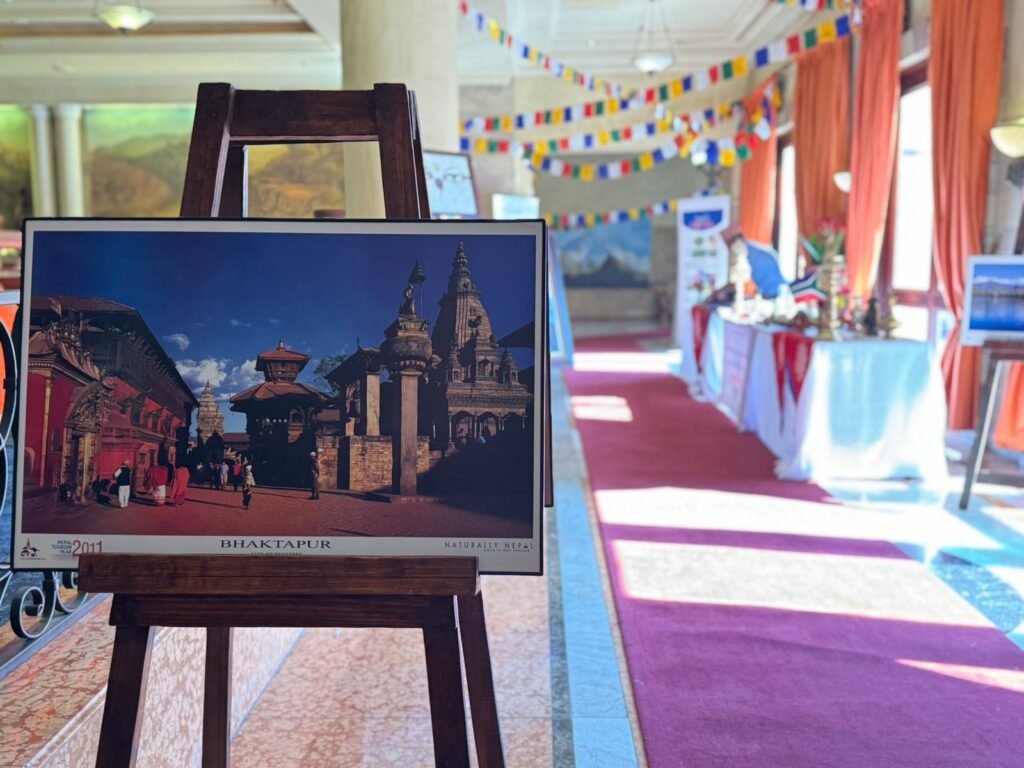
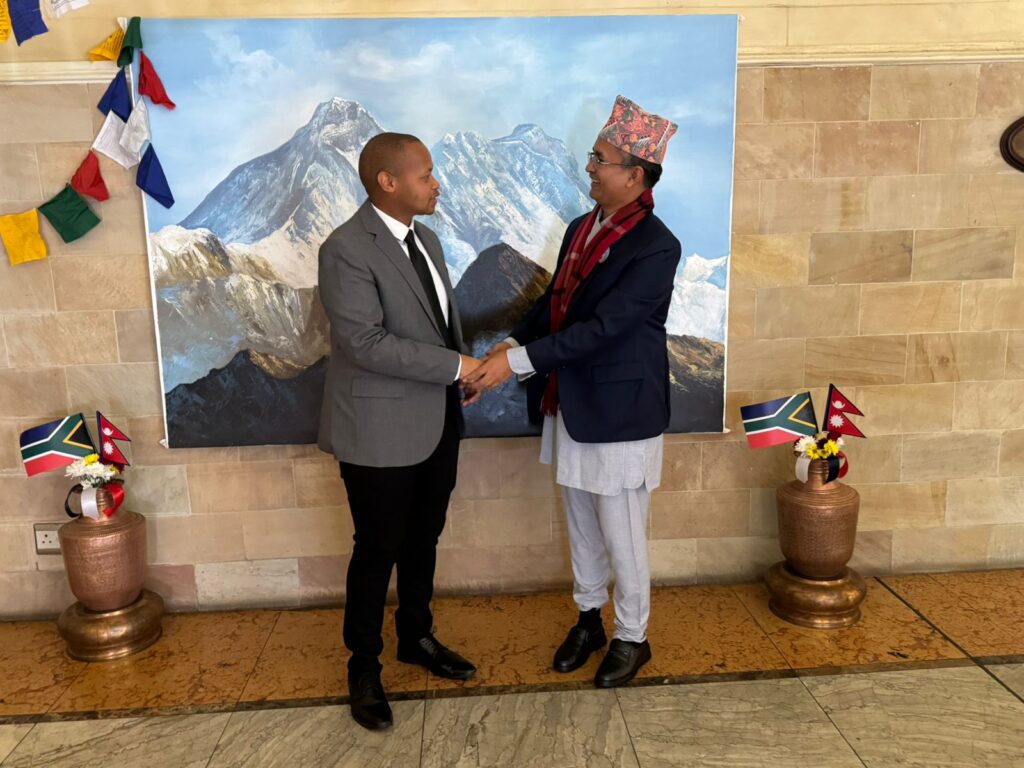
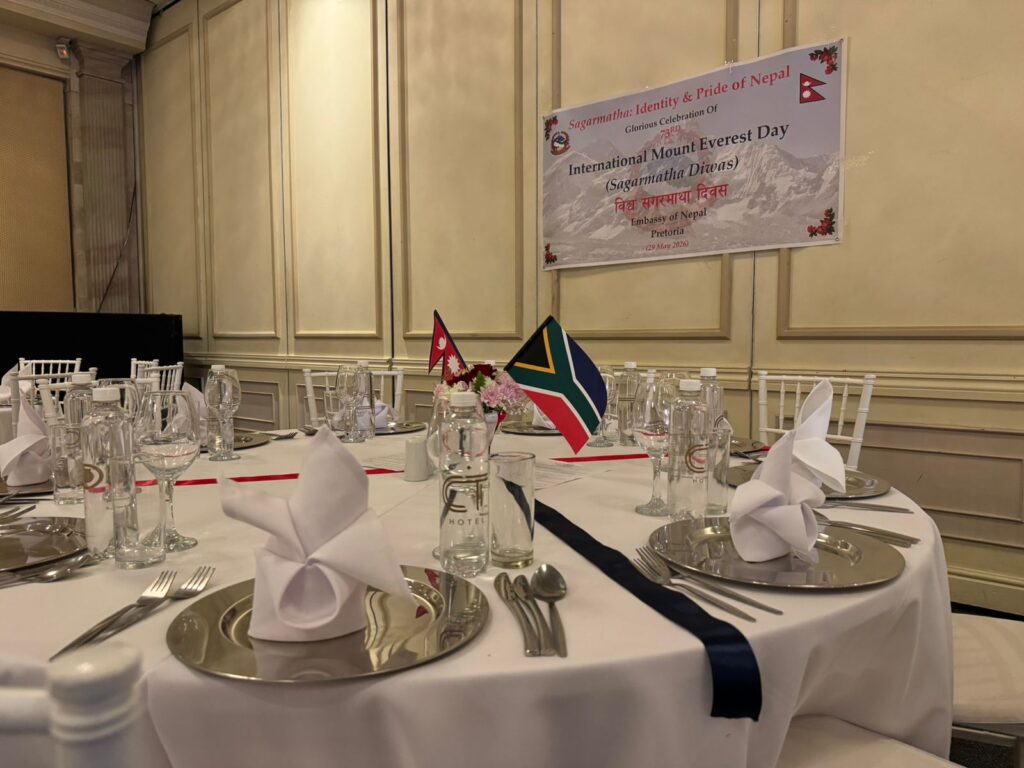
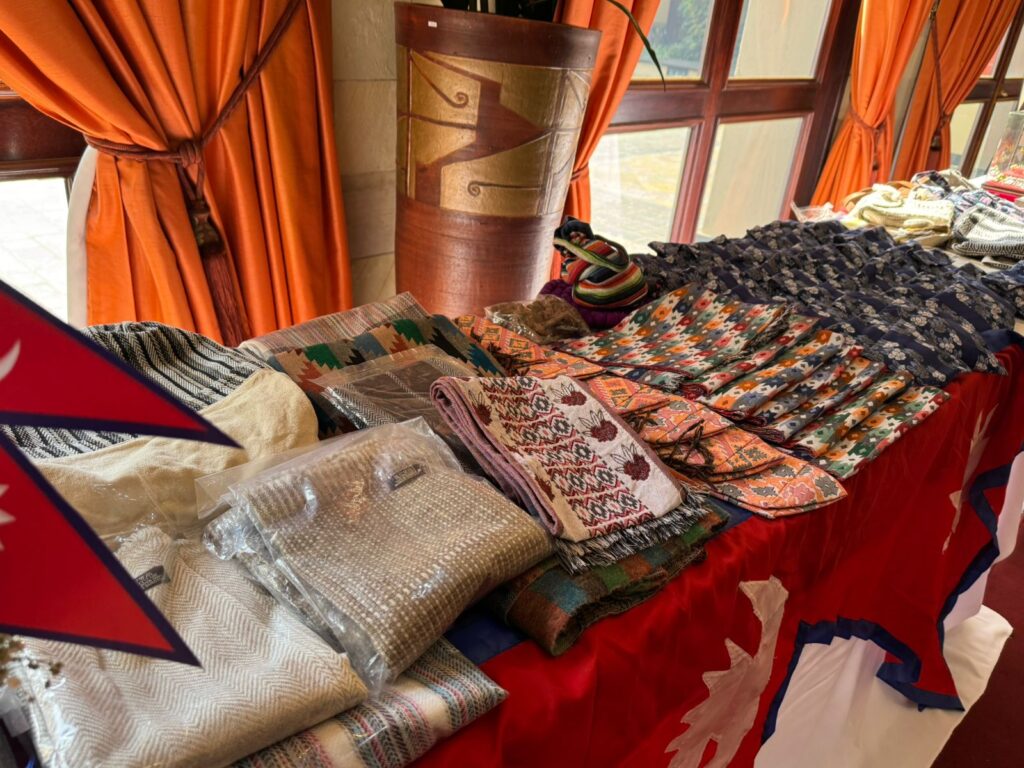
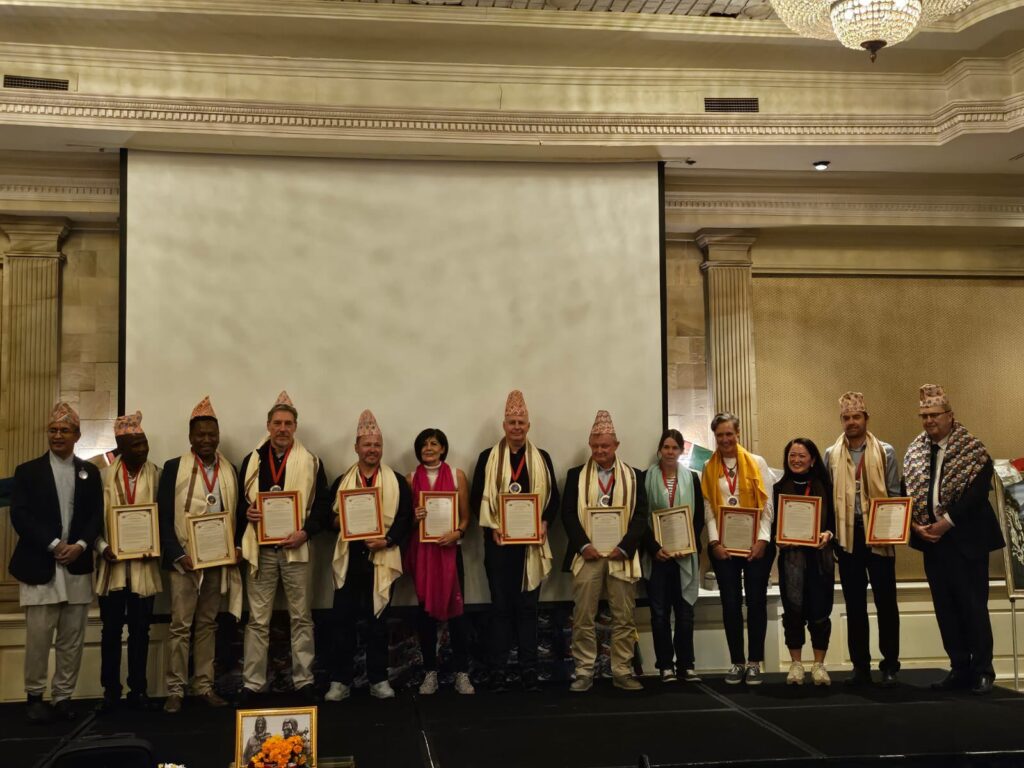
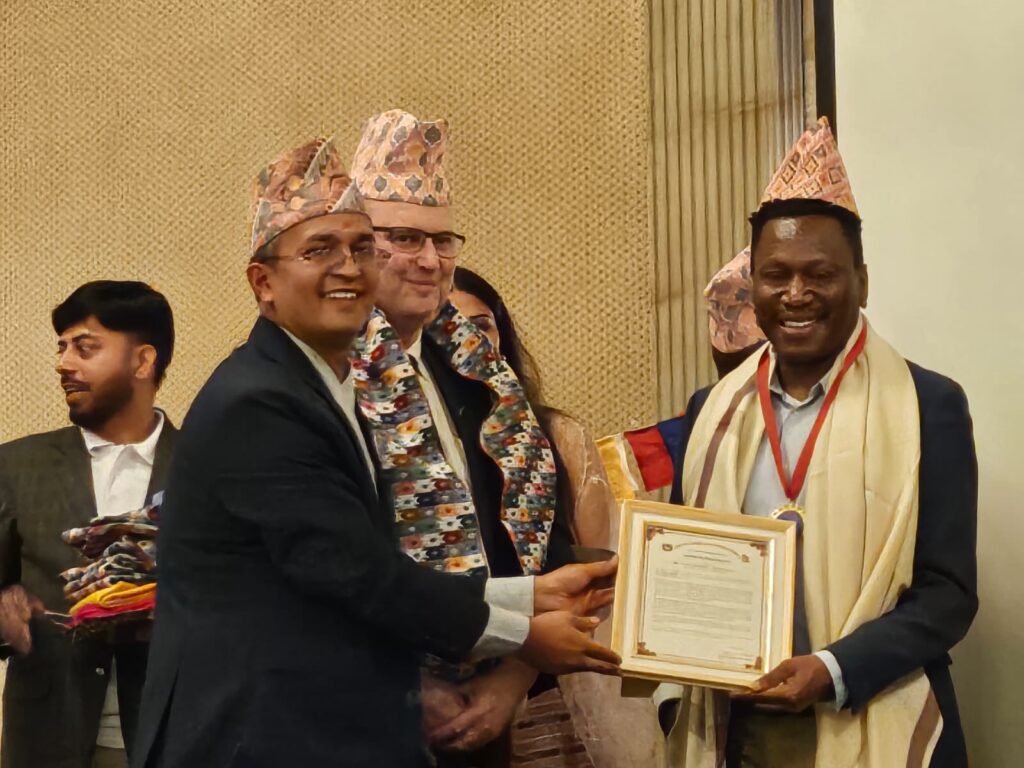
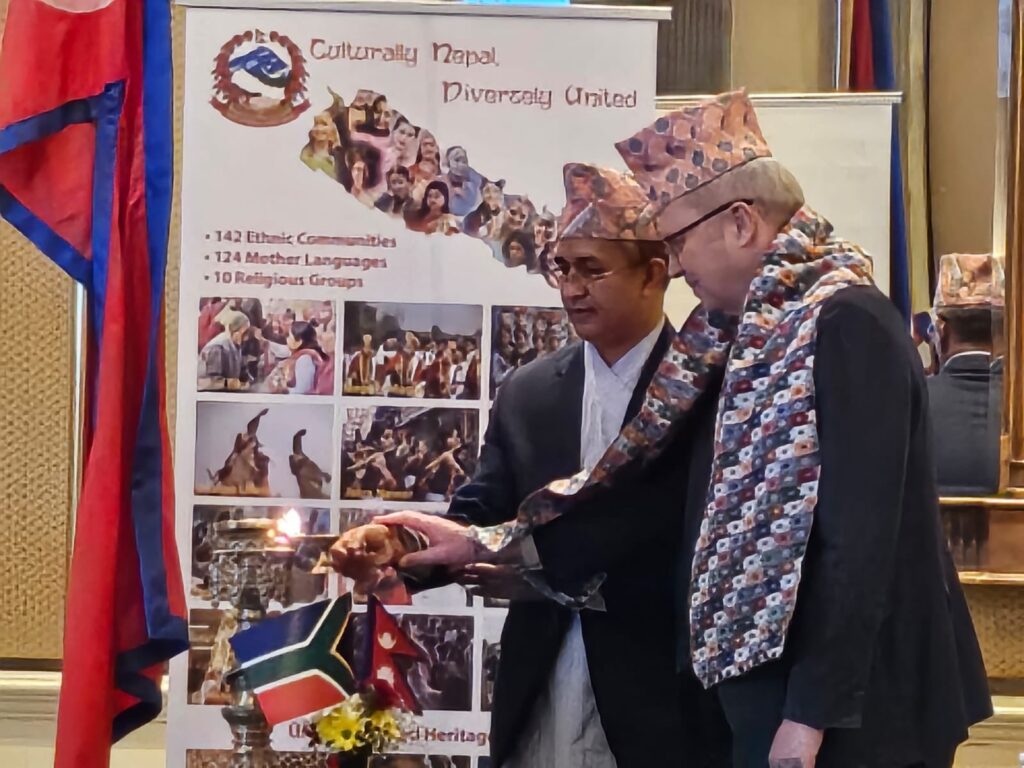
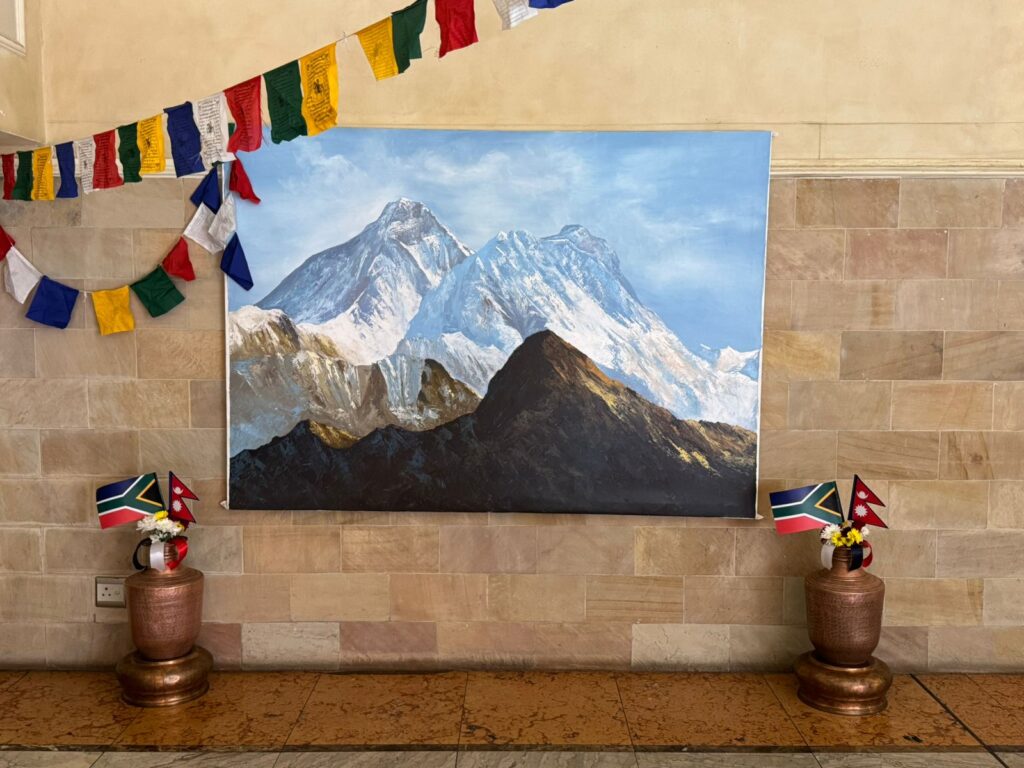
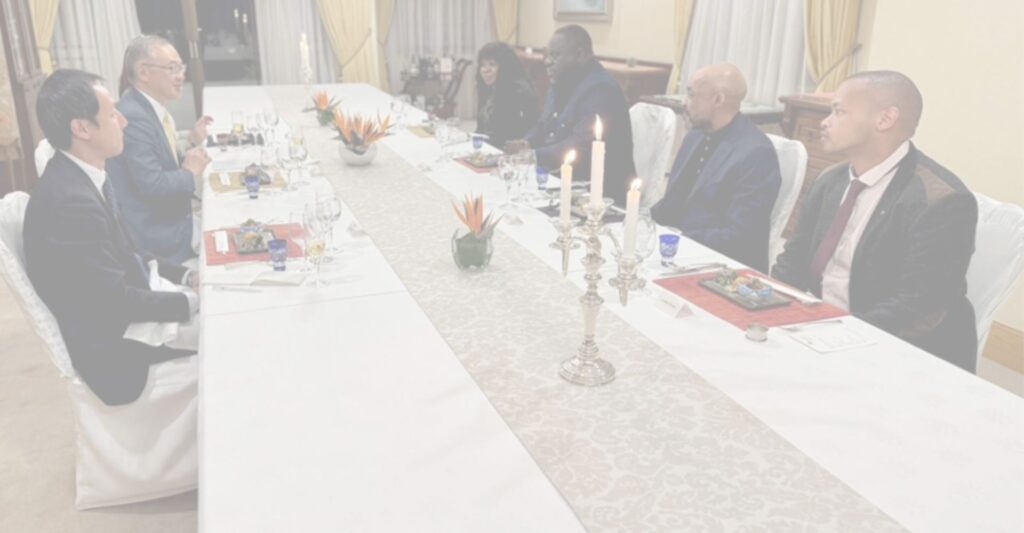
The Embassy of Nepal in Pretoria commemorated the 19th International Mount Everest (Sagarmatha) Day, bringing together diplomats, government representatives, members of the business community, adventurers and friends of Nepal to celebrate one of the world’s most remarkable natural landmarks and symbols of human endurance. The event was held in Pretoria on 29 May 2026.
Honouring the World’s Highest Peak
International Mount Everest Day is observed annually by Nepal to commemorate the historic first successful ascent of Mount Everest by Sir Edmund Hillary of New Zealand and Tenzing Norgay Sherpa of Nepal on 29 May 1953. Known as Sagarmatha in Nepali, meaning “Forehead of the Sky,” Mount Everest stands at 8,848.86 metres above sea level and remains the highest mountain on Earth.
The day serves not only as a celebration of mountaineering achievement but also as a reminder of Nepal’s unique natural heritage, the resilience of mountain communities and the importance of preserving the fragile Himalayan ecosystem for future generations.

A Legacy That Reached the Top of the World
Sir Edmund Hillary and Tenzing Norgay Sherpa made history in 1953 as the first people to stand atop Mount Everest, inspiring generations of adventurers and cementing their place among the greatest explorers of all time.
A Symbol of Human Determination
For decades, Mount Everest has inspired explorers, scientists and adventurers from across the globe. Its summit represents the triumph of courage, perseverance and international cooperation. Thousands of climbers from different nations have travelled to Nepal to challenge themselves against one of nature’s greatest tests, contributing to Nepal’s tourism industry and strengthening people-to-people connections worldwide.
The mountain has become a global symbol of ambition and achievement, demonstrating that extraordinary goals can be reached through determination, preparation and teamwork.
Nepal’s Achievements in Mountain Tourism and Conservation
Over the years, Nepal has made significant progress in developing sustainable mountain tourism while promoting environmental conservation in the Himalayan region. The country has expanded trekking and climbing infrastructure, strengthened safety measures for climbers and intensified efforts to protect the natural environment around Mount Everest.
Recent initiatives have focused on cleaning expeditions, waste management programmes and climate change awareness campaigns aimed at preserving the mountain ecosystem. These efforts have received international recognition and reflect Nepal’s commitment to balancing tourism development with environmental responsibility.
Growing Relations Between Nepal and South Africa
The celebration also provided an opportunity to reflect on the cordial relations between Nepal and South Africa. While geographically distant, both countries share a commitment to international cooperation, sustainable development and cultural exchange.
Diplomatic relations between Nepal and South Africa continue to grow through engagements in multilateral forums, tourism promotion, education, trade and people-to-people cooperation. Events such as International Mount Everest Day contribute to strengthening mutual understanding and fostering closer ties between the peoples of both nations.
South Africans have increasingly shown interest in Nepal as a tourism destination, attracted by its breathtaking mountain landscapes, rich cultural heritage, spiritual traditions and adventure tourism opportunities.
Looking Towards the Future
As Nepal commemorates the 19th International Mount Everest Day, the occasion serves as a powerful reminder of the values embodied by Sagarmatha: resilience, unity, exploration and respect for nature.
Beyond celebrating the world’s highest peak, the day highlights Nepal’s contribution to global tourism, environmental stewardship and international friendship. It also reinforces the enduring message that through cooperation, determination and shared purpose, humanity can continue to reach new heights.
The Embassy of Nepal in Pretoria hosted the commemorative event as part of its ongoing efforts to promote Nepal’s culture, tourism potential and diplomatic engagement with South Africa.