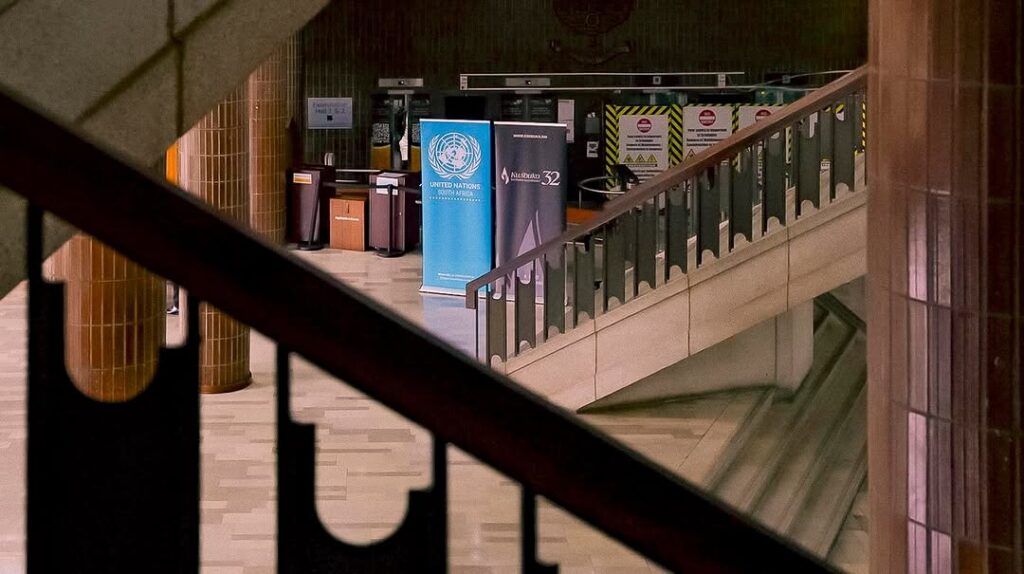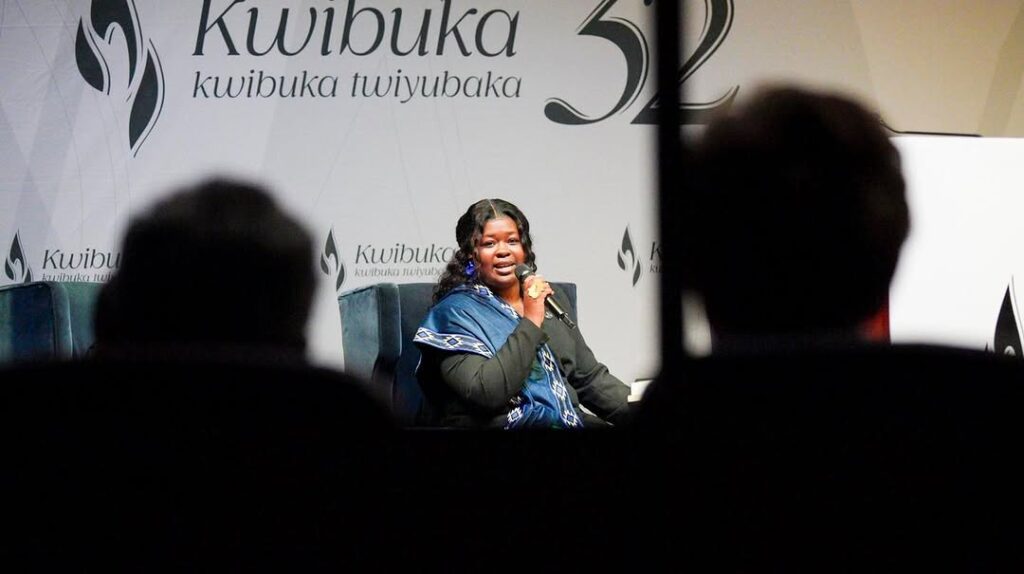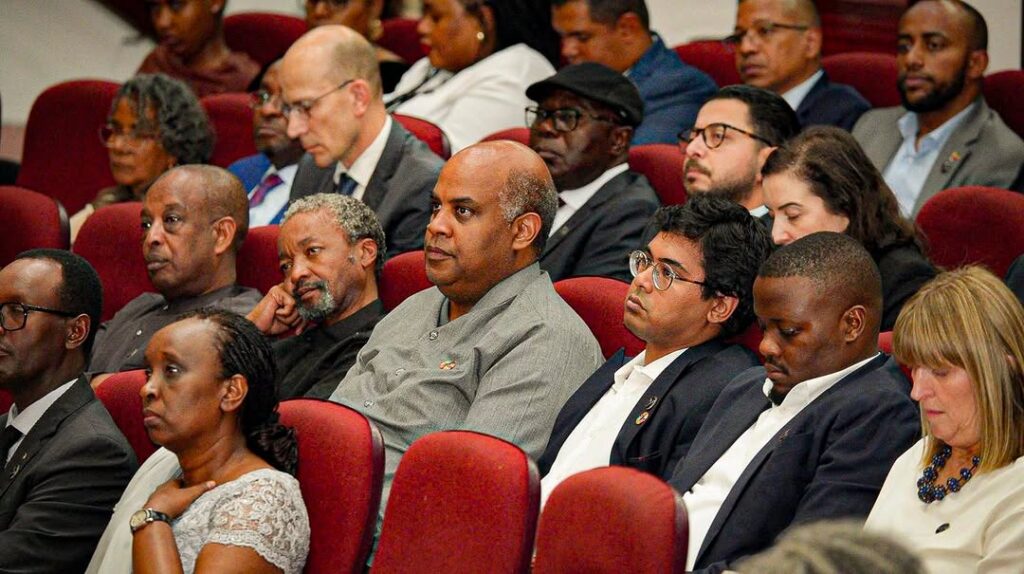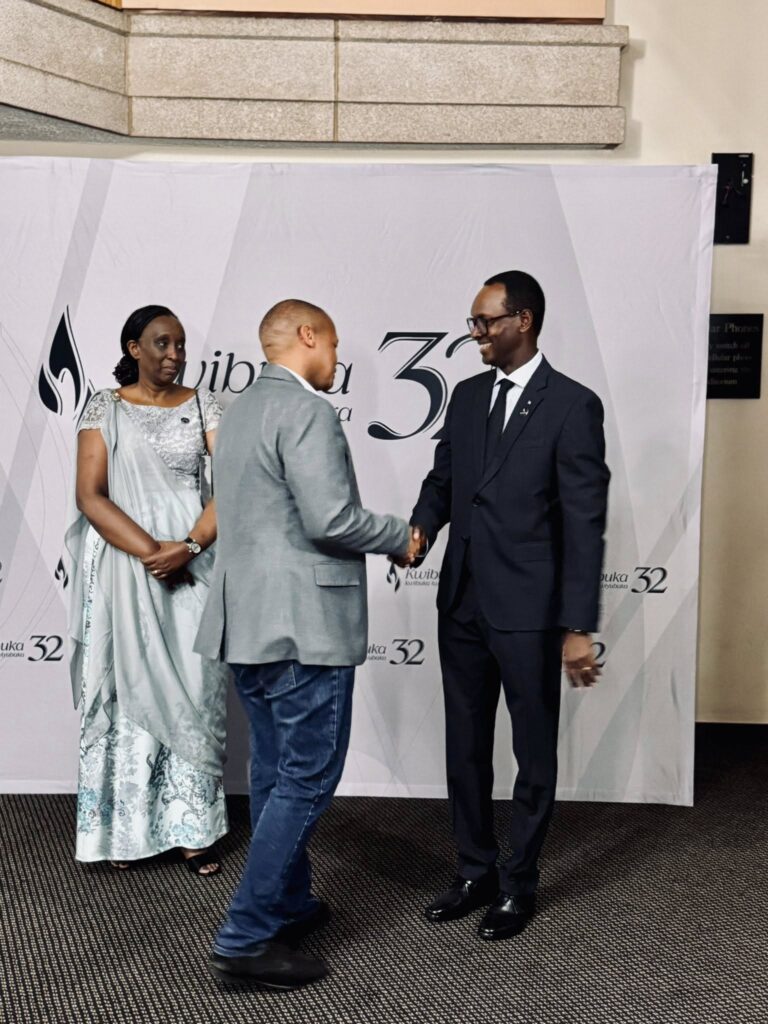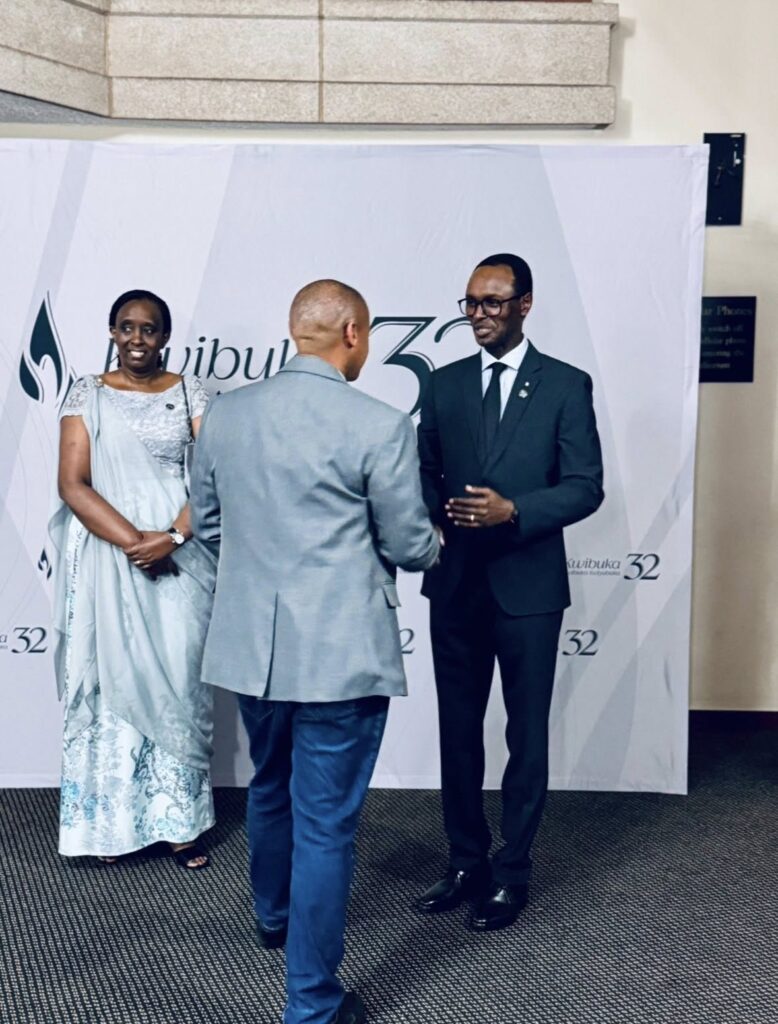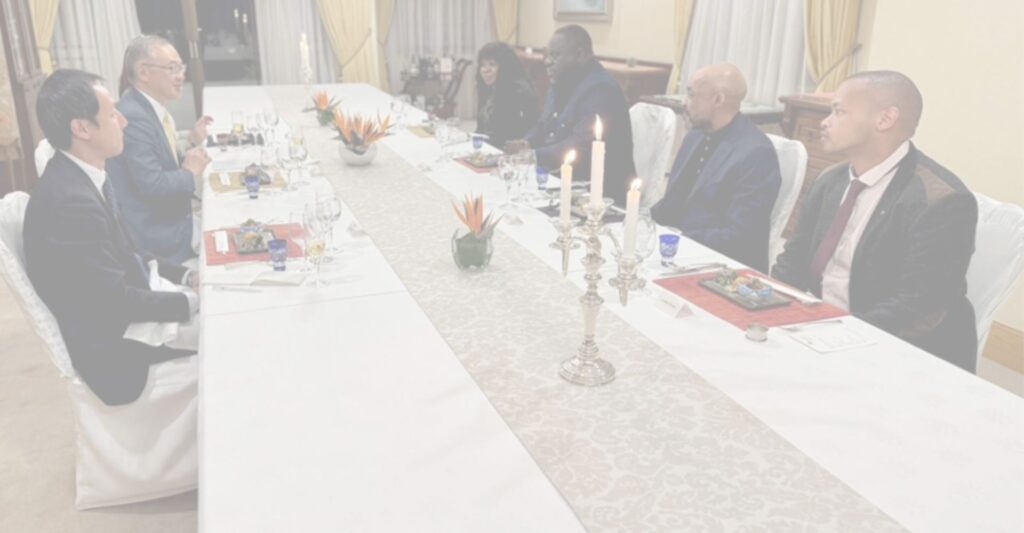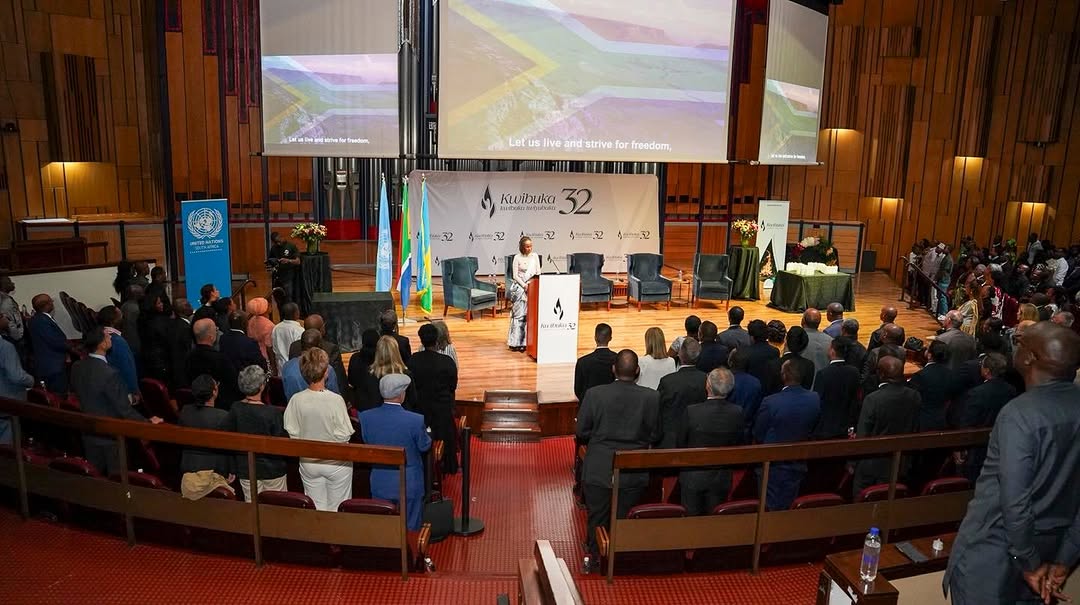
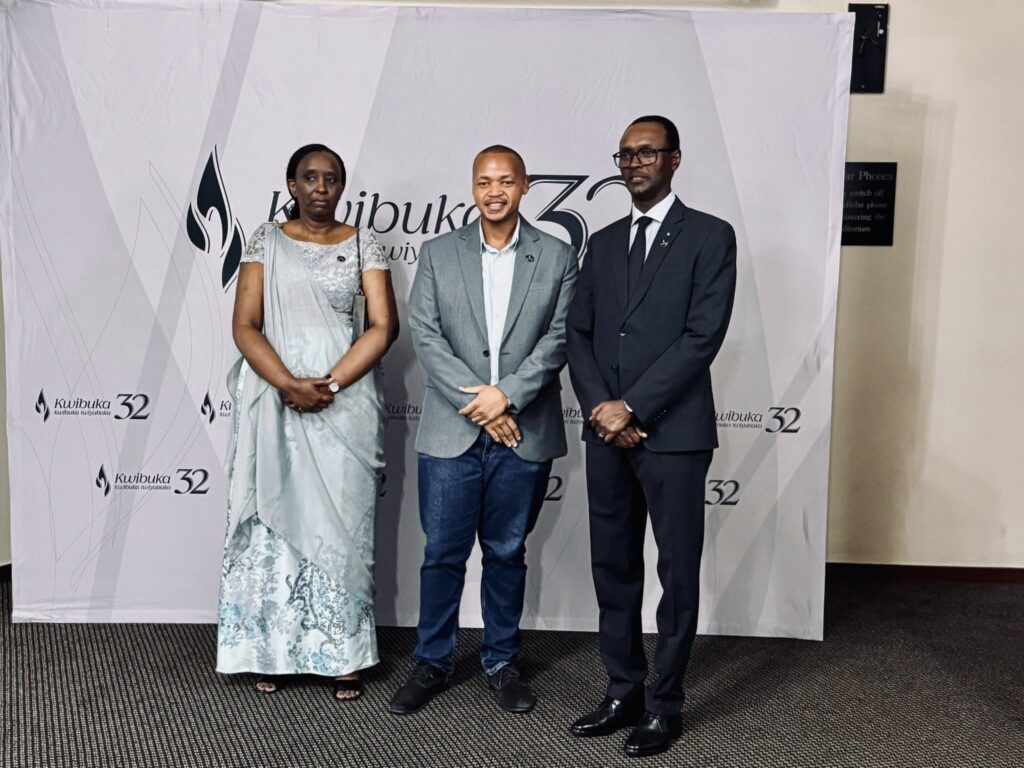
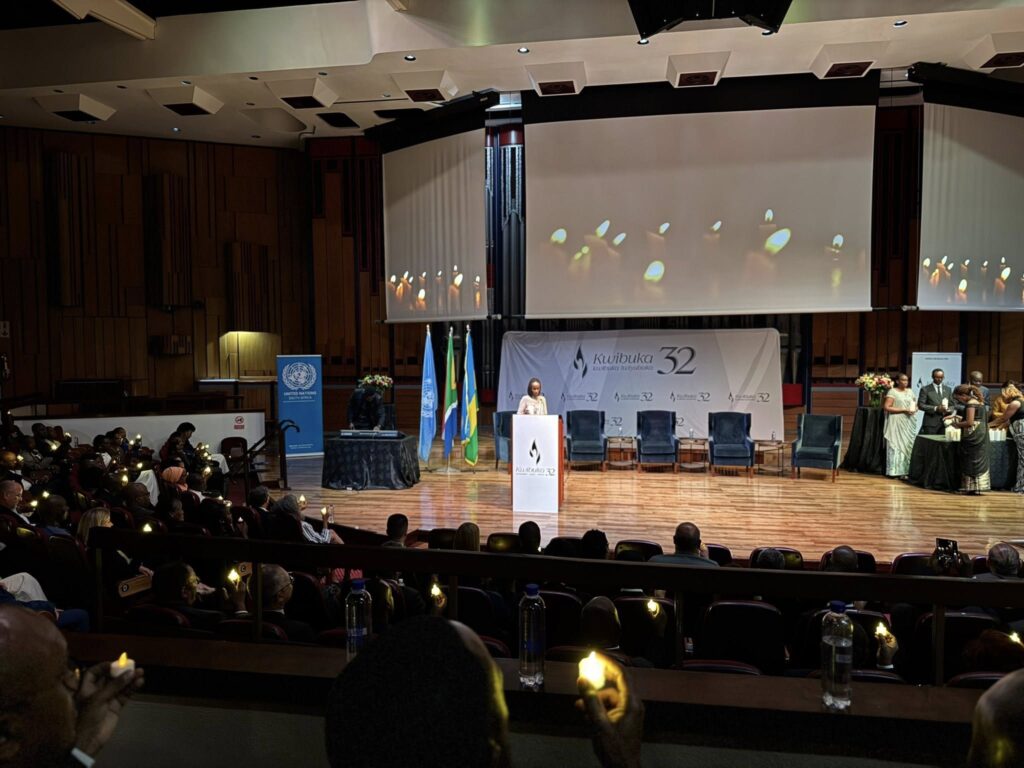
On Tuesday, 7 April 2026, a solemn and impactful commemoration of the International Day of Reflection on the 1994 Genocide Against the Tutsi in Rwanda (Kwibuka32) was held at the ZK Matthews Great Hall at the University of South Africa.
The event was jointly organised by United Nations South Africa and the Rwanda High Commission in South Africa, bringing together diplomats, academics, civil society leaders, and young people to reflect on one of the darkest chapters in modern history.
A Programme of Reflection and Remembrance
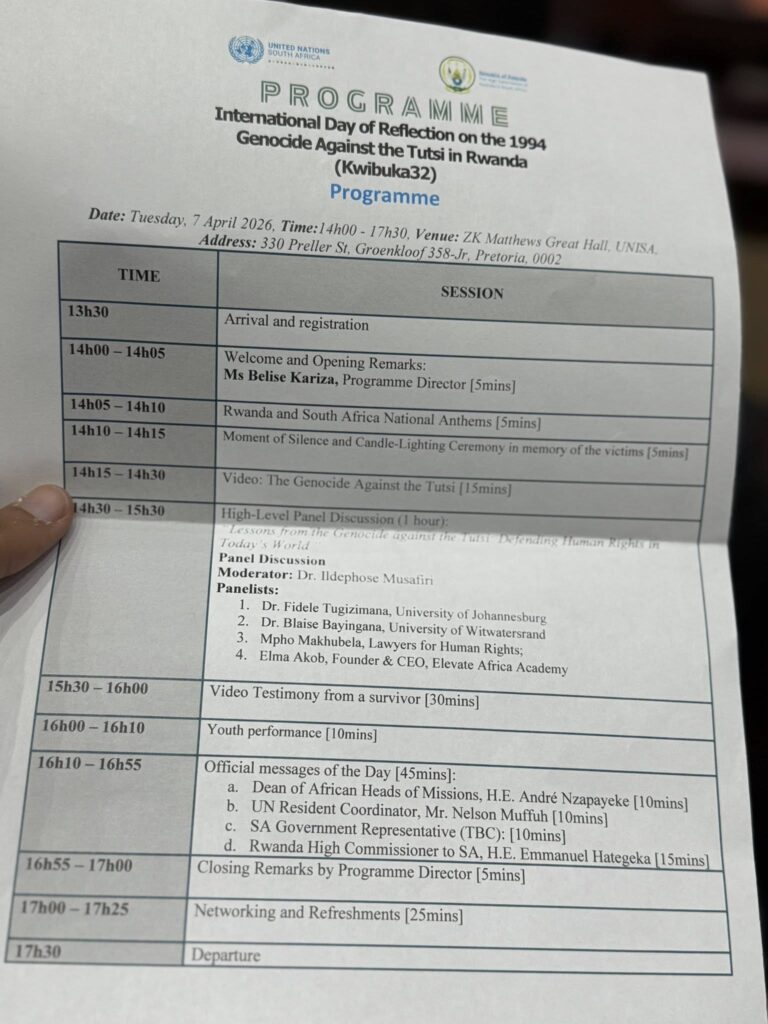
The programme commenced with arrival and registration, followed by opening remarks delivered by Programme Director Ms Belise Kariza, who set the tone for the day by emphasizing the importance of remembrance, unity, and collective responsibility.
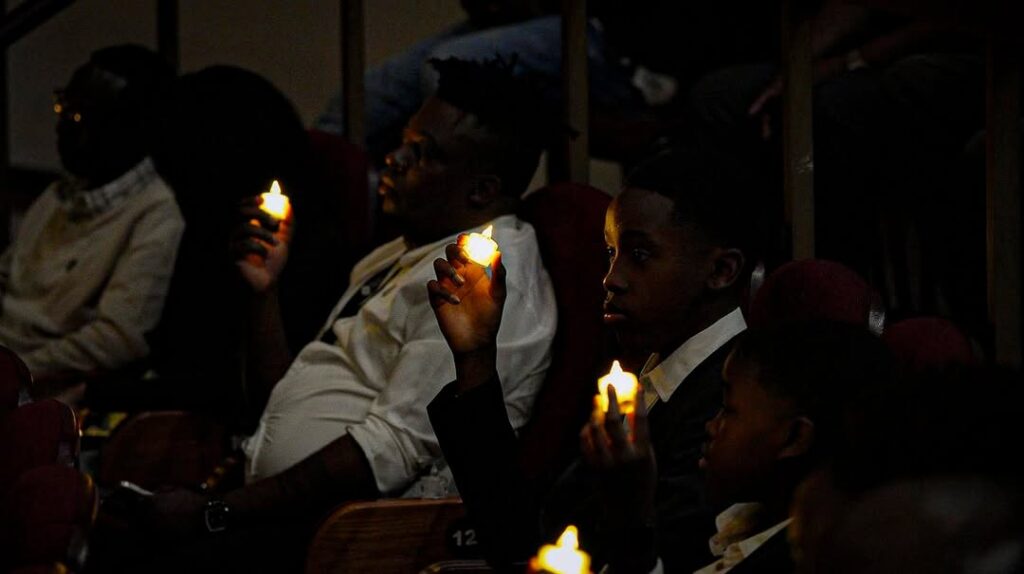
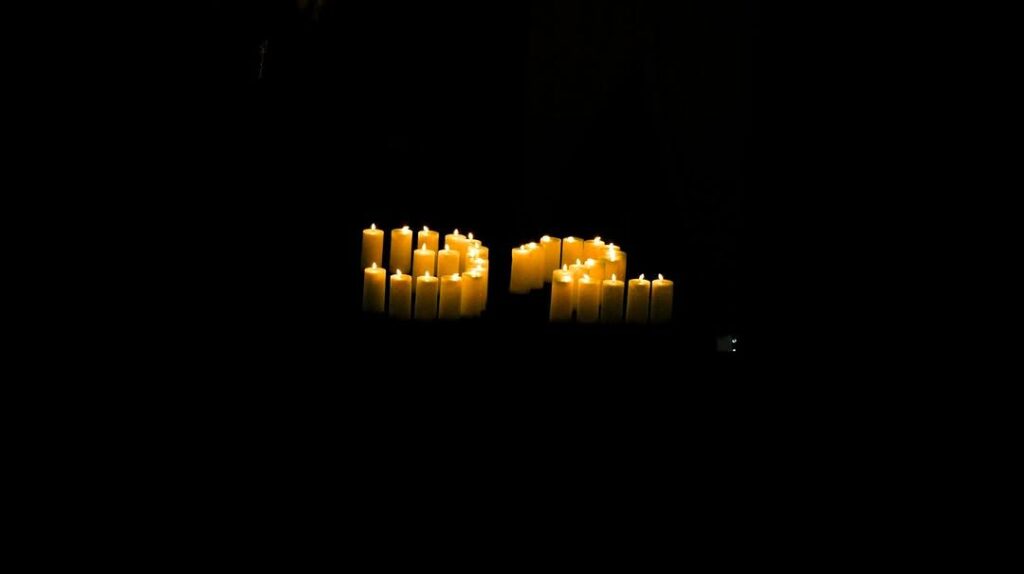
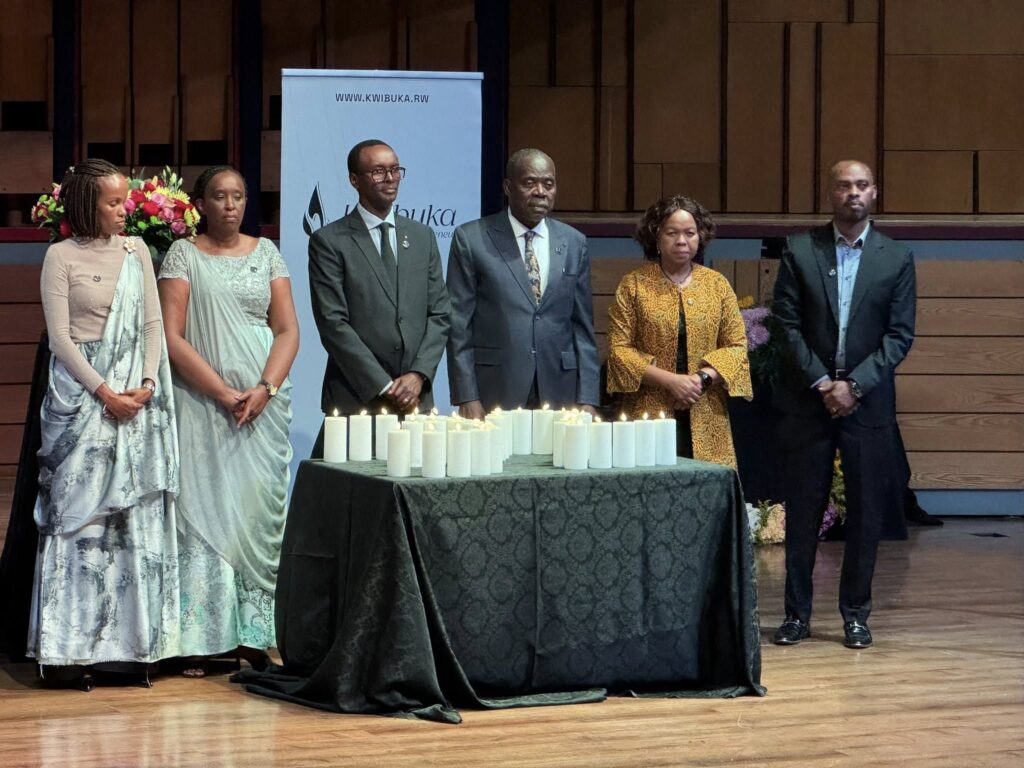
Attendees observed a symbolic moment of silence accompanied by a candle-lighting ceremony to honour the victims of the 1994 genocide. The national anthems of Rwanda and South Africa were also performed, reinforcing the shared commitment to peace and reconciliation.
A short documentary screening provided historical context and deepened understanding of the genocide and its lasting global implications.
High-Level Panel: Lessons for Today’s World
A key highlight of the programme was a high-level panel discussion under the theme:
“Lessons from the Genocide Against the Tutsi: Defending Human Rights in Today’s World.”
Moderated by Dr Ildephonse Musafiri, the panel featured distinguished voices including:
- Dr Fidele Tugizimana (University of Johannesburg)
- Dr Blaise Bayingana (University of the Witwatersrand)
- Mpho Makhubela (Lawyers for Human Rights)
- Elma Akob (Founder & CEO, Elevate Africa Academy)
The discussion explored critical issues such as early warning signs of genocide, the role of education, and the importance of safeguarding human rights in contemporary societies.
Voices of Survivors and Youth
The programme also included a moving video testimony from a genocide survivor, offering a deeply personal account of resilience and remembrance.
A youth performance followed, highlighting the role of younger generations in preserving memory and advocating for a future free from hatred and division.
Official Messages and Diplomatic Participation
During the official messages segment, remarks were delivered by key diplomatic figures, including:
- The Dean of African Heads of Missions, H.E. André Nzapayeke
- A representative speaking on behalf of the UN Resident Coordinator, who was unable to attend
- A representative of the South African Government
- The High Commissioner of Rwanda to South Africa, H.E. Emmanuel Hategeka
These messages underscored the importance of multilateral cooperation, remembrance, and continued vigilance against genocide and crimes against humanity.
Closing and Call to Action
The event concluded with closing remarks from the Programme Director, followed by a networking session that allowed attendees to engage and reflect further.
Kwibuka32 in Pretoria served not only as a memorial but as a call to action—reminding the international community of its responsibility to prevent future atrocities and uphold the dignity of all people.