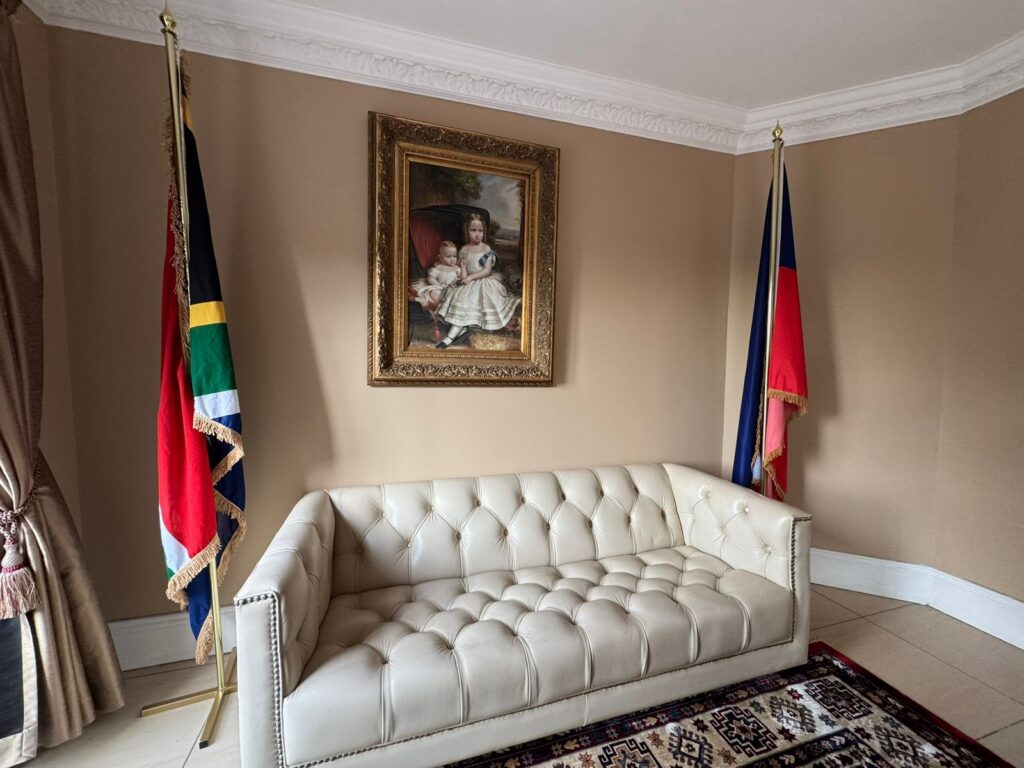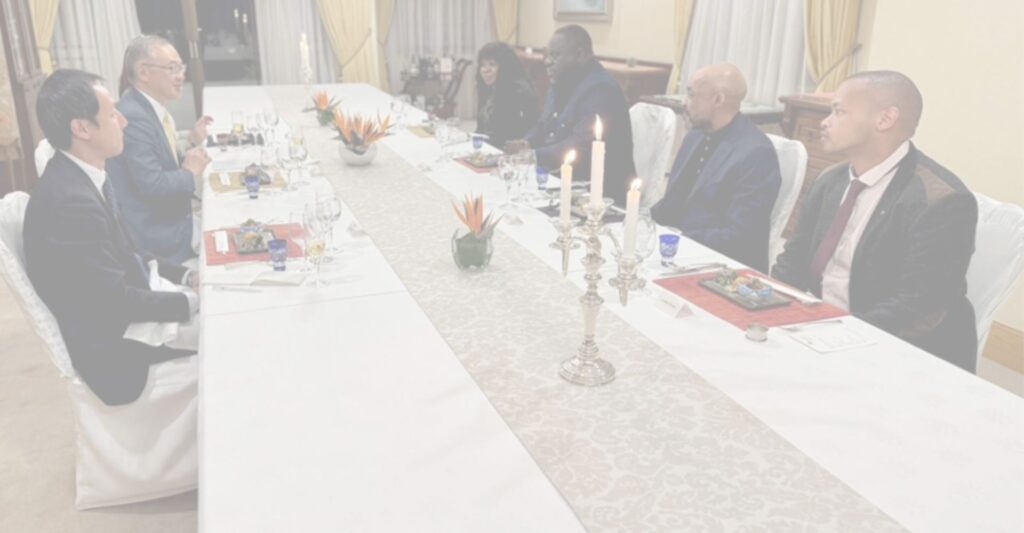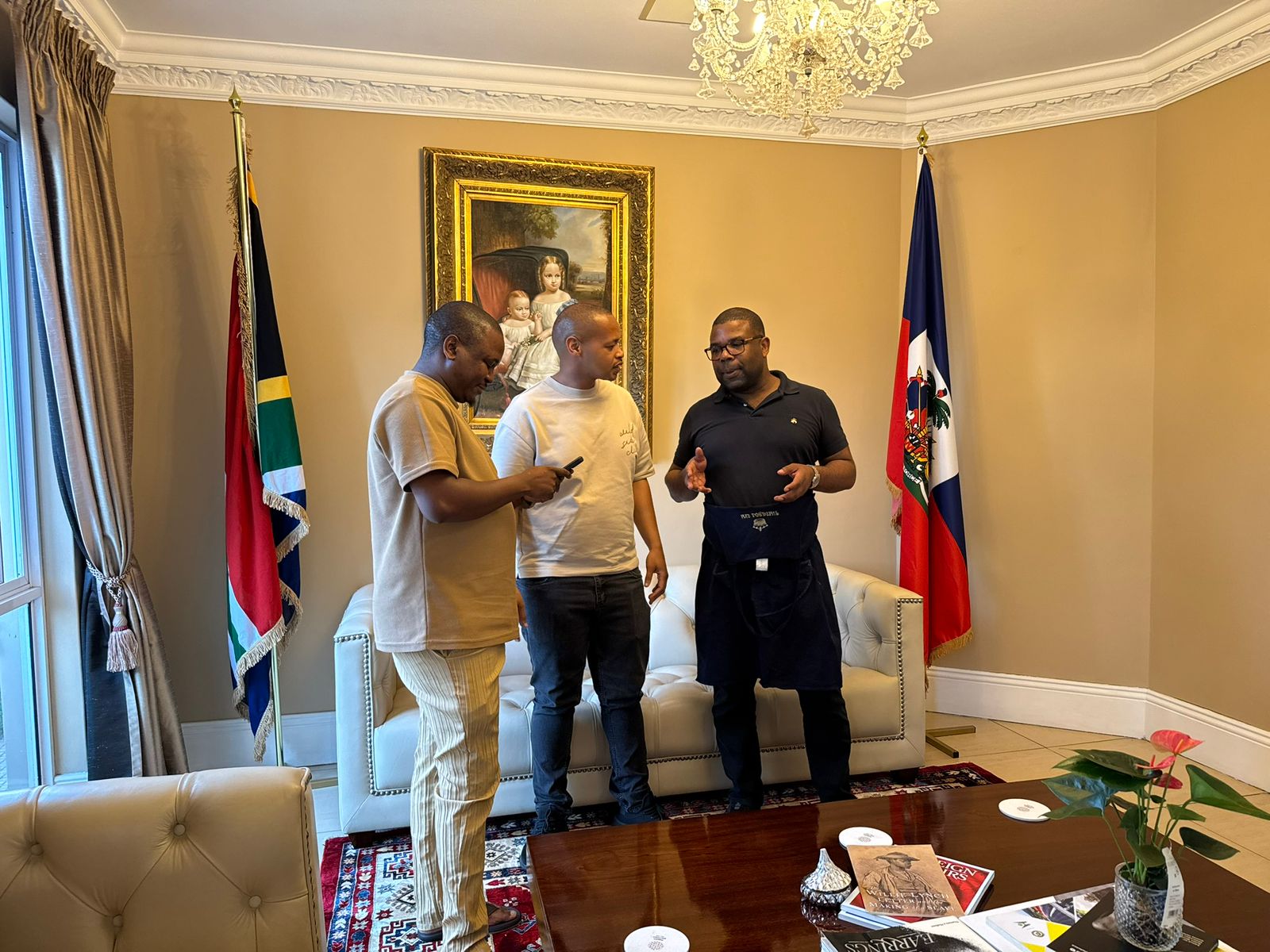
On Sunday, 12 April 2026, Ambassador Jean Pillard opened his residence for an intimate and memorable diplomatic gathering that blended culture, cuisine, and conversation.
The relaxed Sunday setting provided a unique opportunity for ambassadors and distinguished guests to engage beyond formal protocols, fostering deeper connections through shared experiences.
Unlike traditional diplomatic receptions, this gathering stood out for its personal touch—Ambassador Pillard himself prepared the entire meal, offering guests an authentic taste of Haiti and its rich culinary heritage.
A Culinary Journey Through Haiti
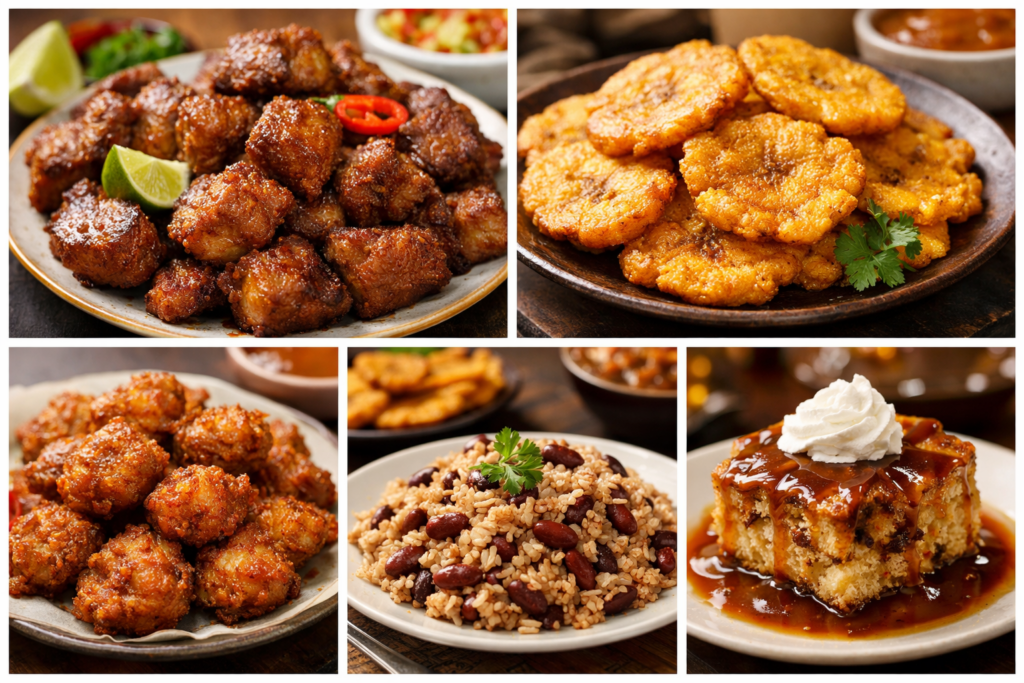
Guests were treated to a carefully curated menu that showcased some of Haiti’s most beloved traditional dishes. Each meal reflected the country’s vibrant culture, history, and African roots:
- Griyo – perfectly seasoned fried pork, a staple of Haitian celebrations
- Ban nan pèsé (Fried Plantain) – a classic accompaniment known for its balance of sweetness and texture
- Akra – deep-fried malanga root fritters, rich in flavor and tradition
- Diri kolé ak pwa – Haitian-style rice and beans, symbolising unity and everyday nourishment
- Bread pudding with Haitian rum sauce – a decadent dessert that concluded the meal on a warm, indulgent note
As he prepared each dish, Ambassador Pillard engaged guests with stories about Haitian culture, culinary traditions, and the historical significance behind the meals, creating an interactive and immersive experience.
Diplomacy Beyond the Table
The afternoon evolved into more than just a dining experience. It became a platform for open dialogue, where guests exchanged views on global politics, cultural cooperation, and shared development challenges in an informal and welcoming environment.
Such gatherings highlight the growing importance of culinary diplomacy—where food becomes a bridge for mutual understanding and relationship-building among nations.
Haiti and Africa: A Shared Heritage
A key theme throughout the day was the deep historical and cultural connection between Haiti and Africa. As the first Black republic in the world, Haiti’s identity is profoundly rooted in African heritage, brought across the Atlantic through the transatlantic slave trade.
Many elements of Haitian culture—from its cuisine and language to its music and spiritual practices—reflect strong African influences. Dishes such as griyo and akra, for example, share similarities with West African cooking techniques and ingredients, illustrating how traditions have been preserved and adapted over generations.
Today, Haiti continues to strengthen its ties with African nations, engaging in cultural exchange, diplomatic cooperation, and shared efforts toward development. Events like this dinner serve as a reminder of these enduring connections and the role they play in shaping modern diplomacy.
A Lasting Impression
Ambassador Pillard’s Sunday gathering left a lasting impression on all who attended. By combining hospitality, storytelling, and authentic cuisine, he created an atmosphere that went beyond formal diplomacy—one rooted in human connection, cultural pride, and shared history.
In an increasingly complex global landscape, such moments of informal engagement are invaluable. They not only strengthen diplomatic relations but also celebrate the cultural richness that unites nations across continents.