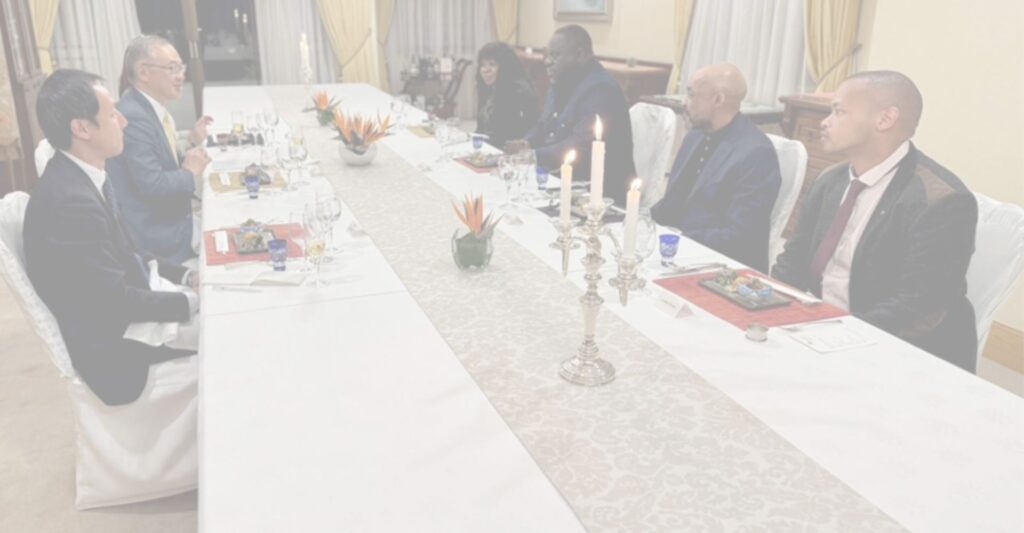
A diplomatic exchange between the Embassy of Iran and the Embassy of Ukraine in South Africa has drawn attention to the continuing international tensions linked to the war in Ukraine.
According to diplomatic correspondence, the Iranian Embassy informed the Ukrainian Embassy about the opening of a book of condolences following the death of Ayatollah Ali Khamenei and members of Iran’s military leadership. Such books of condolences are commonly opened by embassies to allow diplomats and officials to formally express sympathy after the death of senior national figures.
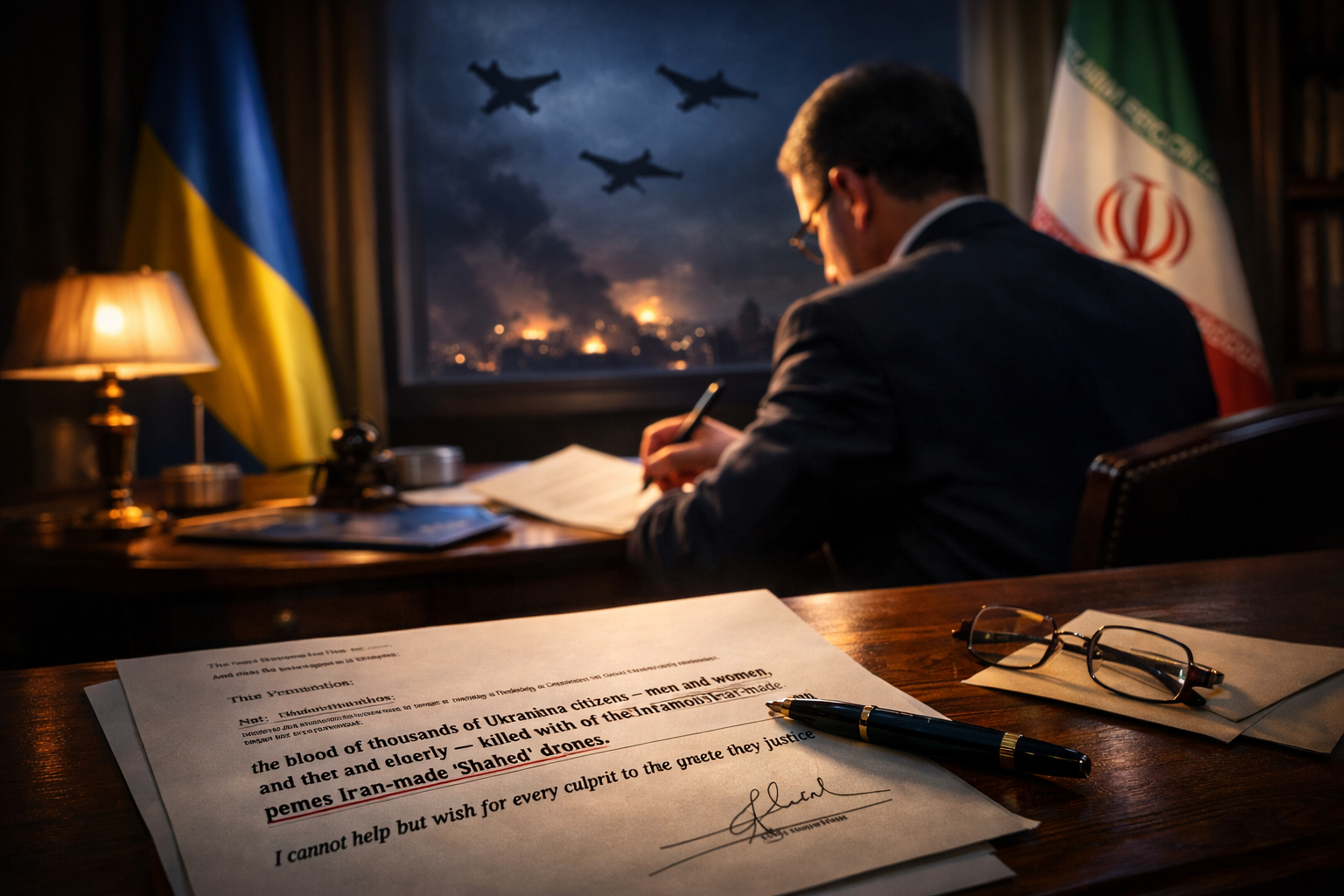
In response, Ukrainian Ambassador Dr. Olexander Scherba sent a letter acknowledging the notification but declining to sign the book of condolences. In his message, the ambassador referenced Ukraine’s ongoing war with Russia and allegations that Iranian-made Shahed drones have been used by Russian forces in attacks on Ukrainian cities. He stated that, given these circumstances, he could not express condolences.
The exchange illustrates how the conflict in Ukraine continues to shape diplomatic interactions worldwide, even in countries geographically far from the battlefield. Analysts note that such moments highlight the broader geopolitical dimensions of the war, including the role of third-party states and military technology transfers.
While diplomatic disagreements are not uncommon, the correspondence reflects the increasingly complex international dynamics surrounding the conflict and the sensitivities involved in diplomatic protocol during wartime.