Cape Town Ceremony Restores German Citizenship in Name of Historical Justice
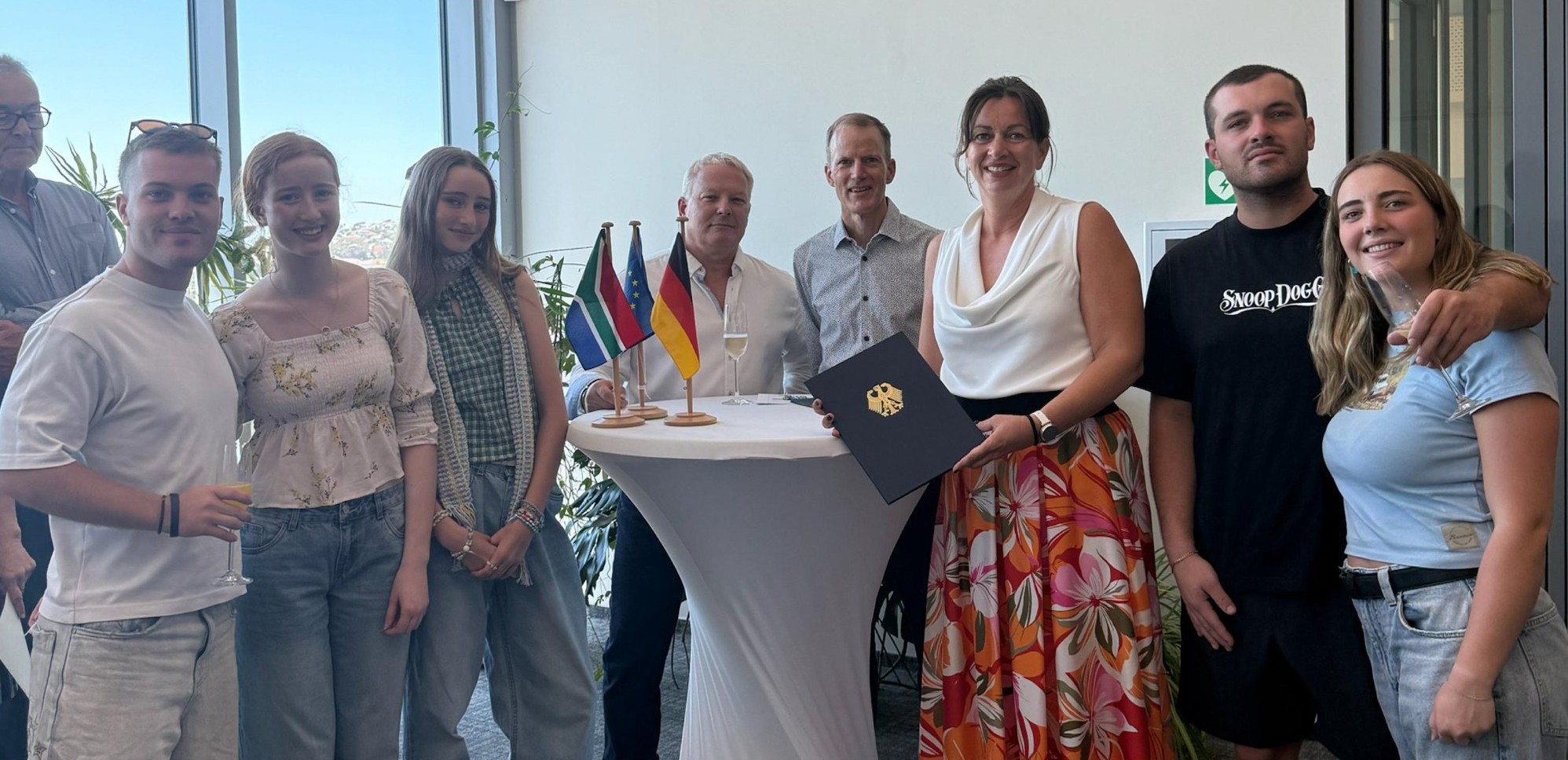
The German Consulate General in Cape Town has once again facilitated the naturalisation of individuals and families reclaiming German citizenship, underscoring Germany’s longstanding commitment to addressing injustices from the Nazi era.
Under Article 116 (2) of the German Basic Law, former German citizens deprived of their nationality between 30 January 1933 and 8 May 1945 on political, racial or religious grounds—and their descendants—are entitled to have citizenship restored upon application. This constitutional provision, in place since 1949, treats the restoration as a rectification: those who qualify are deemed never to have lost their citizenship in many cases, particularly if they later resided in Germany without renouncing the right.
The process, handled by the Federal Office of Administration (Bundesverwaltungsamt) for applicants abroad, requires proof of the ancestor’s persecution-linked loss of citizenship, often through historical records. No language proficiency, residency or renunciation of other nationalities is demanded, allowing dual or multiple citizenship. A 2020 Federal Constitutional Court ruling further broadened eligibility for descendants.
In South Africa and worldwide, German missions support applications, reflecting ongoing reparative efforts to restore dignity and rights to those affected by Nazi persecution and their lineages. Such ceremonies strengthen bilateral ties while honouring historical accountability.