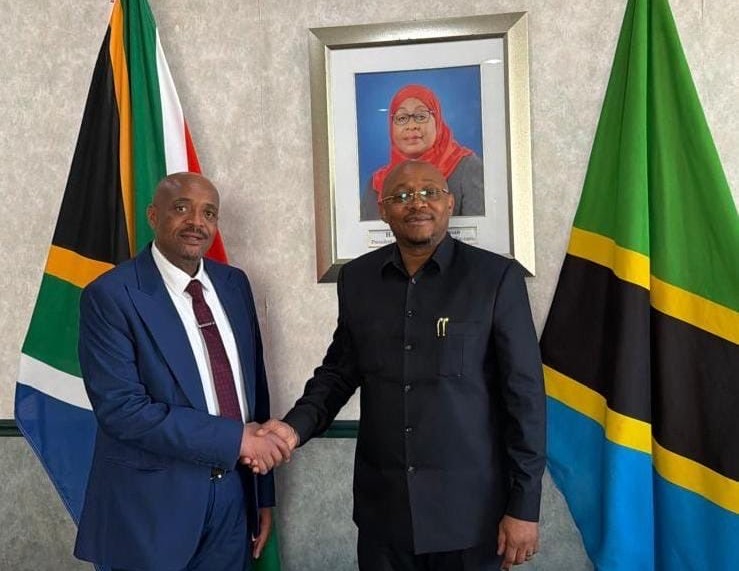
The High Commissioner of the United Republic of Tanzania to the Republic of South Africa, H.E. Amb. James G. Bwana, held a strategic meeting with Mr. Hamlet Basheng, Managing Director of the BCE Institute, and his team to explore opportunities for collaboration in vocational education and training.
Strengthening Technical and Vocational Education
The meeting underscored the importance of Technical and Vocational Education and Training (TVET) in equipping young people with practical skills needed to meet the demands of modern economies. Both parties recognised that stronger institutional partnerships can contribute to improving workforce readiness, entrepreneurship, and sustainable economic growth.
Through the proposed collaboration, vocational institutions in Tanzania and BCE Institute aim to exchange expertise, promote knowledge sharing, and develop programmes that enhance the quality of technical education and professional training.
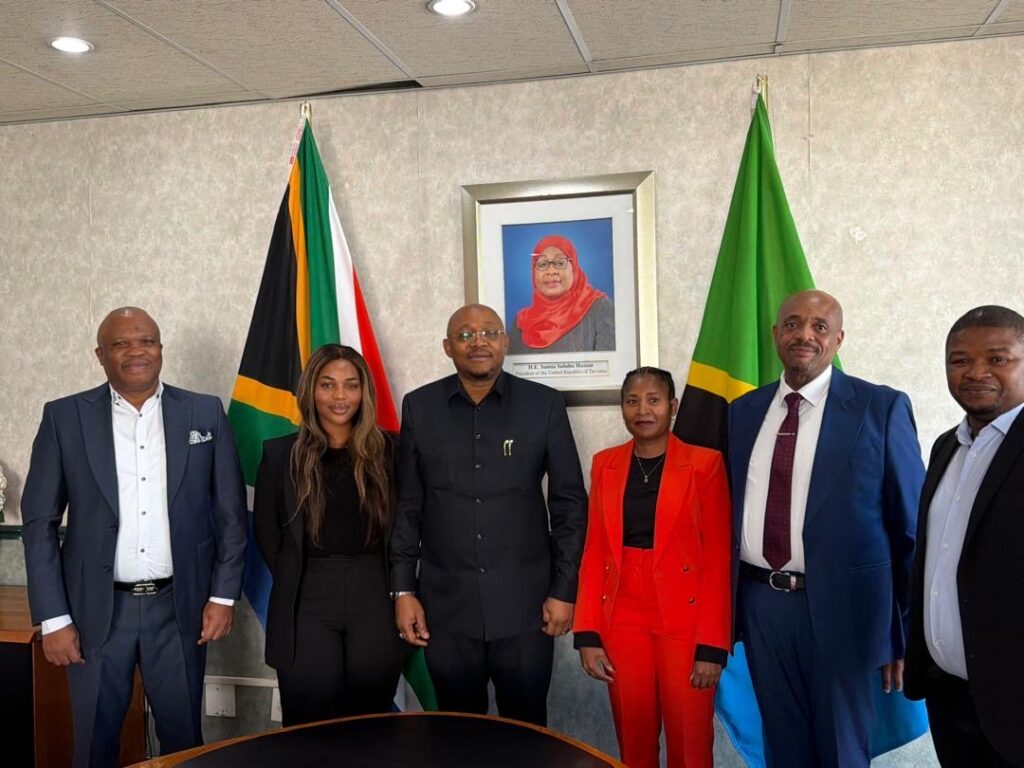
The discussions centred on establishing cooperation between vocational training institutions in Tanzania and BCE Institute, with a shared commitment to advancing skills development, innovation, and capacity building.
Focus on Skills Development and Innovation
Skills development remains a critical pillar in driving industrialisation, employment creation, and economic competitiveness across Africa. The discussions highlighted opportunities to work together in areas including:
- Vocational and technical skills development.
- Institutional capacity building.
- Innovation and entrepreneurship.
- Knowledge and best-practice exchange.
- Collaborative training programmes.
- Strengthening industry-focused education.
Such cooperation has the potential to prepare students and professionals with practical competencies aligned with the evolving needs of regional and global labour markets.
Advancing Tanzania–South Africa Educational Cooperation
The engagement reflects the growing emphasis on educational partnerships between institutions in Tanzania and South Africa. By fostering collaboration between vocational training providers, both countries can strengthen human capital development while creating opportunities for students, educators, and industry stakeholders.
Partnerships of this nature also support broader regional development objectives by promoting innovation, knowledge exchange, and skills that contribute to inclusive economic growth.