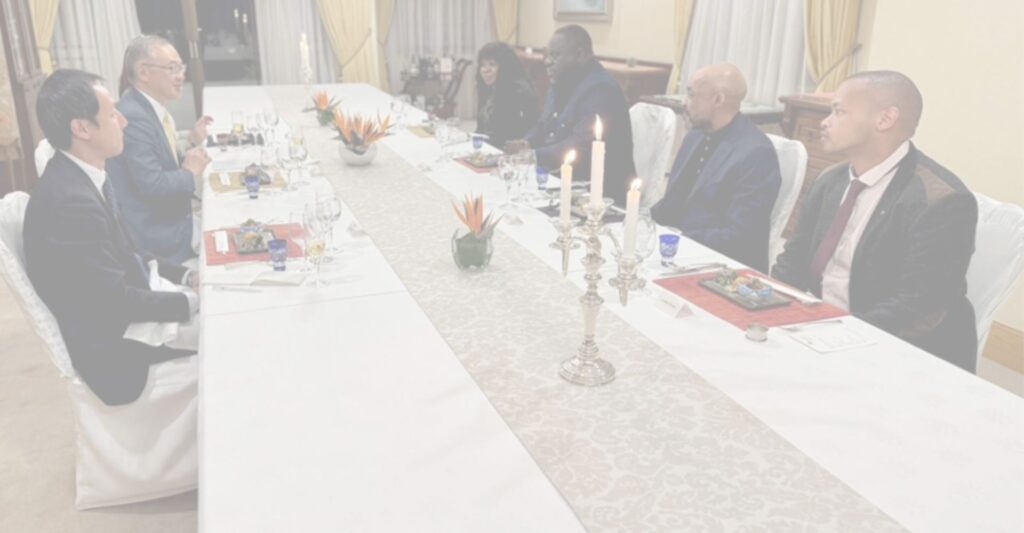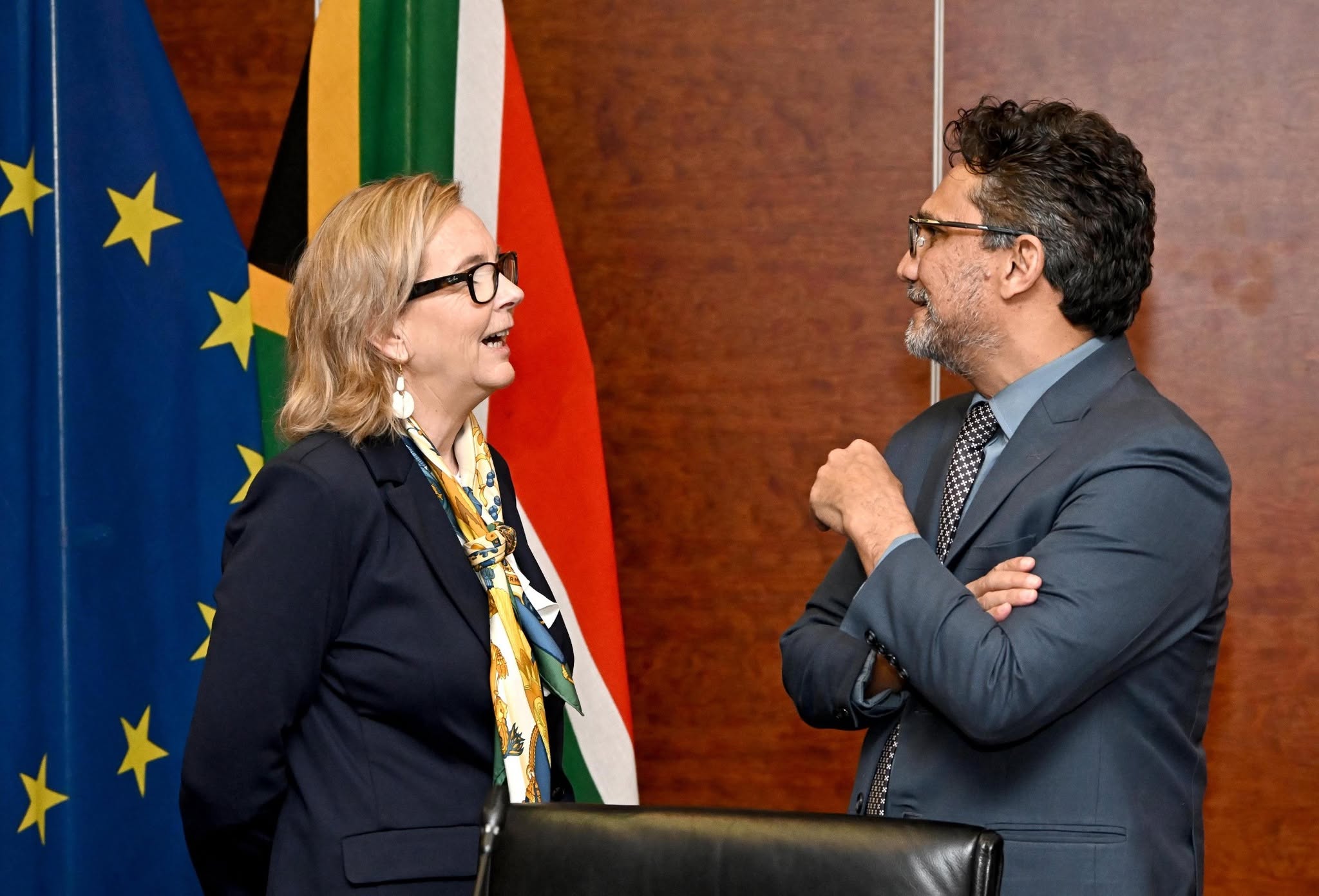
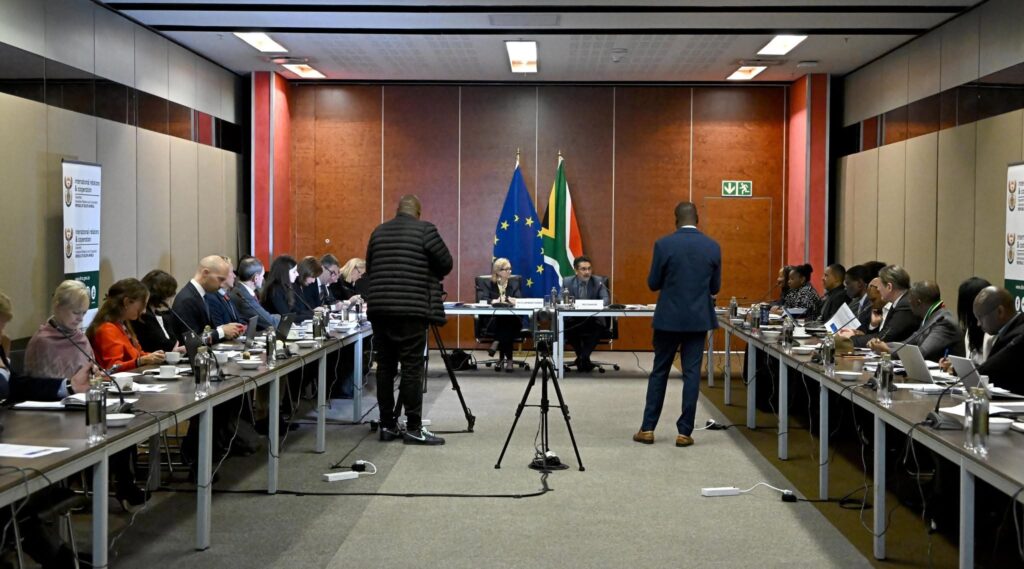
The South Africa-European Union Joint Cooperation Council (SA-EU JCC) convened to review and strengthen bilateral cooperation, with both partners reaffirming their commitment to democracy, sustainable development, youth empowerment, and mutually beneficial collaboration.
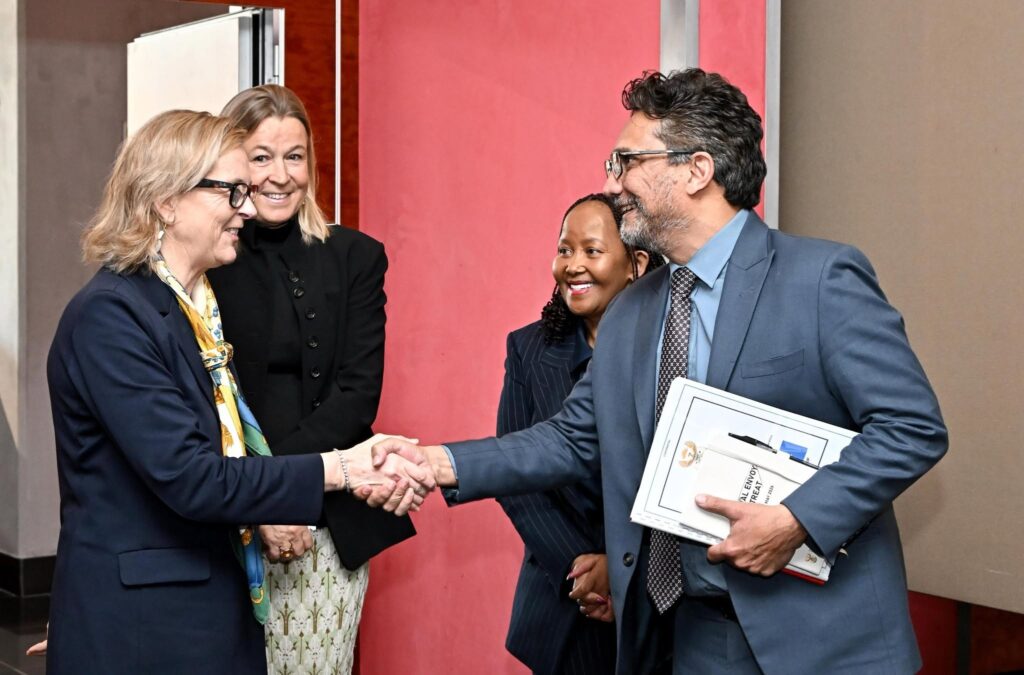
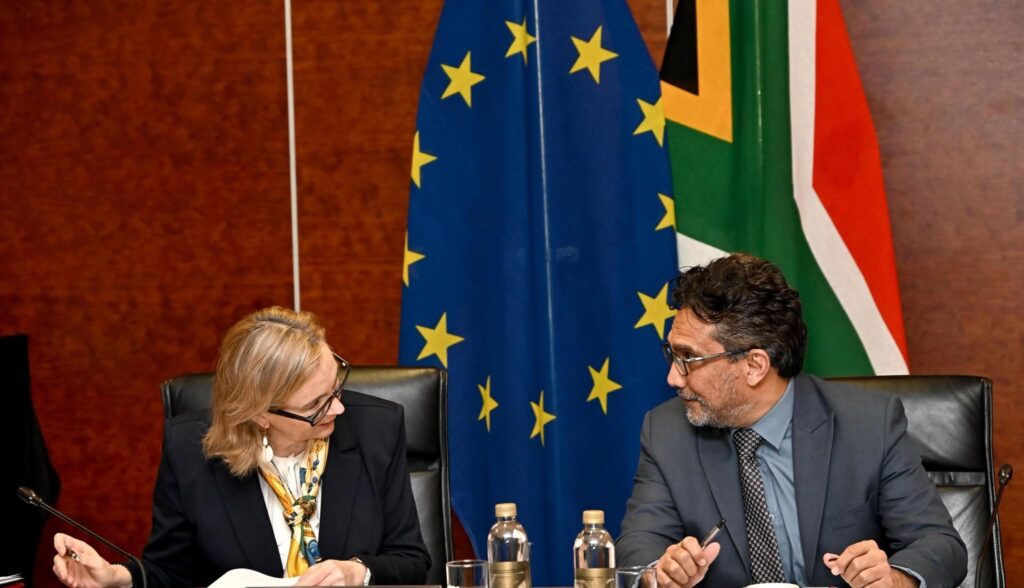
Delivering the opening remarks, Director-General Zane Dangor extended a warm welcome to delegations from South Africa and the European Union, noting that the meeting carries profound historical significance. He highlighted that 2026 marks the 30th anniversary of the signing of South Africa’s Constitution as well as the 50th anniversary of the 1976 Soweto Youth Uprising, milestones that underscore the country’s democratic journey and enduring commitment to human rights and equality.
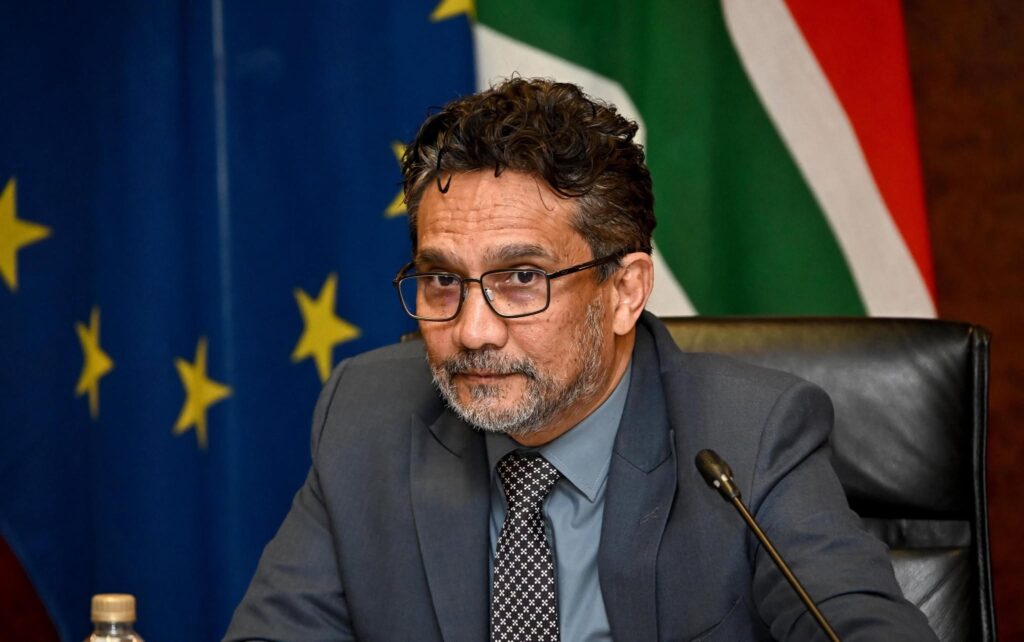
Dangor reflected on the European Union’s longstanding support for South Africa’s democratic transition since 1994, describing the partnership as one built on a shared foundation of human rights, good governance, constitutionalism, and the rule of law.
He further emphasized the depth and breadth of cooperation between South Africa and the EU, noting that the dialogue provides an important opportunity to refocus joint efforts on strategic priorities that deliver tangible benefits to citizens in both regions.
“This dialogue is an incredible opportunity to re-focus our efforts on strategic areas that bring mutual benefits to both regions, with a strong emphasis on empowering the next generation,” Dangor remarked.
He also acknowledged the extensive efforts undertaken by officials and technical teams from both governments, expressing appreciation for the behind-the-scenes work that continues to facilitate meaningful engagements and productive deliberations.
European Union Recognises South Africa’s Global Leadership
Speaking during the SA-EU Joint Cooperation Council, European Union Ambassador to South Africa Patricia Llombart Cussac underscored South Africa’s increasingly influential role on the global stage.
She highlighted South Africa’s impactful G20 Presidency, its leadership within the African continent, and its active engagement within the Southern African Development Community (SADC), noting that the country remains a key driver of regional integration, peacebuilding, and security initiatives.
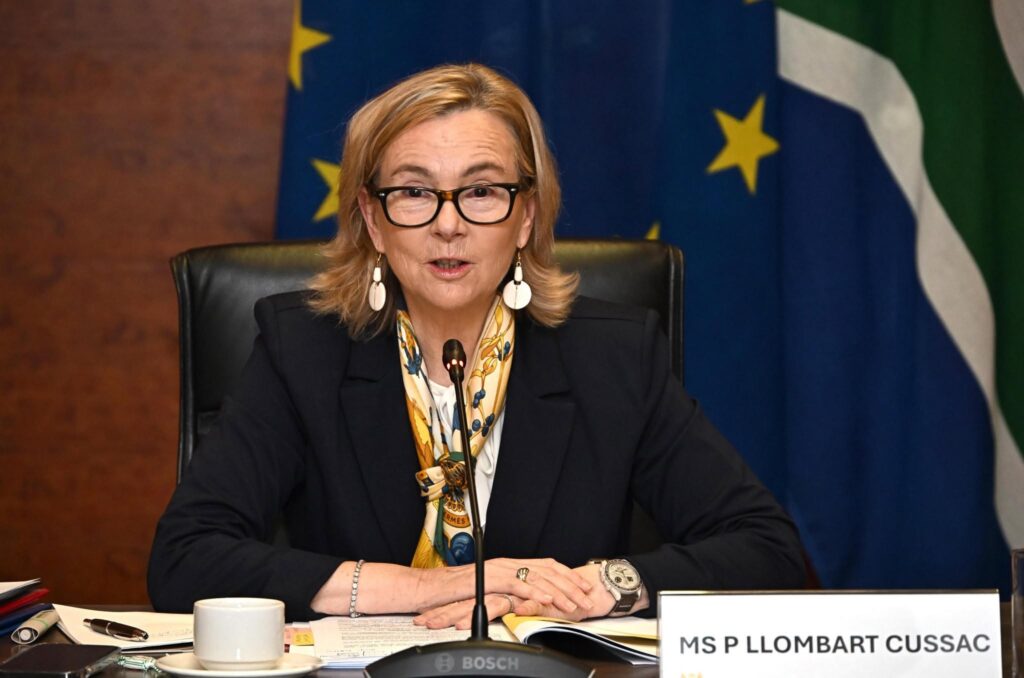
“The European Union highly values this partnership as we work together to advance shared values of solidarity, equality, and sustainability. Our partnership is one of values, trust, respect, and mutual benefit,” Ambassador Llombart Cussac said.
Charting the Future of the SA-EU Partnership
Looking ahead, Ambassador Llombart Cussac reaffirmed the core philosophy underpinning the South Africa-European Union Strategic Partnership, identifying three key priorities that will shape future cooperation:
- Reflect honestly on lessons learned while building upon significant achievements already attained;
- Align efforts around concrete priorities for the coming year to ensure greater effectiveness and impact;
- Prioritise young people as central stakeholders in promoting sustainable, long-term growth and development.
She concluded by stressing that the true measure of success for the strategic partnership lies in its ability to deliver meaningful and tangible outcomes that improve the lives of citizens.
As South Africa commemorates three decades of constitutional democracy and honours the legacy of the Soweto Youth Uprising, the SA-EU Joint Cooperation Council serves as a timely platform to deepen cooperation and renew commitments to a partnership founded on shared values, inclusive development, and a common vision for future generations.
Images: DIRCO