Rotterdam Tour Offers First-Hand Insight into the Future of Global Green Hydrogen Trade
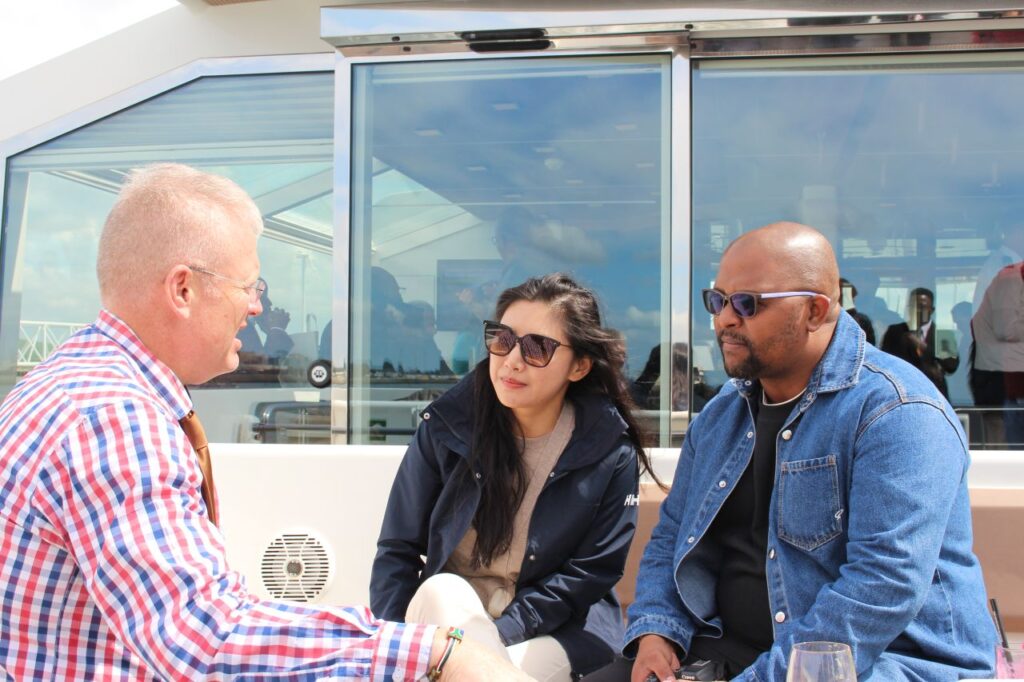
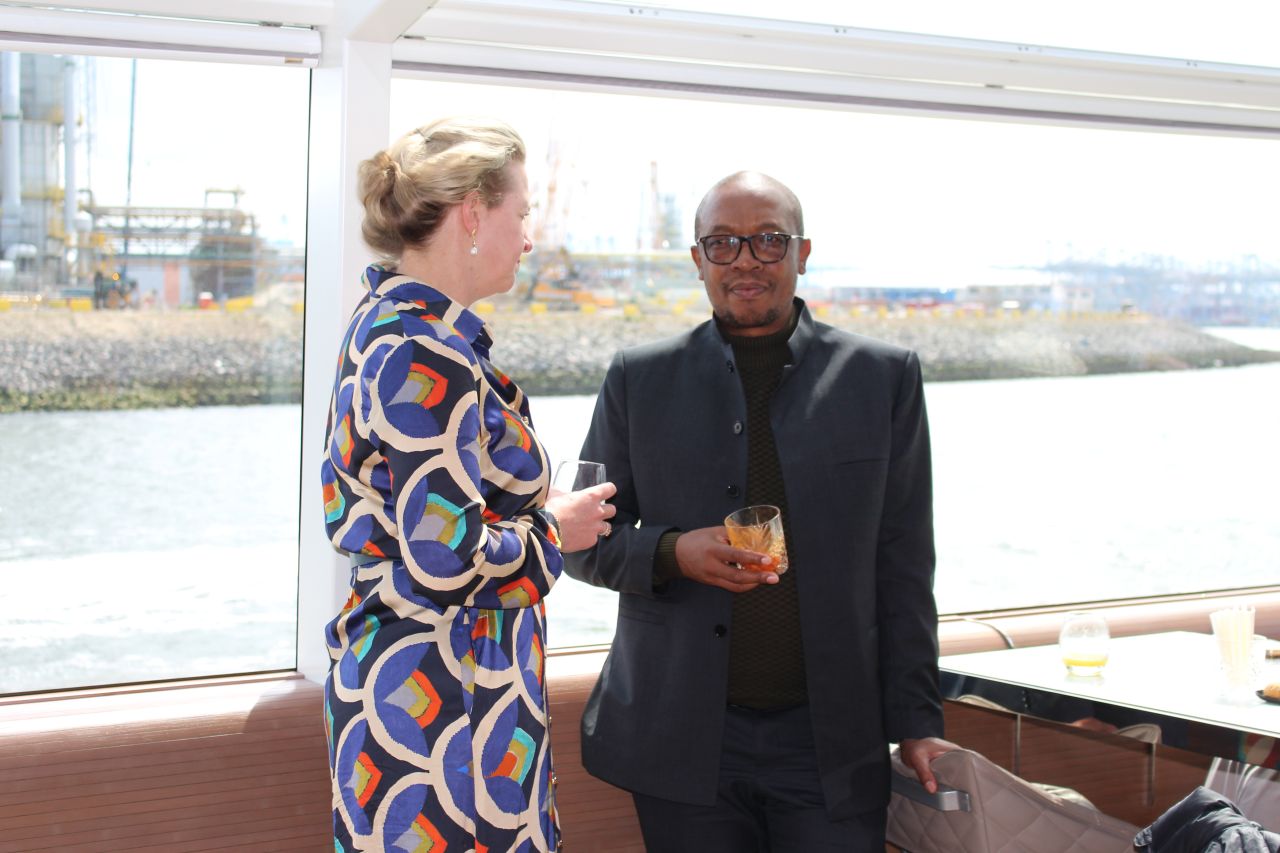
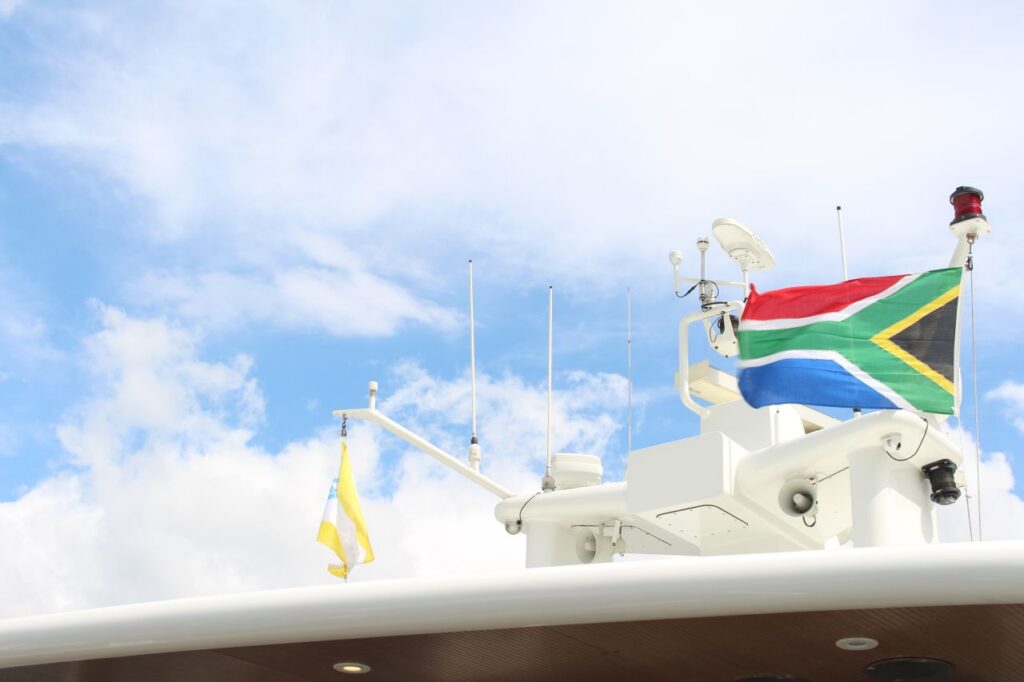
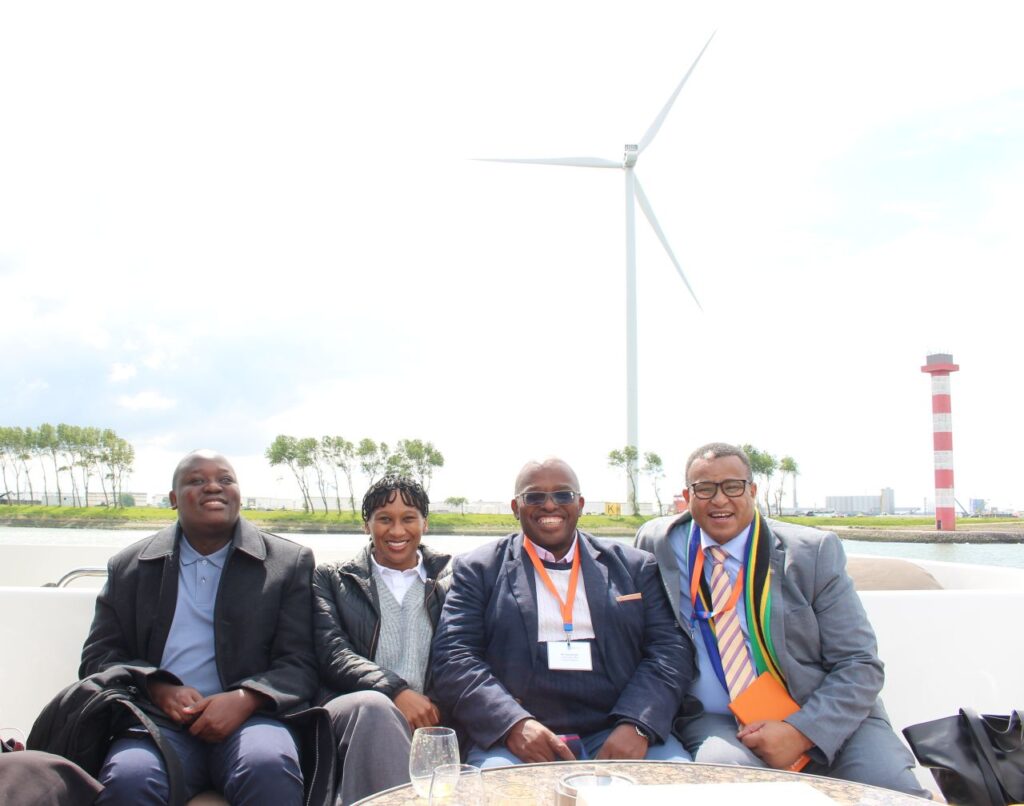
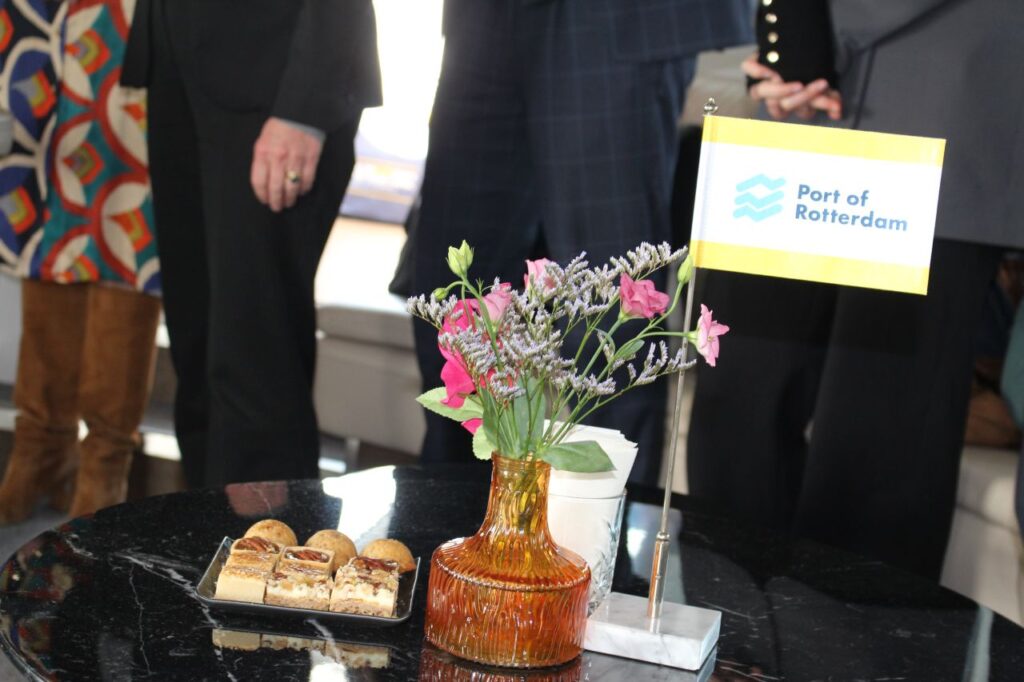
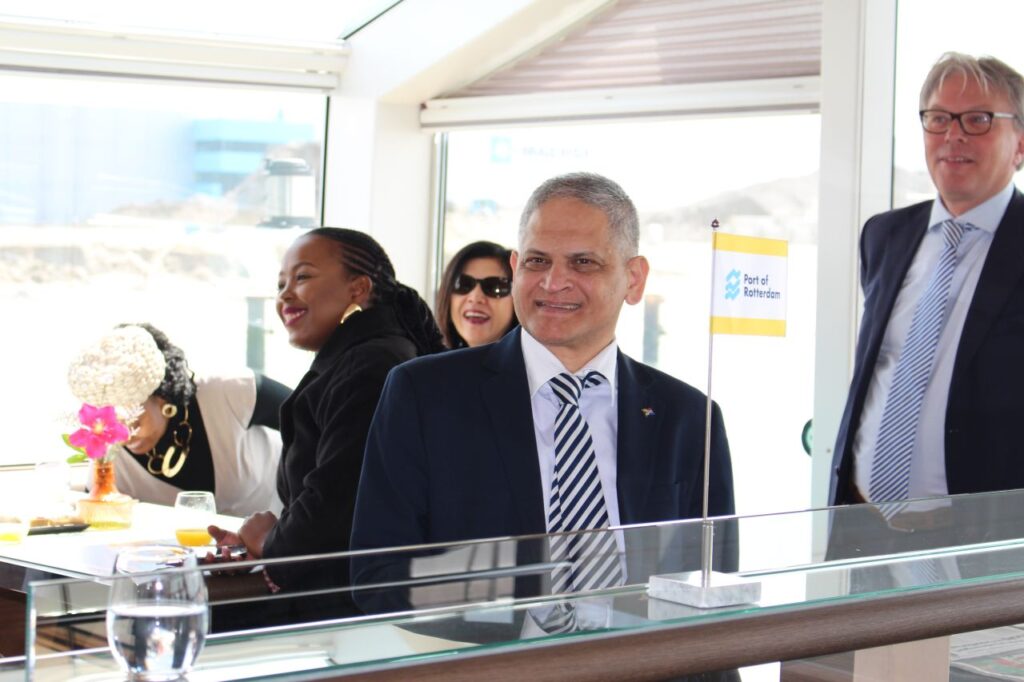
Before the conference floor officially opened, members of the South African delegation took to the waters of the Port of Rotterdam for a strategic working tour that provided valuable insight into the future of global energy and trade infrastructure.
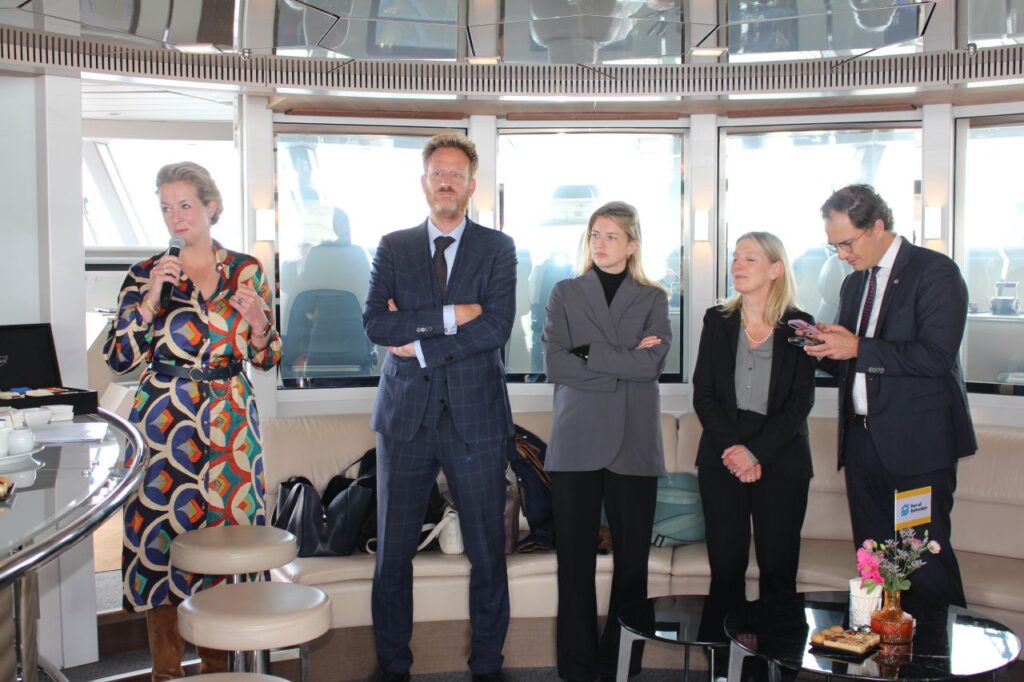
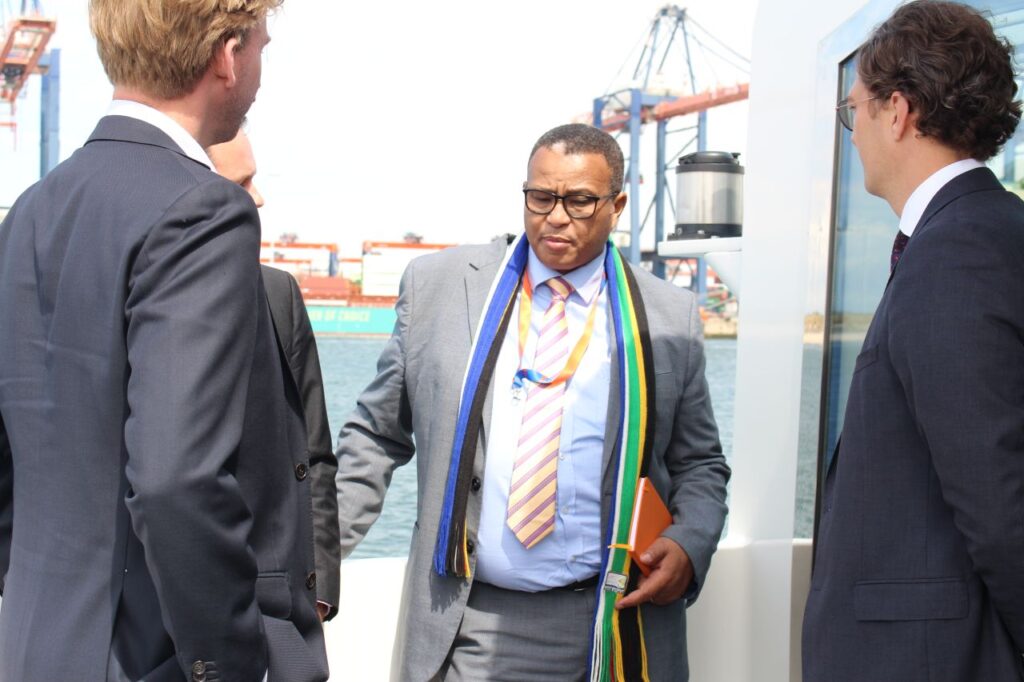
Hosted by the Port of Rotterdam and the Government of the Netherlands, the visit brought together South African representatives led by the Department of Trade, Industry and Competition (the dtic), alongside Dutch officials, port executives, technical specialists, and industry stakeholders.
The tour served as an important precursor to the conference discussions, offering delegates a practical perspective on the infrastructure that will play a critical role in the emerging global green hydrogen economy.
Experiencing Europe’s Largest Port from the Water
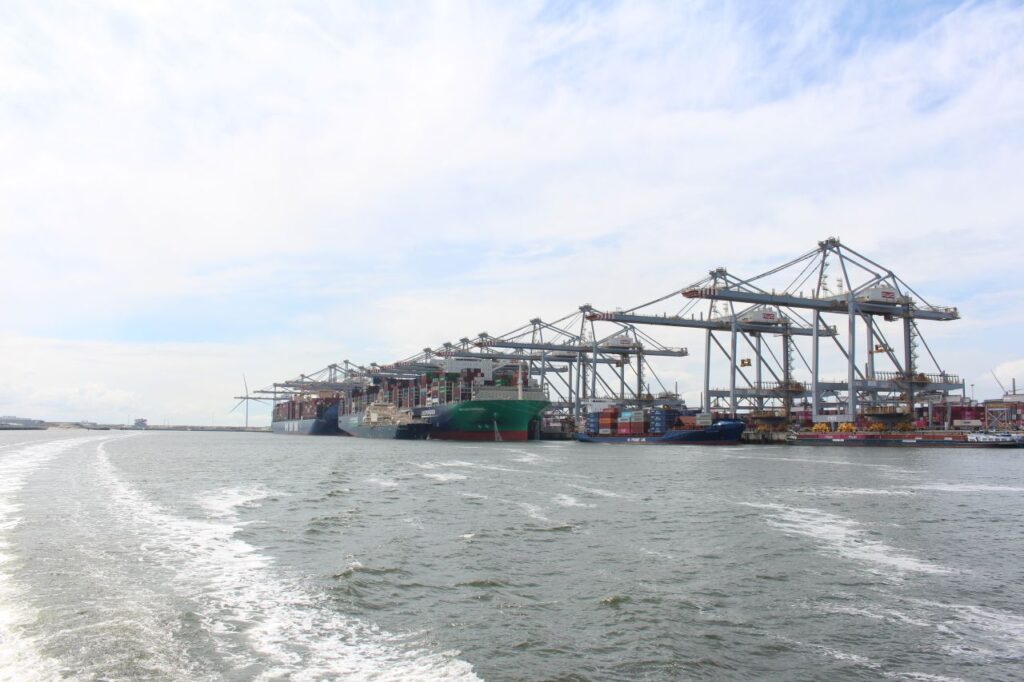
From aboard the vessel, delegates witnessed the sheer scale of Europe’s largest port. Vast container terminals stretched across the horizon, while towering wind turbines stood alongside busy quaysides handling cargo from across the globe.
The Port of Rotterdam handles approximately 15% of all cargo entering Europe, making it one of the world’s most important logistics and trade hubs. Increasingly, however, the port is positioning itself as a central gateway for the future hydrogen economy.
As countries accelerate their transition to cleaner energy sources, Rotterdam is investing heavily in hydrogen infrastructure, including import terminals, pipeline networks, storage facilities, and industrial clusters designed to support large-scale hydrogen trade.
Why Rotterdam Matters to South Africa’s Hydrogen Strategy
For South Africa, the visit underscored a critical reality: the green hydrogen opportunity extends far beyond production.
While South Africa is emerging as a potential global producer of green hydrogen thanks to its abundant renewable energy resources, the long-term success of the sector will also depend on export markets, transport corridors, and destination infrastructure capable of receiving and distributing hydrogen products.
Rotterdam is actively developing precisely these capabilities, making it a key strategic partner for countries seeking to participate in the international hydrogen value chain.
The tour offered delegates an opportunity to better understand how hydrogen produced in South Africa could eventually move through global supply routes and into European industrial markets.
Valuable Conversations Beyond the Conference Programme
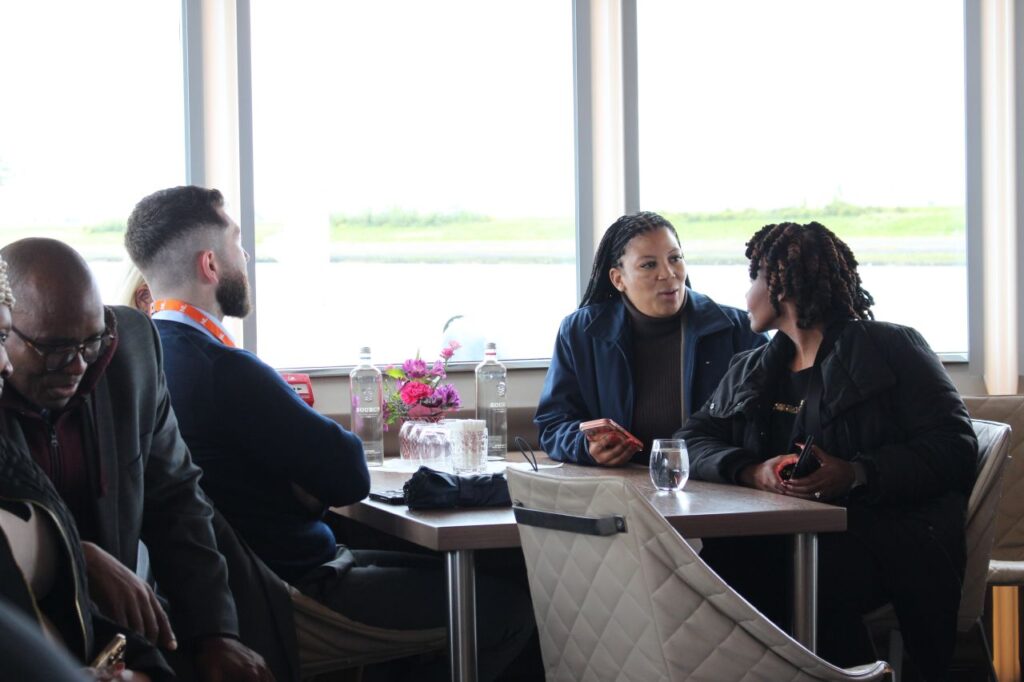
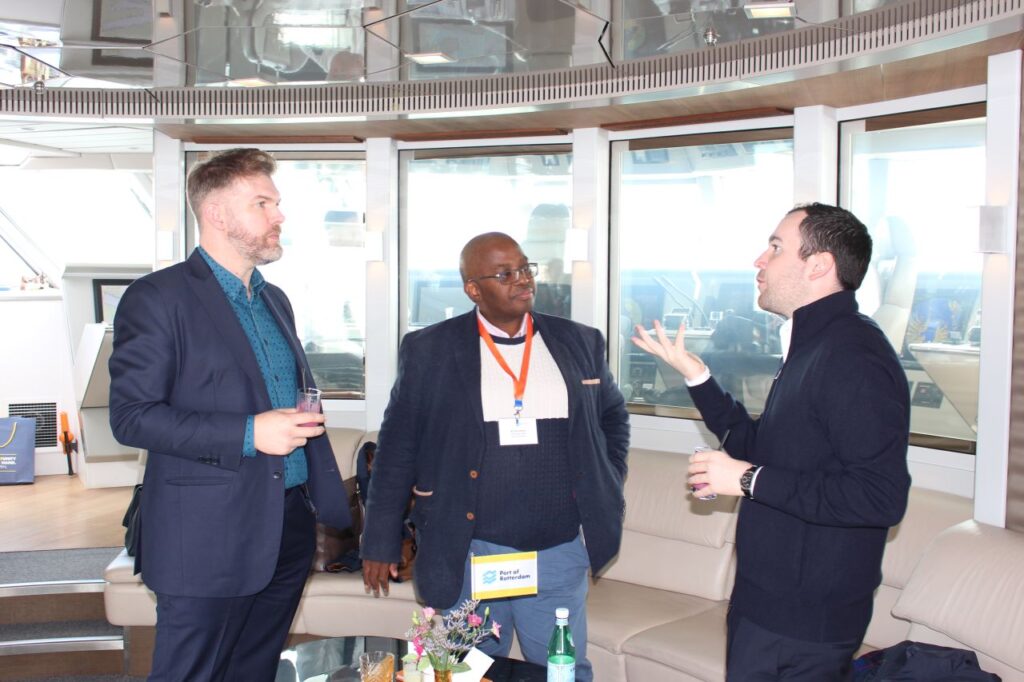
Beyond the impressive infrastructure on display, the visit also created a platform for meaningful engagement among decision-makers.
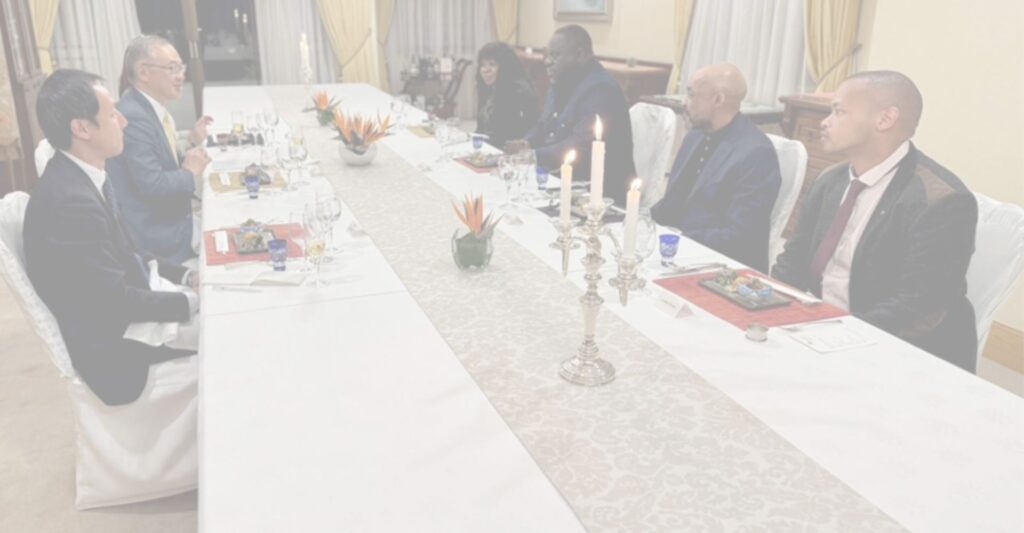
The informal setting encouraged discussions between government leaders, port authorities, industry executives, technical experts, and business partners—conversations that often prove just as valuable as formal conference sessions.
These exchanges focused on opportunities for collaboration, investment, logistics development, and the practical steps required to strengthen international hydrogen partnerships between South Africa, the Netherlands, and Europe more broadly.
Setting the Tone for the Week Ahead
As delegates prepared for the conference programme, the Rotterdam visit provided a clear demonstration of how large-scale energy transition projects are being translated into real-world infrastructure and commercial opportunities.
For South Africa, the experience reinforced the importance of building strong international partnerships and developing the full hydrogen value chain—from production and export capabilities at home to strategic market access abroad.
The working tour ultimately set a positive and forward-looking tone for the week ahead, highlighting the growing role that South Africa can play in the global green hydrogen economy and the partnerships required to turn ambition into reality.