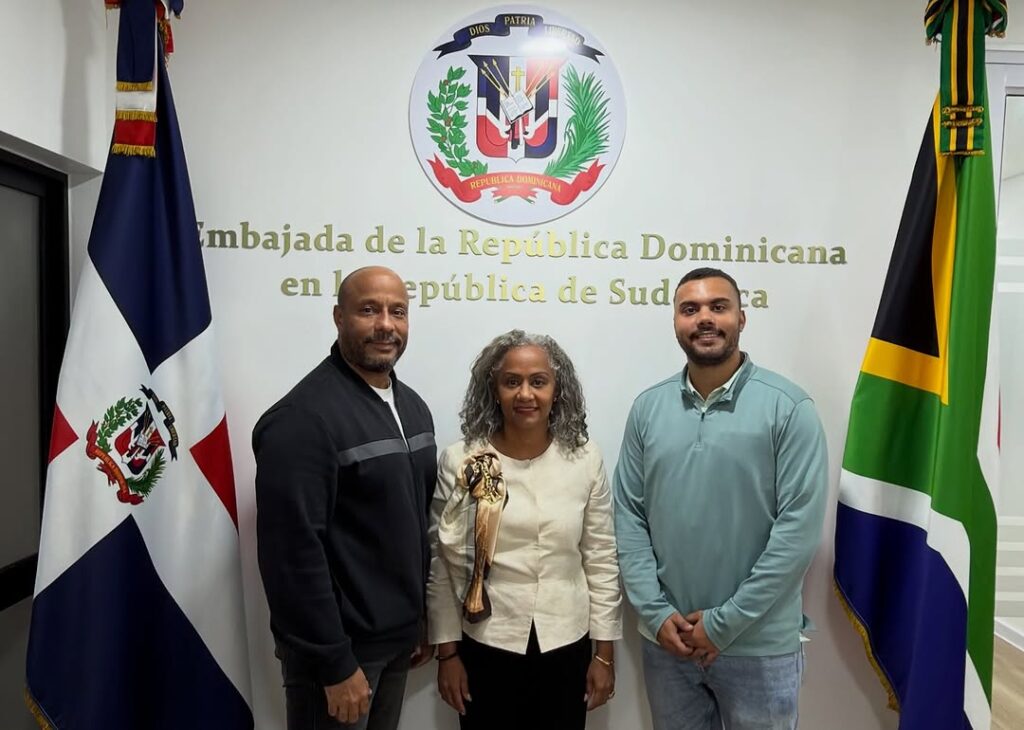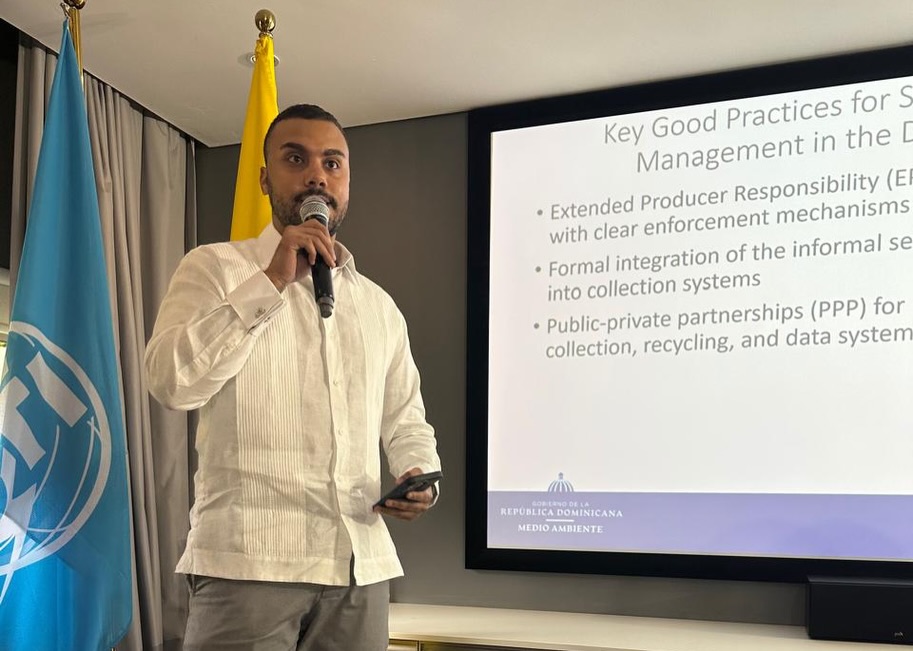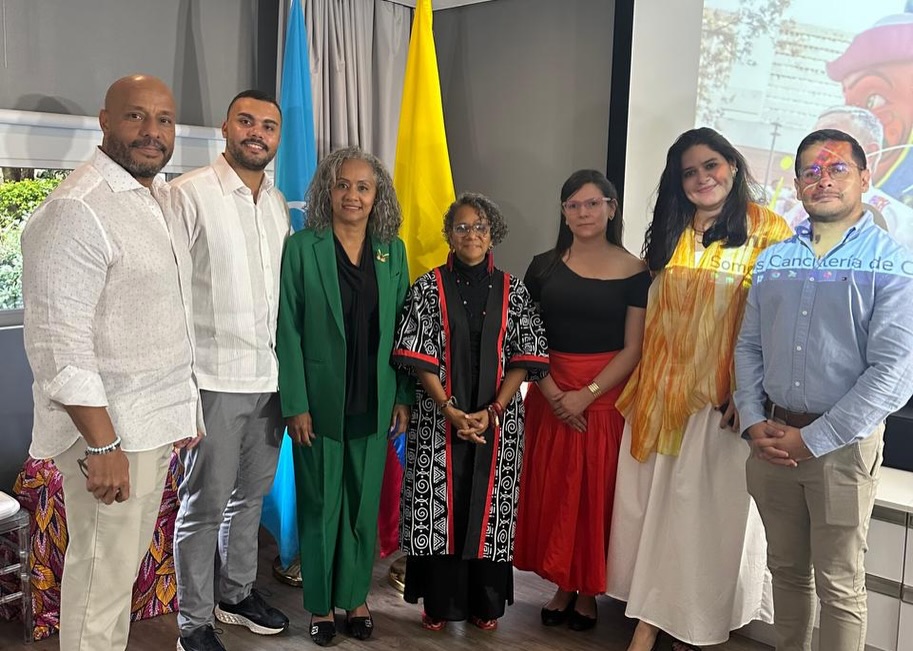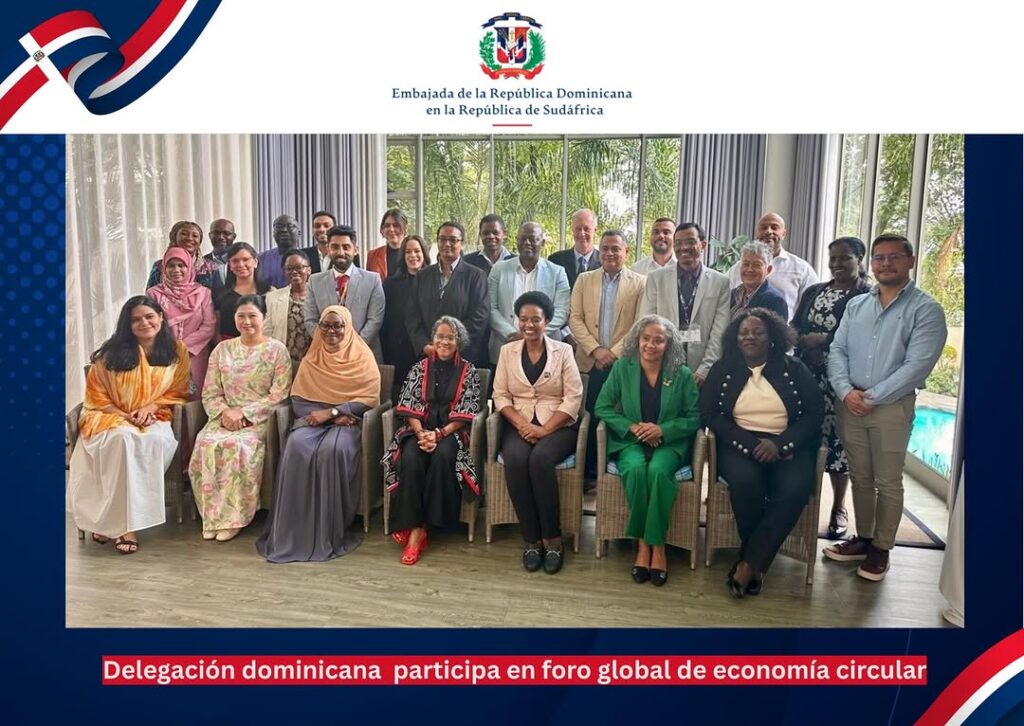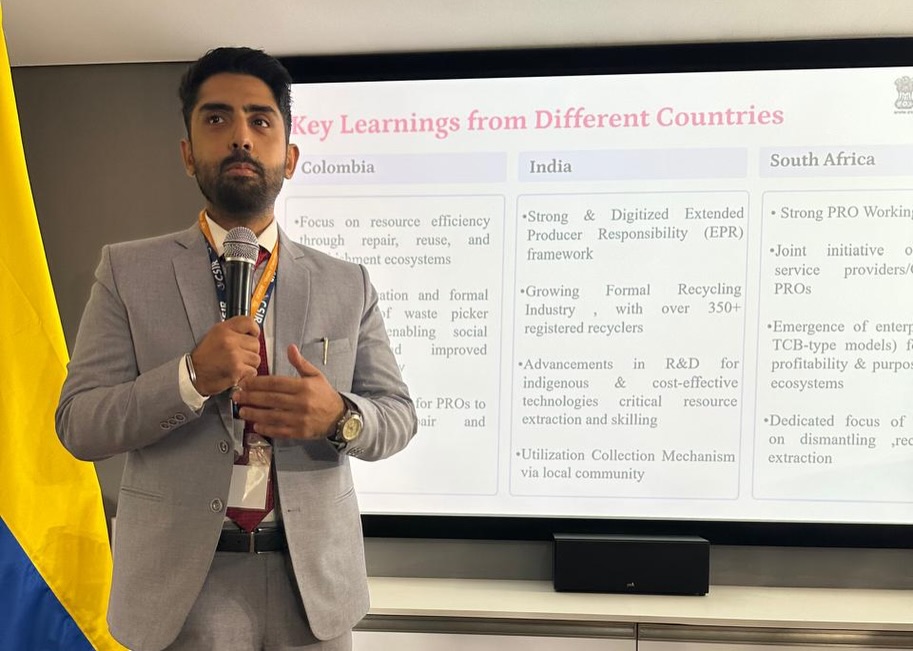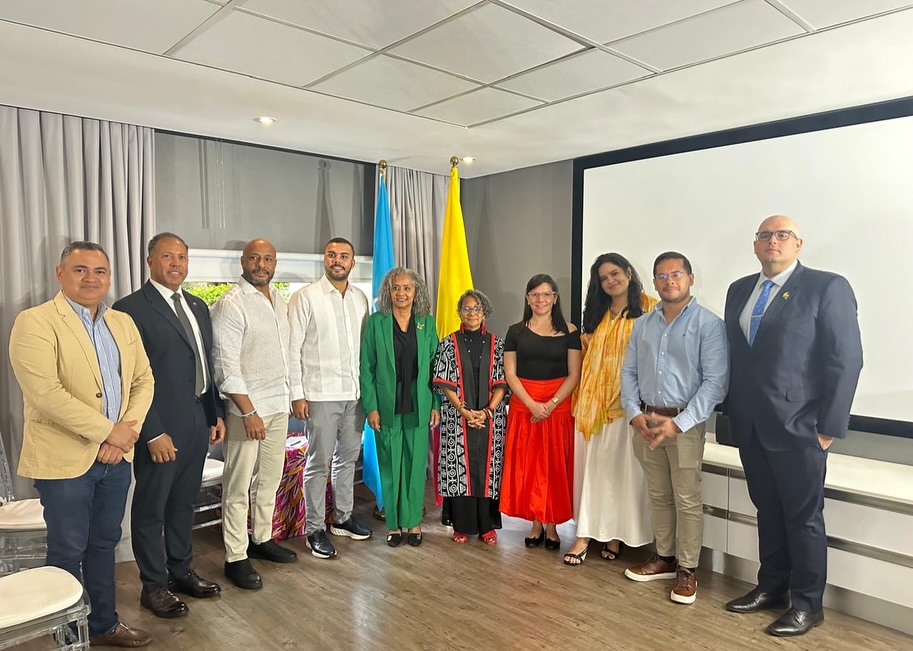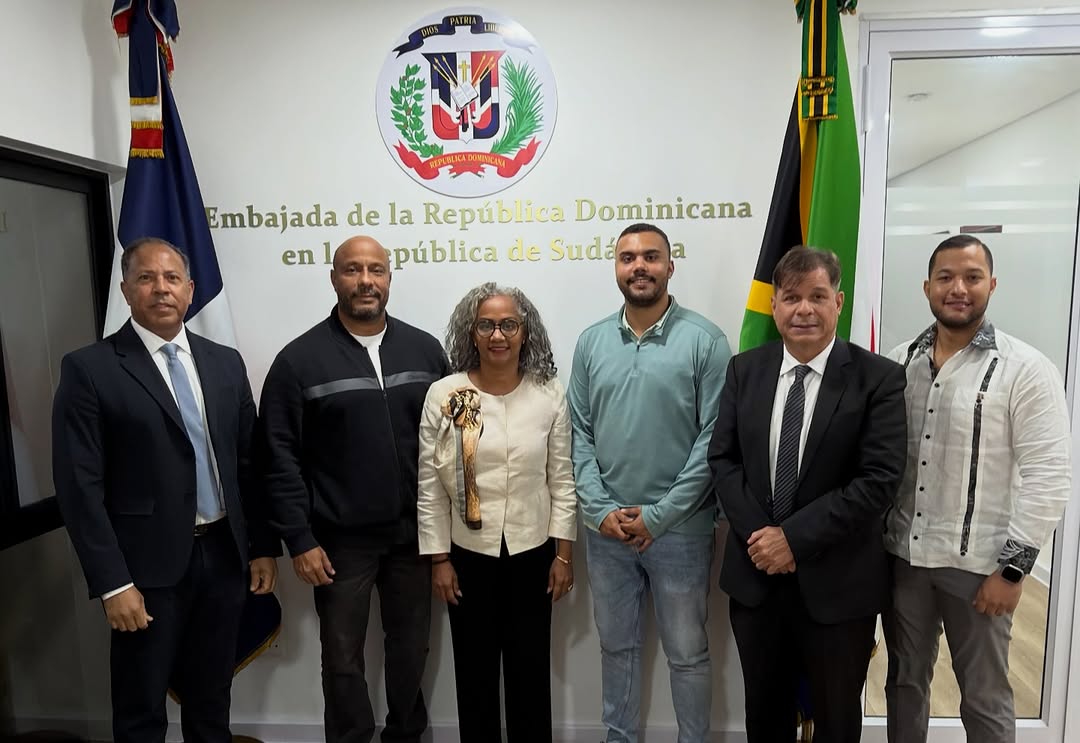
The Embassy of the Dominican Republic in Pretoria recently welcomed a high-level Dominican delegation that took part in the International Exchange Initiative on Regulating E-waste and Engaging Tech Companies: Towards a Circular Economy for Electrical and Electronic Equipment, held from 20 to 24 April in South Africa.
This important initiative was led by the International Telecommunication Union (ITU), in collaboration with the Presidential Agency for International Cooperation of Colombia. It brought together technical delegations from six countries — Colombia, the Dominican Republic, India, Malaysia, Nigeria, and South Africa — with a shared goal of addressing the growing global challenge of electronic waste (e-waste).
Strengthening Global Collaboration on E-Waste
The programme served as a platform for countries to exchange best practices, strengthen regulatory frameworks, and explore innovative approaches to managing electrical and electronic waste. With the rapid increase in electronic consumption worldwide, e-waste has become one of the fastest-growing waste streams, making international cooperation essential.
Delegates engaged in technical discussions on policy development, private sector engagement, and sustainable recycling systems, all aimed at transitioning towards a circular economy model. This approach focuses on reducing waste, reusing materials, and extending the lifecycle of electronic products.
Dominican Republic’s Participation
The Dominican Republic was represented by officials from the Ministry of Environment and Natural Resources, including Mr. Manuel Castillo and Mr. René Palma, who actively contributed to discussions and knowledge-sharing sessions.
Their participation highlights the country’s commitment to strengthening environmental governance and aligning with global best practices in sustainable waste management.
Towards a Circular Economy for Electronics
The initiative emphasised the importance of collaboration between governments, regulators, and technology companies in creating sustainable systems for managing electronic equipment. By promoting responsible production, consumption, and recycling, participating countries are working towards reducing environmental impact while unlocking economic opportunities within the circular economy.
Strengthening Bilateral and Multilateral Engagement
The visit of the Dominican delegation to South Africa also reflects the growing importance of international partnerships in tackling shared environmental challenges. Through initiatives like this, countries are not only exchanging technical expertise but also building stronger diplomatic and development cooperation ties.
As global attention on sustainability intensifies, such collaborative efforts play a vital role in shaping resilient and forward-looking environmental policies.