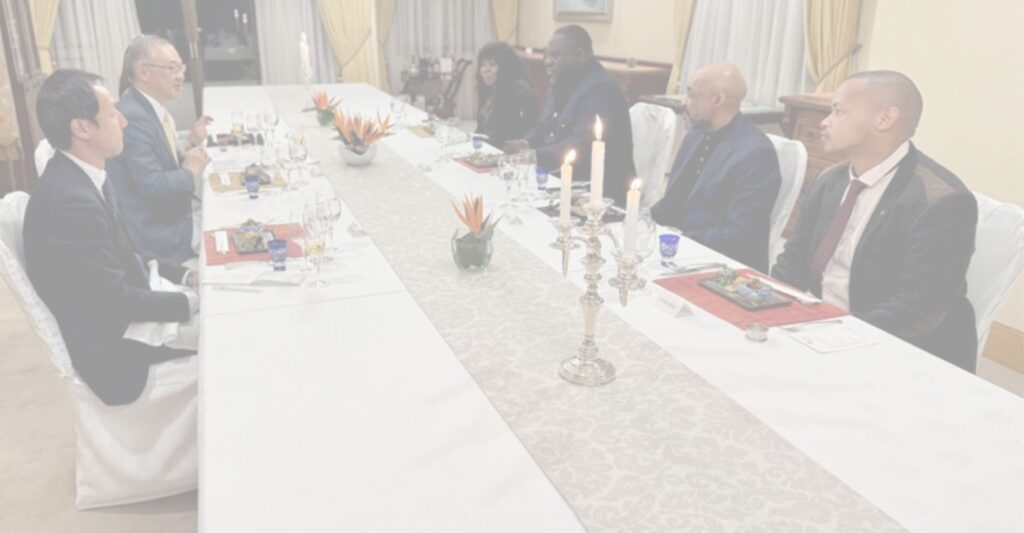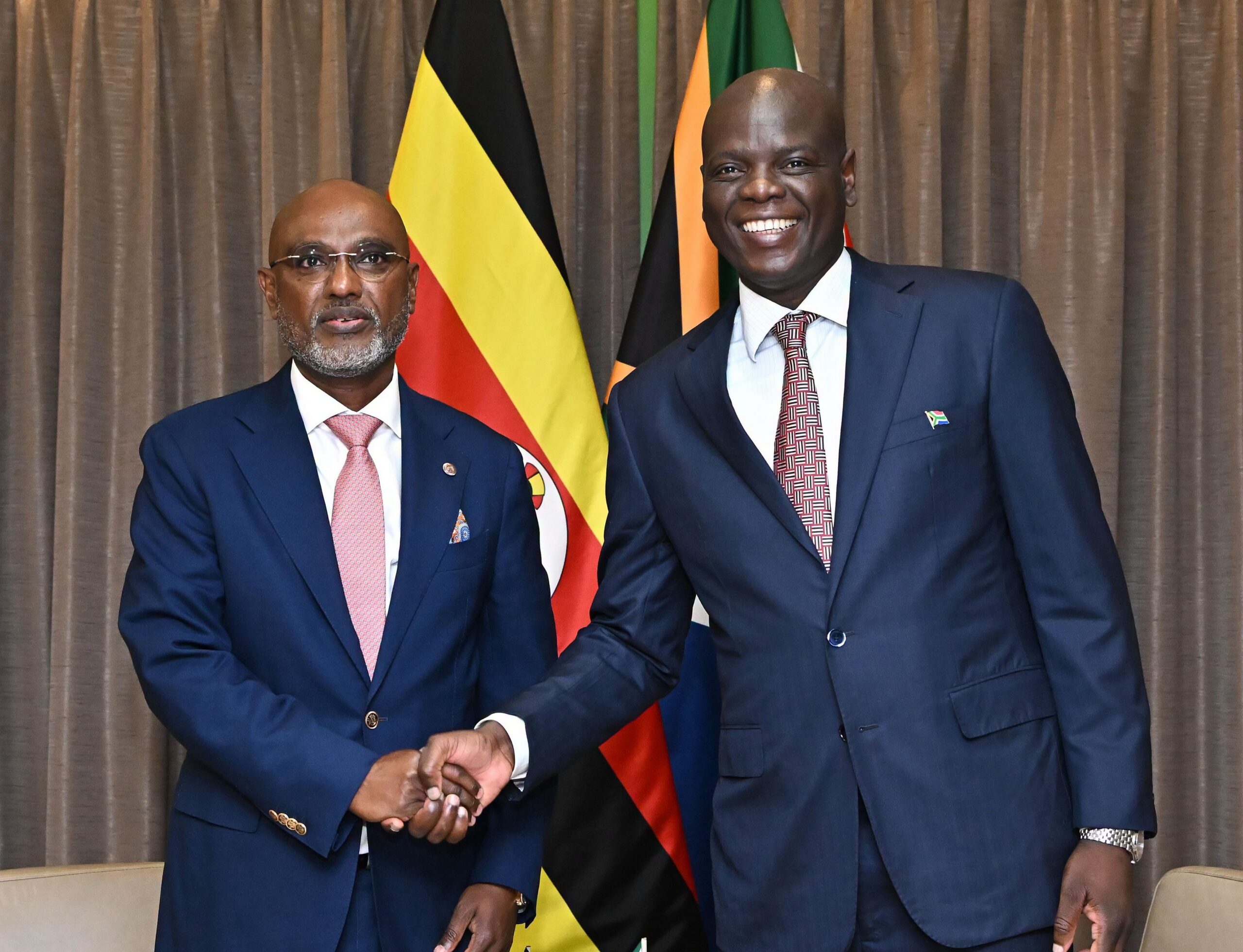
Existing South African investments in Uganda, including those in telecommunications and financial services, demonstrate the potential for deeper economic ties. Both countries are seeking to build on these foundations to encourage greater two-way investment and expand commercial opportunities.
The proposed Joint Working Group on Trade and Investment could provide a mechanism for maintaining dialogue, identifying investment opportunities and addressing challenges experienced by businesses operating in both markets.
Strengthening Business Partnerships and Market Access
Beyond government-to-government engagement, the discussions underscored the importance of translating diplomatic relations into tangible opportunities for the private sector.
Potential areas of collaboration include business forums, trade missions and stronger connections between South African and Ugandan companies.
For businesses seeking to expand into new African markets, closer cooperation between the two countries could support market access, facilitate investment and strengthen regional value chains.
Improved cooperation on standards, technical regulations and trade procedures is also important to facilitate the movement of goods and reduce obstacles to cross-border commerce.
These efforts align with the broader objectives of African economic integration and the implementation of the African Continental Free Trade Area (AfCFTA).
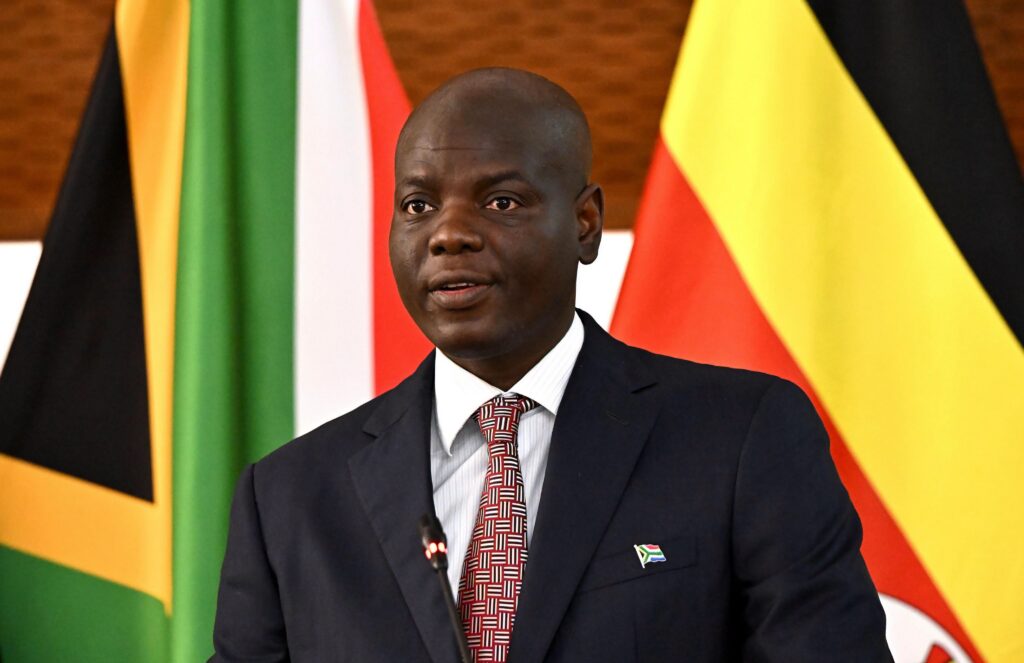
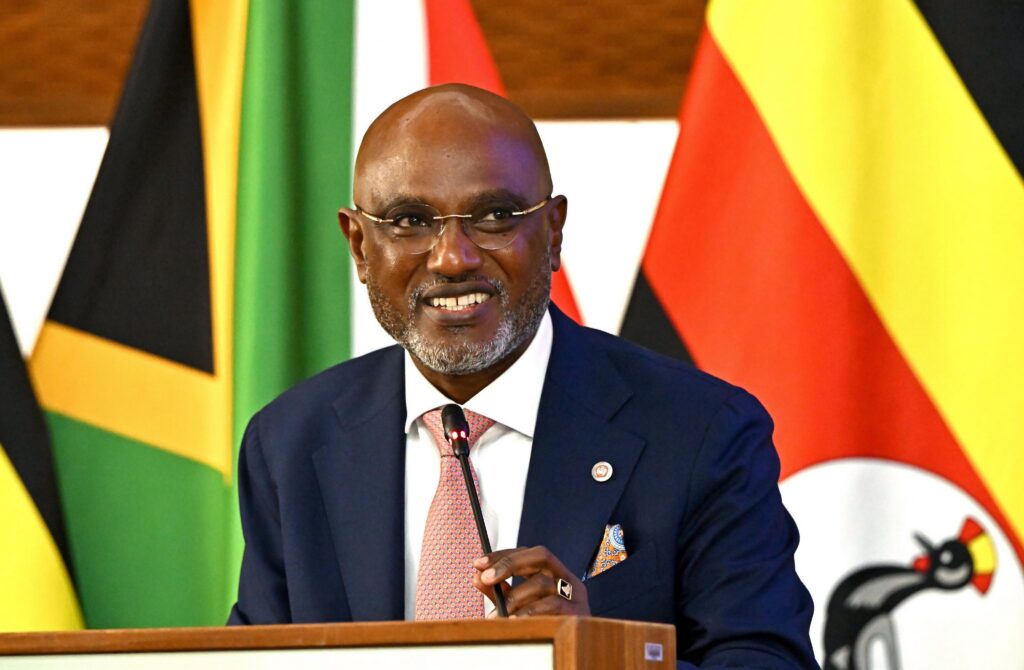
Regional Integration and African Cooperation
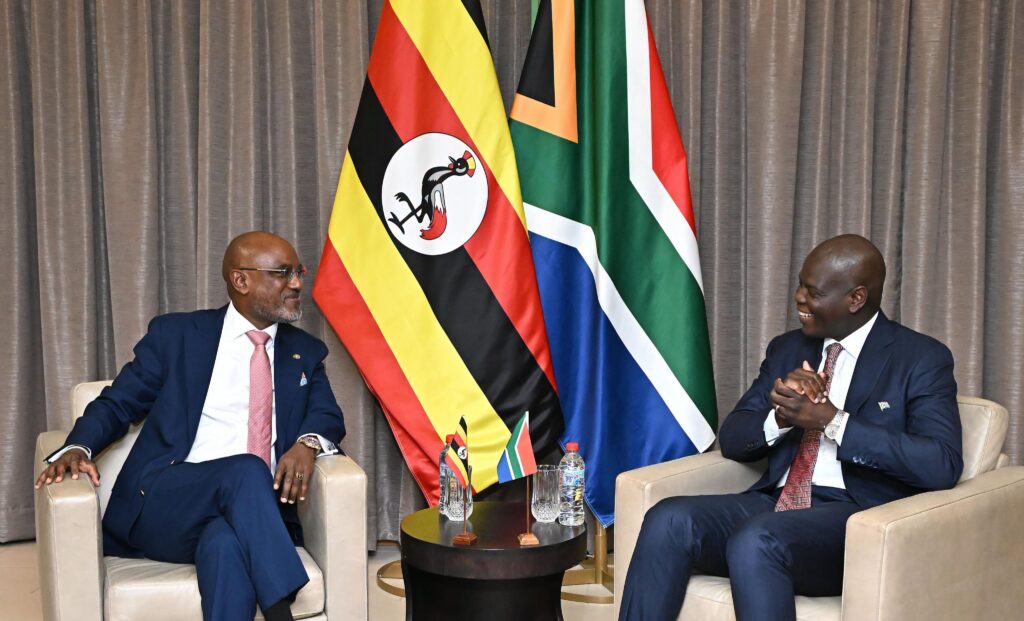
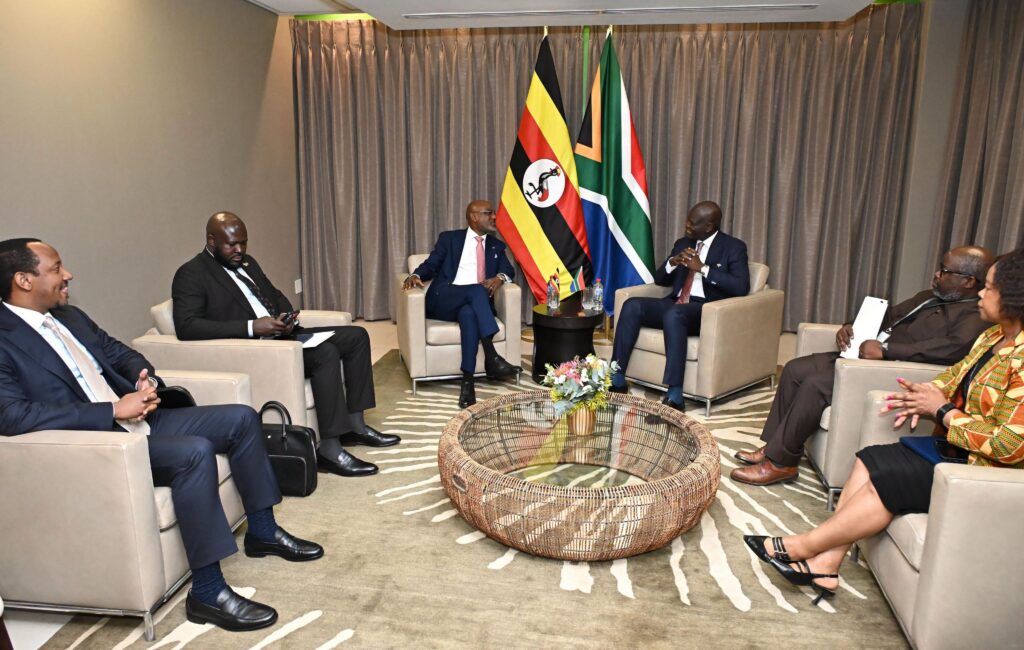
The meeting also reaffirmed the importance of regional and continental cooperation in advancing Africa’s development priorities.
South Africa and Uganda share an interest in strengthening collaboration through the African Union (AU), the East African Community (EAC) and other multilateral platforms.
Discussions included regional peace and security, infrastructure development, connectivity and the implementation of Africa’s development agenda.
Both countries recognise that stronger regional partnerships can contribute to economic transformation by improving access to markets, encouraging investment and supporting the movement of people and goods across the continent.
Their engagement also reflects the importance of African-led approaches to resolving conflicts, strengthening multilateral cooperation and advancing shared development priorities.

Improving Connectivity and Facilitating Legitimate Travel
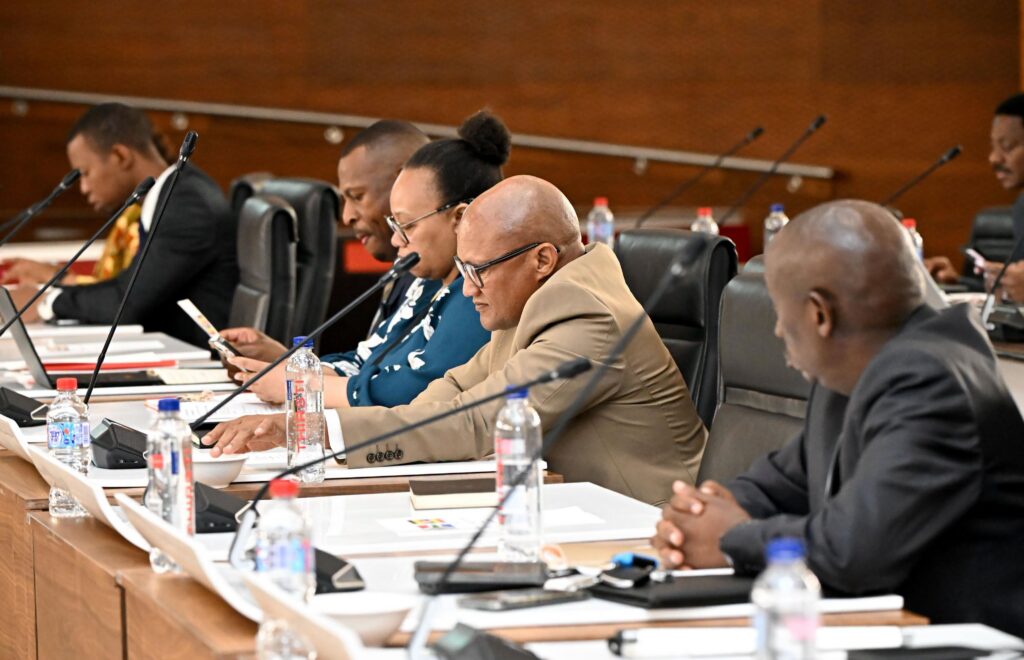
Connectivity and the movement of people were also highlighted as important components of stronger bilateral relations.
South Africa’s Electronic Travel Authorisation (ETA) system for eligible Ugandan passport holders was welcomed as a development that can facilitate legitimate short-term travel for business and other eligible purposes.
Improved travel arrangements, alongside stronger air connectivity and more efficient trade procedures, can help deepen engagement between the two countries’ business communities.
Enhanced mobility is particularly important for entrepreneurs, investors, students and other stakeholders whose activities contribute to economic cooperation and regional integration.
From Diplomatic Commitments to Practical Outcomes
The discussions emphasised the need to ensure that commitments made through bilateral engagements translate into measurable results.
Both countries highlighted the importance of following up on outstanding agreements, strengthening institutional cooperation and establishing practical next steps for areas requiring further technical or legal work.
The success of the Joint Commission will ultimately depend on the effective implementation of agreed priorities, sustained engagement between the two governments and the ability to convert identified opportunities into meaningful outcomes.
For South Africa and Uganda, deeper cooperation presents an opportunity to strengthen economic partnerships, expand business opportunities and contribute to broader African integration.
As the two countries build on their longstanding diplomatic relationship, the focus will remain on advancing cooperation that supports sustainable development and delivers mutual benefits for their people.