A delegation from the Western Cape Government’s Department of Infrastructure has used its engagements in Brussels to strengthen international cooperation and exchange knowledge on innovative approaches to infrastructure development, digital transformation and sustainability.
Led by Rene Kok, Acting Deputy Director-General: Provincial Public Works, the delegation held a series of engagements with South African diplomatic representatives and institutions in Belgium, exploring opportunities for knowledge-sharing, partnerships and the adoption of international best practices.
Engagement with South Africa’s Ambassador in Brussels
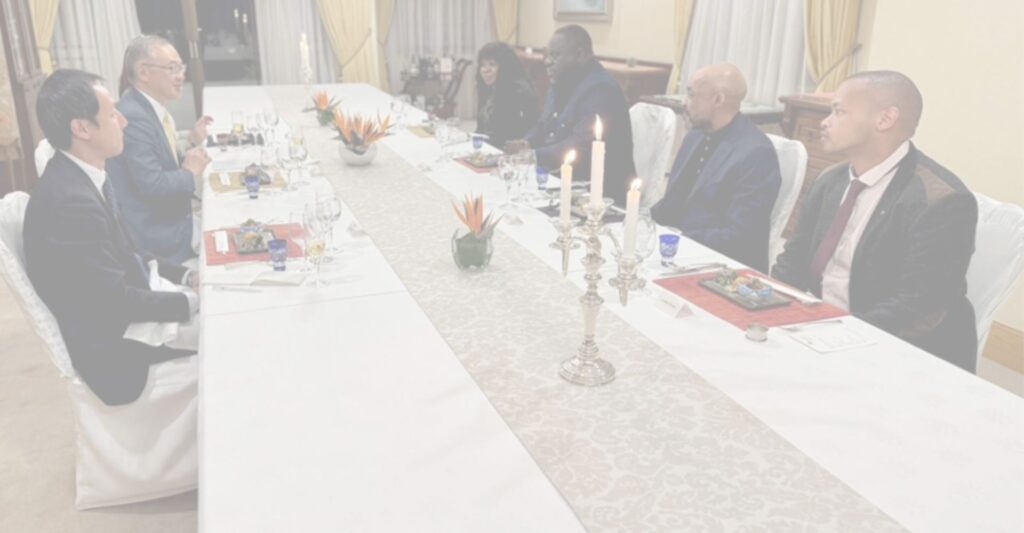
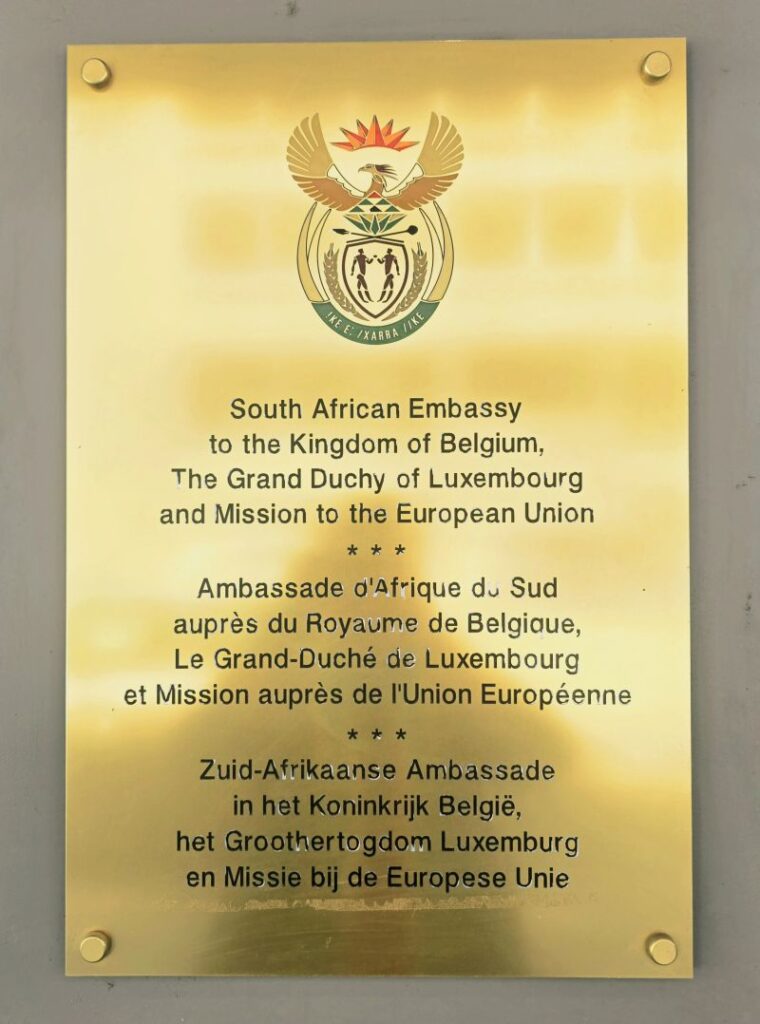
As part of the delegation’s programme, the Western Cape Government team met with Dr Malebo Mabitje-Thompson, Ambassador of the Republic of South Africa to the Kingdom of Belgium, the Grand Duchy of Luxembourg and the European Union.
The engagement provided an opportunity for the delegation to present some of the innovative work currently being undertaken by the Western Cape Government, including its Digital Twin initiative and the Western Cape Infrastructure Framework and Implementation Plan.
The discussions highlighted the importance of connecting provincial infrastructure priorities with international knowledge, expertise and partnerships.
For the Western Cape Government, international engagements provide an opportunity not only to showcase work being undertaken in the province, but also to learn from institutions and jurisdictions that are developing new approaches to infrastructure planning and delivery.
Exploring Innovation and Sustainable Infrastructure
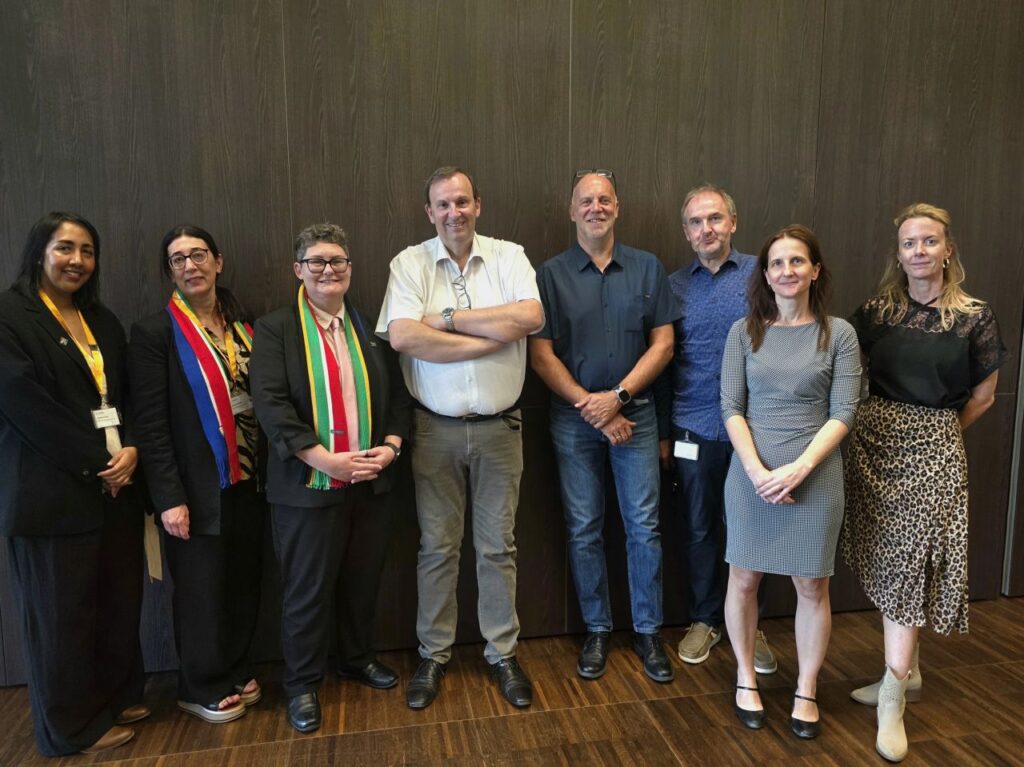
The delegation also engaged with Flemish institutions in Brussels, focusing on innovation around the Sustainable Development Goals (SDGs), ISO standards and sustainable infrastructure practices.
The discussions provided an opportunity for the Western Cape representatives to gain insight into approaches being implemented in Flanders and Europe to address emerging infrastructure and sustainability challenges.
The engagement comes at a time when infrastructure development is increasingly linked to environmental sustainability, technological innovation, resource efficiency and long-term resilience.
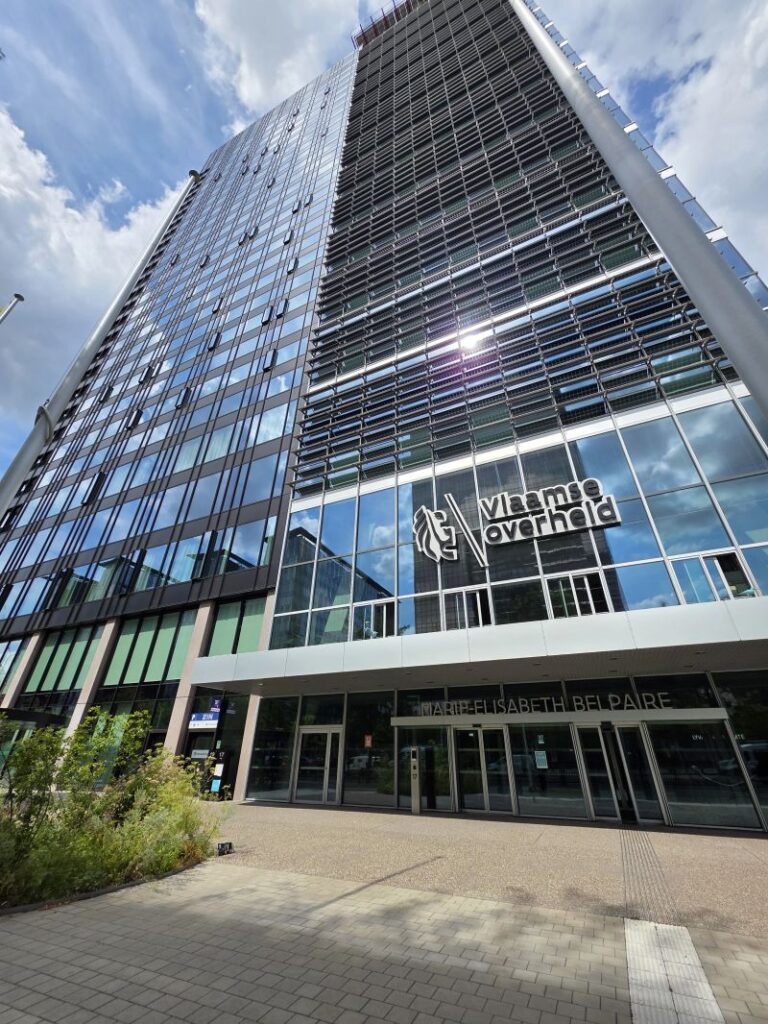
One of the examples encountered during the Brussels programme was the Marie-Elisabeth Belpaire Building, a major Flemish Government facility designed around principles of circularity, sustainability and innovation.
The building incorporates features including solar panels, geothermal energy systems, water recovery and extensive use of reused and recycled materials. The Flemish Government describes it as an example of sustainable, circular and accessible public infrastructure.
The building also houses around 4,800 Flemish Government employees and forms part of the wider ZIN development in Brussels.
Learning from European Infrastructure Innovation
For the Western Cape delegation, exposure to projects such as the Belpaire Building demonstrates the value of international knowledge exchange.
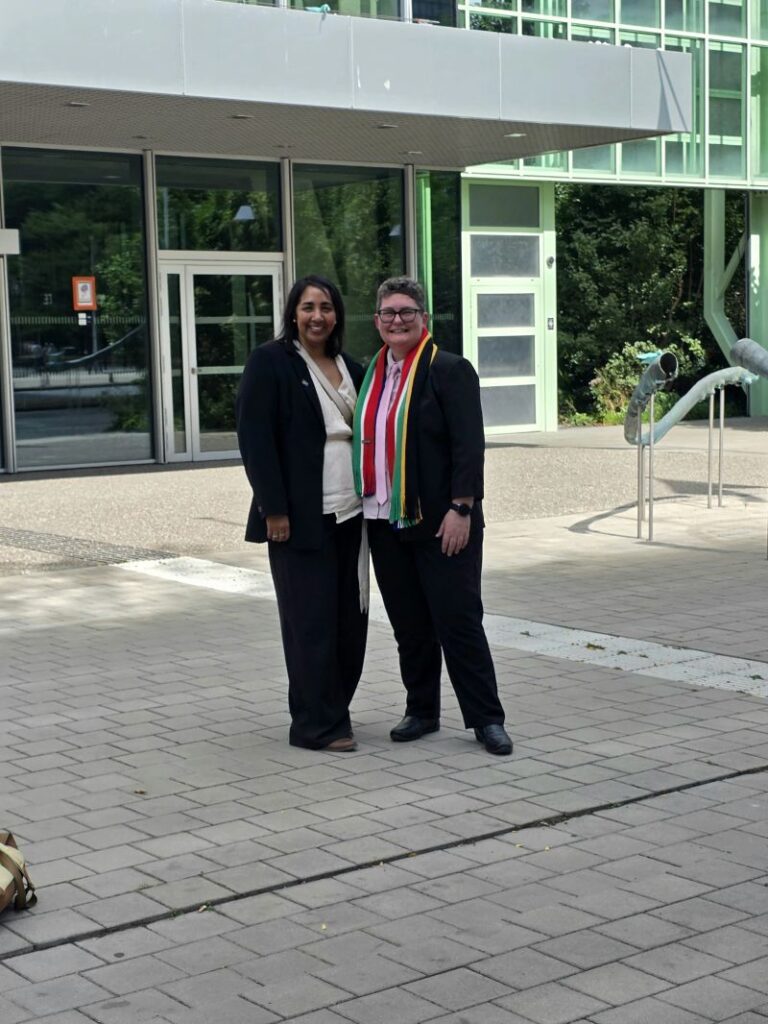
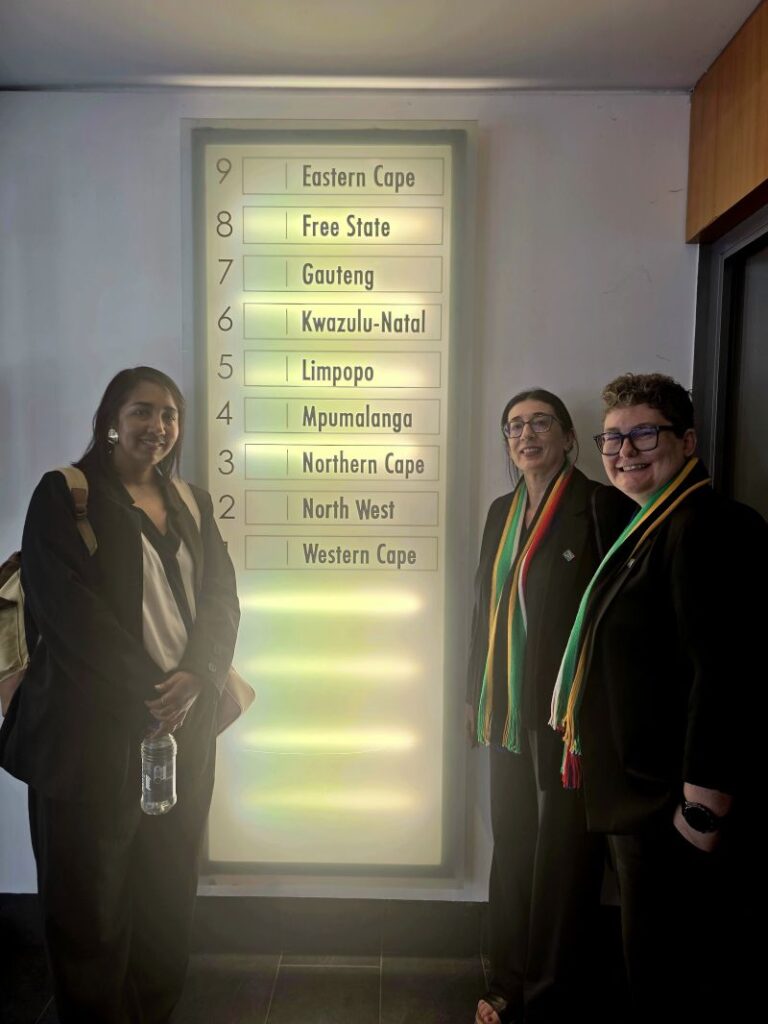
The delegation received a private tour of the award-winning building, providing an opportunity to examine how sustainability, innovation, technology and forward-looking design can be incorporated into the built environment.
Such examples are particularly relevant to modern infrastructure planning, where governments are increasingly expected to deliver infrastructure that is not only functional, but also environmentally responsible, adaptable and technologically enabled.
The Flemish Government has incorporated circular construction principles into the Belpaire Building, including the recovery and reuse of materials from the previous structures. The building also incorporates energy-efficient systems and renewable energy technologies.
Digital Transformation and the Future of Infrastructure
A key theme emerging from the Western Cape’s Brussels engagements is the growing role of digital transformation in infrastructure planning and management.
The delegation highlighted the Western Cape’s Digital Twin initiative, an approach that can support more informed infrastructure planning by creating digital representations of physical assets and environments.
Digital technologies are increasingly being used internationally to improve planning, asset management, efficiency and decision-making. For a province managing complex infrastructure needs, these tools can contribute to more integrated and data-driven approaches to infrastructure development.
The Western Cape Infrastructure Framework and Implementation Plan similarly provides an important strategic foundation for coordinating infrastructure development and supporting long-term provincial priorities.
Building Partnerships Beyond Borders
Rene Kok emphasised the value of the Brussels engagements in creating opportunities for the Western Cape to establish meaningful international partnerships, exchange knowledge and explore innovative solutions to shared infrastructure and sustainability challenges.
The delegation’s engagements demonstrate how international cooperation can complement domestic government efforts by providing access to different models, technologies and experiences.
Rather than simply observing international best practice, such engagements can help identify approaches that may be adapted to the South African context.
The Western Cape’s participation in these discussions also places the province within broader international conversations around sustainable cities, infrastructure innovation, digital transformation and the Sustainable Development Goals.
Strengthening South Africa’s International Infrastructure Profile
The Brussels programme further demonstrates the role that provincial governments can play in advancing South Africa’s international cooperation agenda.
By engaging diplomatic representatives, European institutions and technical organisations, the Western Cape Government is positioning its infrastructure programme within a wider global network focused on innovation and sustainable development.
The engagements also reinforce the importance of collaboration between different levels of government and international partners in addressing increasingly complex infrastructure challenges.
As the delegation returns with new insights and experiences, the focus will be on considering how lessons from Brussels can contribute to infrastructure delivery and innovation in the Western Cape.
The visit ultimately reflects a broader principle: international cooperation can help governments learn faster, build stronger partnerships and develop infrastructure solutions that are fit for the future.