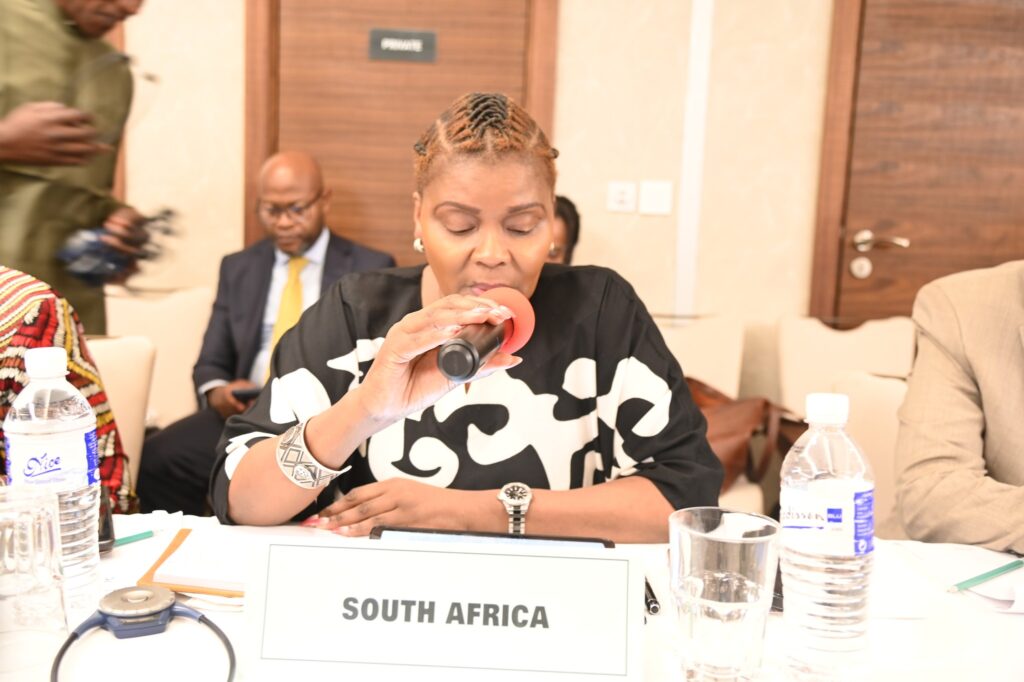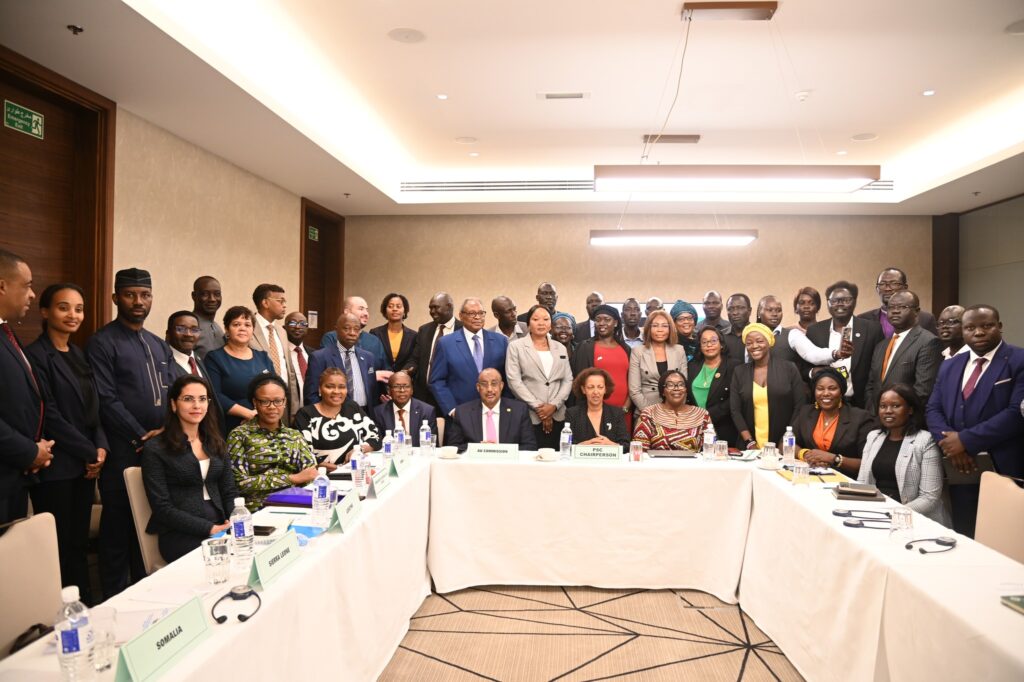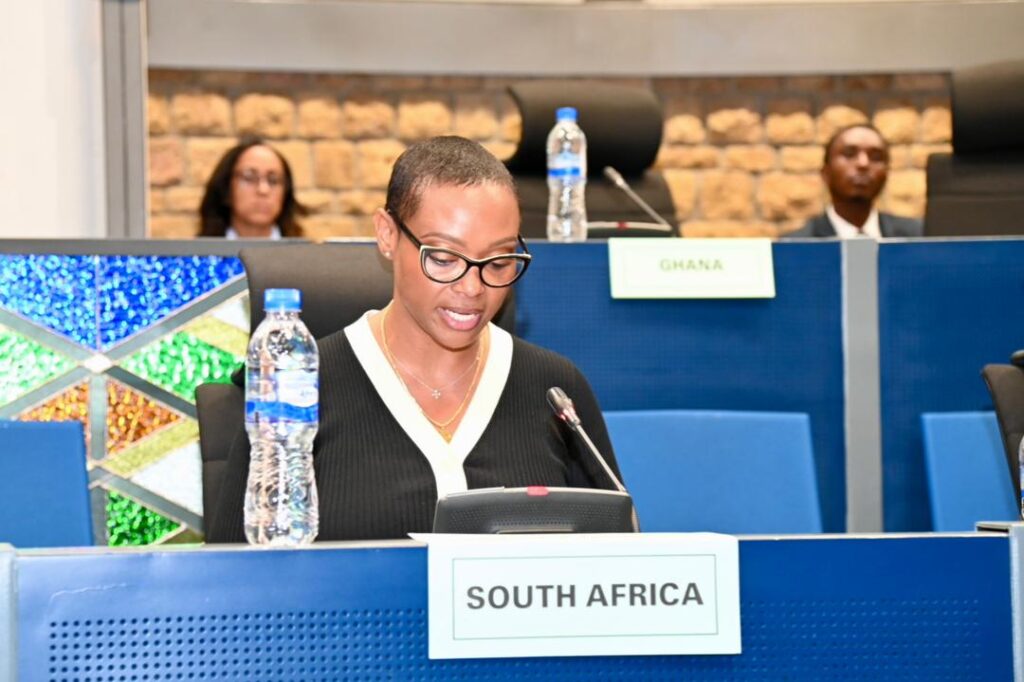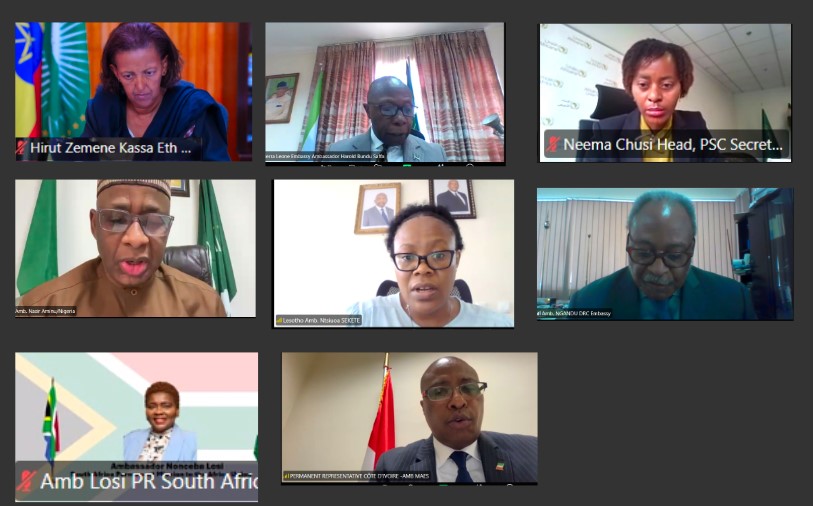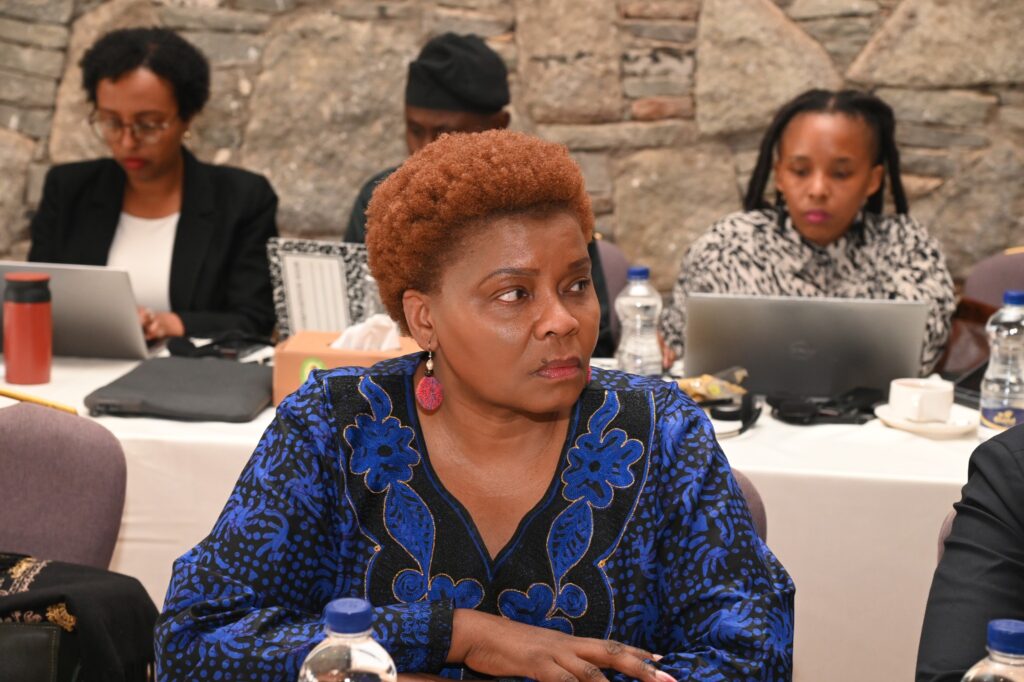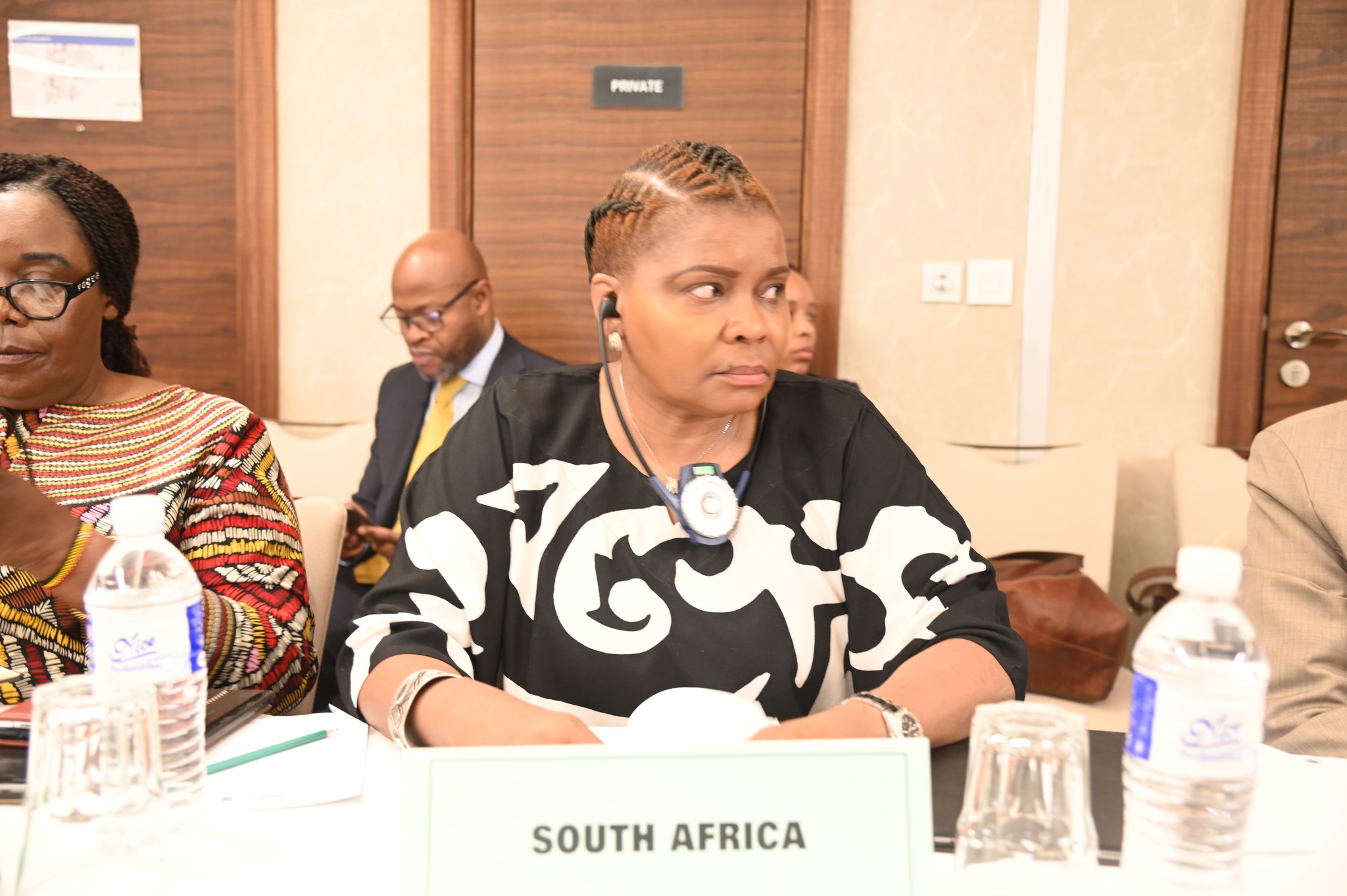
The Republic of South Africa has successfully concluded its first month as a member of the African Union Peace and Security Council (AUPSC), serving under the Chairship of the Ethiopia. The country’s active participation signals a renewed commitment to advancing peace, security, and stability across the African continent.
Active Participation Across Key AUPSC Sessions
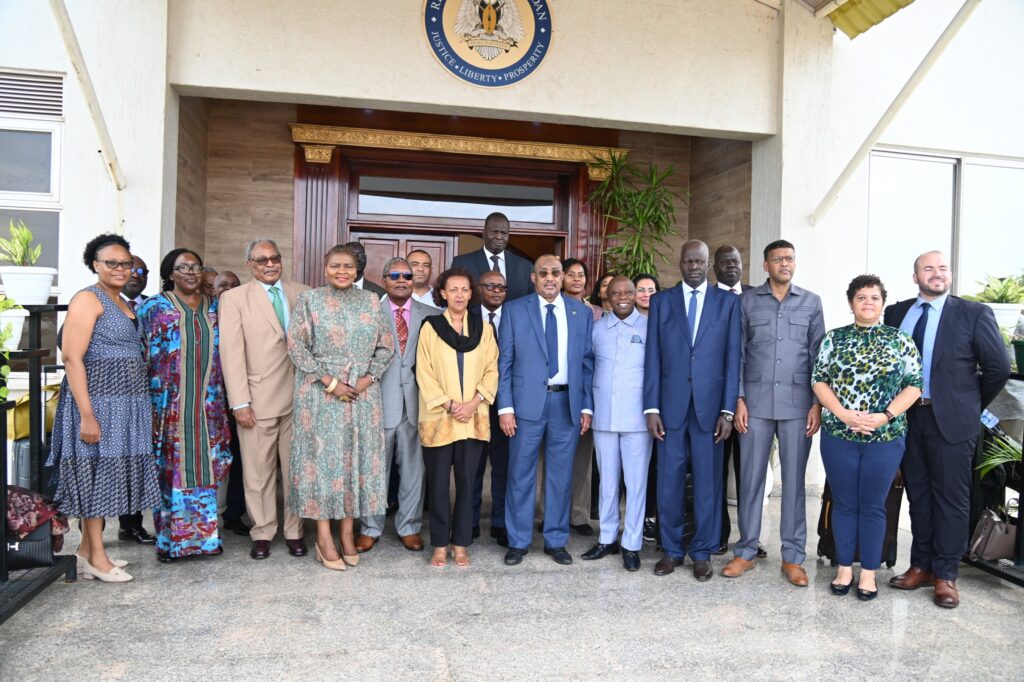
Throughout April 2026, South Africa played an engaged and influential role in all major Council activities. Proceedings commenced with the Flag Ceremony on 07 April, marking the country’s official entry into the Council.
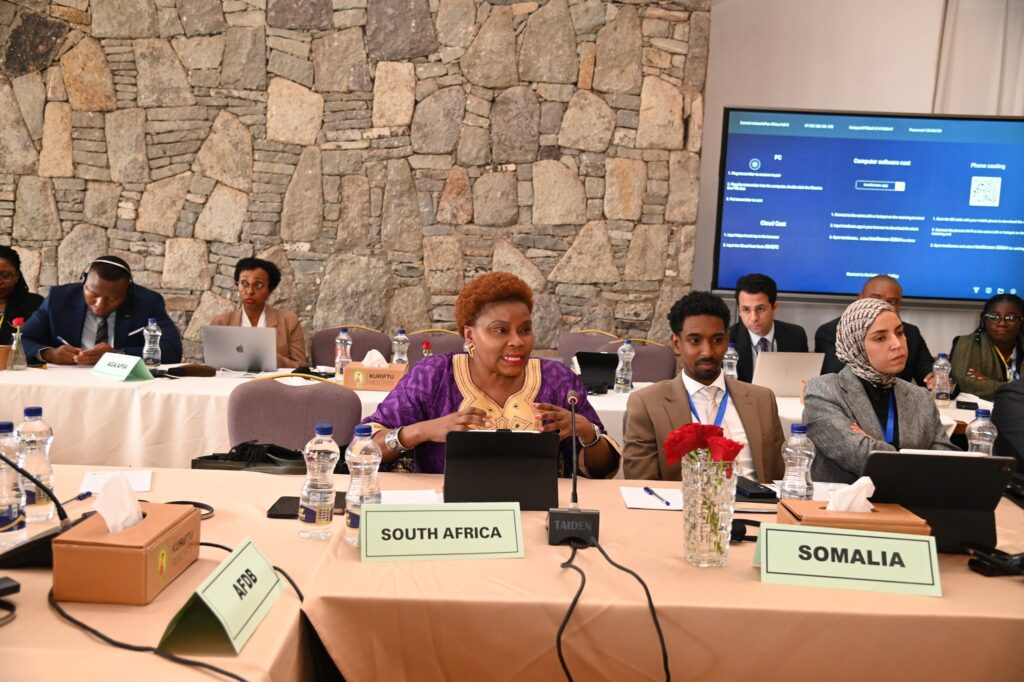
The following day, South Africa participated in an open session addressing hate crimes and genocide ideology in Africa—an issue of growing concern across the continent. By 09 April, discussions expanded to include the impact of the Middle East crisis on Africa, alongside deliberations on the situation in the Central African Republic.
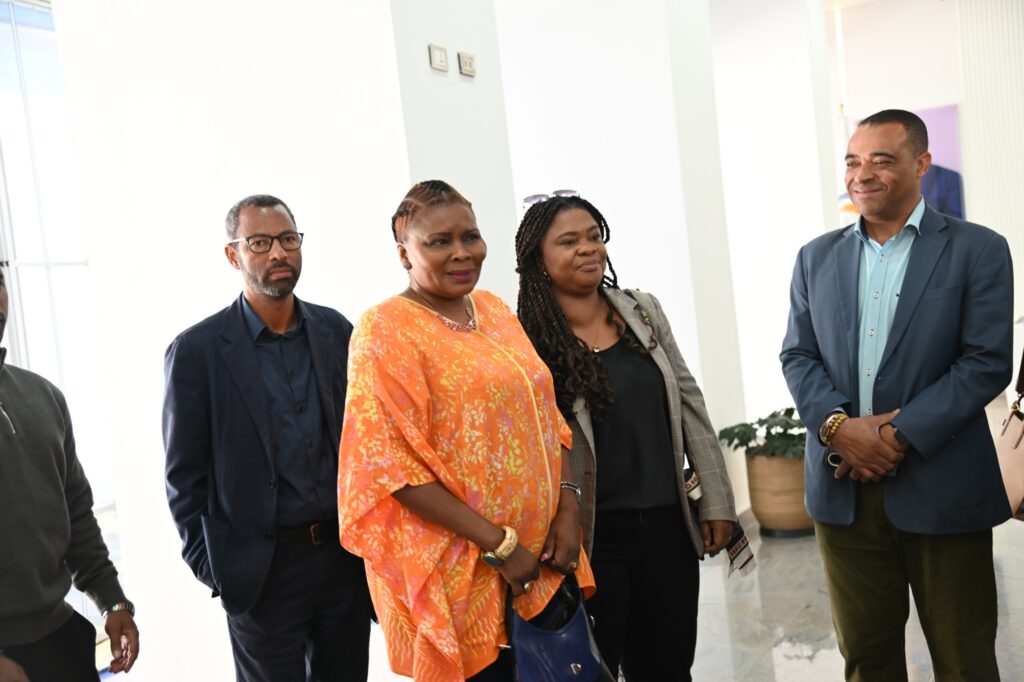
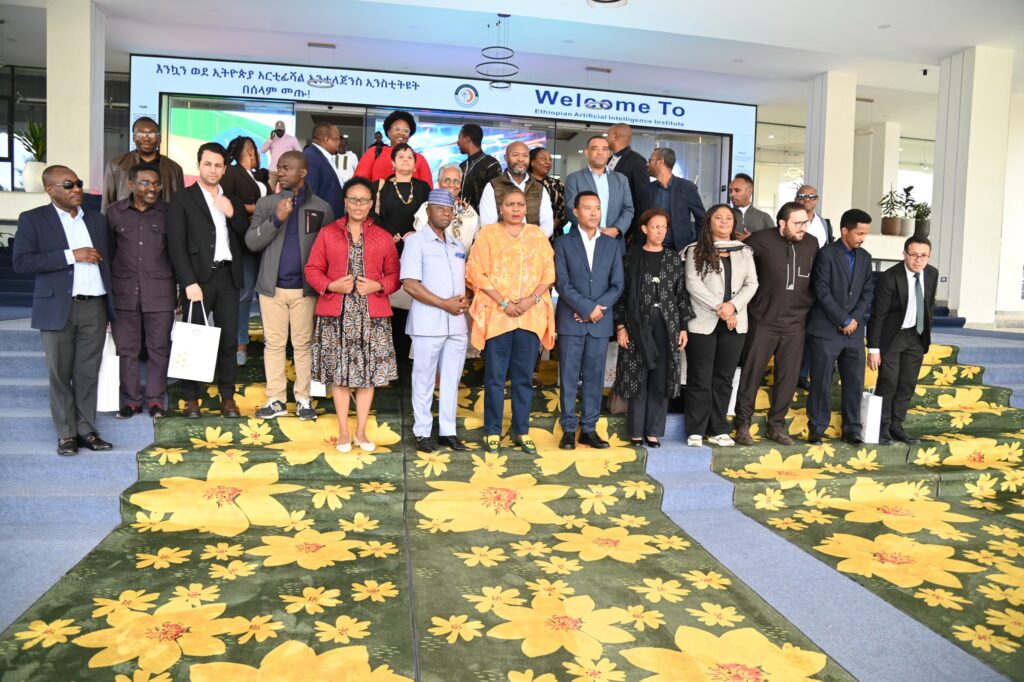
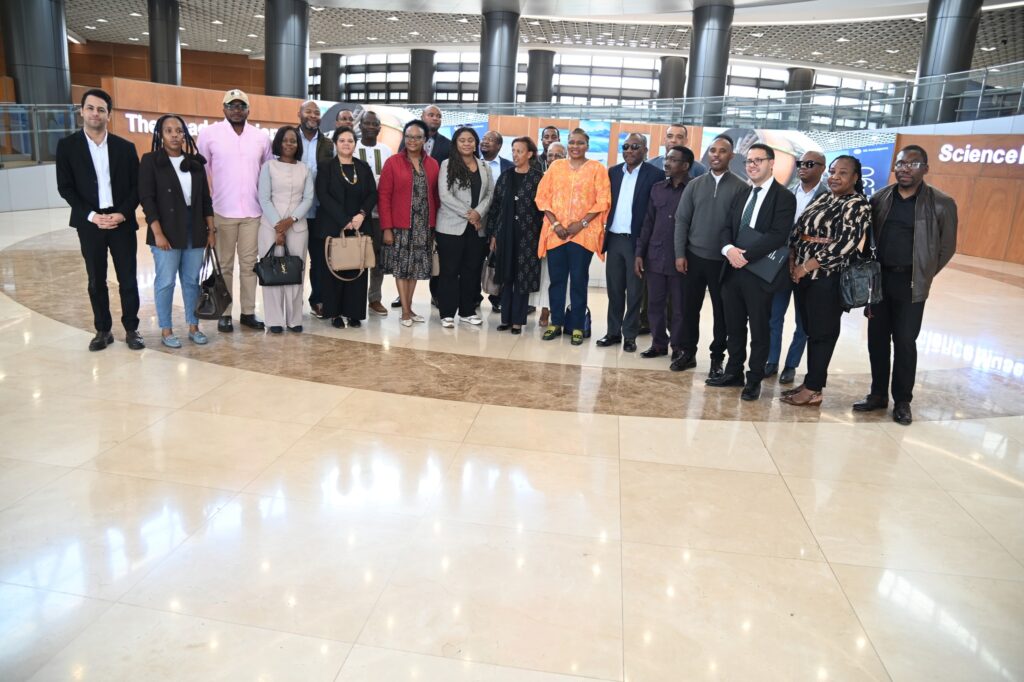
Mid-month engagements included a Ministerial Session on Artificial Intelligence (AI), Governance, Peace and Security, followed by a visit to Ethiopia’s AI Institute and Science and Technology Museum—highlighting the intersection between emerging technologies and peacebuilding.
Further sessions included:
- Briefings on the activities of the A3 (African members of the UN Security Council)
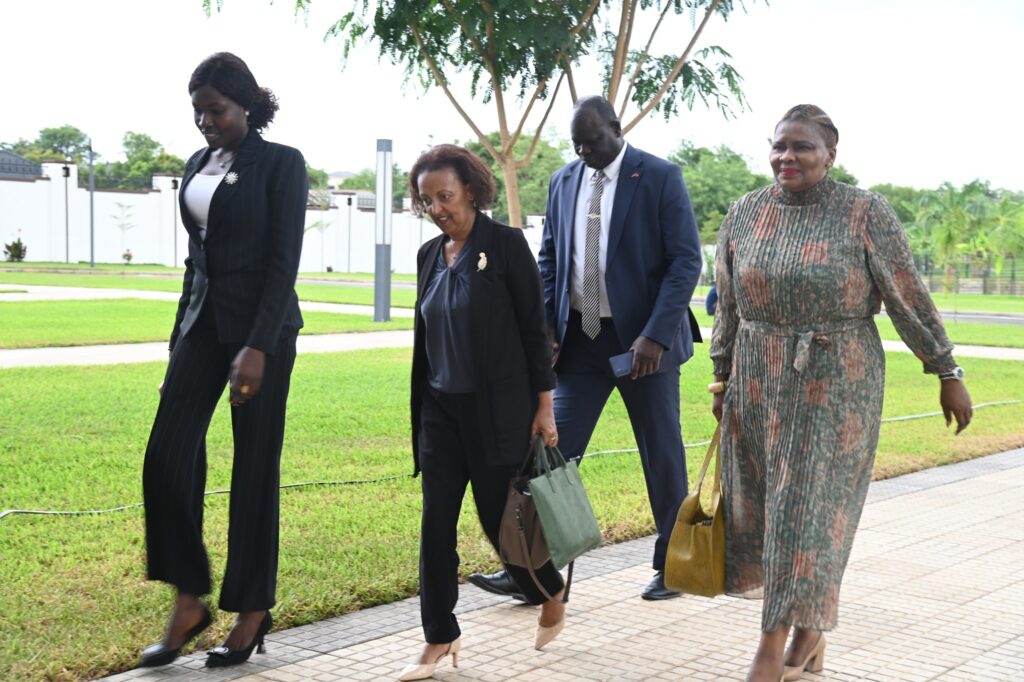
- A field mission to South Sudan
- Open discussions on Peace Support Operations in Africa
- Strategic reviews on Somalia and Mali
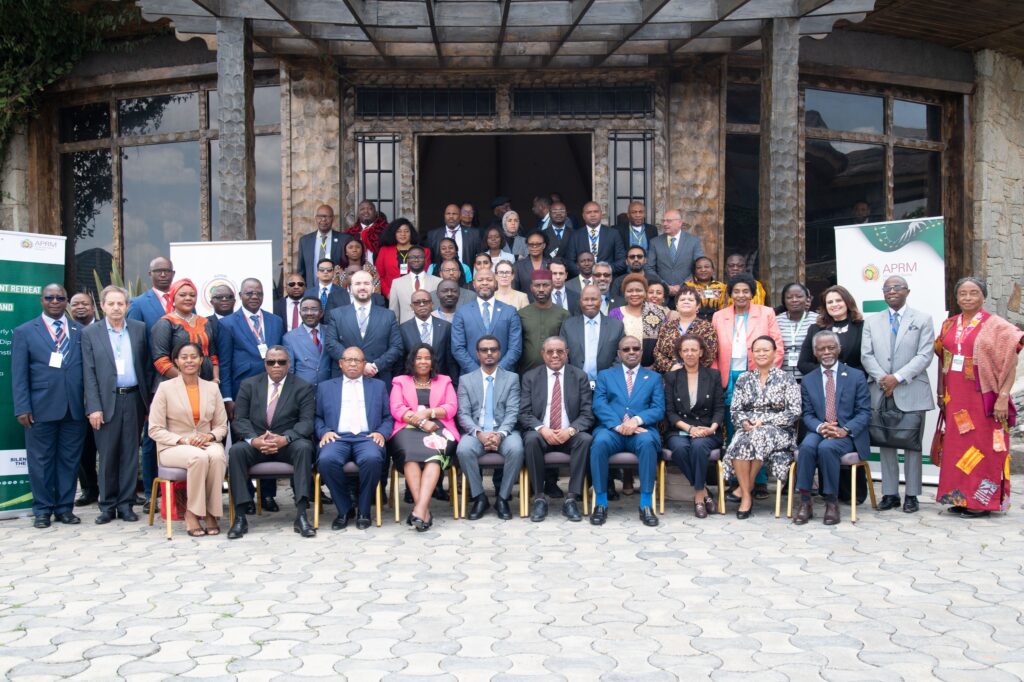
- The 5th Annual Joint Retreat between PSC and APRM structures
South Africa’s Key Policy Positions
South Africa used its platform within the AUPSC to advance critical policy priorities:
1. Strong Stance Against Genocide and Humanitarian Crises
South Africa called for universal adherence to the Genocide Convention and urgent international action to address atrocities on the continent, particularly the escalating humanitarian crisis in Sudan.
2. Promoting Stability in the Central African Republic
The country emphasised the importance of sustained dialogue in the Central African Republic and advocated for comprehensive peacebuilding and reconstruction efforts to prevent relapse into conflict.
3. Advancing African-Centred AI Governance
On artificial intelligence, South Africa championed governance frameworks rooted in African values and institutions. The country stressed alignment with continental priorities such as Agenda 2063 and the African Peace and Security Architecture, highlighting the need for data sovereignty and unified African positions in global AI governance.
4. Strengthening the A3 and Peacekeeping Effectiveness
South Africa welcomed the growing influence of the A3 and encouraged deeper collaboration among African states. It further underscored that peacekeeping must be complemented by political solutions, including mediation and conflict prevention strategies.
5. Commitment to Peace in South Sudan
During its field mission, South Africa reaffirmed the importance of the Revitalized Agreement for the Resolution of Conflict in South Sudan (R-ARCSS) as the central framework for achieving lasting peace in the country.
Continued Engagement in May 2026
As South Africa continues its tenure in the AUPSC, the country remains committed to shaping Africa’s peace and security agenda through diplomacy, innovation, and strategic partnerships. Its proactive engagement in April sets a strong foundation for impactful contributions in the months ahead.
With a focus on conflict resolution, technological governance, and continental unity, South Africa is positioning itself as a key driver of sustainable peace in Africa.