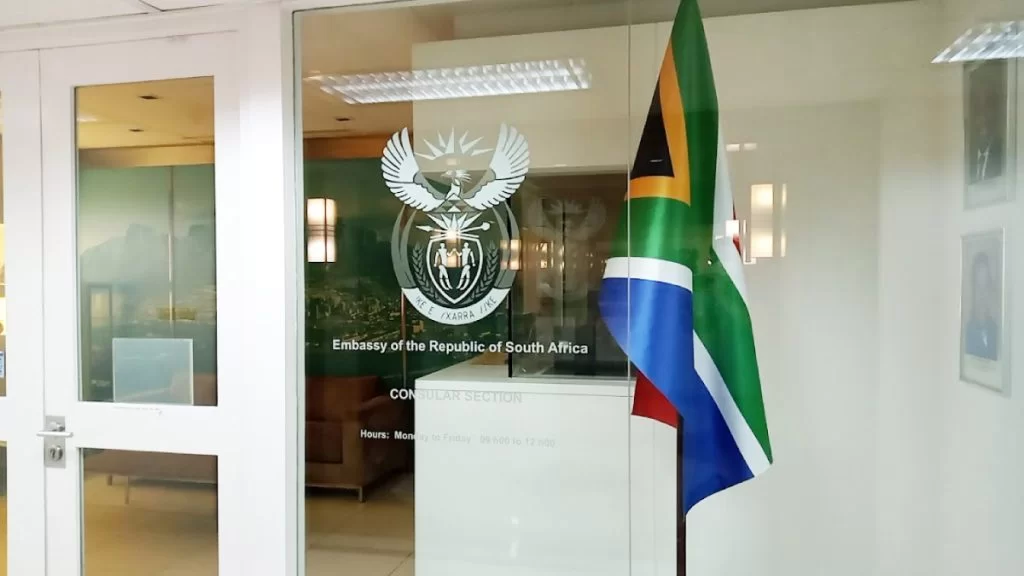
In the fast-moving world of global politics, decisions are rarely made in isolation. Behind every foreign policy shift, every diplomatic stance, and every strategic move, there is a steady flow of information coming from one place — embassies.
But how exactly do diplomats report what is happening inside a country?
This is where political reporting comes in — one of the most important, yet least visible, functions of diplomacy.
The Quiet Work Behind the Scenes
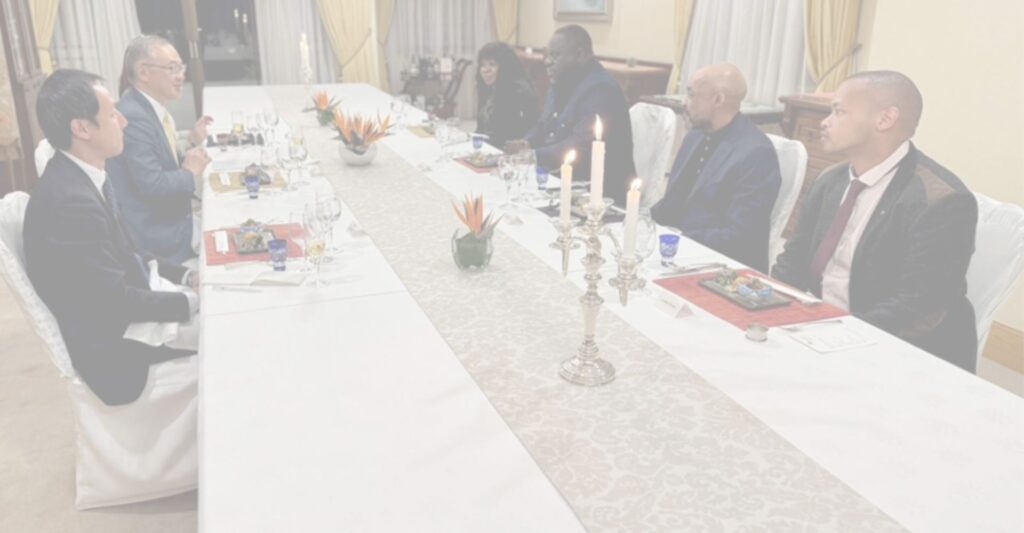
Inside embassies, political officers spend their days observing, listening, and engaging. Their role is not to make headlines, but to understand them — often before they happen.
They attend meetings with:
- Government officials
- Members of parliament
- Policy experts and academics
- Civil society leaders
These conversations are not casual. Every interaction offers insight into the direction a country may be heading — politically, economically, and socially.
Turning Conversations into Insight
Diplomats do more than gather information. They interpret it.
They follow:
- Policy announcements
- Election developments
- Parliamentary debates
- Media narratives
But the real skill lies in connecting the dots.
A single speech may not mean much on its own. But when placed in context — alongside other events, historical patterns, and insider perspectives — it becomes part of a larger story.
Writing the Political Report
Once information is gathered and analysed, diplomats begin drafting political reports.
These reports are:
- Clear and concise
- Fact-based and objective
- Analytical, not emotional
A strong political report doesn’t just describe what happened — it explains why it matters.
It answers key questions:
- What does this mean for stability?
- What could happen next?
- How might it affect our country’s interests?
Every word matters. These reports are read by senior officials, policymakers, and sometimes even heads of state.
From Embassy to Capital
After completion, reports are sent back to the diplomat’s home government — usually to the foreign ministry.
There, they contribute to:
- Policy decisions
- Diplomatic strategies
- Risk assessments
- International negotiations
In many cases, these reports shape how a country understands another nation — not through headlines, but through carefully verified and analysed information.
Diplomacy in Motion
Political reporting is not dramatic. It does not happen in front of cameras.
It happens:
- In meeting rooms
- Behind desks
- Late at night, drafting cables and briefs
It is quiet, precise, and deliberate.
Yet its impact is profound.
Because in diplomacy, understanding is power — and political reports are how that understanding is built.
Why It Matters
In a world of misinformation and rapid news cycles, governments rely on trusted, first-hand insights.
Diplomatic reporting provides:
- Accuracy over speculation
- Context over noise
- Strategy over reaction
It ensures that decisions are informed, not rushed.