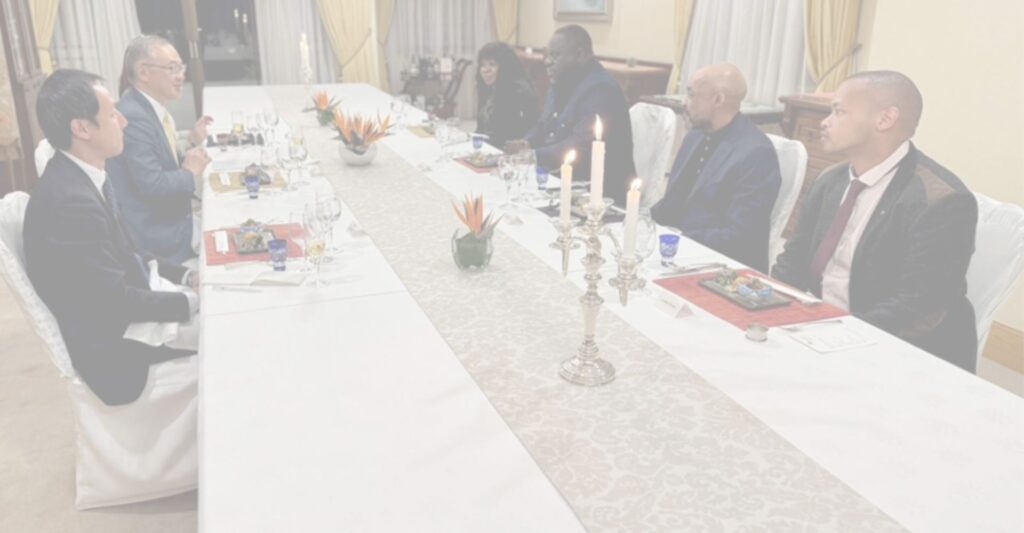
In the public imagination, diplomacy is often associated with handshakes, high-level meetings, and formal ceremonies. But behind these visible moments lies a quieter, more analytical force shaping international relations every day — the Political Officer.
Working within embassies, Political Officers are among the most critical yet least visible actors in diplomacy. Their work does not always make headlines, but it directly influences how countries understand each other, respond to change, and protect their national interests abroad.
Understanding the Political Landscape
At the heart of a Political Officer’s role is one core responsibility: understanding the host country’s political environment.
This goes far beyond following the news. Political Officers monitor legislative developments, government decisions, election dynamics, and policy shifts. They track how power is exercised, where influence lies, and how political actors interact — from government ministries to opposition parties, civil society, and think tanks.
Every development is assessed through one lens: What does this mean for our country?
From Information to Insight
Information alone is not enough. Political Officers are expected to interpret and analyse.
They produce detailed political reports, briefing notes, and situation analyses for their home government. These documents help decision-makers back in the capital understand complex foreign environments quickly and accurately.
A single report may shape:
- Diplomatic positions
- Bilateral engagements
- Trade or security decisions
- Responses to emerging risks
Precision is everything. Their work must be factual, balanced, and forward-looking.
Anticipating Risks and Opportunities
One of the most important aspects of the role is forecasting.
Political Officers are constantly asking:
- What could happen next?
- Where are tensions building?
- What opportunities are emerging?
Whether it’s a potential policy shift, political instability, or a new avenue for cooperation, their job is to anticipate change before it happens — and advise accordingly.
In many cases, this early insight helps prevent misunderstandings, reduce risks, and guide strategic engagement.
Engagement Beyond the Office
While much of the work involves analysis and writing, Political Officers are also highly engaged externally.
They attend:
- Political briefings and policy discussions
- Meetings with lawmakers and government officials
- Academic forums and think tank dialogues
- Civil society engagements
These interactions provide firsthand insights and build relationships that are essential for effective diplomacy.
Behind Closed Doors
Some of the most important work happens away from public view.
In private meetings, Political Officers observe tone, language, and subtle shifts in position. They interpret power dynamics, assess credibility, and identify underlying interests.
These insights often do not appear in official statements — but they are critical for informed decision-making.
Diplomacy in Motion
The work of a Political Officer is continuous, structured, and deeply strategic. It connects the embassy to its capital, ensuring that foreign policy is informed by real-time developments on the ground.
It is a role defined by:
- Quiet observation
- Careful analysis
- Strategic advice
And ultimately, by impact.
Because long before decisions are announced or agreements are signed, Political Officers are already at work — reading the environment, shaping understanding, and helping guide the course of international relations.