Reclaiming the Atlantic: Haiti, Africa, and the Vision of a Shared Future
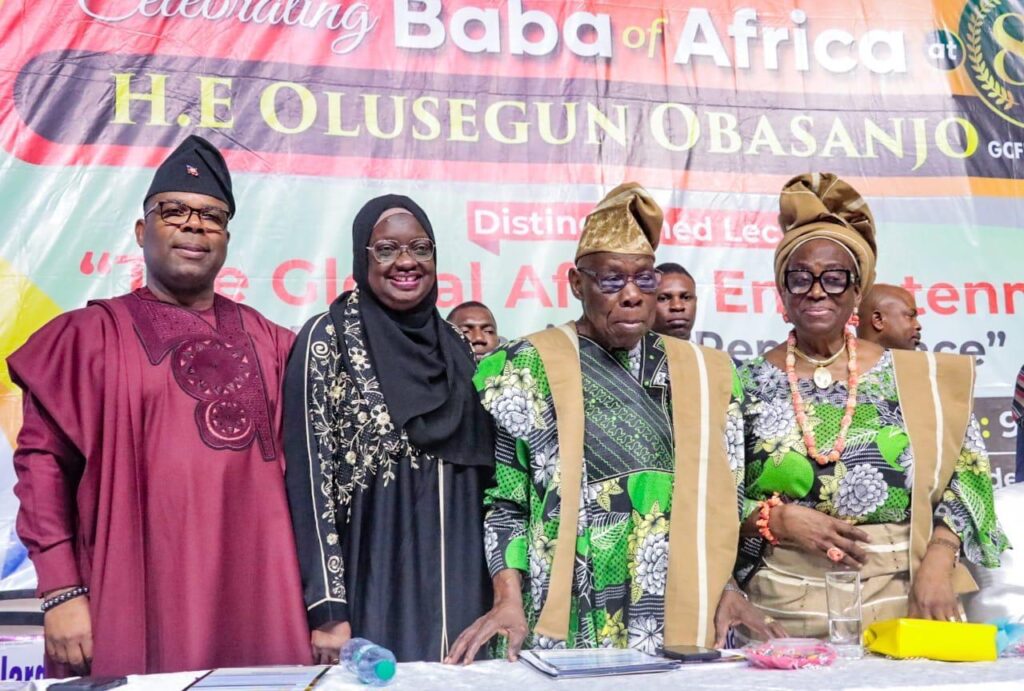
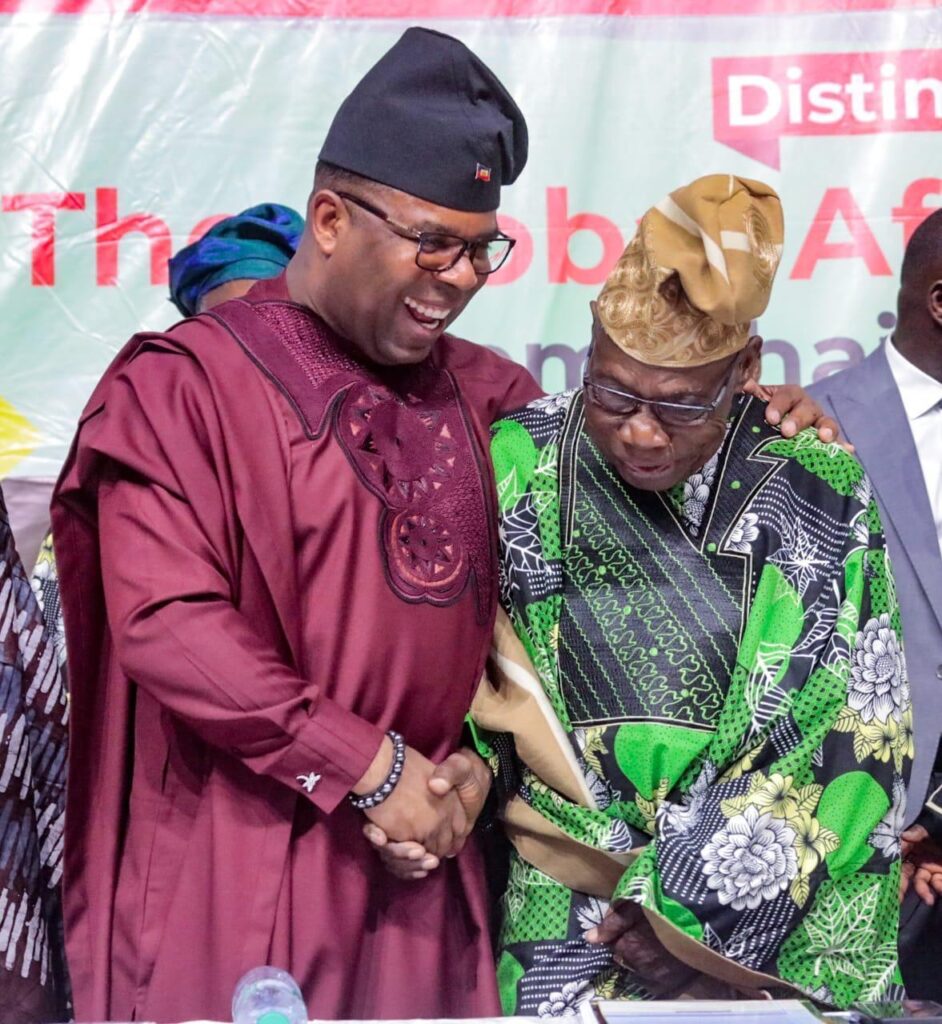
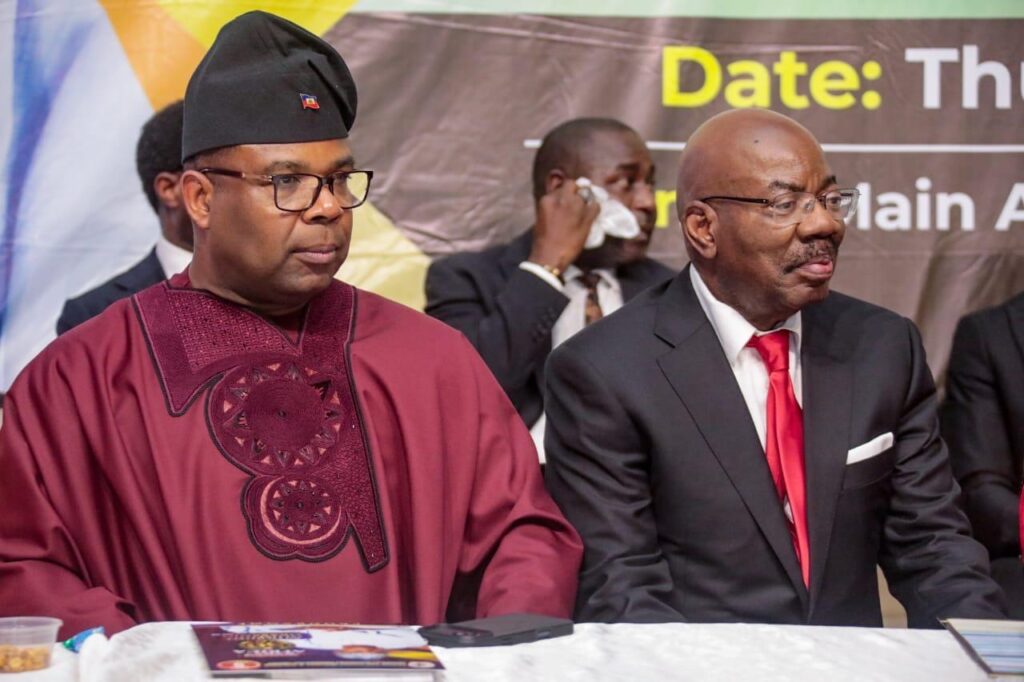
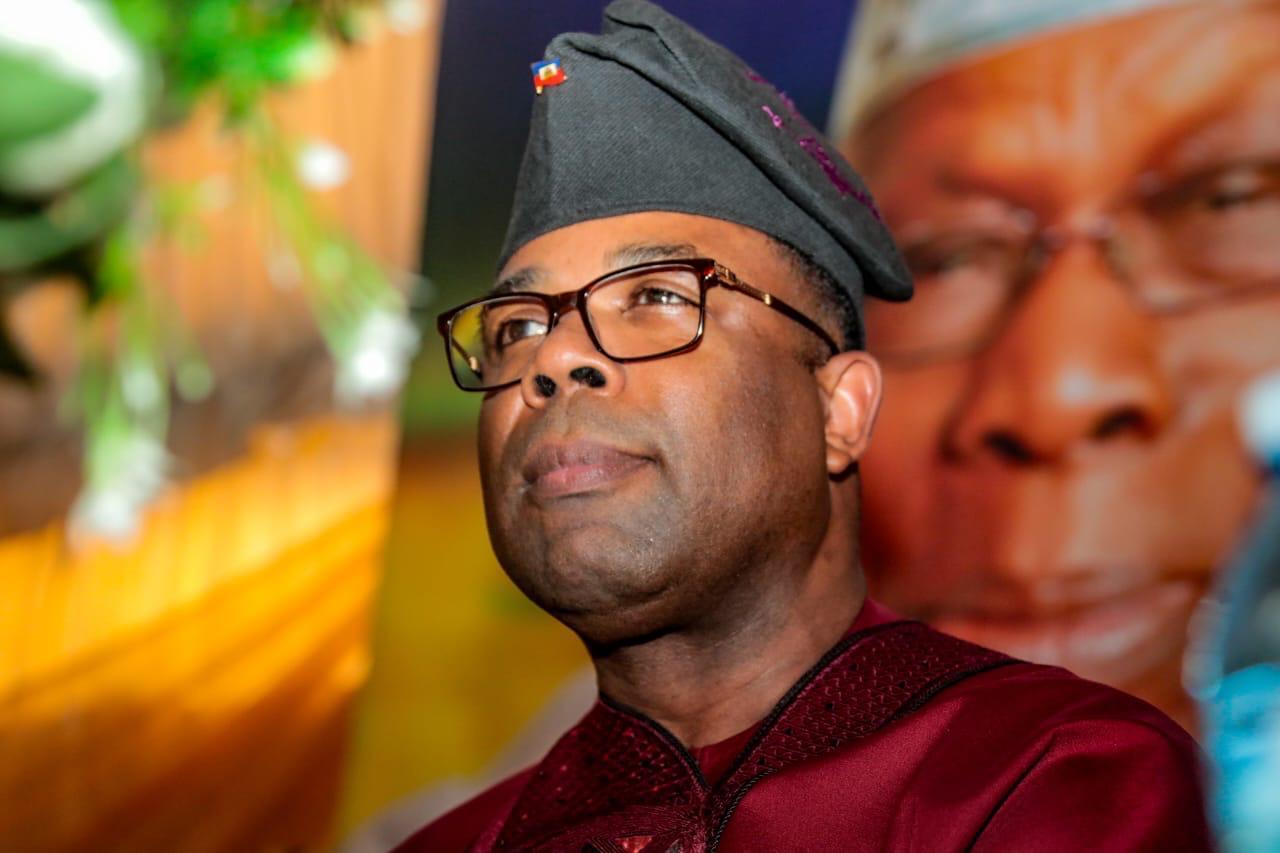
At a gathering marking the 89th birthday of former Nigerian President Olusegun Obasanjo, Haiti’s Ambassador to South Africa, Jean Robert Pillard, delivered a keynote that was as much a historical reflection as it was a call to action. His message transcended ceremony, offering a powerful vision of reconnection between Haiti and Africa—one rooted in shared ancestry, struggle, and destiny.
A Legacy Beyond Geography
Ambassador Pillard framed Haiti not as a distant Caribbean nation, but as an inseparable extension of Africa’s historical and cultural continuum. Drawing from the Haitian Revolution—the first successful Black republic—he reminded the audience that Haiti’s story is deeply African in origin and spirit. From the Bois Caïman ceremony of 1791 to the victory at Vertières in 1803, Haiti’s independence was not an isolated Caribbean event but, as he argued, “an African echo.”
He challenged conventional notions of geography, asserting that identity cannot be confined by maps. Haiti, though physically across the Atlantic, remains bound to Africa through blood, memory, and cultural continuity. In this framing, the idea of “diaspora” becomes insufficient—suggesting separation rather than enduring belonging. Instead, Pillard positioned Haiti as Africa’s “first daughter,” whose historical journey represents both rupture and resilience.



The Sixth Region: From Symbolism to Reality
Central to Ambassador Pillard’s address was his advocacy for Haiti’s recognition within the African Union as part of its “Sixth Region”—a designation traditionally associated with the global African diaspora. However, his vision goes further: he proposes that Haiti’s place in Africa is not symbolic, but civilisational.
He recounted a personal exchange with President Obasanjo, in which he proposed Haiti becoming the “55th state” of the African Union. While provocative, the idea underscores a deeper ambition—to redefine belonging beyond physical borders and toward shared heritage.
For Pillard, integrating Haiti into Africa’s institutional and economic frameworks would “complete the circle” of history. It would affirm that Africa is not merely a continent, but a global civilisation with interconnected parts. This vision aligns with the African Union’s Agenda 2063 and the Decade of African Roots and the African Diaspora, both of which seek to strengthen ties across the Atlantic.

From Memory to Movement: A New Pan-African Agenda
The Ambassador’s speech moved from historical reflection to forward-looking strategy. He outlined what he termed the “Global Africa Enlightenment,” built on three pillars: sovereignty, renaissance, and restoration. These principles call for political unity, economic collaboration, and cultural revival across Africa and its global descendants.
Economic integration featured prominently in his vision. Pillard highlighted the African Continental Free Trade Area (AfCFTA) as a mechanism through which Africa and the Caribbean could forge new trade corridors, replacing the exploitative routes of the past with partnerships grounded in mutual benefit. He also proposed practical steps, such as establishing direct Africa-Caribbean air routes, to facilitate mobility, investment, and cultural exchange.
Equally significant was his emphasis on culture as a “living bridge.” From shared proverbs to musical traditions like Kompa and Afrobeats, Pillard illustrated how cultural continuity has survived centuries of displacement. These connections, he argued, are evidence that the separation between Africa and Haiti is political—not spiritual.
A Mission of Reconnection
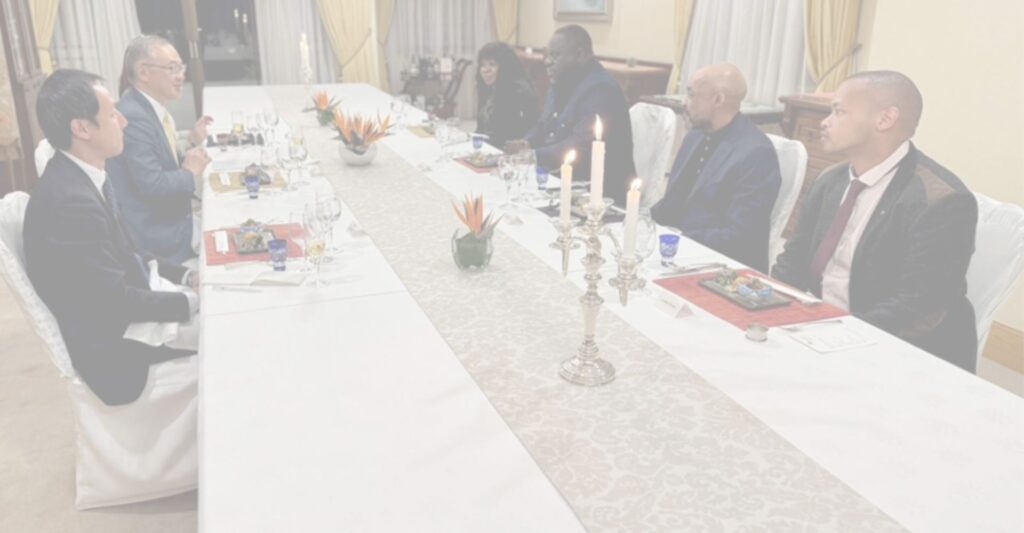
Ambassador Pillard’s address ultimately reflects a broader diplomatic mission: to elevate Haiti’s presence in Africa and to rebuild ties that history disrupted but never erased. His work positions Haiti not as a peripheral partner, but as an integral voice within the African story.
By advocating for deeper institutional, economic, and cultural linkages, he is advancing a new model of Pan-Africanism—one that extends beyond continental borders and embraces a global African identity. In this vision, Haiti is not returning to Africa; it is reclaiming a place it never truly lost.
As Pillard concluded, the task before Africa is not merely to unite geographically, but to “remember who we are.”
In that act of remembrance lies the possibility of renaissance—not just for Haiti or Africa, but for a shared civilisation ready to define its future on its own terms.