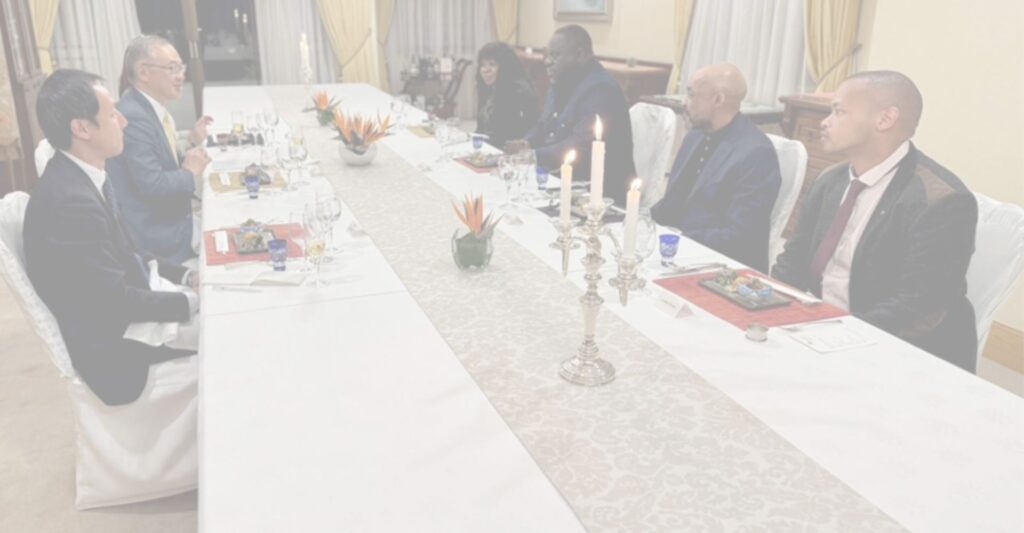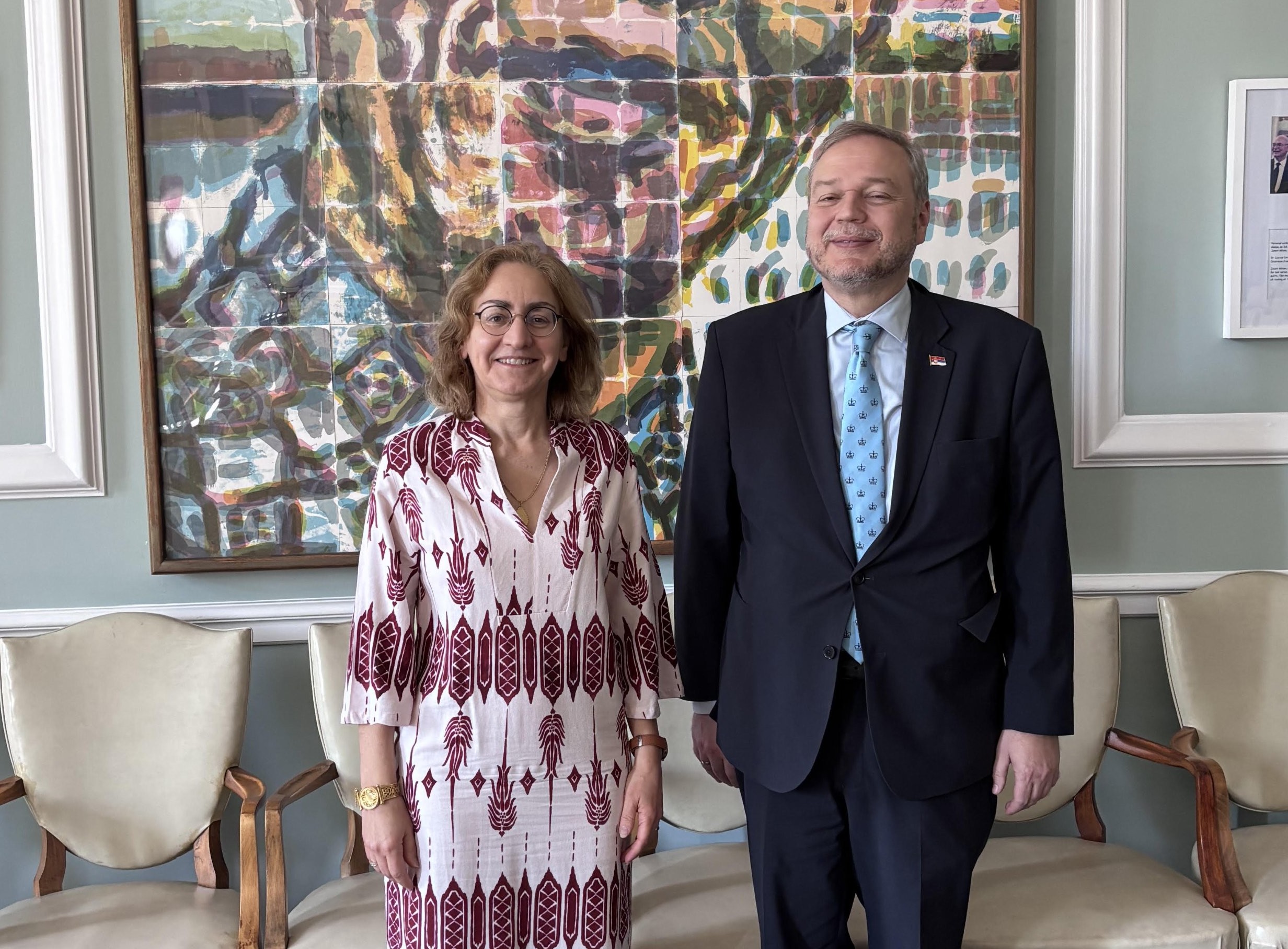
Serbia’s Ambassador to South Africa, Sasa Mart, visited the South African Institute of International Affairs (SAIIA) in Johannesburg for an engagement focused on the continuing relevance of the Non-Aligned Movement (NAM), its role in the contemporary international system and its significance for South Africa.
The ambassador met with SAIIA Chief Executive Elizabeth Sidiropoulos as part of discussions examining the place of the Non-Aligned Movement on today’s global stage.
The engagement comes against the backdrop of a high-level commemorative meeting held in Belgrade, marking 65 years since the First Conference of the Non-Aligned Movement.
65 Years of the Non-Aligned Movement
The Non-Aligned Movement has its roots in the historic 1961 Belgrade Conference, where countries from the developing world sought to establish a collective voice in an international system dominated by Cold War rivalries.
Six and a half decades later, the movement continues to provide an important platform through which developing countries engage questions surrounding international peace and security, sovereignty, development and global governance.
For countries such as South Africa and Serbia, the history of the movement remains particularly significant given their respective roles in the broader Non-Aligned Movement tradition.
Focus on South Africa’s Role
The discussions at SAIIA also considered the importance of the Non-Aligned Movement for South Africa and its foreign-policy outlook.
South Africa has historically attached importance to multilateralism, South-South cooperation and the strengthening of institutions that provide developing countries with greater representation in global decision-making.
The continued evolution of the international system has also renewed debates about the relevance of platforms such as the Non-Aligned Movement and their ability to respond to contemporary geopolitical and economic challenges.
Serbia-South Africa Diplomatic Engagement
The meeting also highlights the broader diplomatic engagement between Serbia and South Africa, two countries with longstanding historical links and shared interests in multilateral diplomacy.
Engagements between diplomatic missions, research institutions and foreign-policy experts provide opportunities to exchange perspectives on developments affecting both countries and the wider international community.
The visit to SAIIA therefore provided a platform for diplomatic and policy perspectives to intersect, particularly around the role of developing countries in shaping the future international order.
A Continuing Conversation on Global Affairs
Ambassador Sasa Mart’s engagement with SAIIA demonstrates the value of dialogue between diplomatic missions and South African foreign-policy institutions.
As South Africa and Serbia continue to participate in international and multilateral forums, conversations around the Non-Aligned Movement can contribute to a deeper understanding of the changing global order and the interests of countries of the Global South.
The 65th anniversary of the Belgrade conference thus serves as both a moment of historical reflection and an opportunity to consider the future of non-alignment in contemporary international relations.