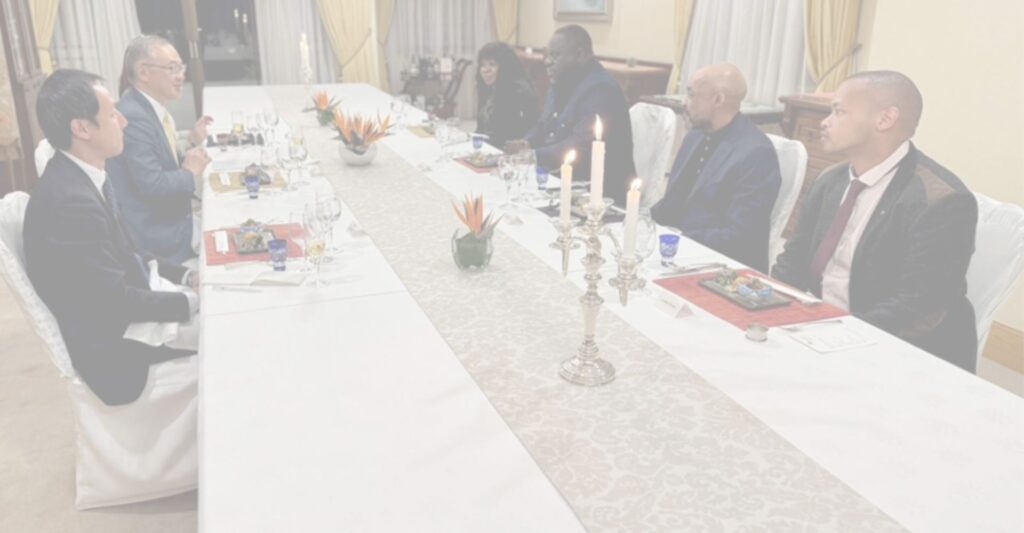
The 59th ASEAN Day was commemorated in Pretoria with a celebration combining diplomacy, cultural exchange, traditional dress and cuisine, highlighting the growing partnership between the Association of Southeast Asian Nations (ASEAN) and South Africa.
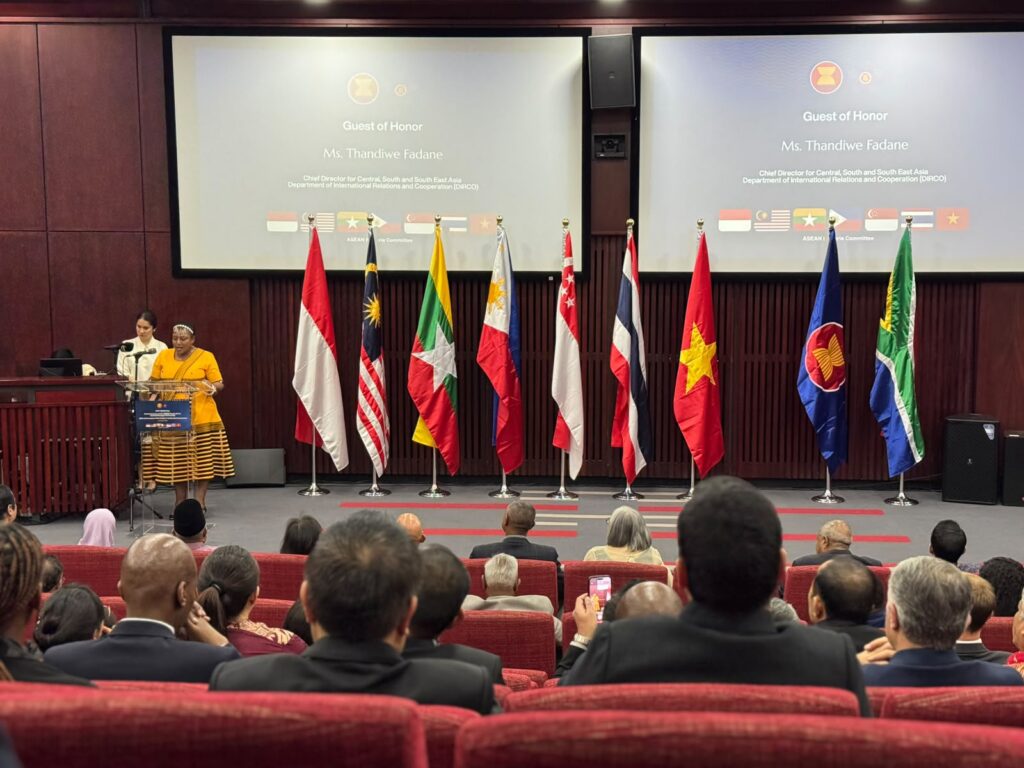
Held at the National Library of South Africa (NLSA), the event brought together members of the diplomatic corps, representatives of the South African Government, ASEAN missions, partners and invited guests.
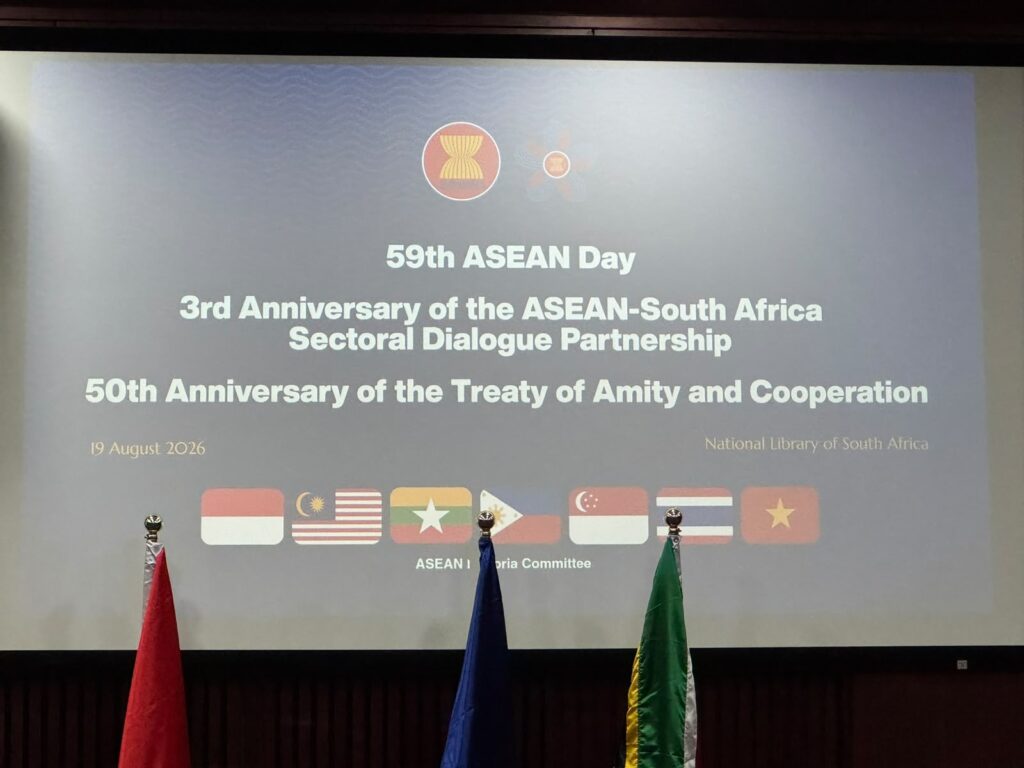
The celebration marked three significant milestones: the 59th anniversary of ASEAN, the 50th anniversary of the Treaty of Amity and Cooperation in Southeast Asia (TAC), and the third anniversary of the ASEAN–South Africa Sectoral Dialogue Partnership.
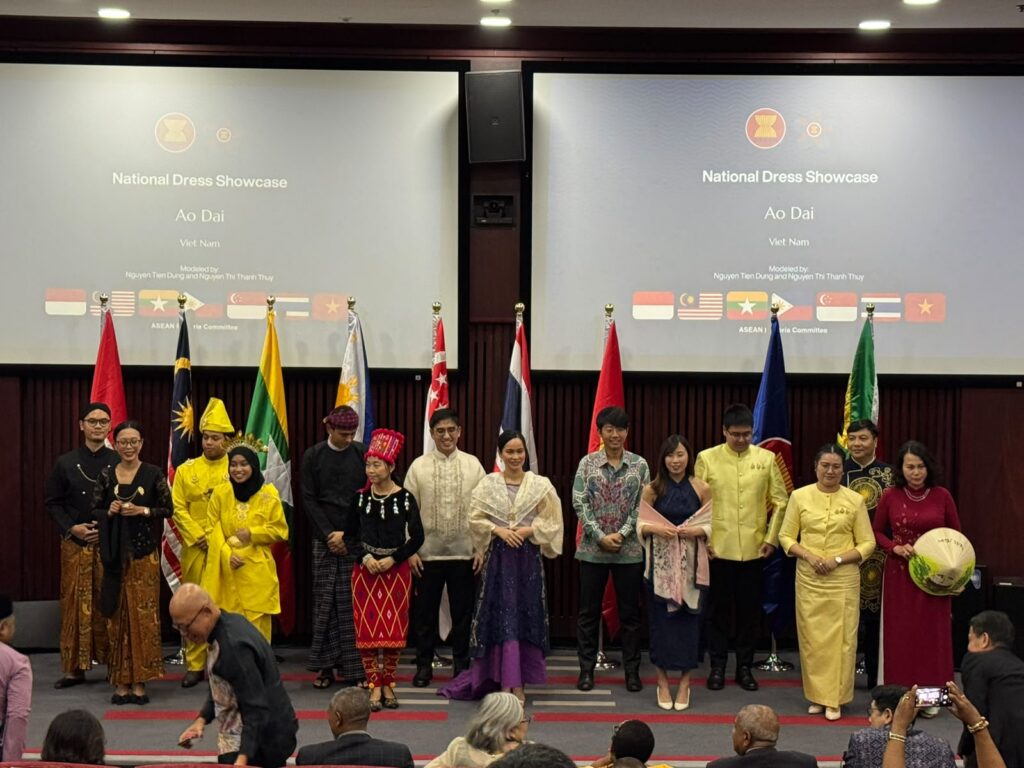
The programme moved from formal diplomatic proceedings into a vibrant cultural celebration, with performances from the Philippines, Indonesia and Thailand, followed by a national dress showcase representing seven ASEAN countries and an ASEAN cuisine experience.
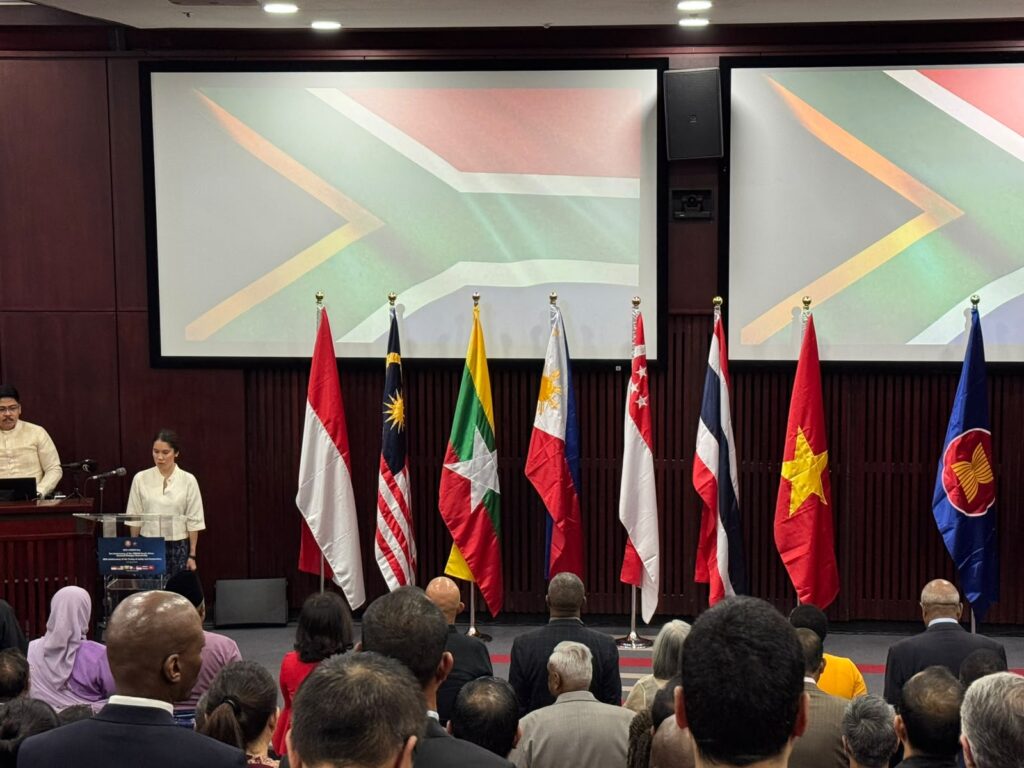
ASEAN and South African National Anthems Open the Programme
The formal programme began with the singing of the ASEAN Anthem, followed by the South African National Anthem.
The opening ceremony set the tone for an occasion centred on friendship, cooperation and mutual understanding between Southeast Asia and South Africa.
With ASEAN and South Africa continuing to expand their engagement, the celebration provided an opportunity to reflect on the progress of the relationship while highlighting the importance of cultural and people-to-people connections.

Philippine Ambassador Highlights ASEAN’s Shared Future
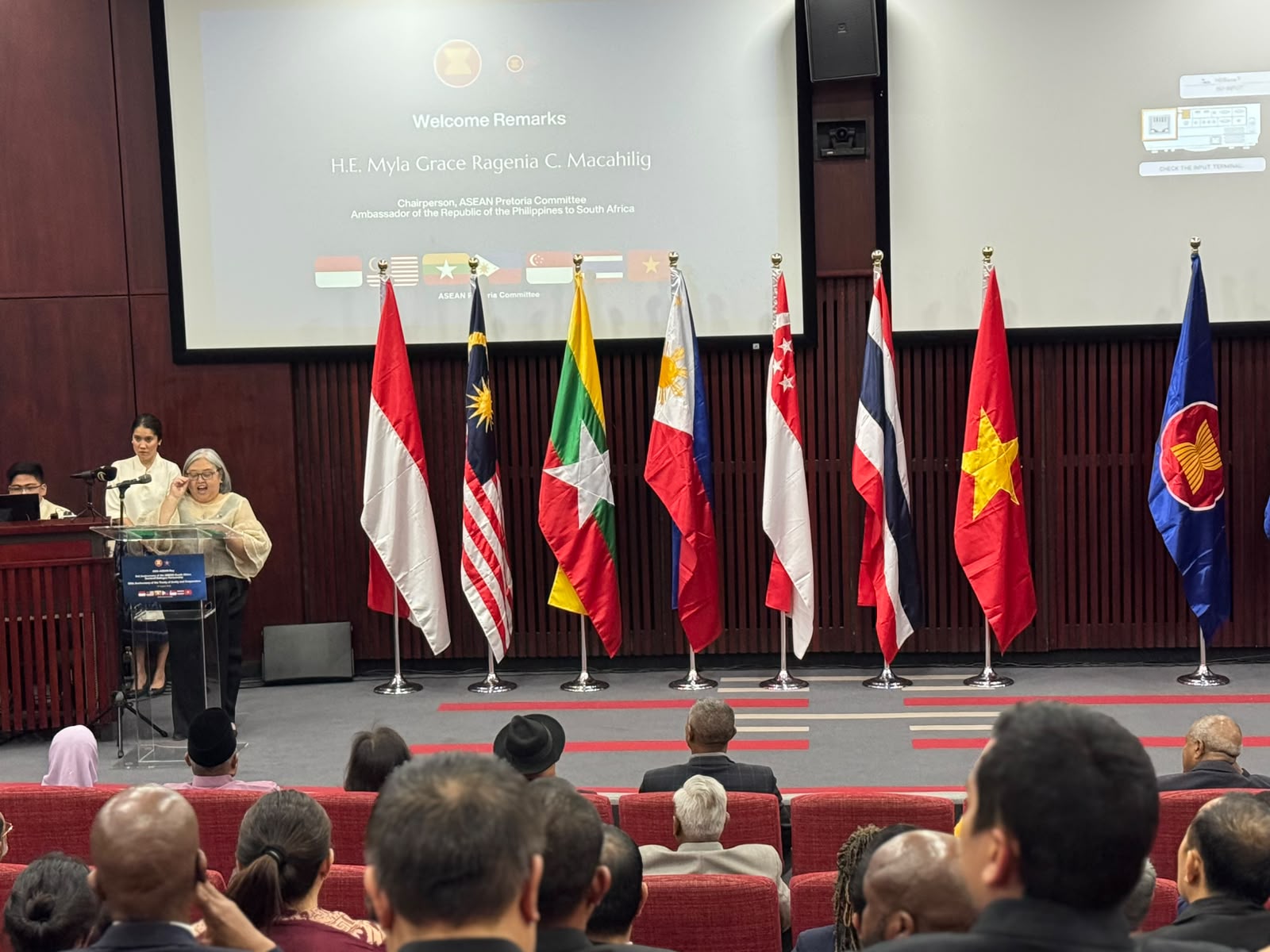
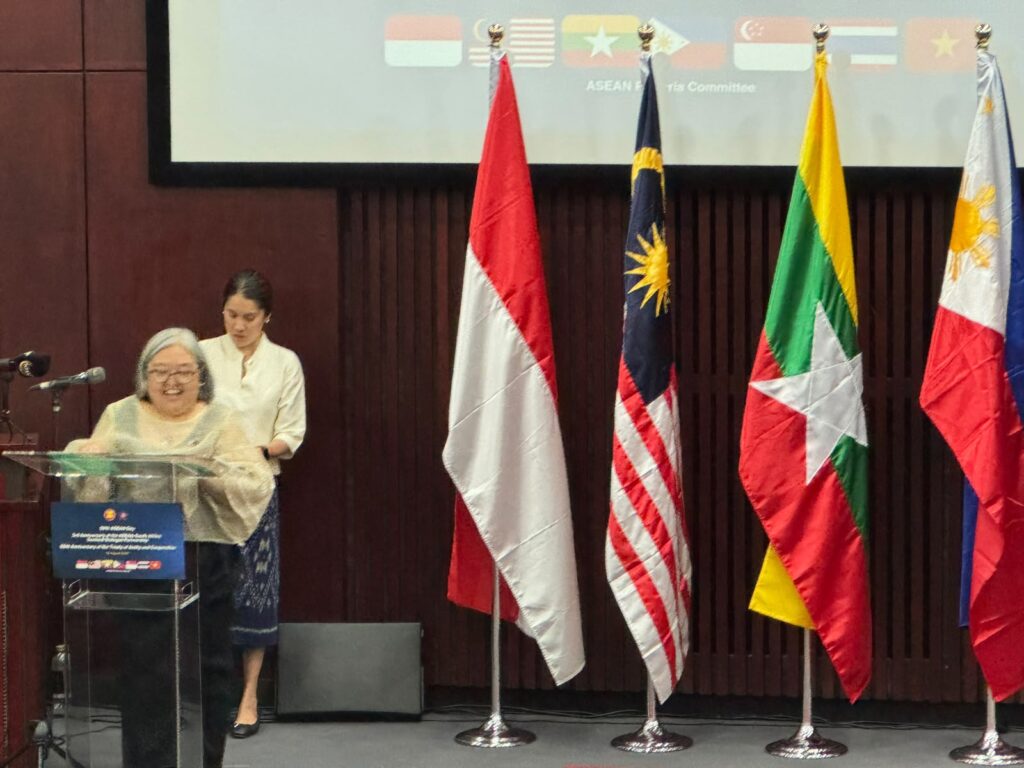
The opening diplomatic remarks were delivered by H.E. Myla Grace Ragenia C. Macahilig, Ambassador of the Republic of the Philippines to South Africa and Chairperson of the ASEAN Pretoria Committee.
Welcoming guests on behalf of the ASEAN Pretoria Committee, Ambassador Macahilig reflected on the three milestones being commemorated and recalled the founding of ASEAN on 8 August 1967.
She noted that ASEAN was established on the conviction that countries with different histories, cultures and political systems could work together to promote peace, stability and prosperity.
Nearly six decades later, she said, ASEAN has developed into one of the world’s most dynamic regions, with more than 680 million people and an increasingly important role in the global economy.
Ambassador Macahilig stressed that ASEAN’s achievements should not be taken for granted, particularly at a time characterised by geopolitical rivalry, economic fragmentation and global uncertainty.
She highlighted the continuing importance of dialogue over confrontation, cooperation over division and an open and inclusive regional order anchored in international law.
Philippines Leads ASEAN Under “Navigating Our Future Together”
The Ambassador also highlighted the Philippines’ role as ASEAN Chair in 2026, under the theme “Navigating Our Future Together.”
She outlined three priorities associated with the chairship: strengthening the foundations of peace and security, creating new corridors of prosperity and connectivity, and empowering people to participate fully in ASEAN’s future.
She further noted that 2026 represents the beginning of the implementation of the ASEAN Community Vision 2045, the organisation’s long-term roadmap towards a more resilient, innovative, dynamic and people-centred ASEAN.
Ambassador Macahilig also welcomed Timor-Leste’s journey towards full participation in the ASEAN community, describing it as an important development for the Southeast Asian family.
50 Years of the Treaty of Amity and Cooperation
The Ambassador highlighted the 50th anniversary of the Treaty of Amity and Cooperation in Southeast Asia, describing it as a cornerstone framework for peaceful coexistence and regional cooperation.
The principles of the Treaty, including respect for sovereignty, non-interference, peaceful settlement of disputes and peaceful coexistence, remain important in today’s international environment.
The milestone provided an opportunity to reflect on ASEAN’s contribution to regional stability and its continuing commitment to cooperation.
ASEAN–South Africa Partnership Moves Towards Practical Cooperation
A significant part of Ambassador Macahilig’s remarks focused on the relationship between ASEAN and South Africa.
She recalled that South Africa became ASEAN’s first sectoral dialogue partner from Africa in 2023, describing the development as both recognition of South Africa’s importance to ASEAN and an expression of the shared ambition to bring Southeast Asia and Africa closer together.
She highlighted the ASEAN–South Africa Practical Cooperation Areas 2024–2028, which provide opportunities for cooperation in areas including:
- Trade and investment
- Digital economy
- Food security and agriculture
- Education and skills development
- Tourism
- Sustainable development
- People-to-people exchanges
Ambassador Macahilig described ASEAN and South Africa as natural partners in a changing global economy, sharing interests in diversified economic relationships, resilient supply chains and an open international trading system.
She also emphasised South Africa’s potential role as a bridge between ASEAN and the African continent, while ASEAN can provide South African businesses and institutions with access to the dynamic economies of Southeast Asia.
Ubuntu and Kapwa Tao: Shared Values Across Cultures
One of the most memorable parts of Ambassador Macahilig’s address was her comparison between Ubuntu and the Filipino concept of kapwa tao.
She referred to the Southern African expression “umuntu ngumuntu ngabantu” and its emphasis on the idea that a person’s humanity is realised through relationships with others.
She connected this with kapwa tao, a Filipino concept recognising a shared identity and humanity with one’s fellow people.
Although the two concepts emerged from different cultures and geographical contexts, she noted their shared emphasis on community, relationships and the belief that people flourish not in isolation but through connections with others.
For Ambassador Macahilig, this philosophy also reflected the spirit of ASEAN itself: countries with different languages, religions, cultures, histories and political systems working together while recognising diversity as a source of strength.
South Africa Reaffirms Commitment to ASEAN Partnership
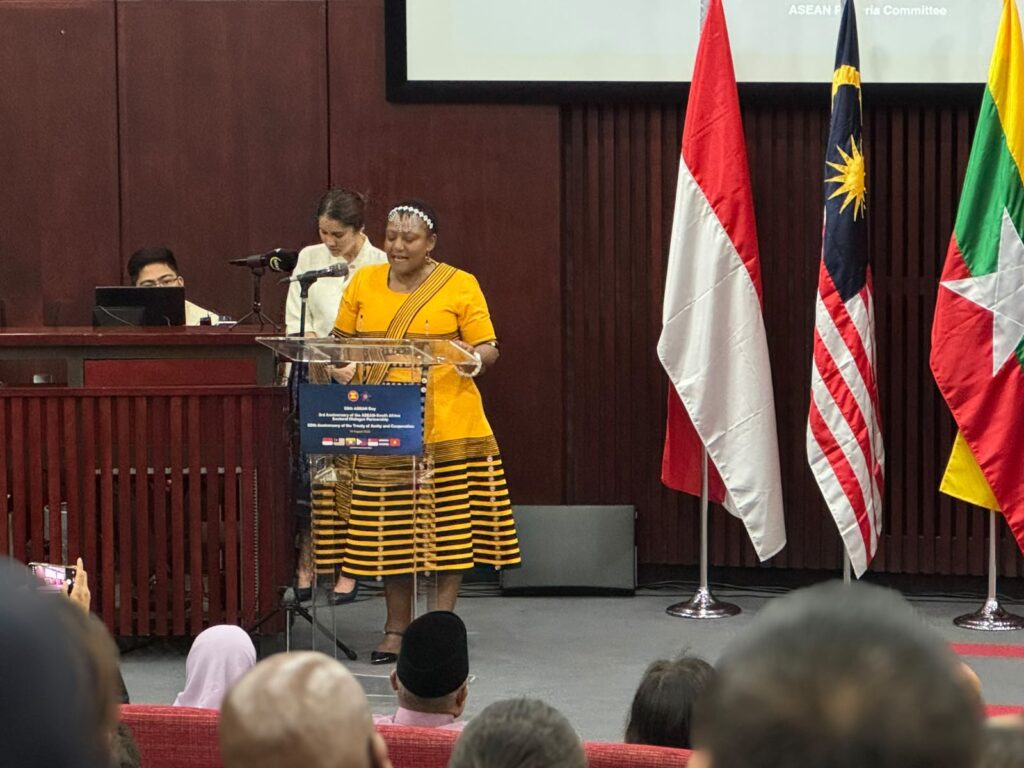
The South African Government’s perspective was presented by Ms. Thandiwe Fadane, Chief Director for Central, South and South East Asia at the Department of International Relations and Cooperation (DIRCO).
Ms. Fadane conveyed greetings on behalf of the South African Government and people and extended congratulations to ASEAN, its Member States, people and institutions on the 59th anniversary.
Ms. Fadane acknowledged the work of the ASEAN Pretoria Committee and its member missions in promoting friendship, understanding and cooperation between South Africa and Southeast Asia.
South Africa’s Historic Sectoral Dialogue Partnership
Reflecting on the relationship, Ms. Fadane highlighted July 2023, when South Africa became the first African country to be admitted as an ASEAN Sectoral Dialogue Partner.
She described the development as a historic milestone that reflected ASEAN’s confidence in South Africa as a partner and contributed to bringing Africa and Southeast Asia closer together.
She linked the partnership to South Africa’s accession to the Treaty of Amity and Cooperation in Southeast Asia and years of focused engagement with ASEAN and its Member States.
President Ramaphosa’s Engagement with Southeast Asia
Ms. Fadane also highlighted the growing strategic importance of Southeast Asia in South Africa’s international relations.
She pointed to President Cyril Ramaphosa’s engagements with Indonesia, Viet Nam and Malaysia in 2025, followed by his participation in the 47th ASEAN Summit and East Asia Summit in Kuala Lumpur.
According to Ms. Fadane, these high-level engagements represented a landmark moment in South Africa’s relations with Southeast Asia and reflected ASEAN’s recognition of South Africa as a trusted partner and an important bridge between Africa and the Indo-Pacific.
She also noted South Africa’s invitation to Malaysia and Viet Nam as guest countries during the G20 Summit hosted by South Africa in 2025.
These engagements, she said, demonstrated the increasing importance of cooperation among countries of the Global South in shaping future patterns of global growth and development.
Agriculture Emerges as a Key Area of ASEAN–South Africa Cooperation
A major focus of Ms. Fadane’s address was agriculture, which she identified as one of the most developed and practical areas of cooperation under the ASEAN–South Africa Sectoral Dialogue Partnership.
She highlighted the growing participation of South African agricultural stakeholders, including AgriSA, the Fresh Produce Exporters Forum, Red Meat Industry Services, the South African National Halaal Authority and Fruit South Africa, alongside relevant government institutions.
These engagements, she said, are creating a foundation for long-term cooperation that can benefit farmers, exporters, businesses and consumers across the two regions.
South Africa remains committed to expanding these efforts, particularly through initiatives aimed at supporting agricultural growth, improving market access and increasing investment flows between South Africa and Southeast Asia.
Nelson Mandela Centre of Excellence Symbolises Shared Values
Ms. Fadane also highlighted the Nelson Mandela Centre of Excellence in Thailand as an important example of cooperation between South Africa and Southeast Asia.
The centre represents the enduring legacy of former President Nelson Mandela and his values of dialogue, reconciliation, human dignity and international solidarity.
She emphasised that initiatives such as the centre demonstrate how the relationship can move beyond government-to-government engagement and establish lasting connections between societies.
Toast to ASEAN–South Africa Friendship
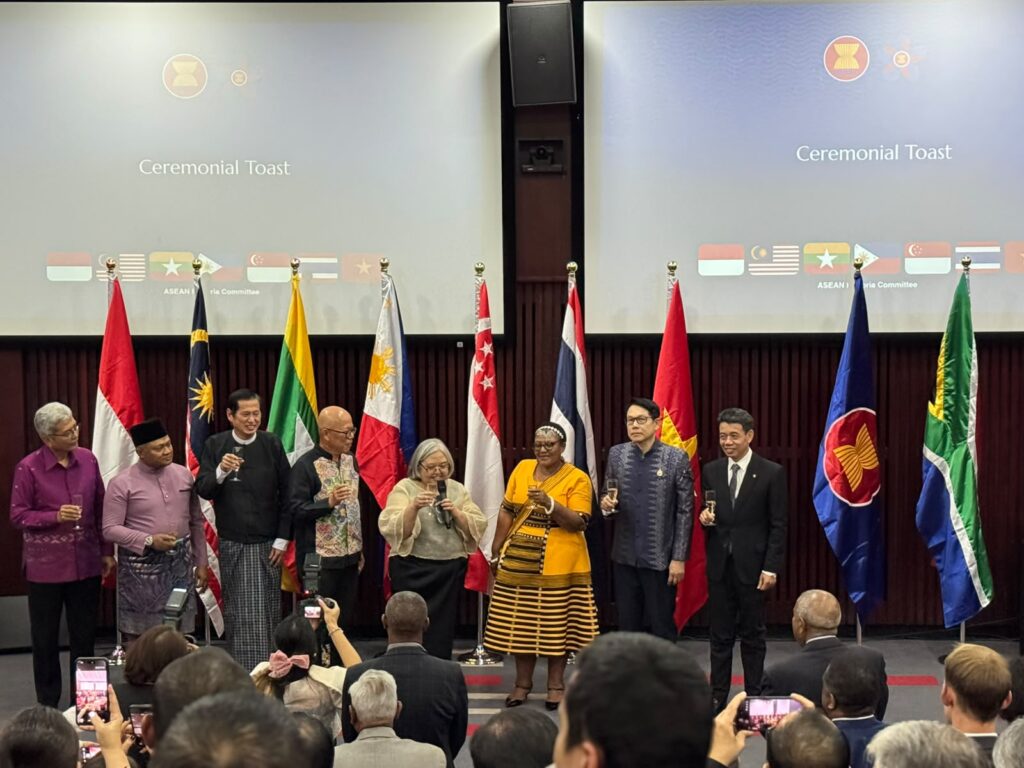
Following the formal remarks, guests participated in the traditional exchange of toasts.
The toast was raised to the good health of President Cyril Ramaphosa, to 59 years of ASEAN cooperation and unity, and to a stronger partnership between ASEAN and South Africa.
It also celebrated hopes for continued peace, prosperity and friendship between the peoples of ASEAN and South Africa, reaffirming the commitment to the continued strengthening of relations between the two regions.
Tokens of Appreciation Strengthen Institutional Partnerships
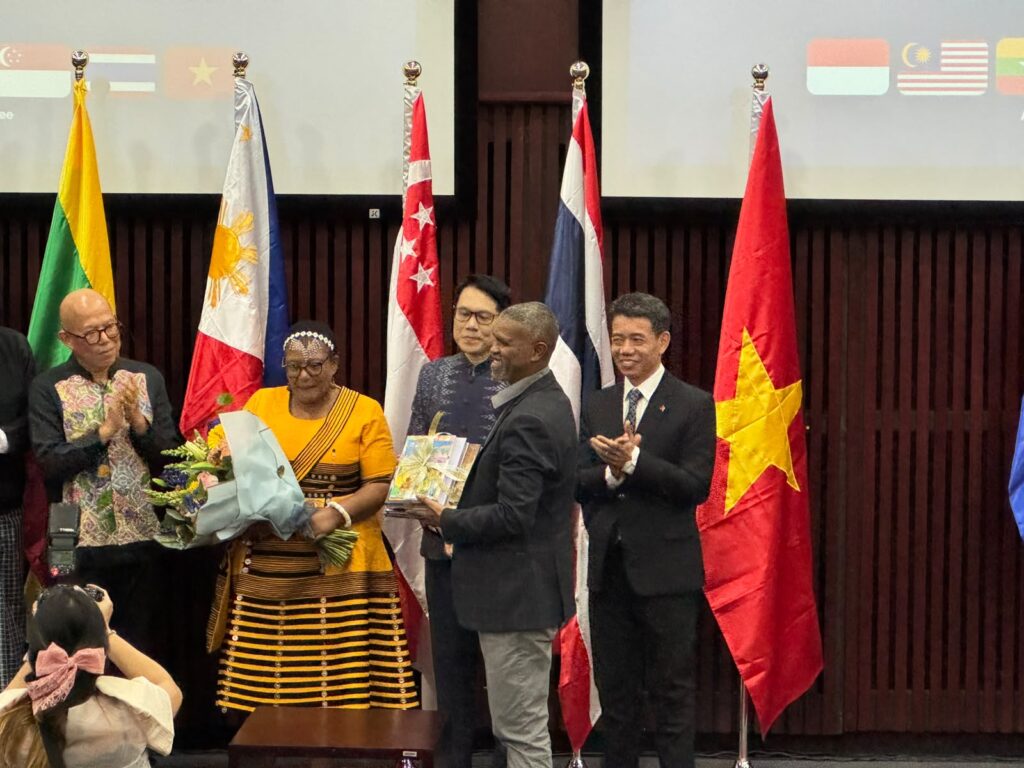
The formal programme also included presentations of tokens of appreciation.
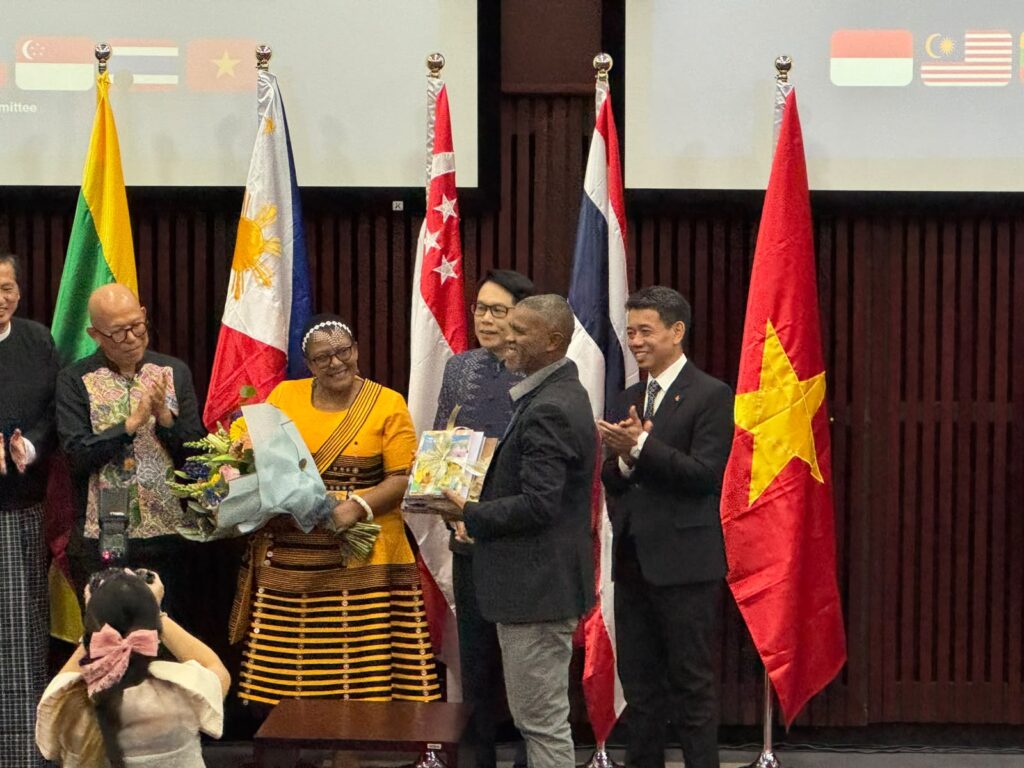
Ambassador Macahilig presented a token to Ms. Thandiwe Fadane on behalf of the seven resident ASEAN missions in Pretoria, expressing appreciation for her support and partnership with the ASEAN community.
A second token was presented to Dr. Ralph Links, Chief Executive Officer of the National Library of South Africa.
Ambassador Macahilig described the gift as a collective gesture from ASEAN and expressed the Committee’s commitment to future collaboration with the National Library of South Africa.
The presentation was particularly significant given the NLSA’s role as the host venue and its importance as a repository of knowledge, memory and cultural heritage.

Cultural Diplomacy Takes Centre Stage
Following the formal diplomatic programme, guests were treated to a series of cultural performances.
The cultural segment reflected Ambassador Macahilig’s earlier observation that diplomacy takes place not only around formal negotiation tables, but also through arts and culture.
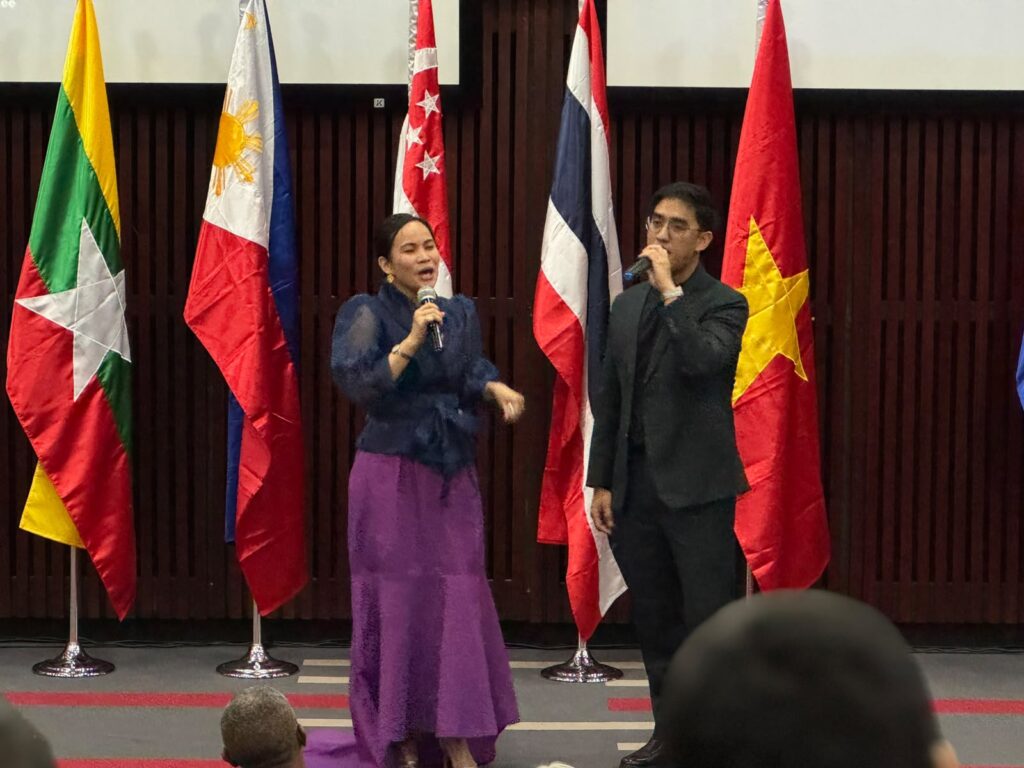
Philippines: “Forever”
The cultural showcase opened with a performance by Ana Angela Cabillan and Joshua Leo Ortiz from the Embassy of the Philippines.
The performers presented “Forever,” a popular Filipino love ballad associated with Martin Nievera and Regine Velasquez.
The performance brought contemporary Filipino music into the celebration and provided guests with an introduction to the Philippines’ popular music culture.
Indonesia: Tari Klana Topeng
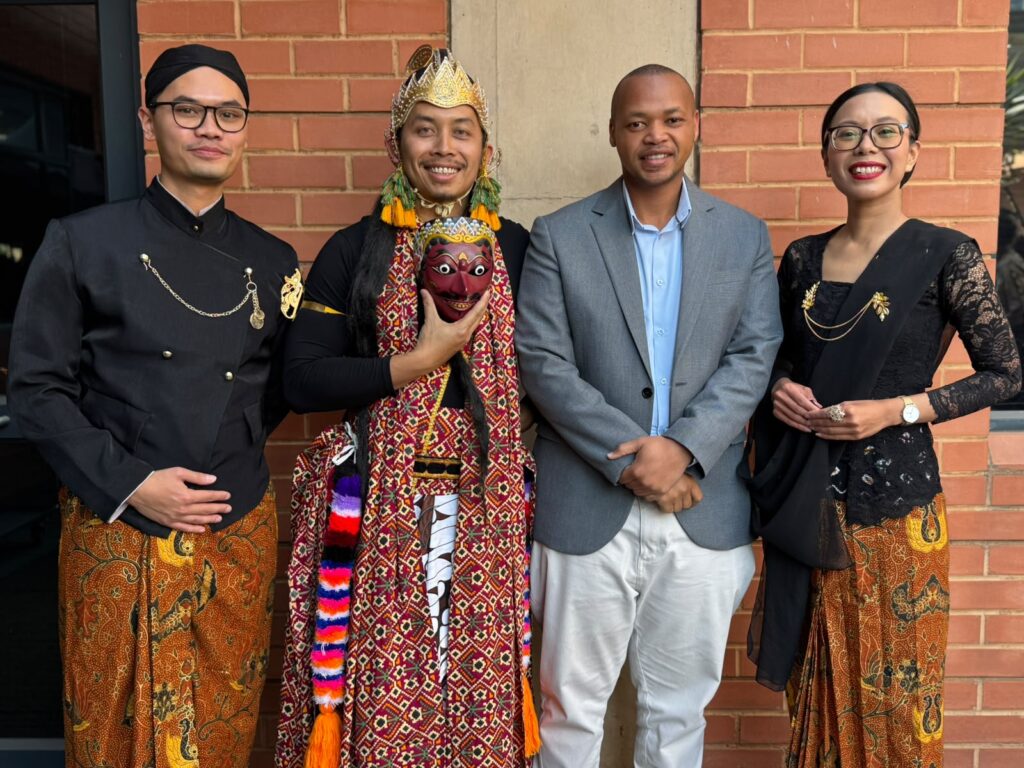
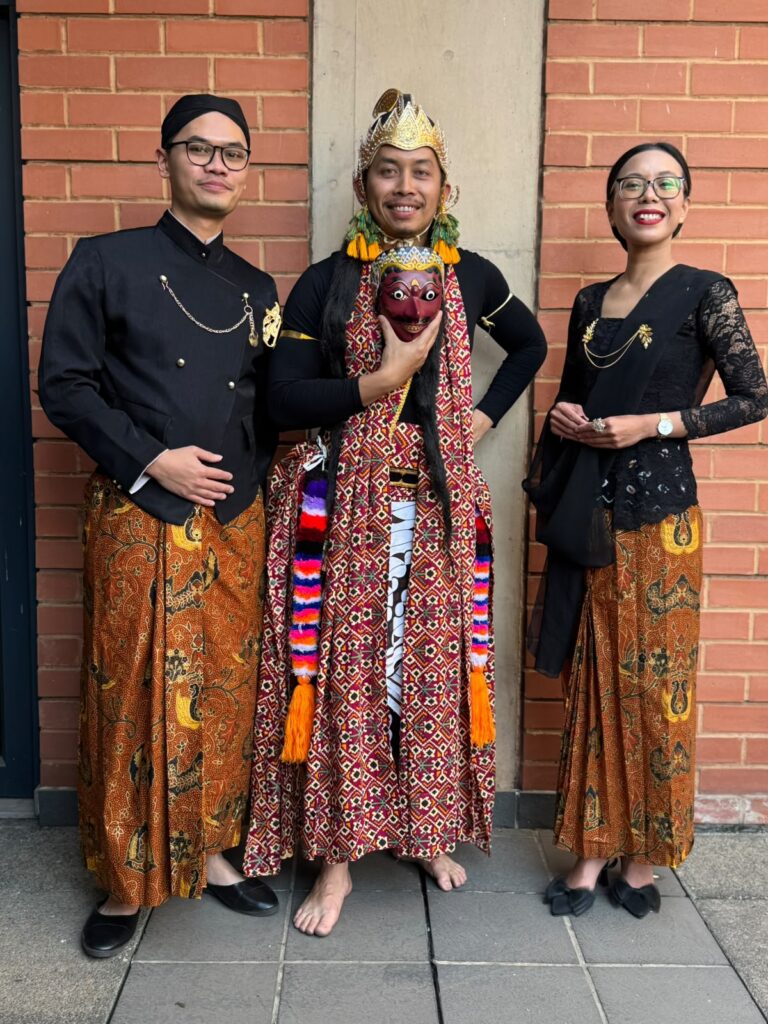
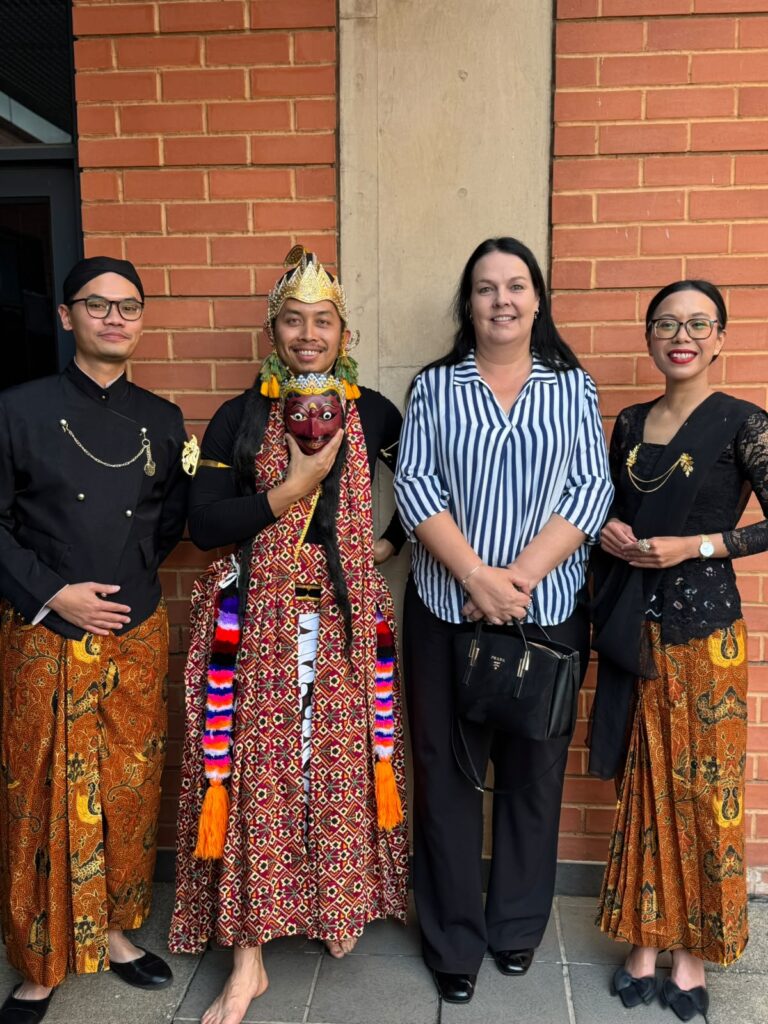
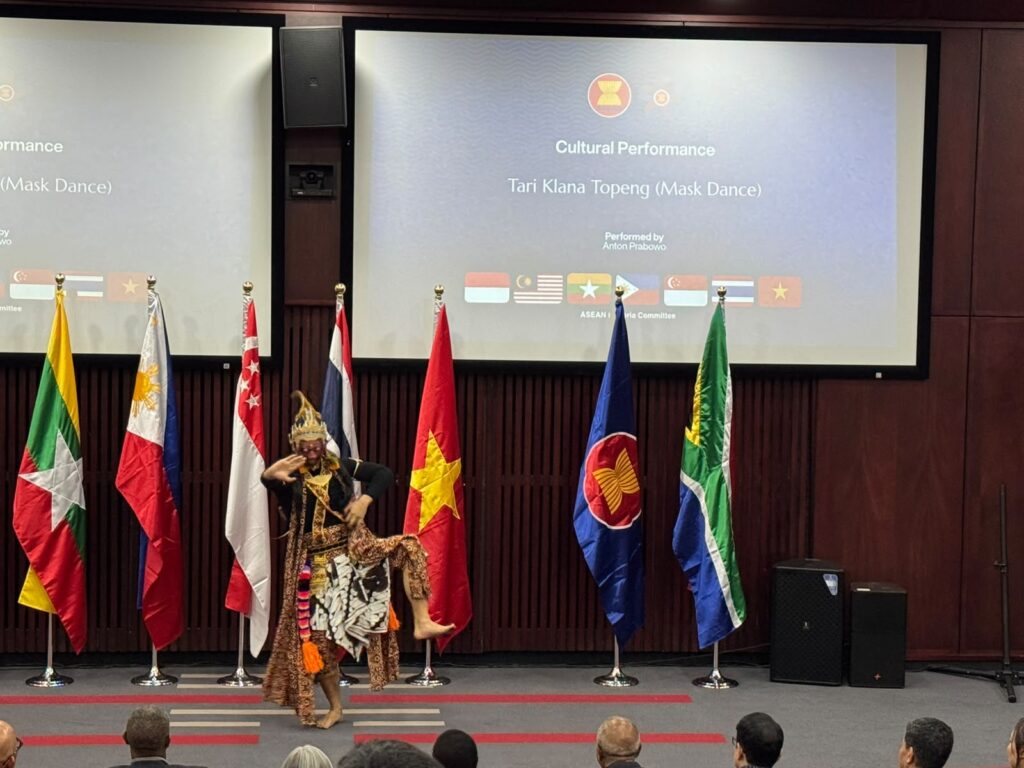
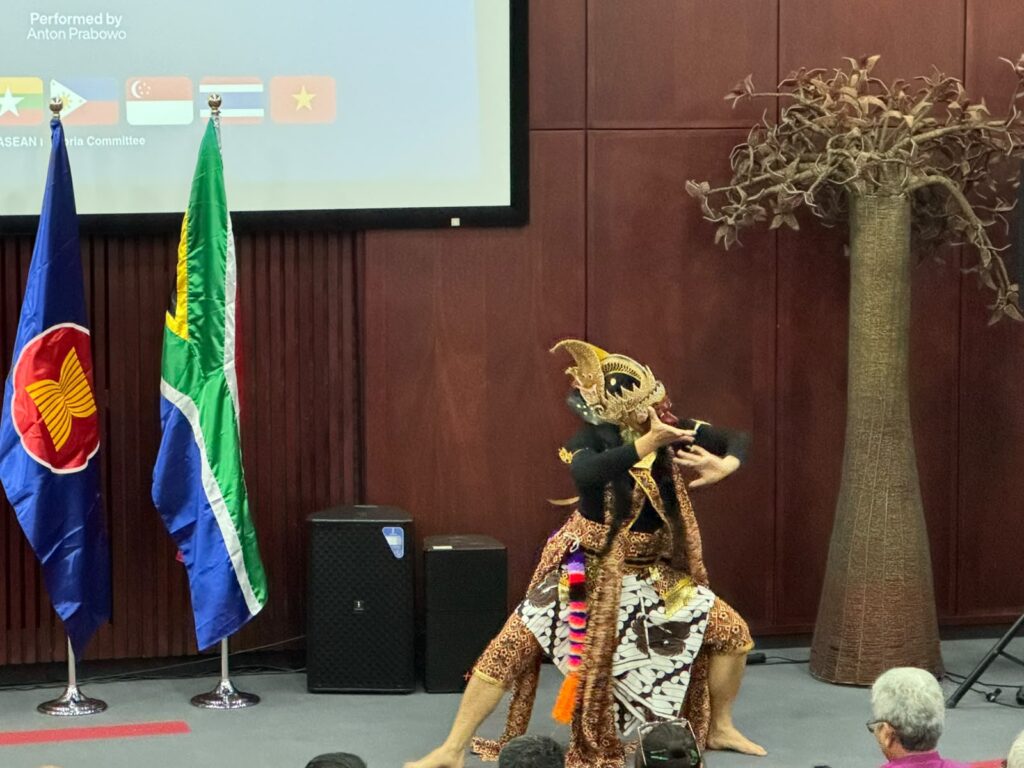
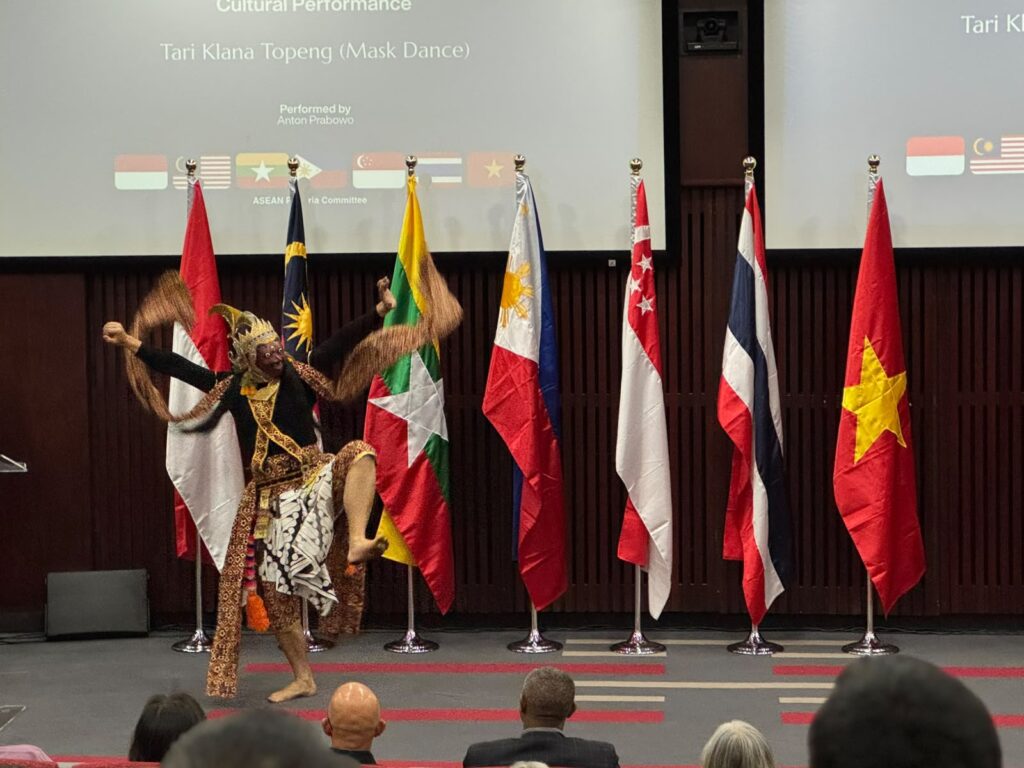
The programme continued with Anton Prabowo from the Embassy of Indonesia, who performed Tari Klana Topeng, a traditional Javanese mask dance from Yogyakarta.
The performance portrays Prabu Klana, a powerful and passionate king. The distinctive red mask and dynamic movements, traditionally accompanied by Javanese gamelan music, represent themes of passion, power, ambition and human desire.
The dance also conveys the importance of controlling one’s emotions and maintaining balance, while contributing to the preservation of Yogyakarta’s cultural heritage.
Thailand: Traditional Flower Dance
The cultural performances continued with Ariya Laklang, who presented the traditional Thai flower dance known as Ram Phrae Wa.
Associated with the Phu Thai people of Kalasin Province in northeastern Thailand, the dance celebrates cultural identity, tradition, beauty and craftsmanship.
Particular attention was given to the cultural significance of Phrae Wa silk, highlighting the connection between traditional performance, textile craftsmanship and cultural preservation.
National Dress Showcase Celebrates ASEAN’s Cultural Diversity
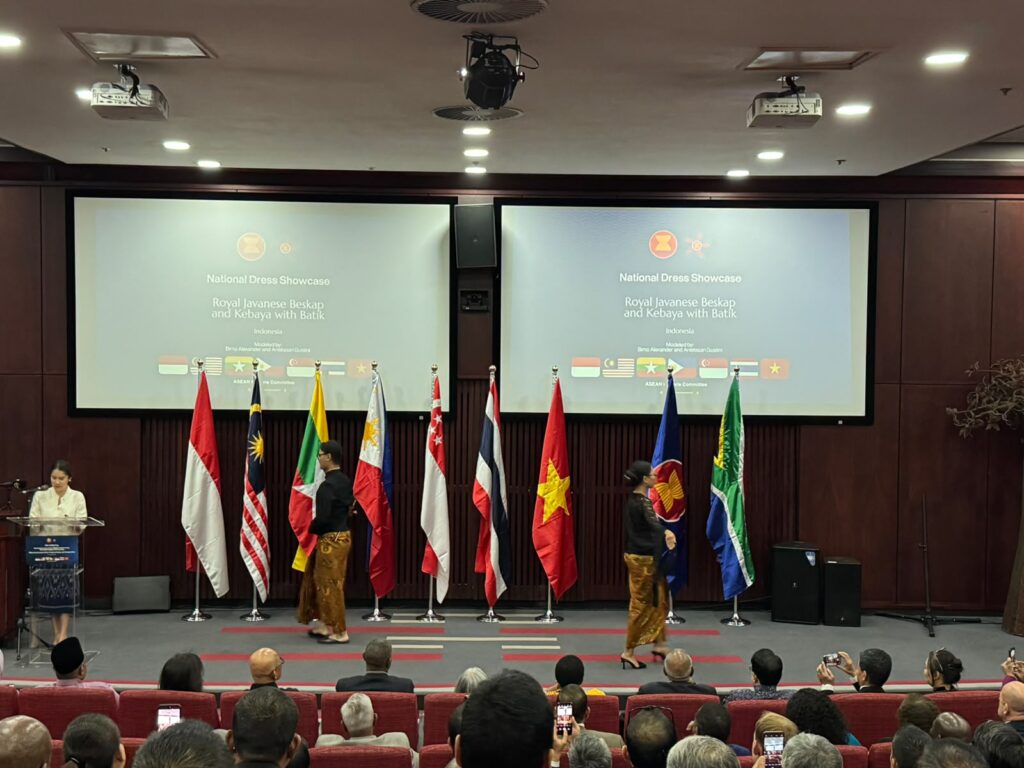
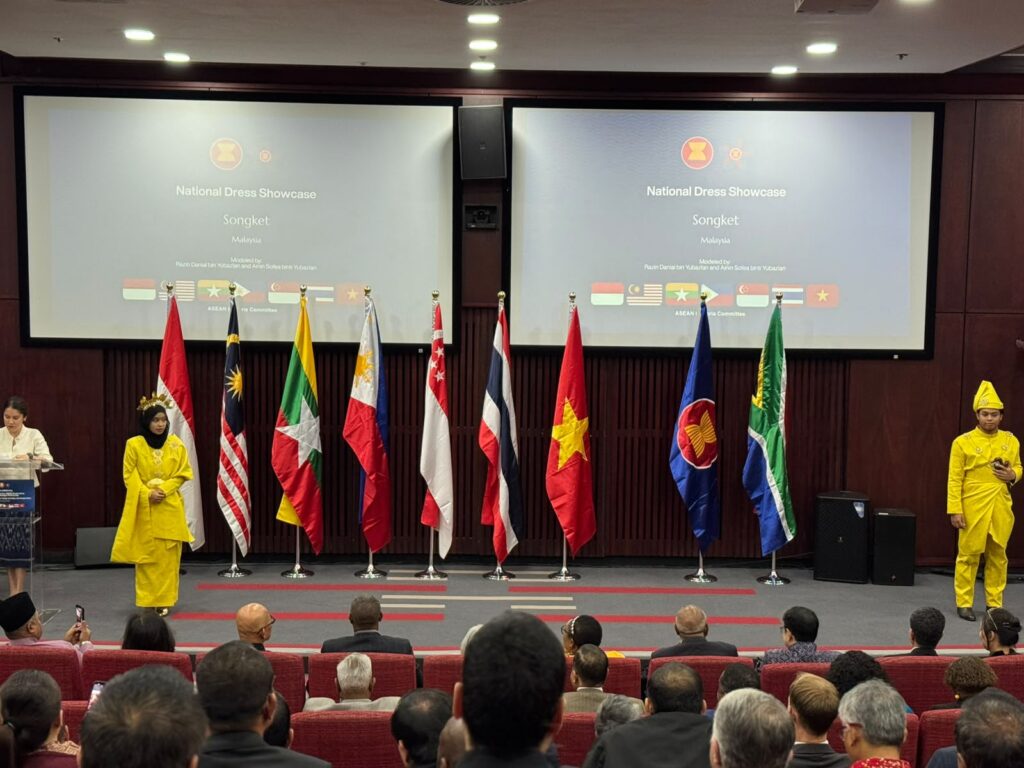
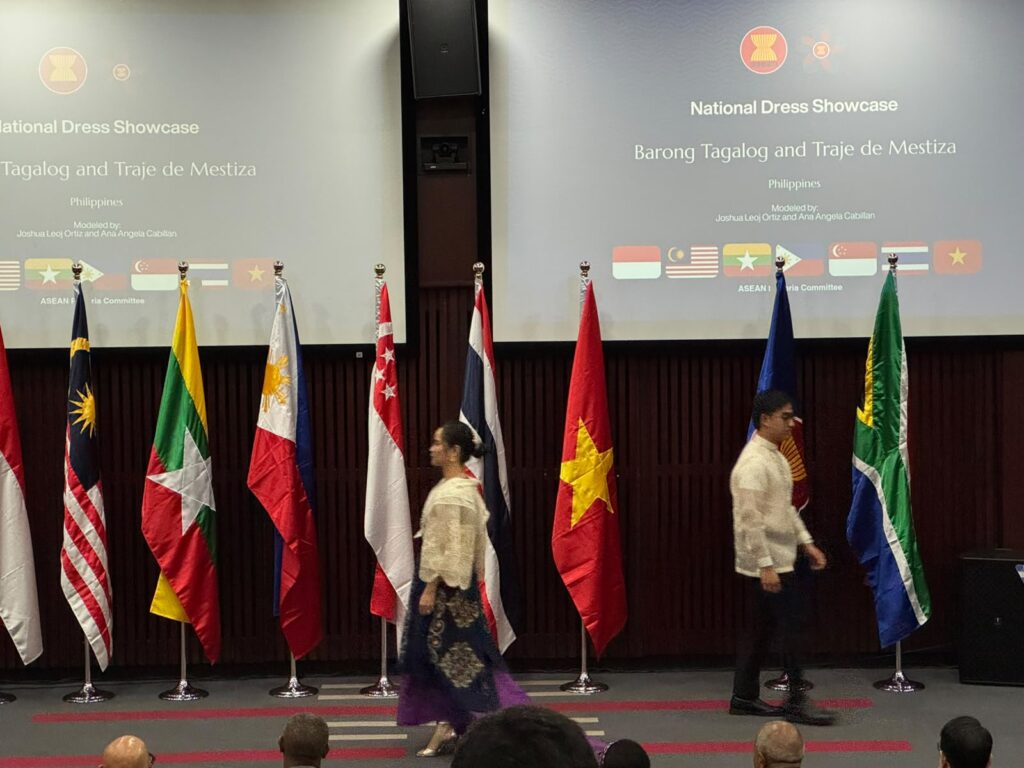
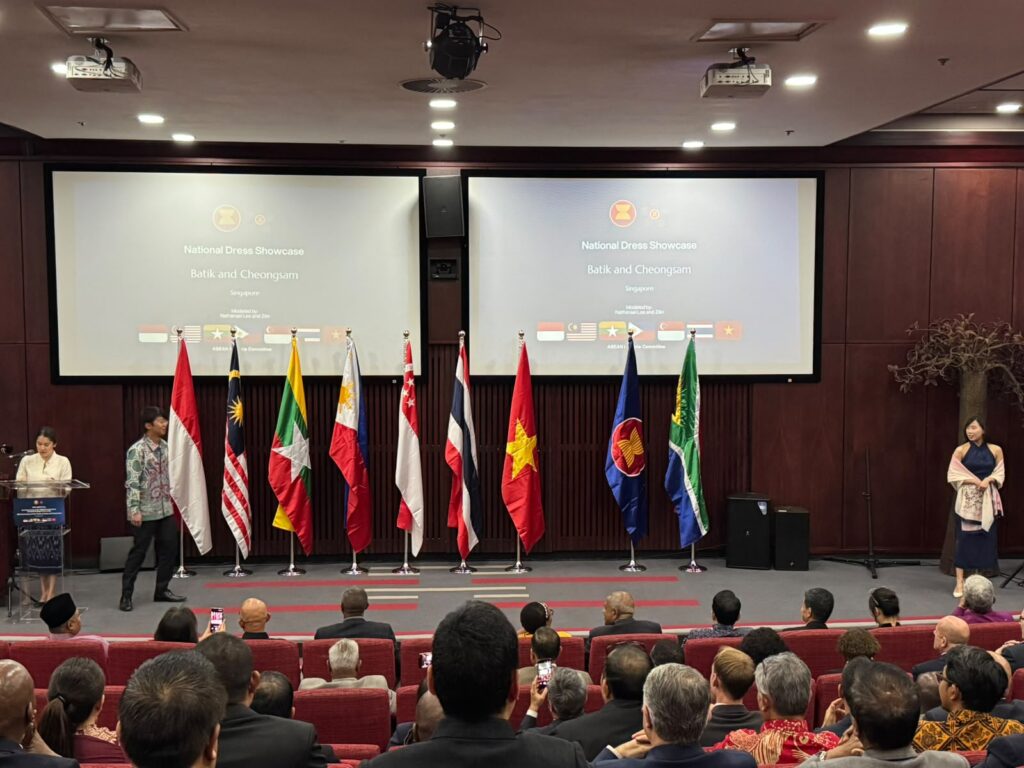
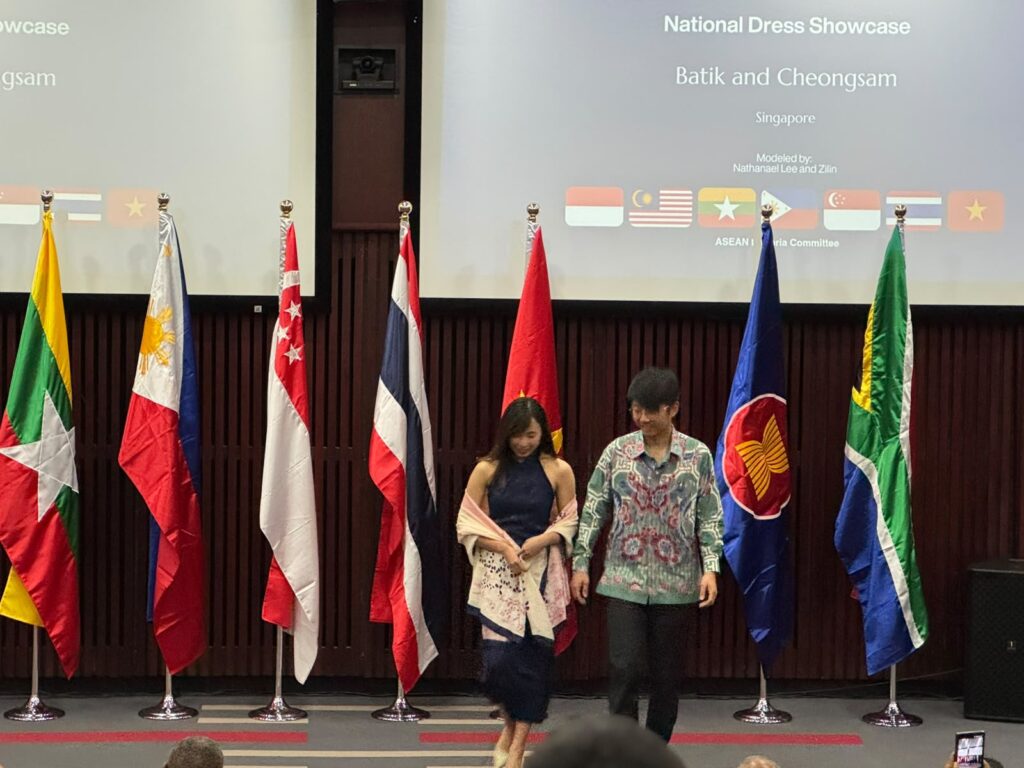
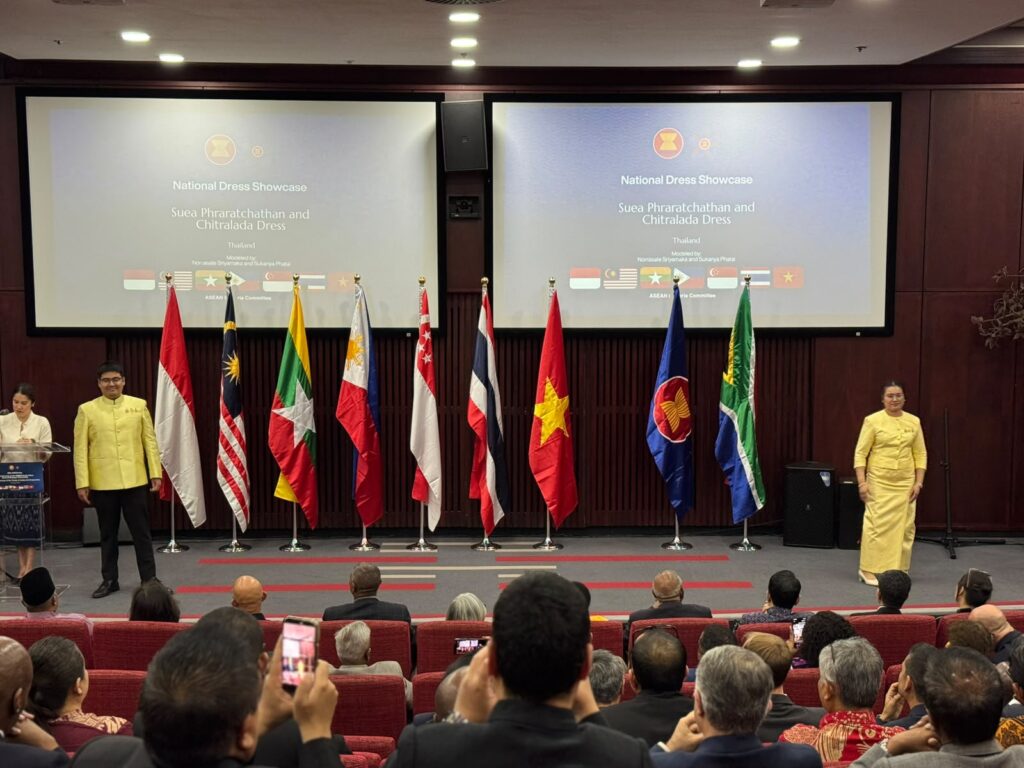
The cultural programme then moved into a vibrant National Dress Showcase, featuring traditional attire from seven ASEAN countries represented by the resident ASEAN missions in Pretoria.
The showcase demonstrated how clothing can preserve history, identity, craftsmanship and cultural traditions across generations.
Indonesia
Bimo Alexander and Anistasari Gustini represented Indonesia in Royal Javanese Beskap and Kebaya with Batik.
The attire reflected the rich cultural heritage of Java, with the kebaya representing elegance and cultural identity and the Royal Javanese Beskap reflecting traditions associated with the royal courts of Java.
Malaysia
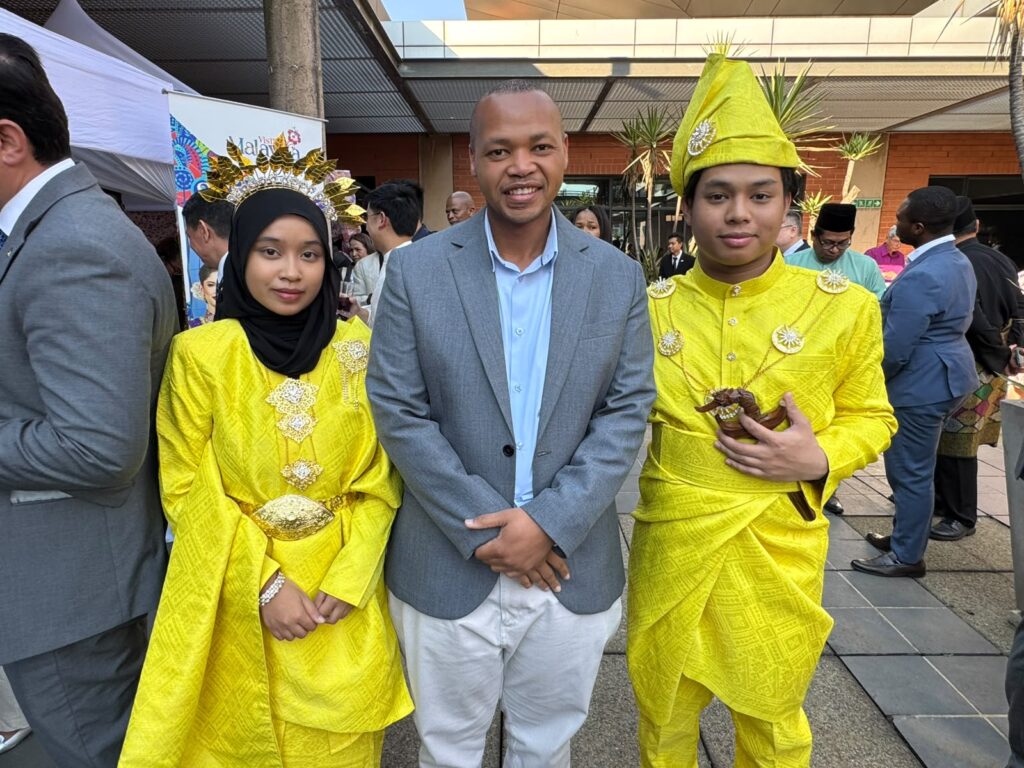
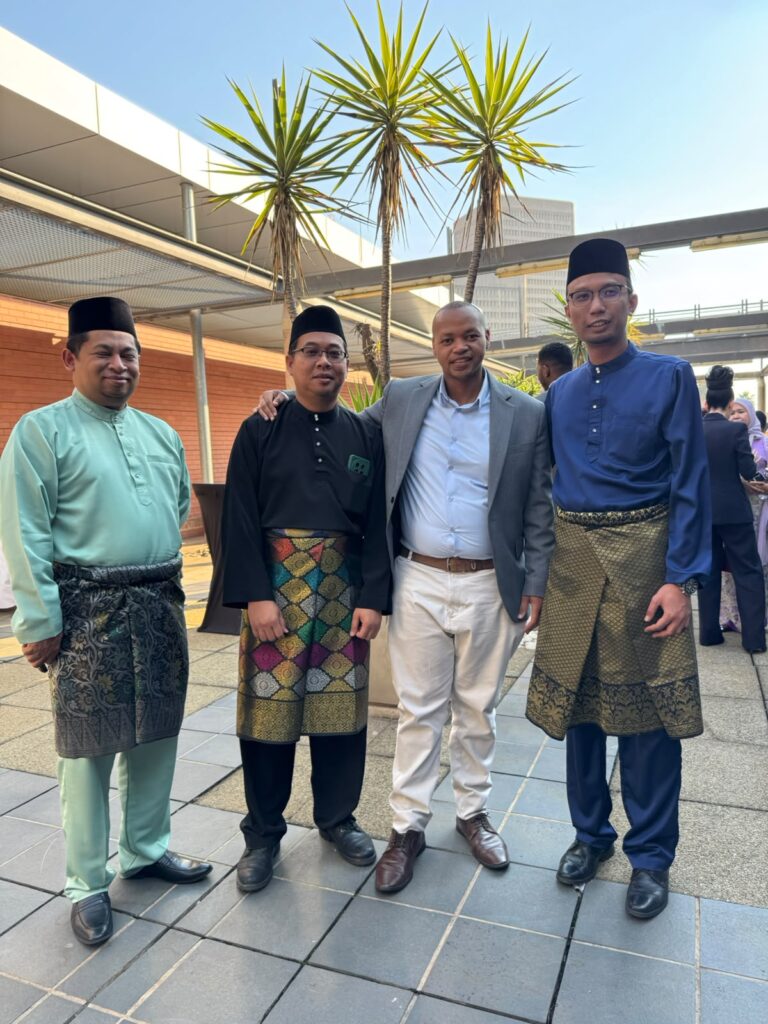
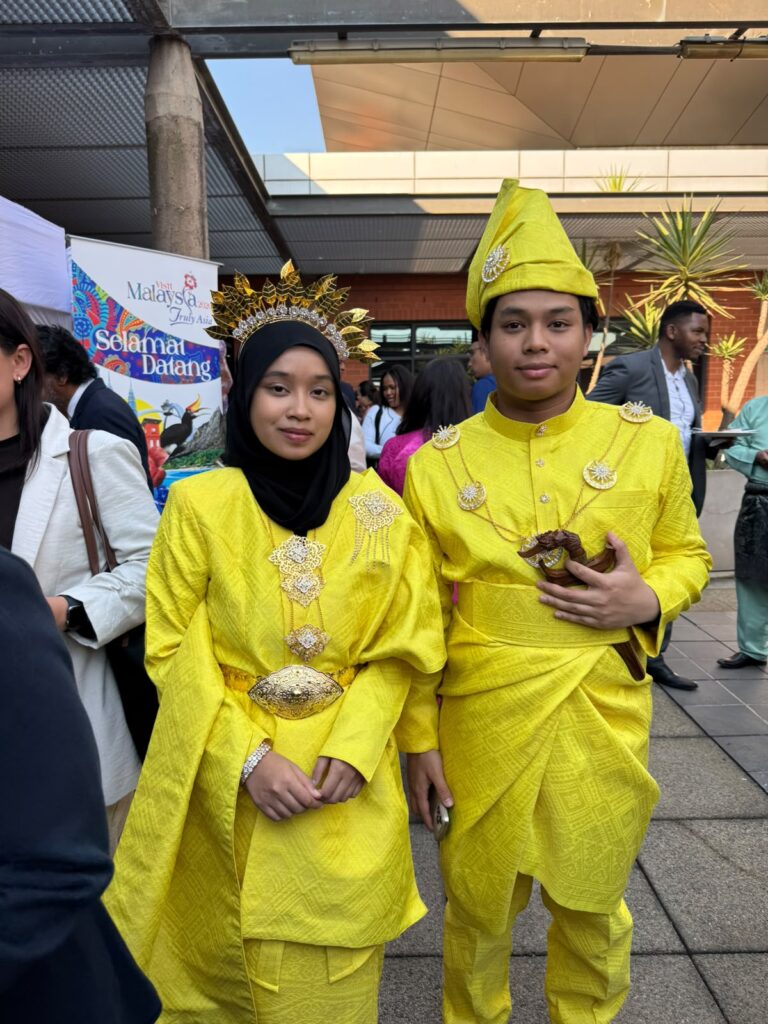
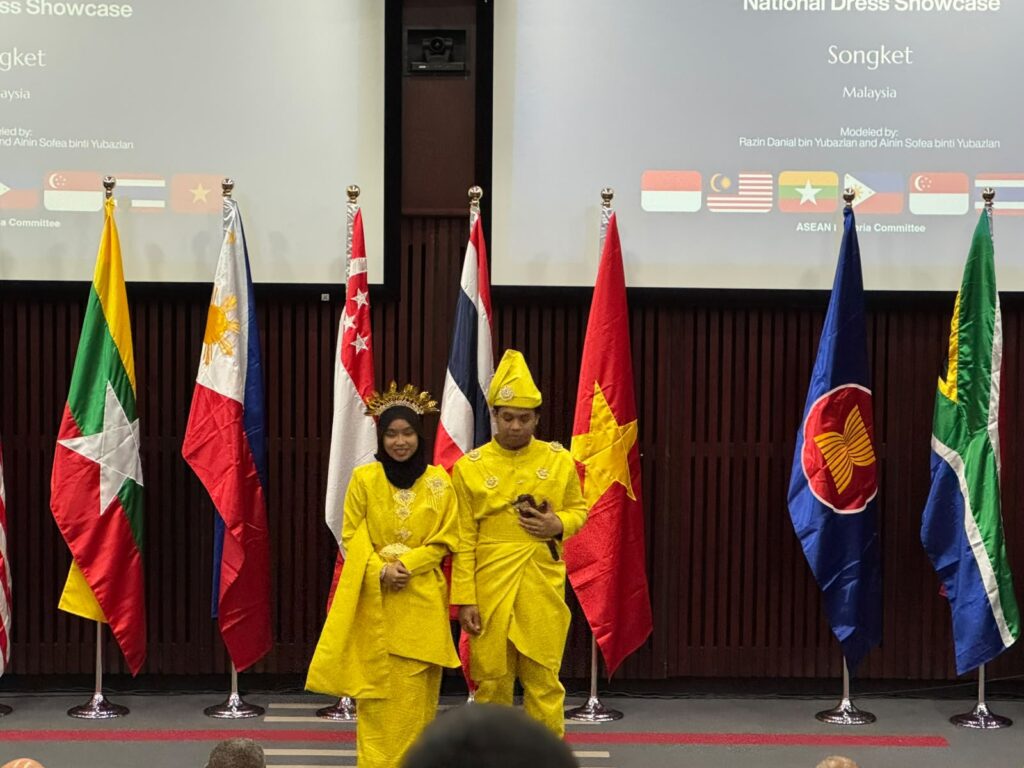
Razin Danial bin Yubazlan and Ainin Sofea binti Yubazlan represented Malaysia in Songket.
The handwoven textile, traditionally decorated with metallic threads and intricate motifs, demonstrated the craftsmanship and heritage of Malay culture and its historical association with royal and ceremonial occasions.
Myanmar
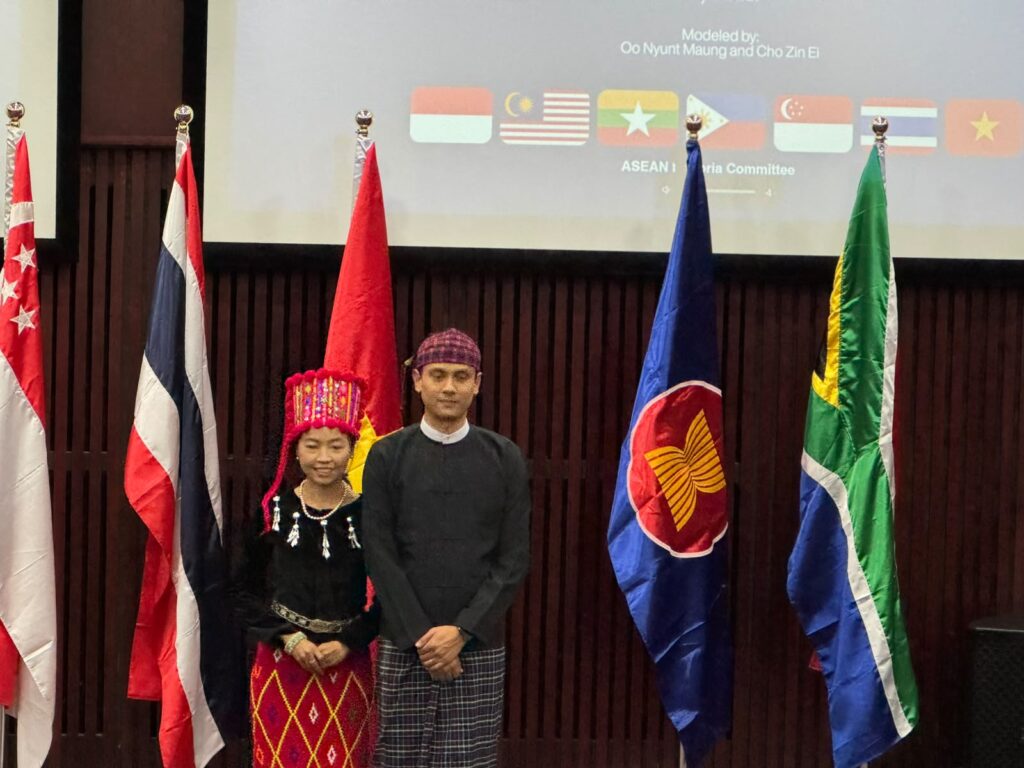
Oo Nyunt Maung and Cho Zin Ei represented Myanmar in Kachin (Jinghpaw) ethnic dress.
The colourful attire, woven patterns and silver ornaments reflected the cultural identity and heritage of the Kachin community in northern Myanmar.
Philippines
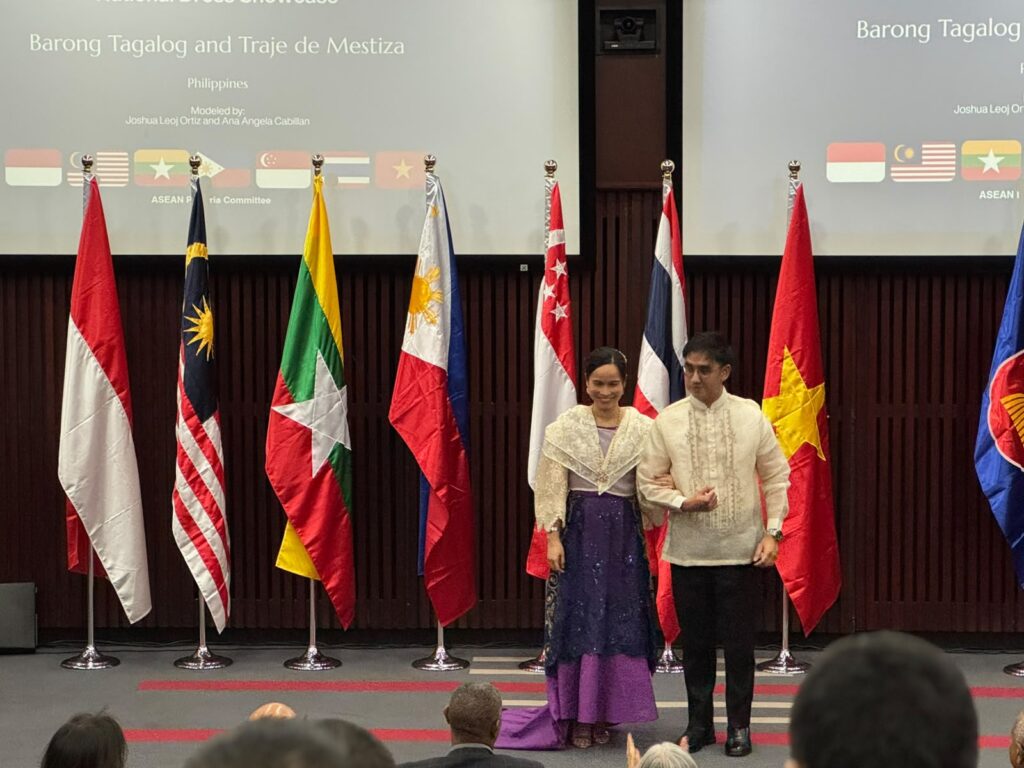
Joshua Leoj Ortiz and Ana Angela Cabillan represented the Philippines in the Barong Tagalog and Traje de Mestiza.
The presentation highlighted the evolution of these garments and their importance as expressions of Filipino history, dignity, cultural identity and national heritage.
Singapore
Nathaniel Lee and Zilin represented Singapore in Batik and Cheongsam.
The combination reflected Singapore’s multicultural identity and its history as a meeting point for different Asian communities and cultural influences.
Thailand
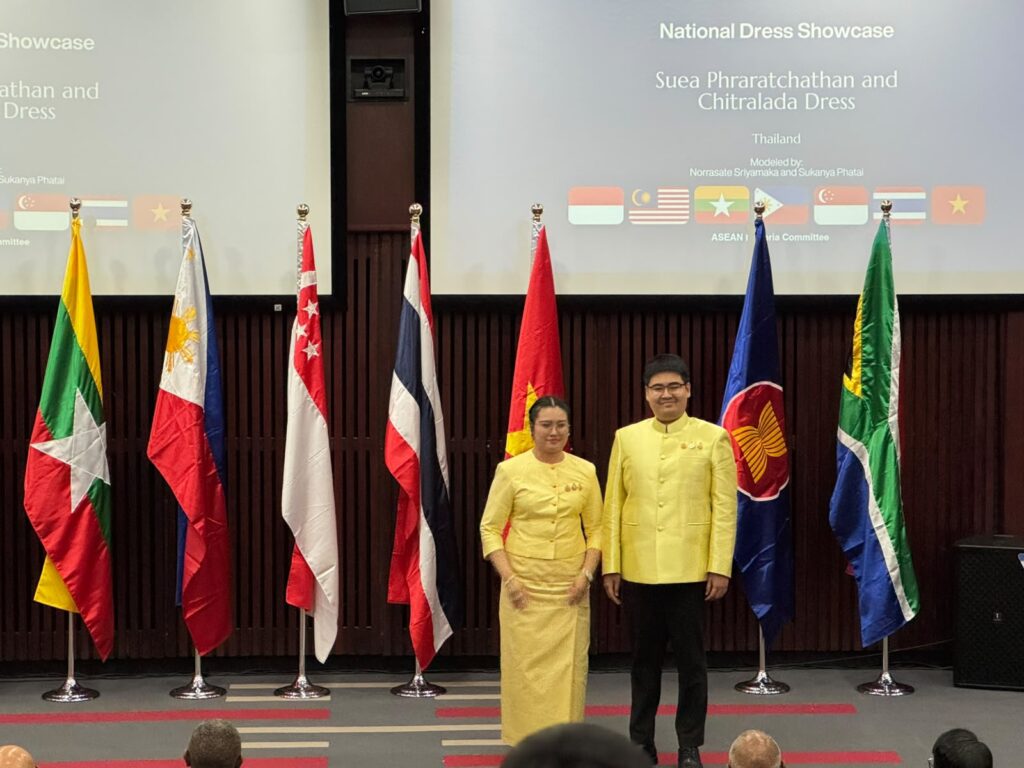
Norrasate Sriyamaka and Sukanya Phatai represented Thailand in Suea Phraratchathan and Chitralada Dress.
The presentation highlighted Thailand’s national dress traditions and the importance of royal initiatives in preserving Thai textiles and supporting rural weavers and silk producers.
Viet Nam
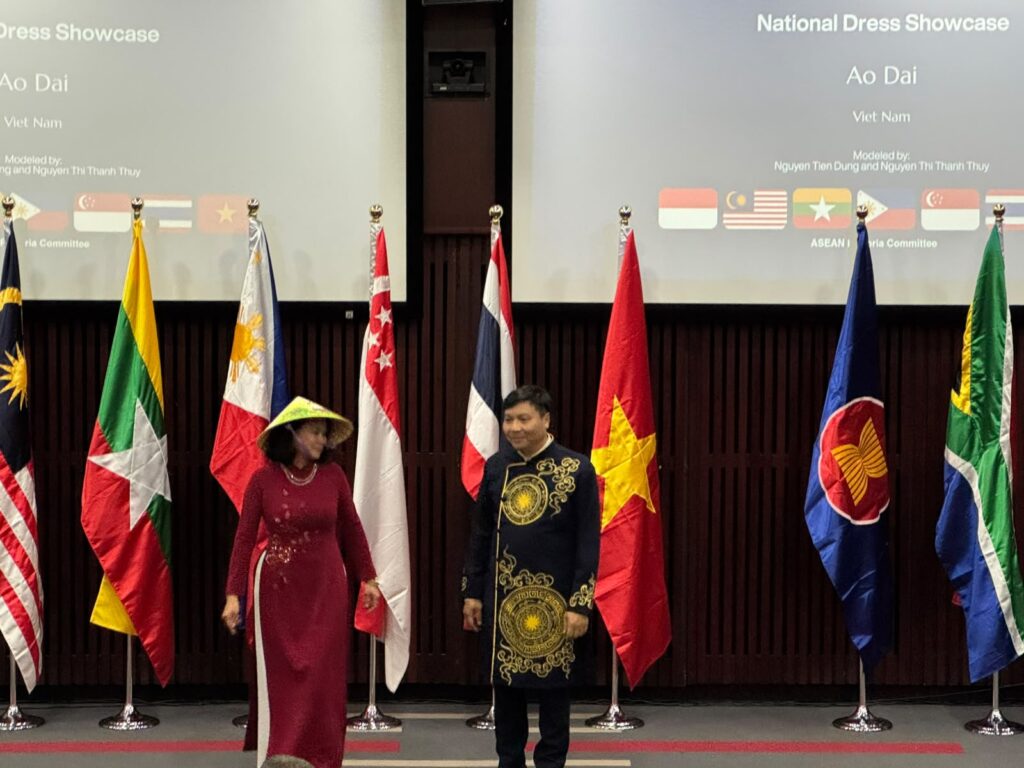
Nguyen Tien Dung and Nguyen Thi Thanh Thuy represented Viet Nam in the iconic Ao Dai.
The traditional Vietnamese garment, presented in silk and brocade with intricate detailing, reflected the country’s rich heritage and remains an important part of Vietnamese celebrations and national occasions.
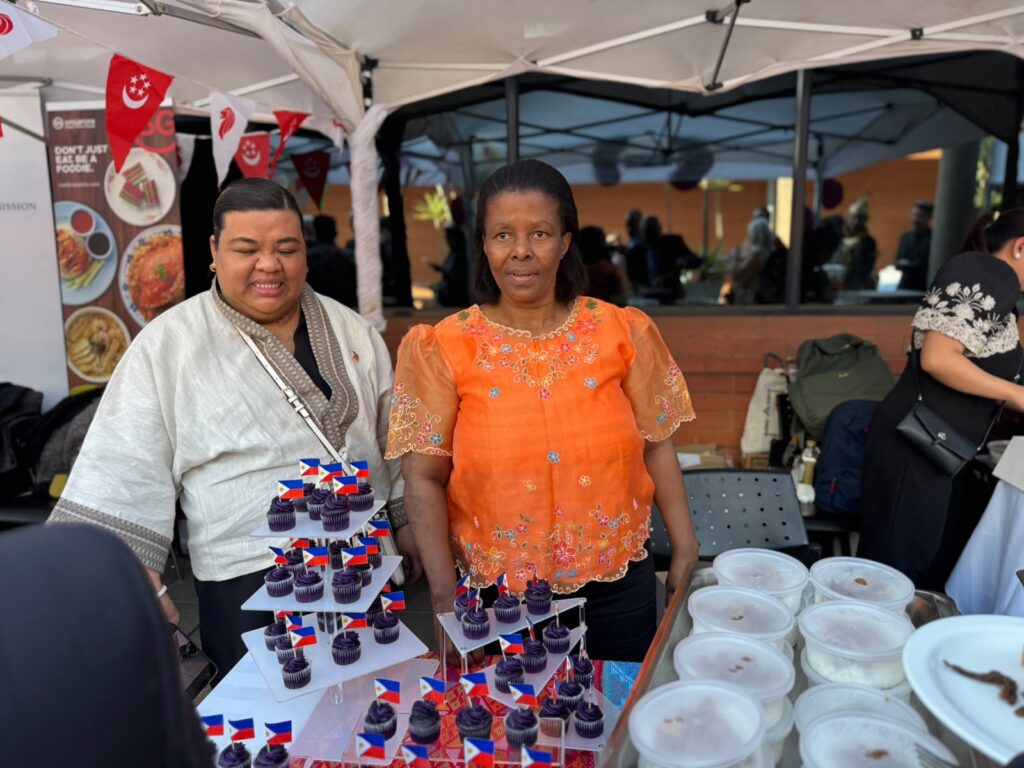
ASEAN Cuisine Offers Guests a Taste of Southeast Asia
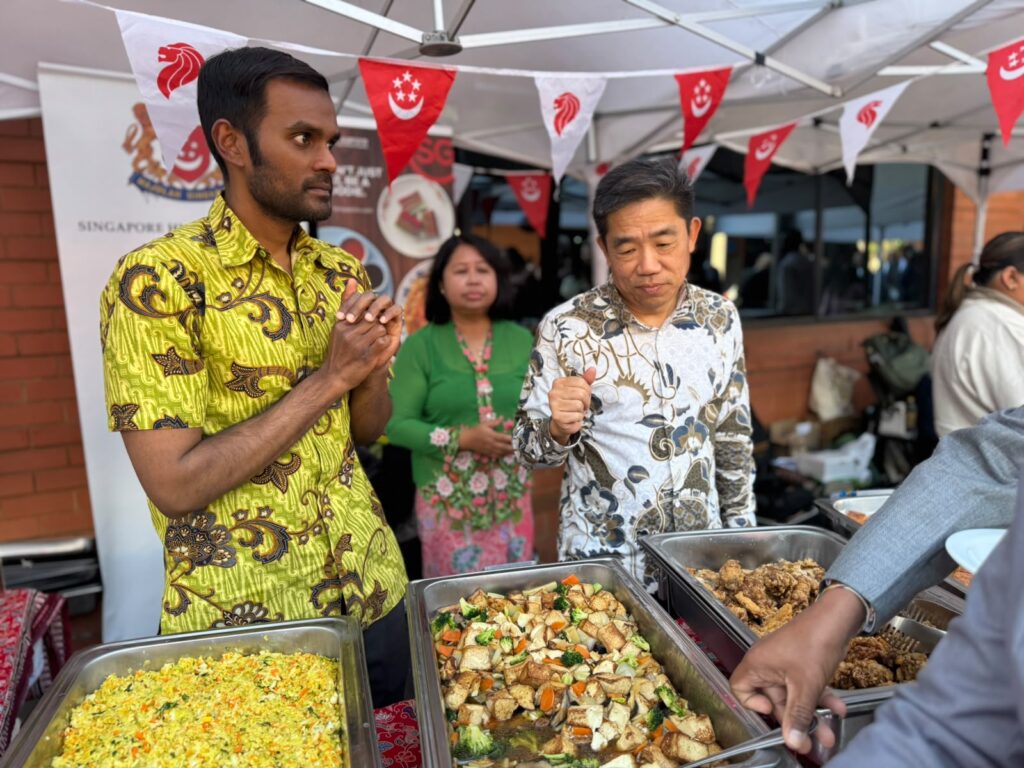
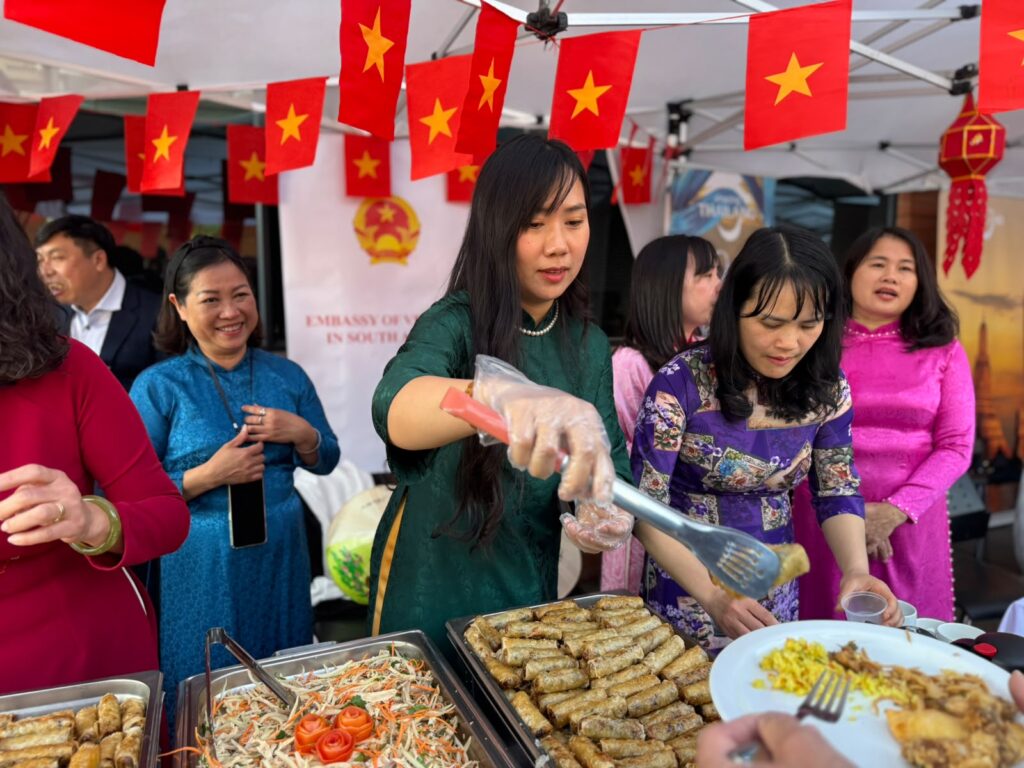
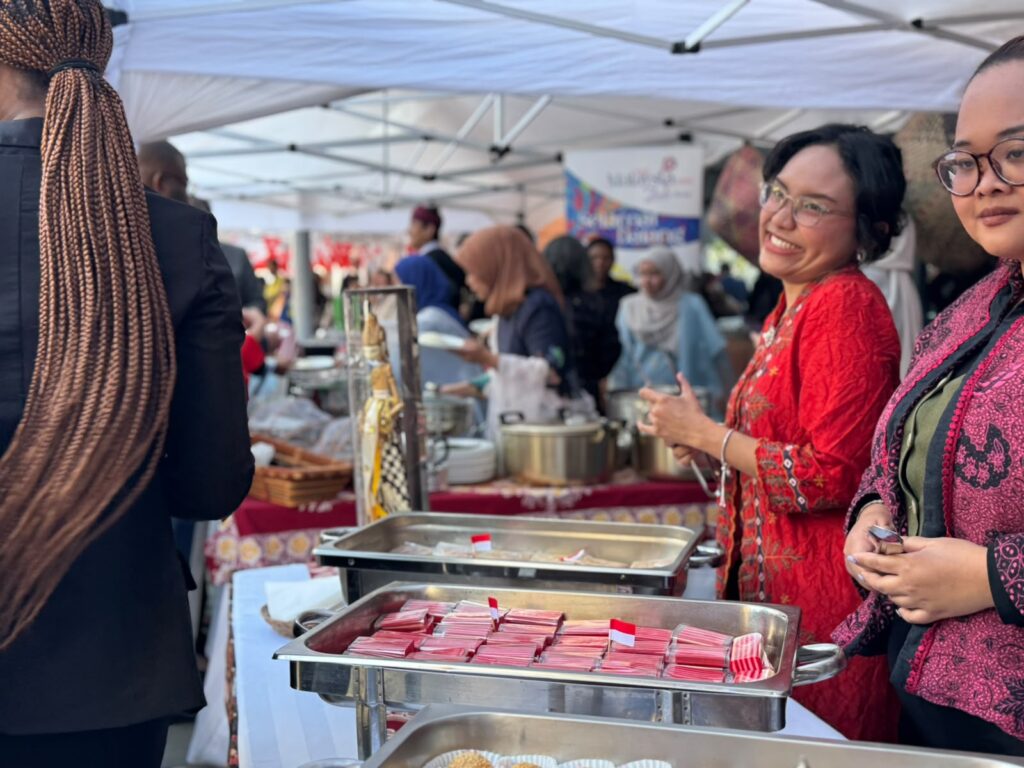
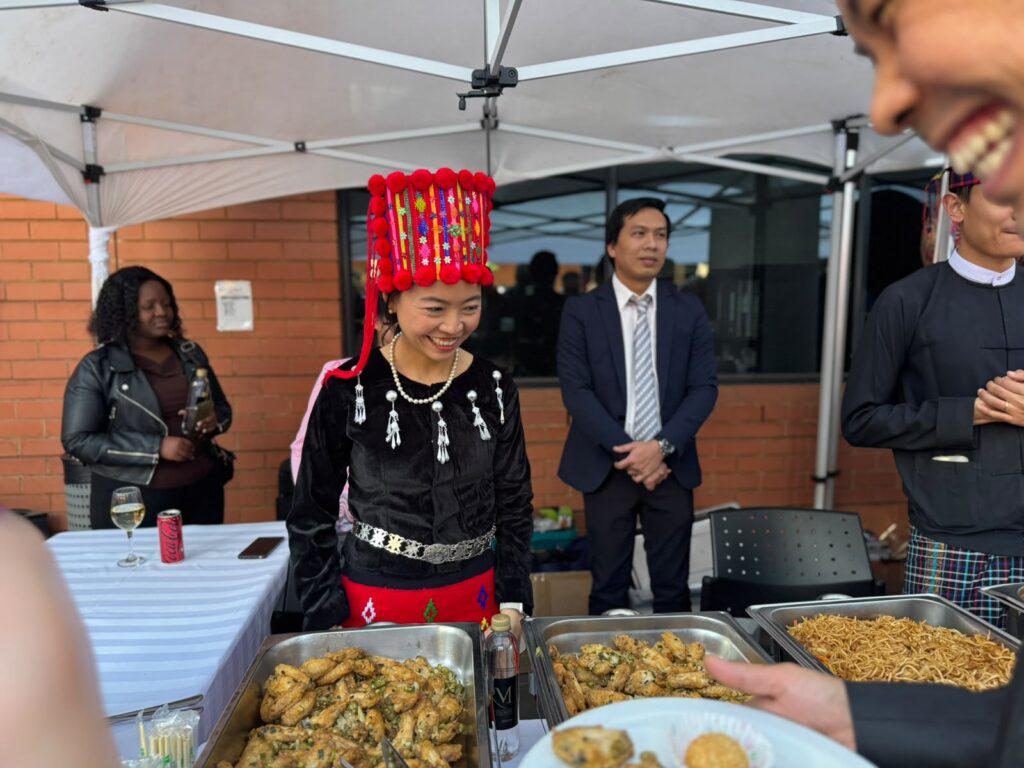
Following the cultural programme, guests were invited outside the National Library of South Africa to experience an ASEAN cuisine showcase.
The reception offered guests the opportunity to sample foods representing the ASEAN Member States, providing a culinary journey through the flavours and traditions of Southeast Asia.
The cuisine experience added another dimension to the evening’s cultural diplomacy. Alongside music, dance and traditional clothing, food provided a direct and accessible way for guests to experience the diversity of ASEAN cultures.
The gathering therefore moved beyond formal diplomatic engagement to create opportunities for social interaction, cultural exchange and people-to-people diplomacy.
Culture, Cuisine and Diplomacy Strengthen ASEAN–South Africa Relations
The 59th ASEAN Day celebration in Pretoria provided a comprehensive reflection of the relationship between ASEAN and South Africa.
From the opening national anthems and diplomatic addresses to the traditional performances, national dress showcase and ASEAN cuisine experience, the event demonstrated how diplomacy can operate across political, economic and cultural spheres.
The remarks by Ambassador Macahilig highlighted ASEAN’s vision for its future and the opportunities for deeper engagement with South Africa, while Ms. Fadane’s address demonstrated South Africa’s commitment to translating the sectoral dialogue partnership into practical cooperation, particularly in areas such as agriculture, trade and investment.
At the same time, the cultural programme showed the human dimension of the relationship.
The evening’s performances, traditional garments and cuisine provided guests with an opportunity to experience the diversity of Southeast Asia while strengthening appreciation for the cultural connections that can bring regions and peoples closer together.
As ASEAN and South Africa continue to expand their partnership, the celebration demonstrated that stronger relations are built not only through high-level diplomatic engagements, but also through culture, commerce, knowledge exchange and people-to-people connections.
The 59th ASEAN Day celebration in Pretoria ultimately served as both a commemoration of ASEAN’s achievements and a celebration of the future of ASEAN–South Africa friendship and cooperation.