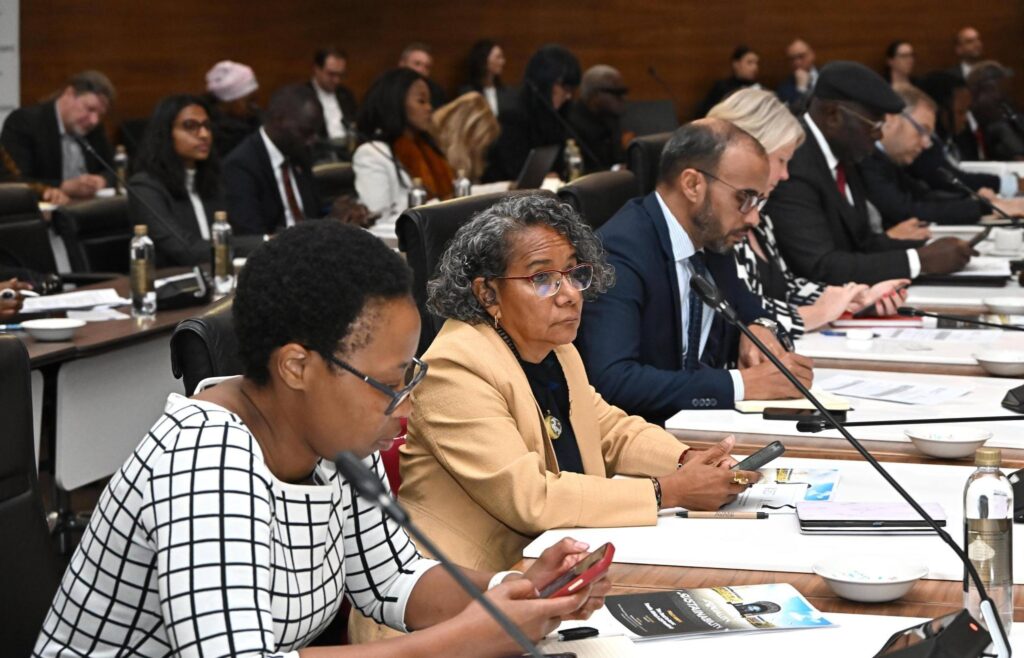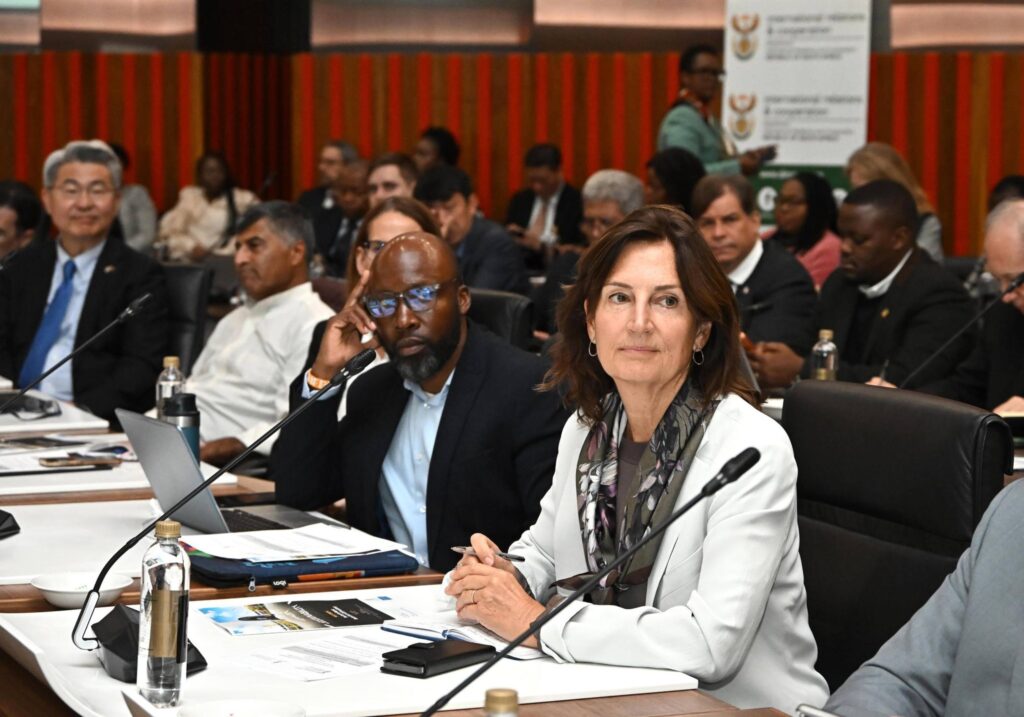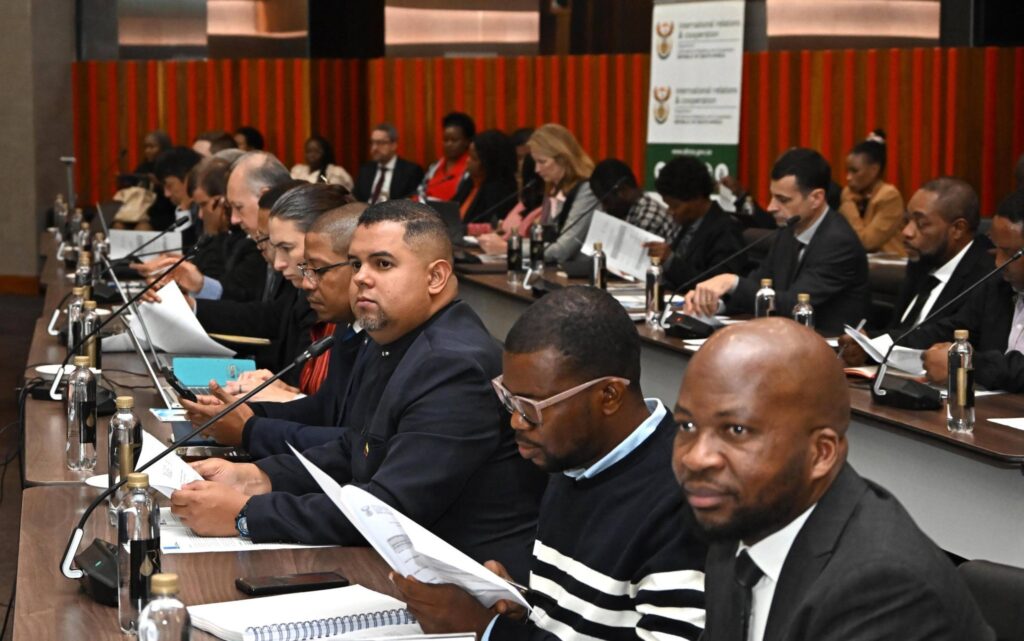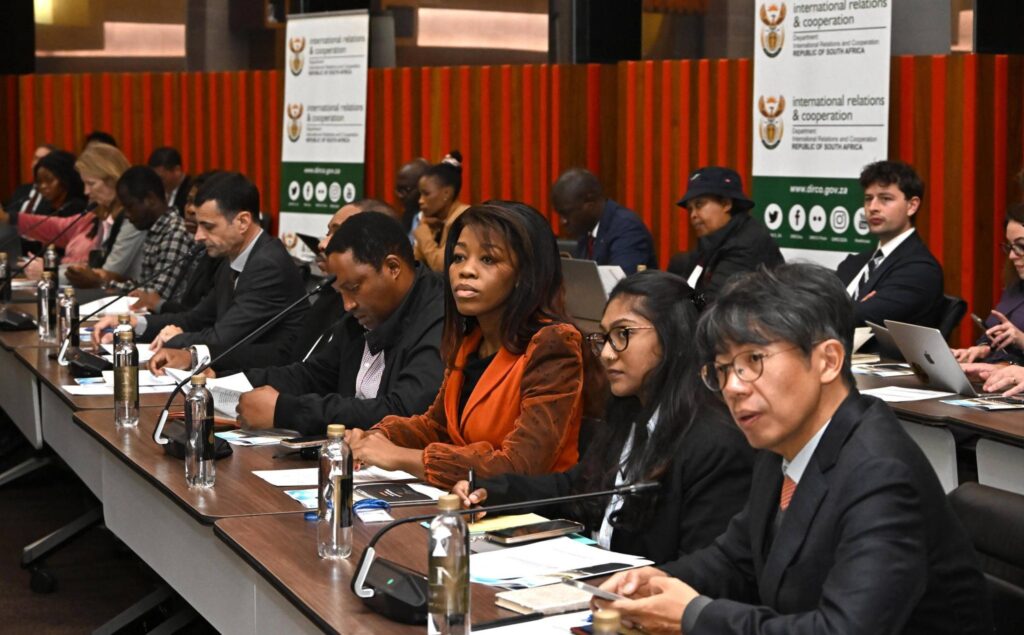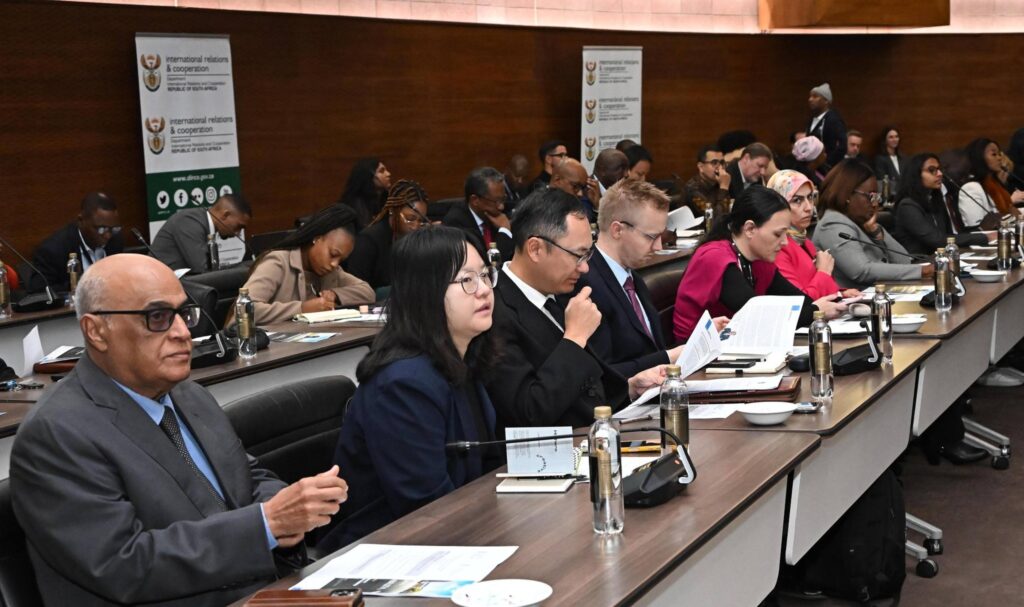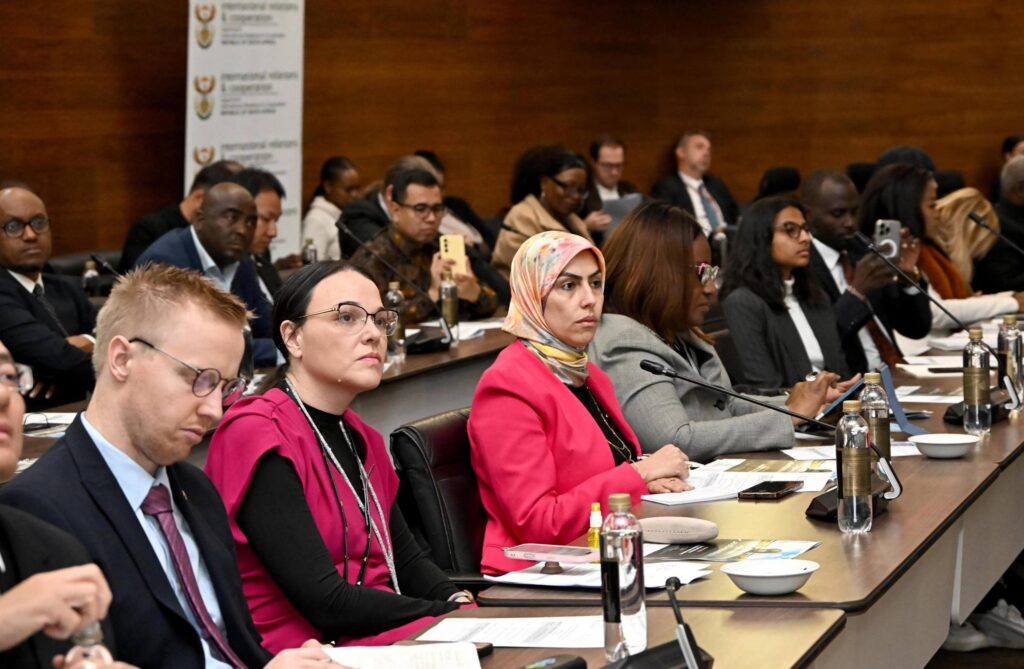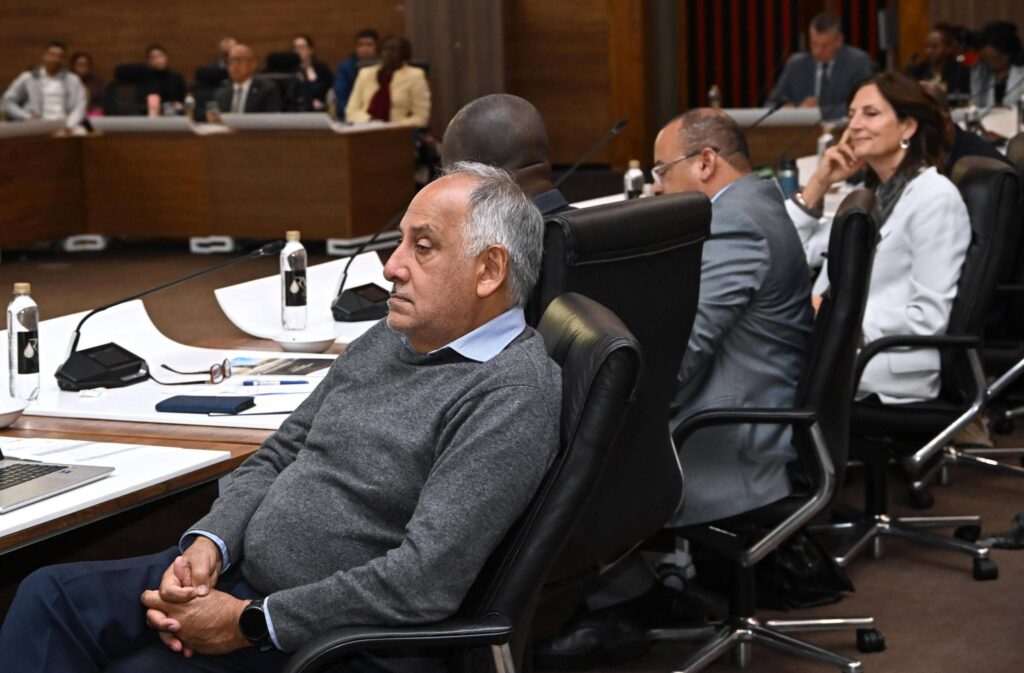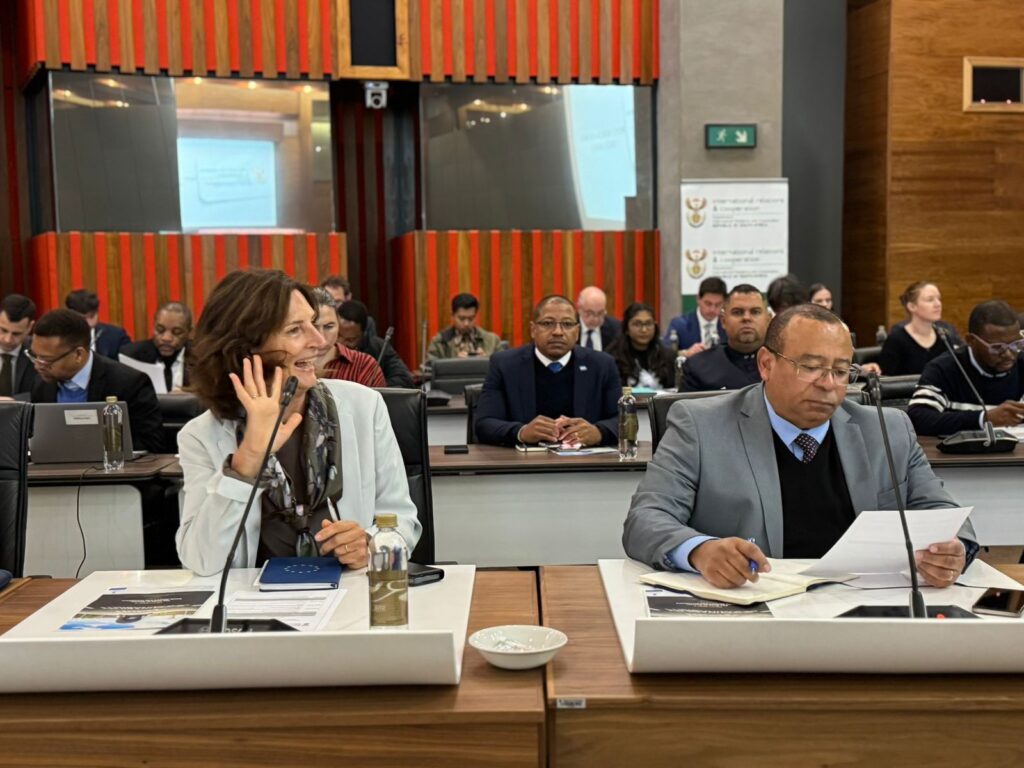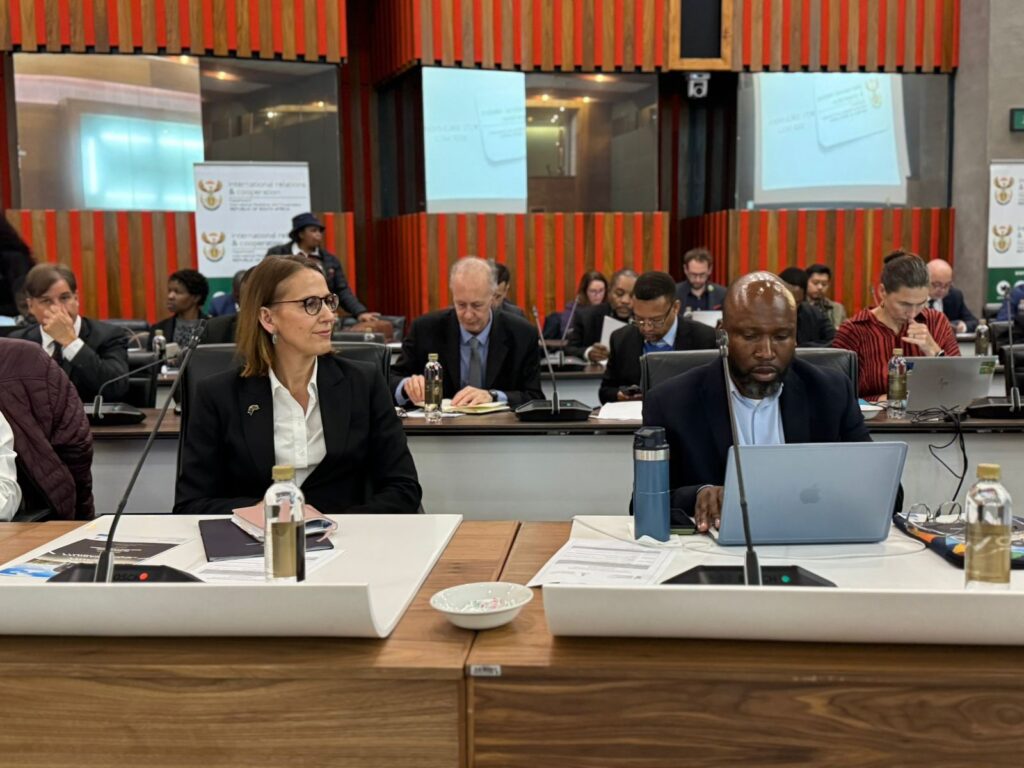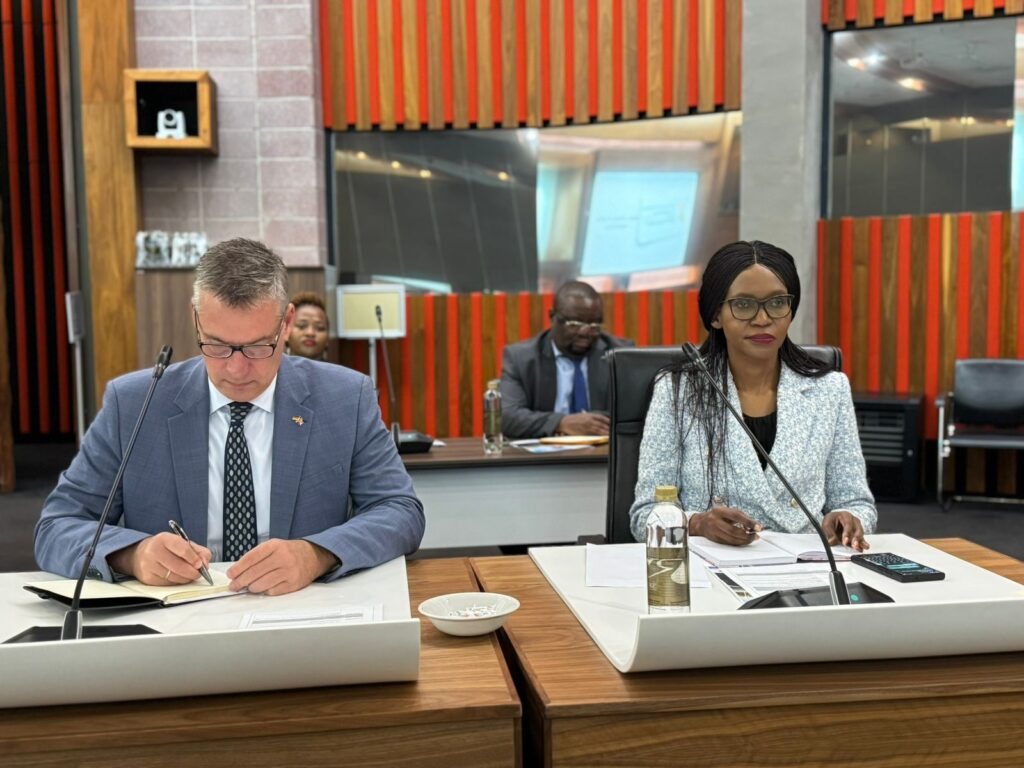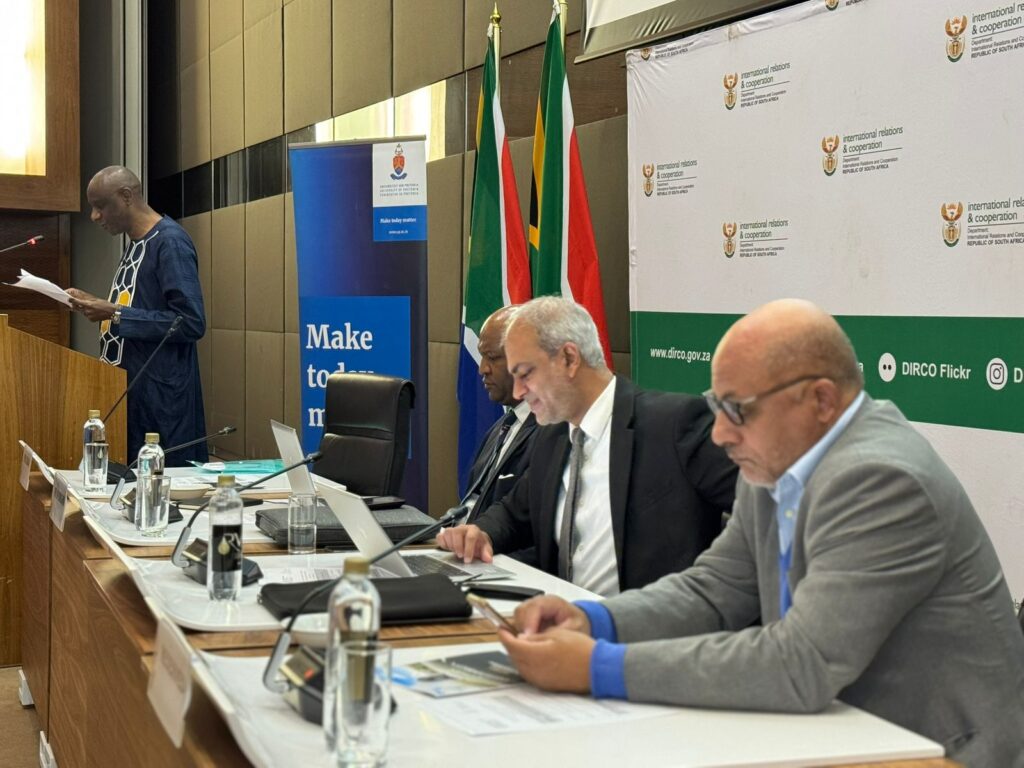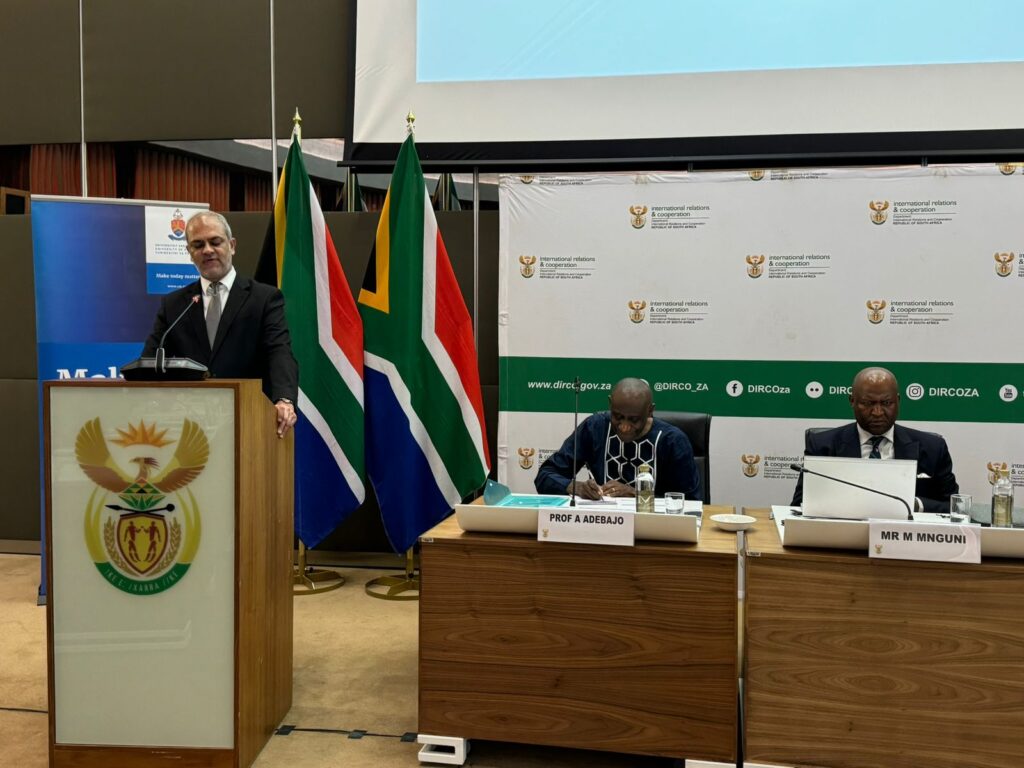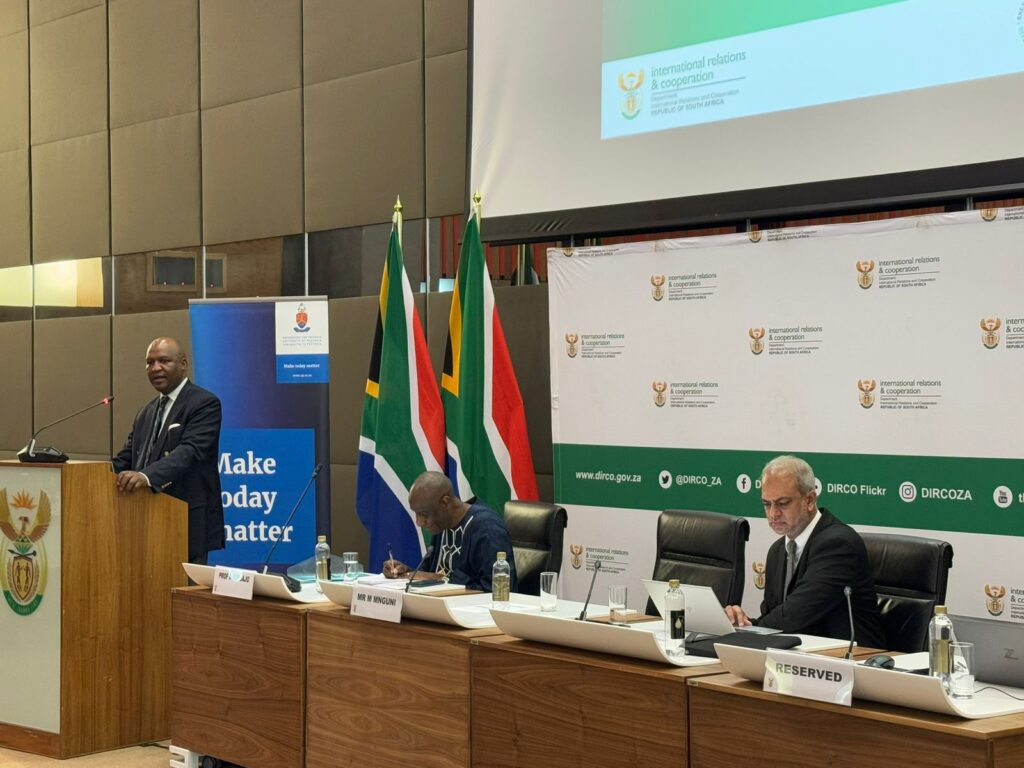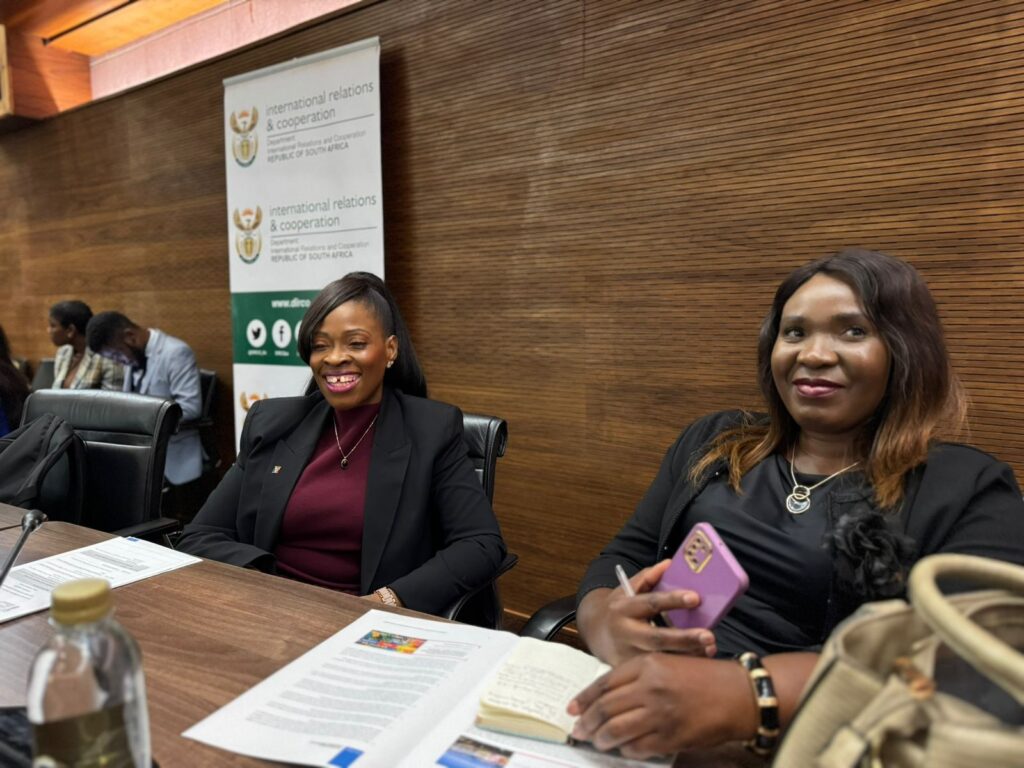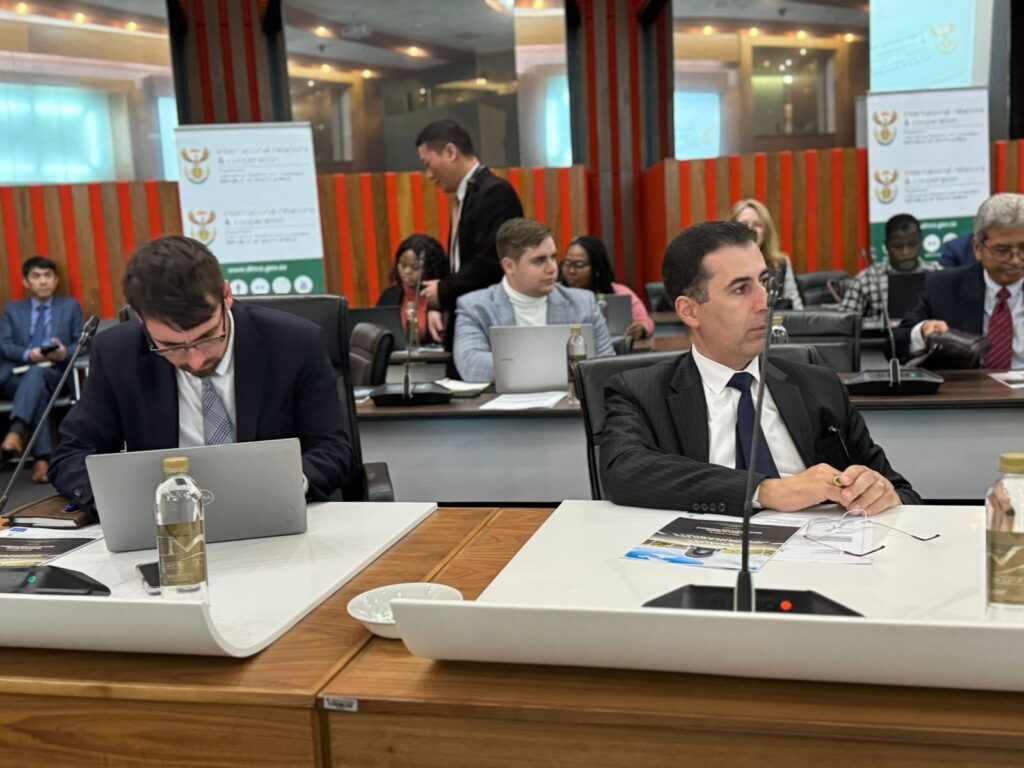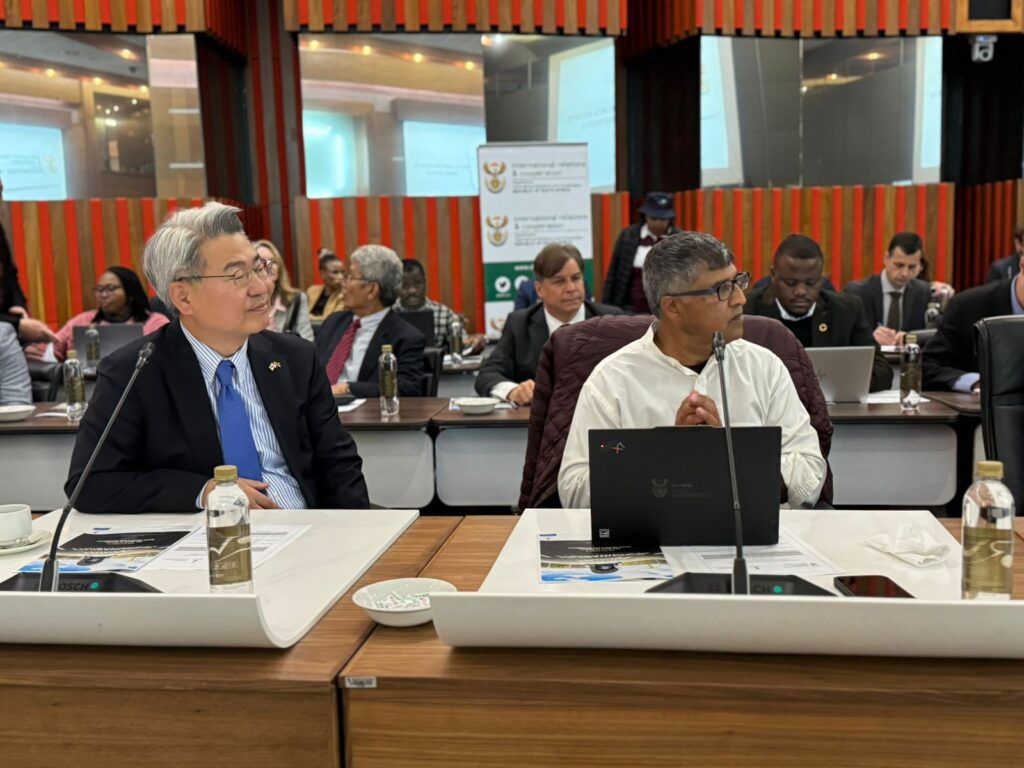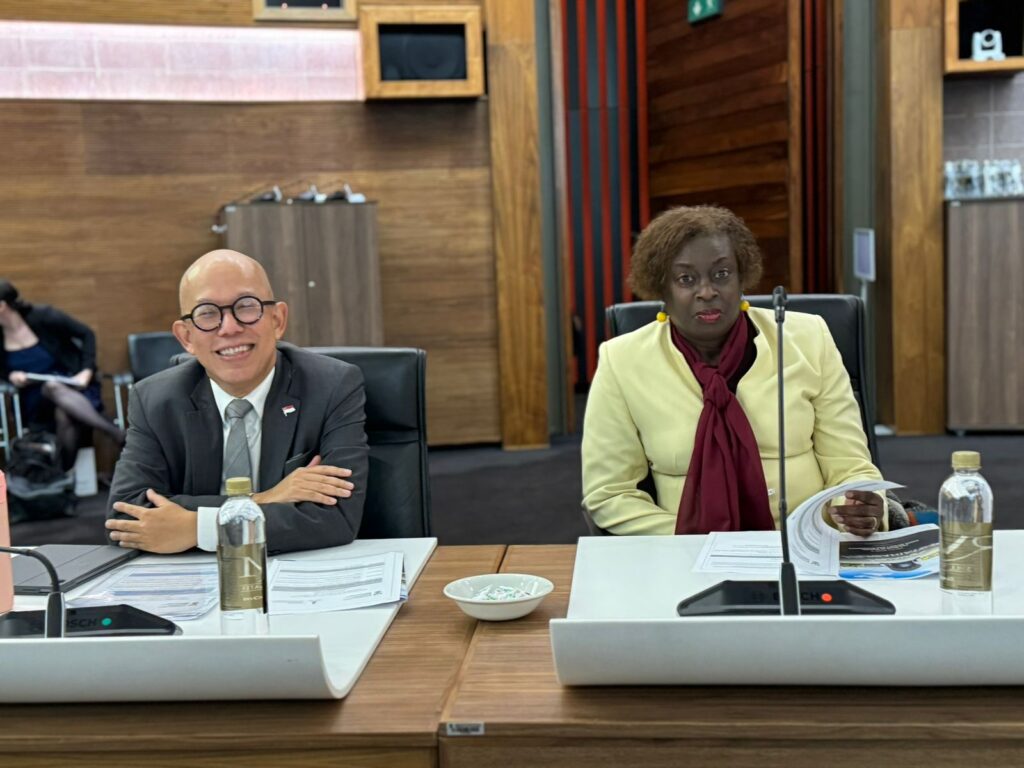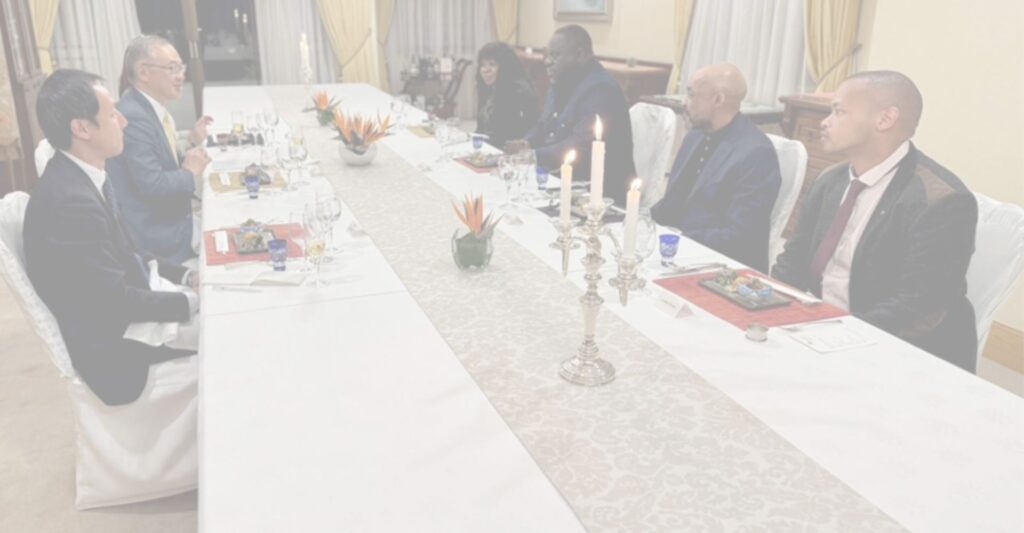
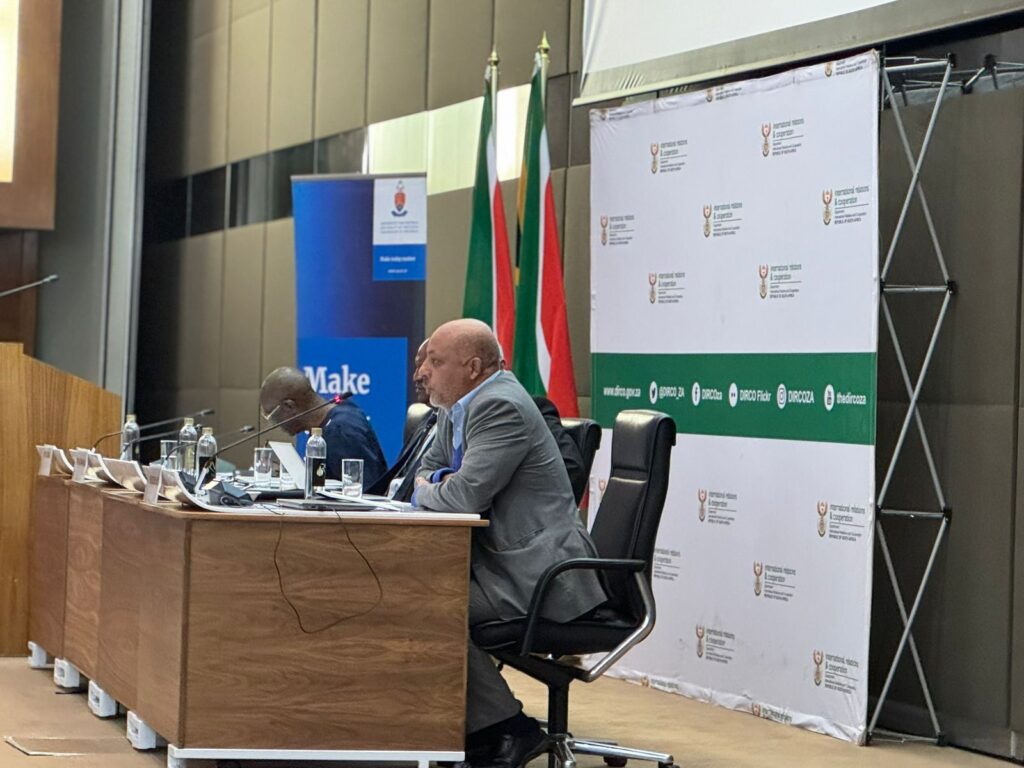
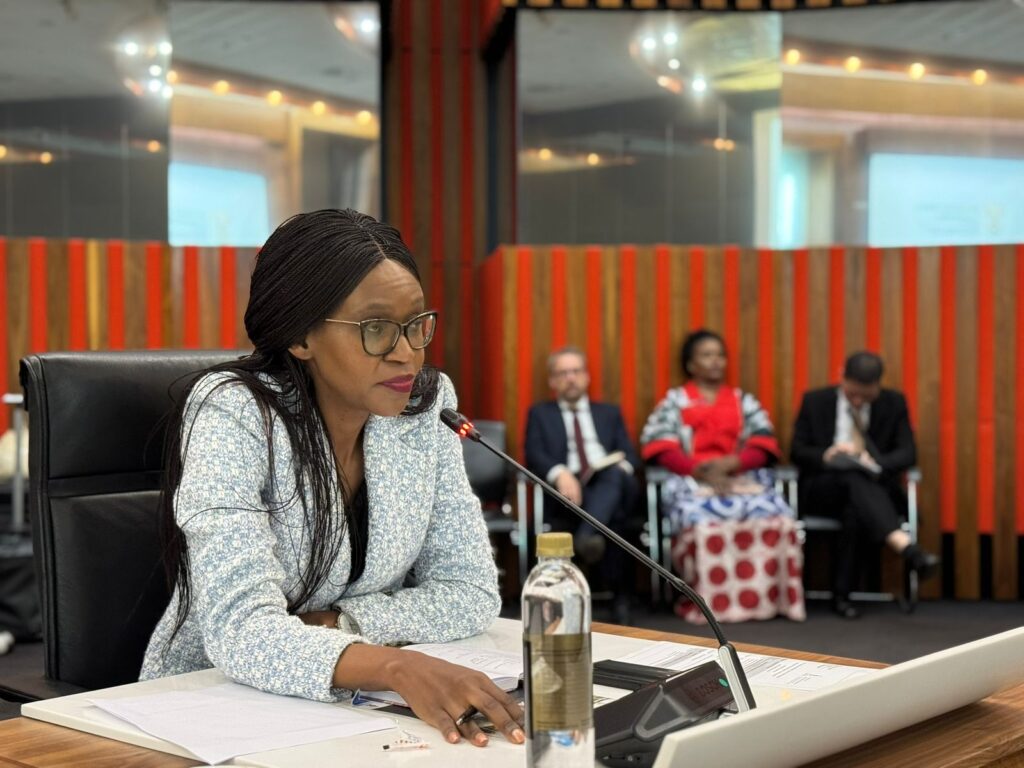
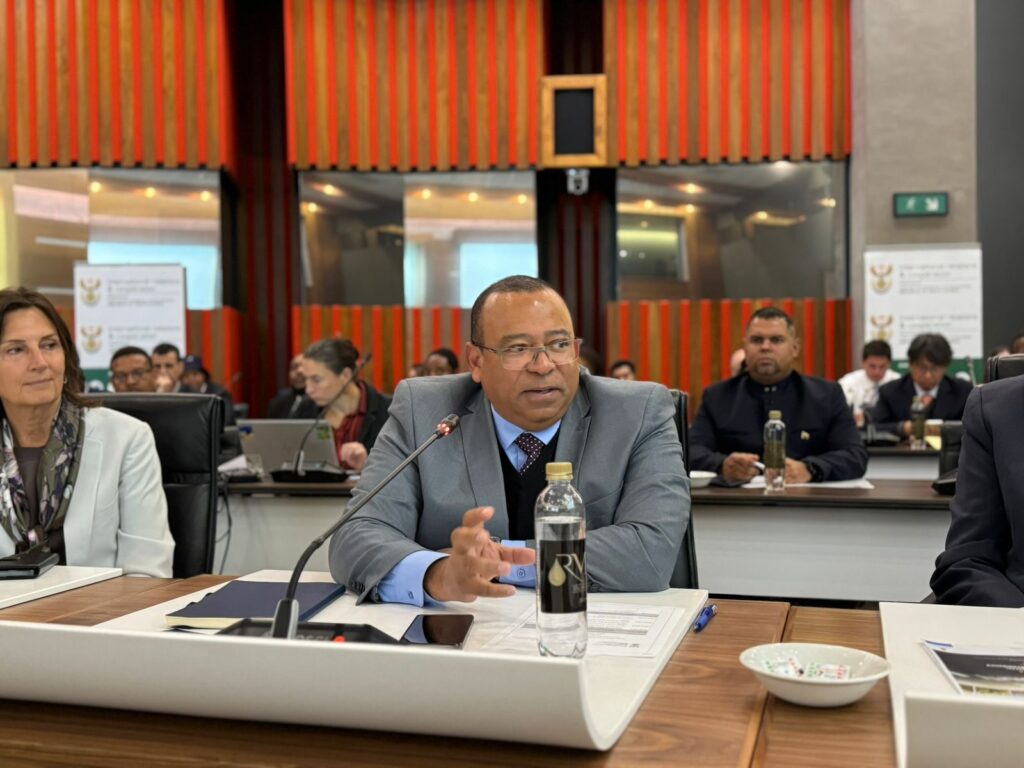
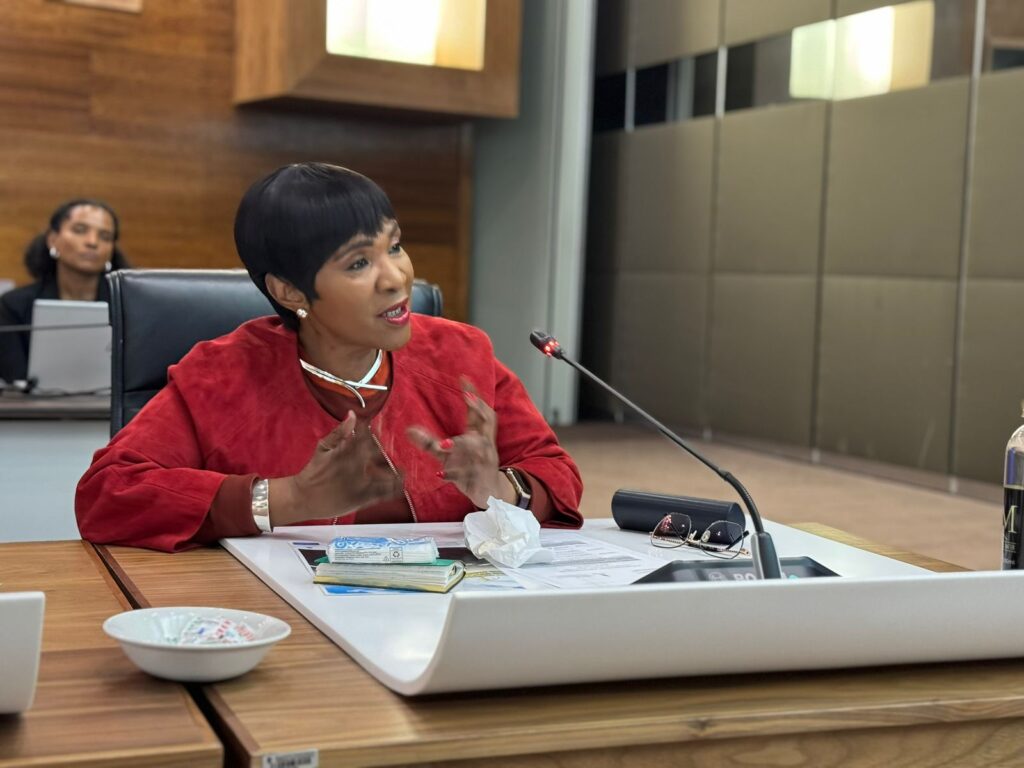
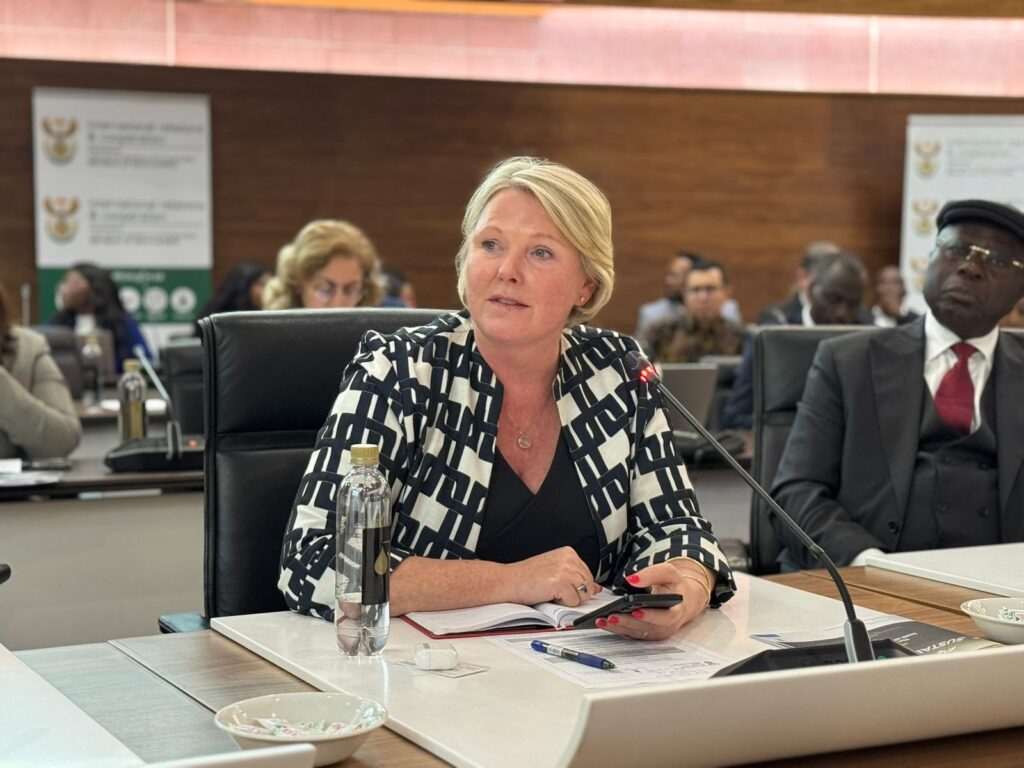
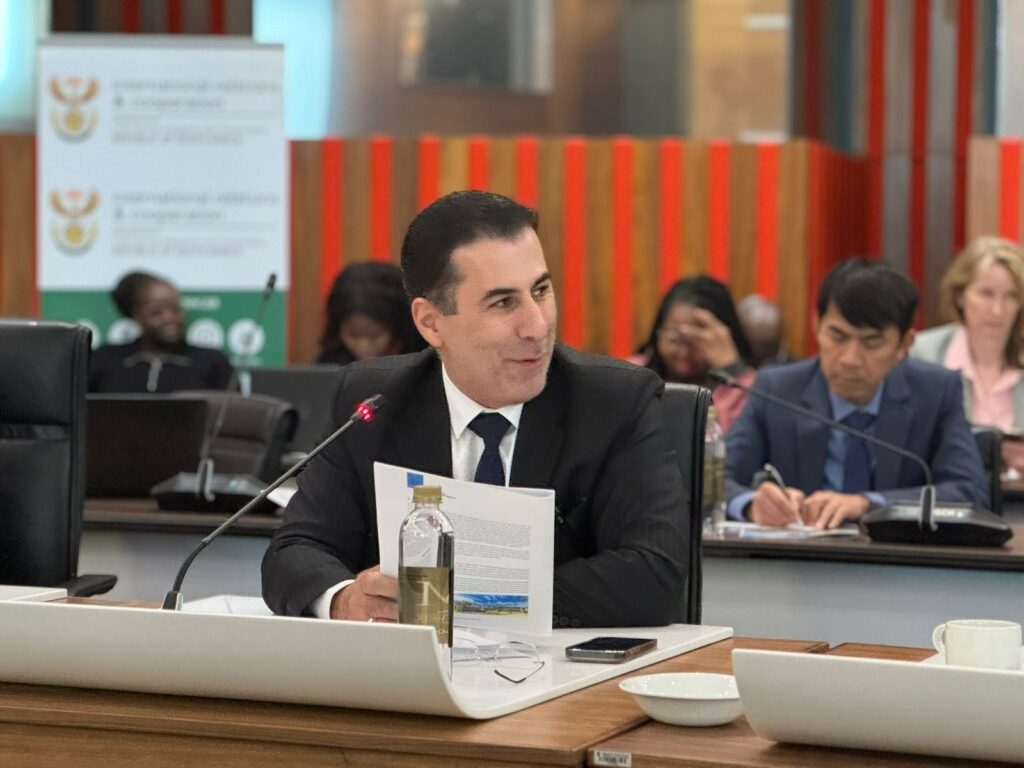
The Department of International Relations and Cooperation (DIRCO), in partnership with the University of Pretoria Centre for the Advancement of Scholarship, hosted a high-level seminar titled “South Africa’s G20 Presidency: Lessons Learned” on Wednesday, 27 May 2026, at DIRCO Conference Room 1 in Pretoria.
The seminar brought together diplomats, policymakers, academics, multilateral institutions, engagement groups, and development partners to reflect on the outcomes, achievements, challenges, and implementation priorities emerging from South Africa’s historic G20 Presidency — the first ever hosted on African soil.
The gathering focused not only on the political significance of the Presidency, but also on the long-term implementation of the commitments and frameworks adopted during South Africa’s tenure from December 2024 to November 2025.
A Historic African G20 Presidency
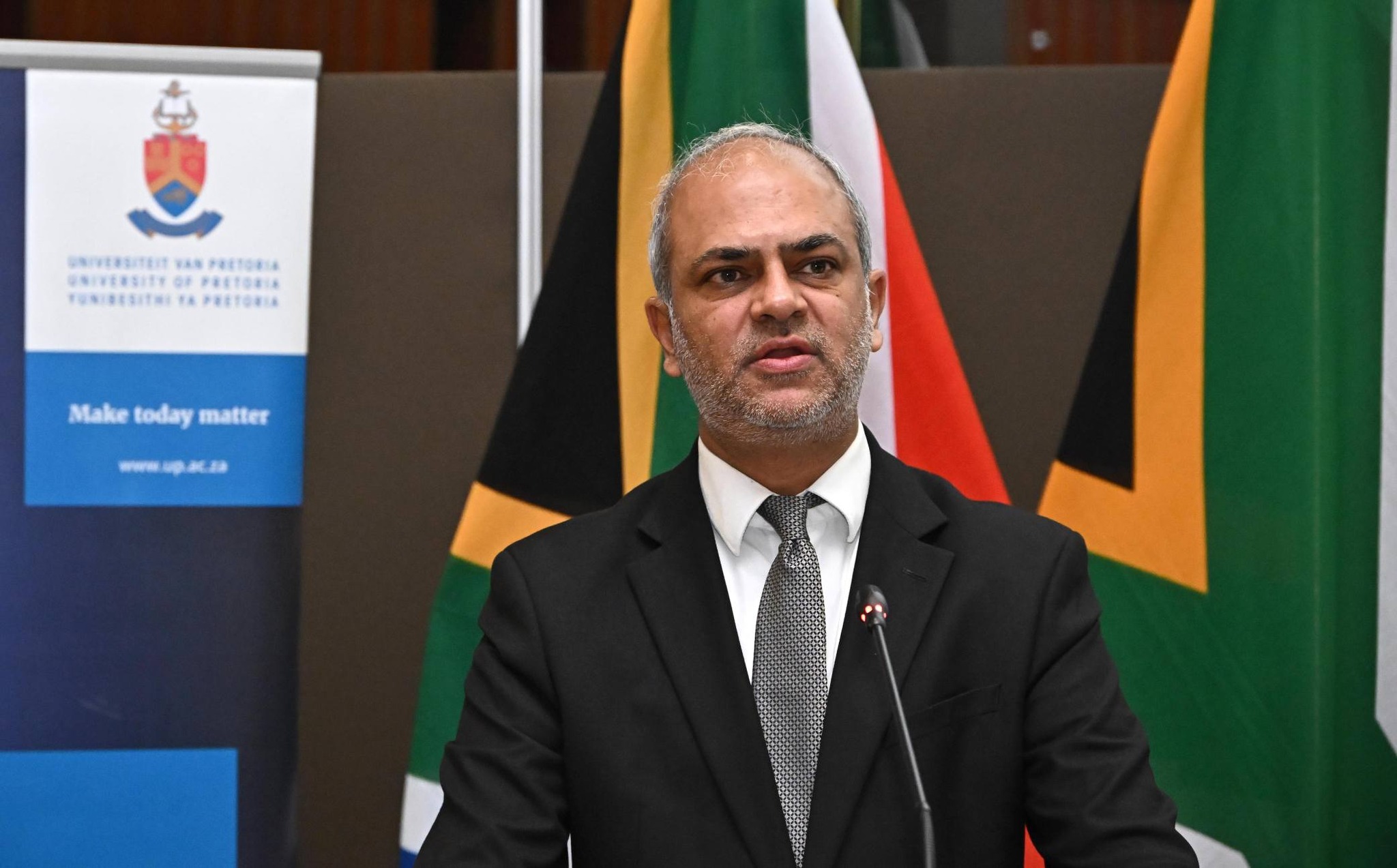
Opening the seminar, Mr. Zahir Laher, standing in for Ambassador Xolisa Mabhongo, reflected on the significance of South Africa hosting the G20 Leaders’ Summit in Johannesburg.
He described the Presidency as a major milestone not only for South Africa, but for the entire African continent and the broader Global South.
Laher noted that South Africa’s Presidency unfolded during a highly fractious geopolitical period marked by ideological shifts, growing pressure on multilateralism, and resistance to progressive global agendas related to climate change, sustainable development, gender equality, debt reform, and global governance transformation.
Despite these challenges, South Africa advanced a Presidency anchored on the themes of solidarity, equality, and sustainability — principles rooted in the African philosophy of Ubuntu.

He emphasized that the Presidency demonstrated Africa’s role not merely as a participant in global governance, but as an active contributor shaping solutions to global challenges.
Sherpa Track Outcomes and African Priorities
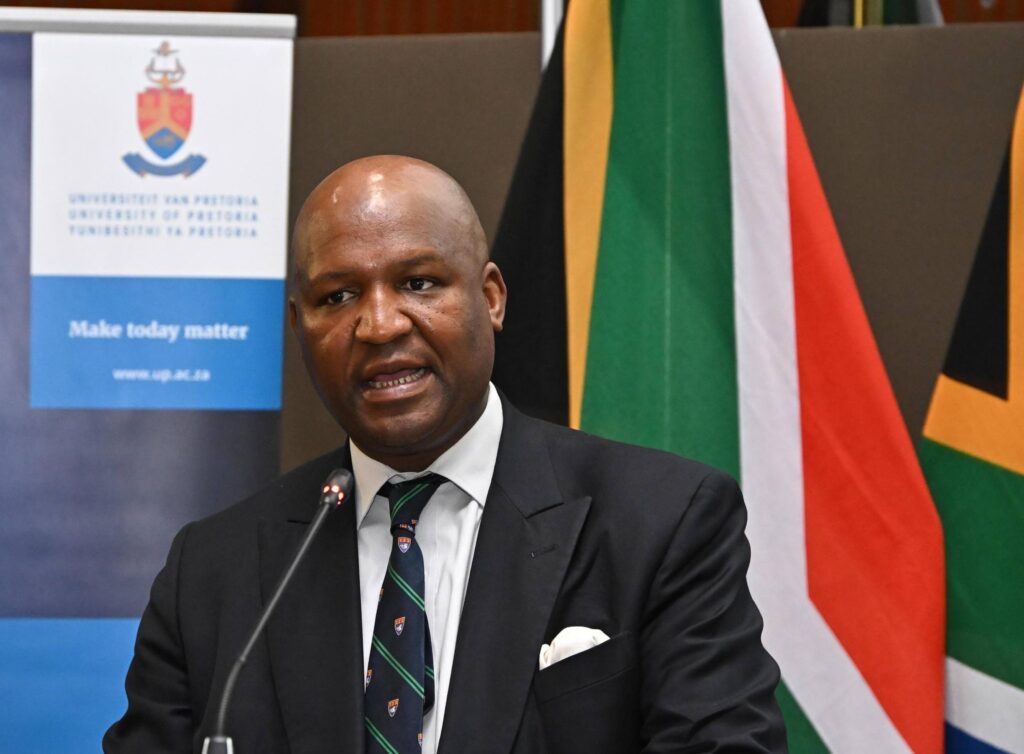
A detailed presentation on the outcomes of the Sherpa Track was delivered by Mr. Masotsha Mnguni.
Mnguni highlighted that South Africa oversaw 15 Sherpa Track working groups while deliberately avoiding the expansion of the G20 bureaucracy through the creation of additional permanent structures.
He explained that South Africa’s Presidency maintained a strong African developmental focus throughout its engagements and policy priorities.
Key African-centred initiatives included:
- The G20 Critical Minerals Framework;
- The Ubuntu Principles on Food Security, Nutrition and Price Volatility;
- The AI for Africa Initiative;
- Sustainable industrial policy frameworks;
- Inclusive economic growth principles;
- Climate resilience and disaster risk reduction measures;
- Debt sustainability initiatives; and
- Frameworks supporting a just energy transition.
Mnguni also outlined the work of the Presidential Task Forces on Inclusive Economic Growth, Food Security, and Artificial Intelligence and Innovation.
Among the landmark achievements was the institutionalisation of the annual AI for Africa Conference following its inaugural gathering in Cape Town, alongside a US$1 billion pledge from the United Arab Emirates in support of the initiative.
He further highlighted the Johannesburg Leaders’ Declaration as the most comprehensive G20 declaration ever adopted on African issues.
Finance Track Focuses on Debt Sustainability and Cost of Capital
Mr. Marlon Geswint delivered a presentation on the Finance Track outcomes.
Geswint explained that South Africa pursued a deliberate strategy of integrating African institutions and voices into global financial governance discussions.
This included bringing the African Development Bank closer into G20 processes and facilitating direct engagement between African countries, international financial institutions, and major global credit rating agencies.
Workshops held in March 2025 and later at the African Development Bank headquarters in Abidjan focused on:
- Debt sustainability;
- The Common Framework for Debt Treatments;
- Macroeconomic vulnerabilities;
- Weak institutional frameworks;
- Regional infrastructure development;
- High borrowing costs; and
- Mobilising private sector financing for African development.
Geswint noted that South Africa achieved significant progress in elevating debt sustainability discussions within the G20, including the publication of factual summaries regarding Common Framework country processes on G20 and Paris Club platforms.
He also revealed that South Africa continues engaging future G20 presidencies, including the HM Treasury, to ensure sustained focus on African developmental priorities and the African Engagement Framework.
Global Inequality and International Cooperation
One of the flagship discussions during the seminar focused on the work of the G20 Extraordinary Committee of Independent Experts on Global Inequality and the proposed International Panel on Inequality (IPI).
South Africa’s G20 Presidency has been working with partners including Norway, Spain, and Brazil to build support for the initiative.
The African Union has already endorsed the initiative and requested the development of a continental framework aimed at reducing inequality, strengthening evidence-based policymaking, and supporting coordinated implementation across African member states.
Inclusivity and Engagement Groups
Session Three of the seminar focused on inclusivity within the G20 process.
Representatives from major G20 engagement groups reflected on their contributions during South Africa’s Presidency, including:
- Business 20 (B20);
- Think Tank 20 (T20); and
- The G20 Social Summit.
The Social Summit was praised for creating space for grassroots organisations and civil society formations to directly contribute to G20 outcomes — a continuation of the participatory approach pioneered during Brazil’s G20 Presidency.

Strengthening Africa’s Coordination Mechanisms
A recurring theme throughout the seminar was the need for stronger implementation and coordination mechanisms.
Participants highlighted recent discussions held during the African Union Summit in Addis Ababa and the G20 retreat in Malabo regarding the establishment of continental structures to coordinate follow-through on G20 commitments affecting Africa.
These mechanisms are expected to improve cooperation between:
- The African Union Commission;
- Regional Economic Communities;
- African governments;
- International organisations; and
- Development finance institutions.
Looking Ahead
The seminar concluded with reflections on sustaining the momentum generated during South Africa’s G20 Presidency and ensuring that commitments translate into measurable developmental outcomes.
Although South Africa was excluded from participation during the 2026 United States Presidency of the G20, officials reaffirmed that the country remains a permanent member of the G20 and intends to continue shaping global governance discussions ahead of its return to full participation in the 2027 cycle.
Participants agreed that South Africa’s Presidency succeeded in placing African priorities firmly on the international agenda and created a lasting platform for future African engagement in global economic governance.
The event closed with a renewed commitment to advancing solidarity, equality, sustainability, and inclusive development through stronger multilateral cooperation and African-led global partnerships.