Celebrating the Global Importance of the Portuguese Language
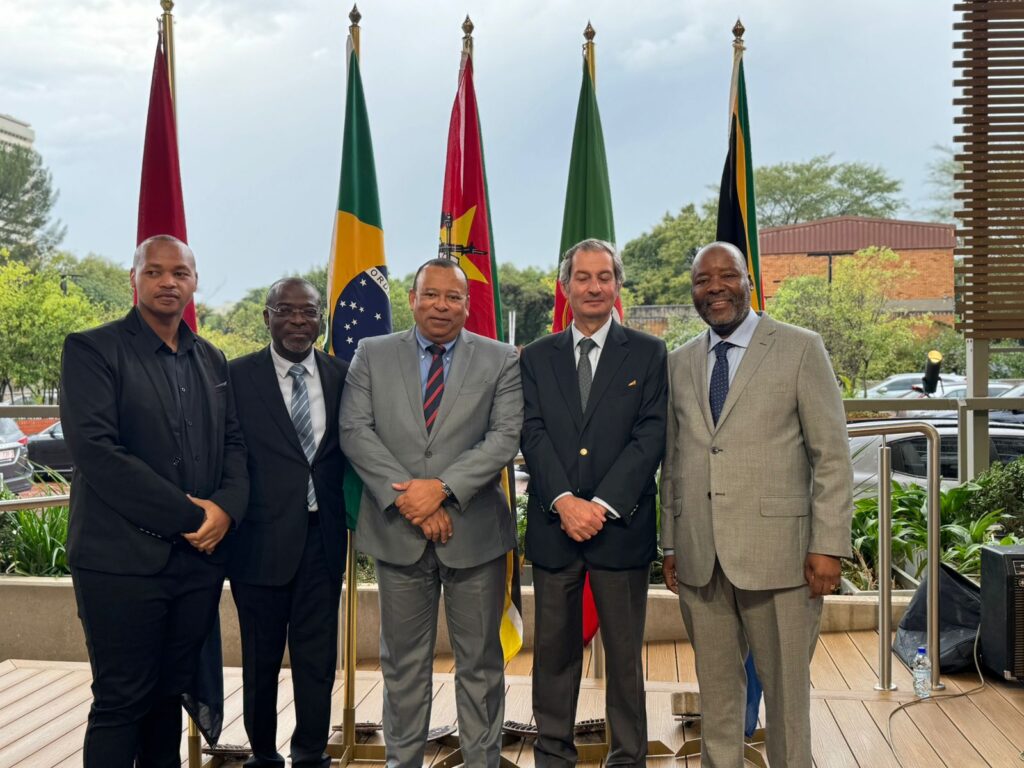
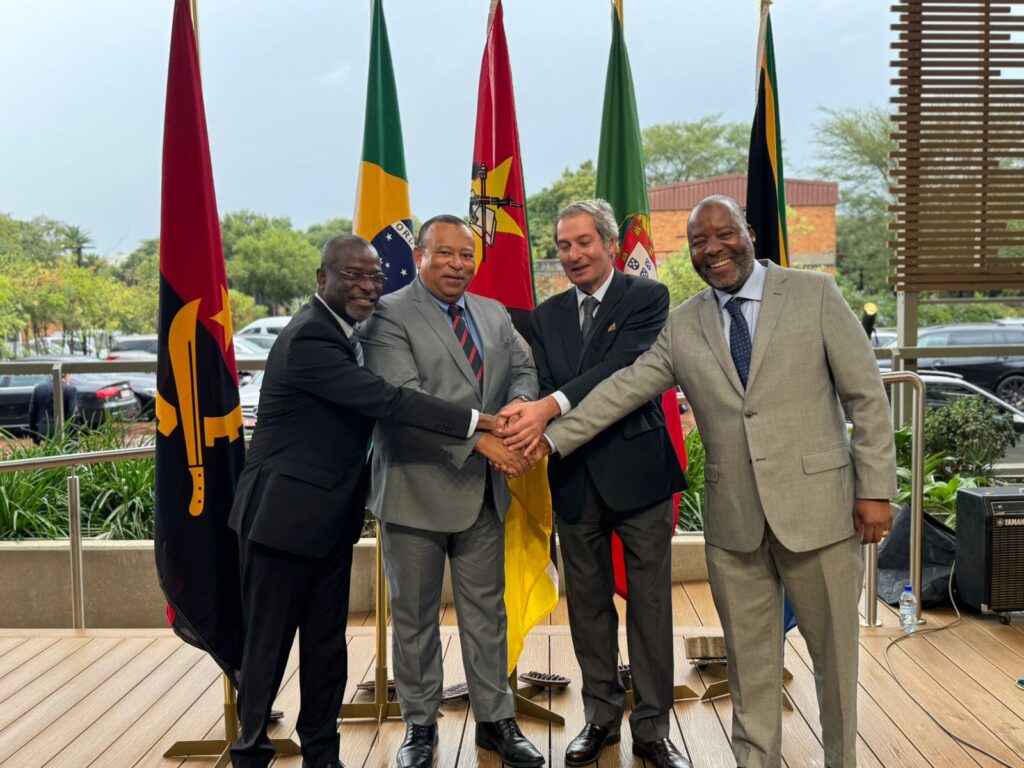
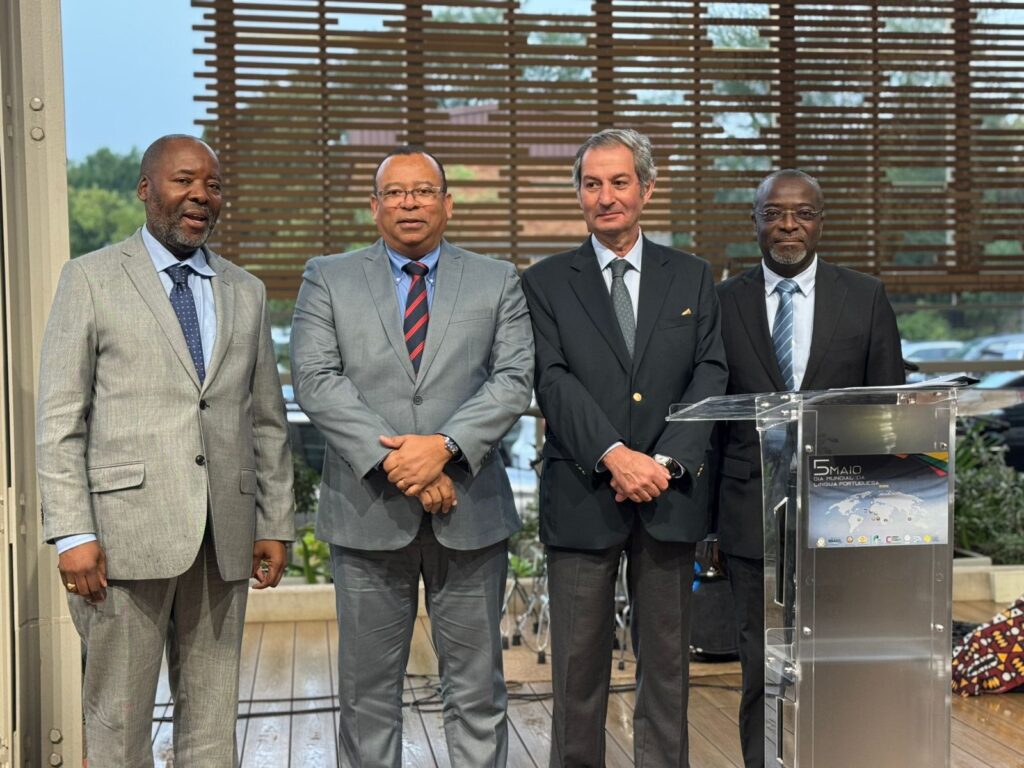
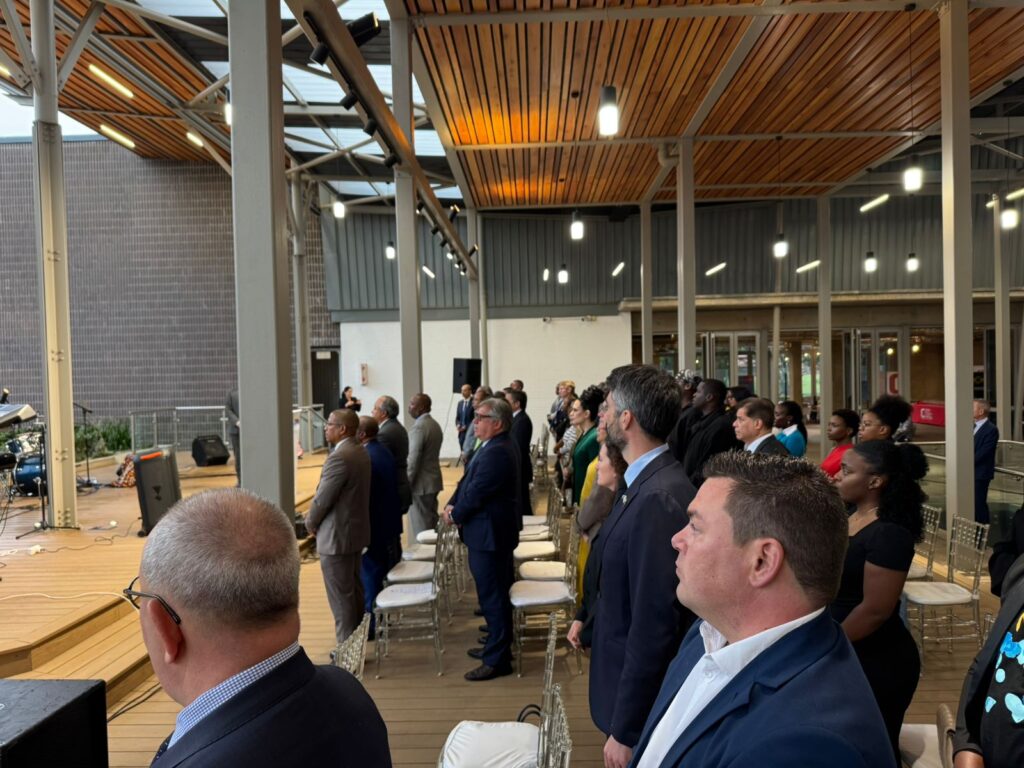
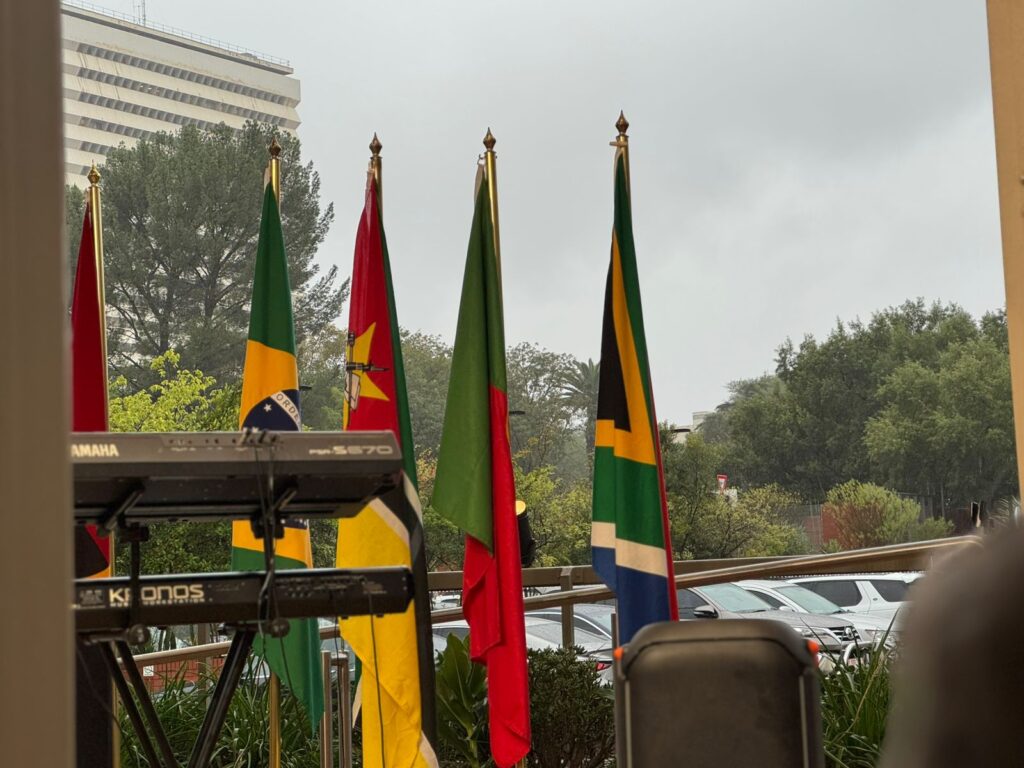
Pretoria, South Africa – Diplomats, government representatives, academics, business leaders and invited guests gathered at Javett-UP in Pretoria on 5 May 2026 for the celebration of World Portuguese Language Day, hosted jointly by the Embassies of Angola, Brazil and Portugal together with the Mozambique High Commission in South Africa.
The celebration highlighted the global importance of the Portuguese language and reinforced the growing cultural and diplomatic relations between South Africa and Lusophone nations.
World Portuguese Language Day, officially recognised by UNESCO and commemorated annually on 5 May, celebrates the Portuguese language as one of the most widely spoken languages in the world. Spoken by more than 260 million people across several continents, Portuguese continues to serve as an important language of diplomacy, trade, education, literature and cultural exchange.
The day also recognises the shared heritage, history and cultural diversity of Portuguese-speaking nations, including Angola, Brazil, Mozambique, Portugal, Cape Verde, Guinea-Bissau, São Tomé and Príncipe, Timor-Leste and Equatorial Guinea.
Formal Opening of the Celebration
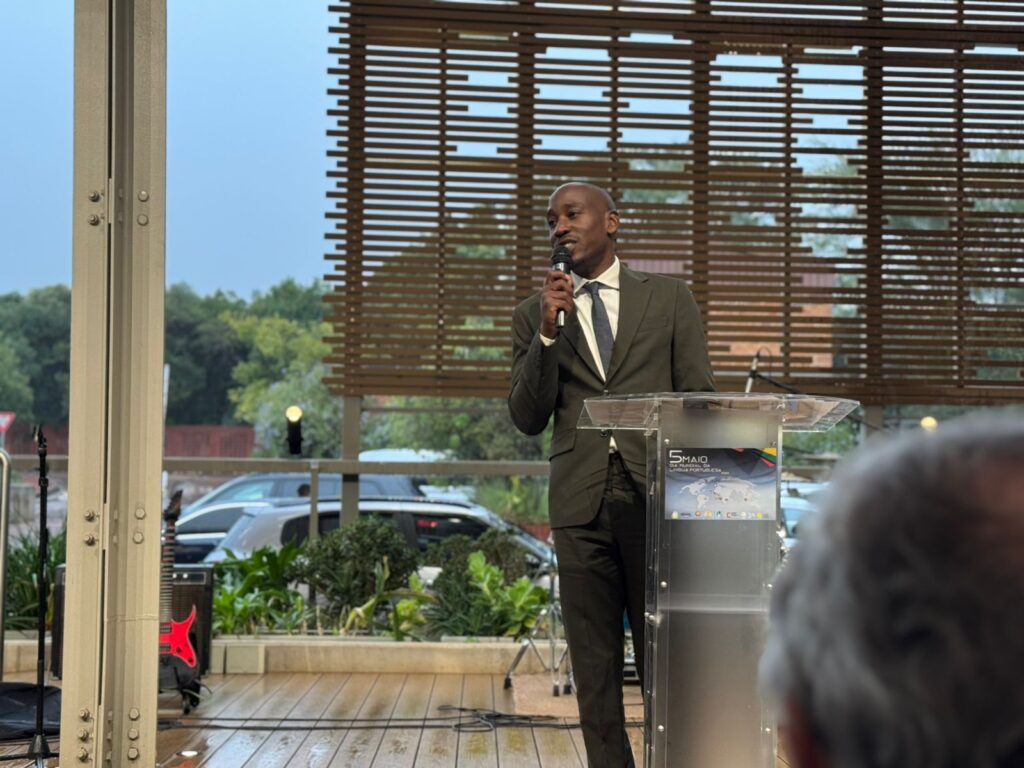
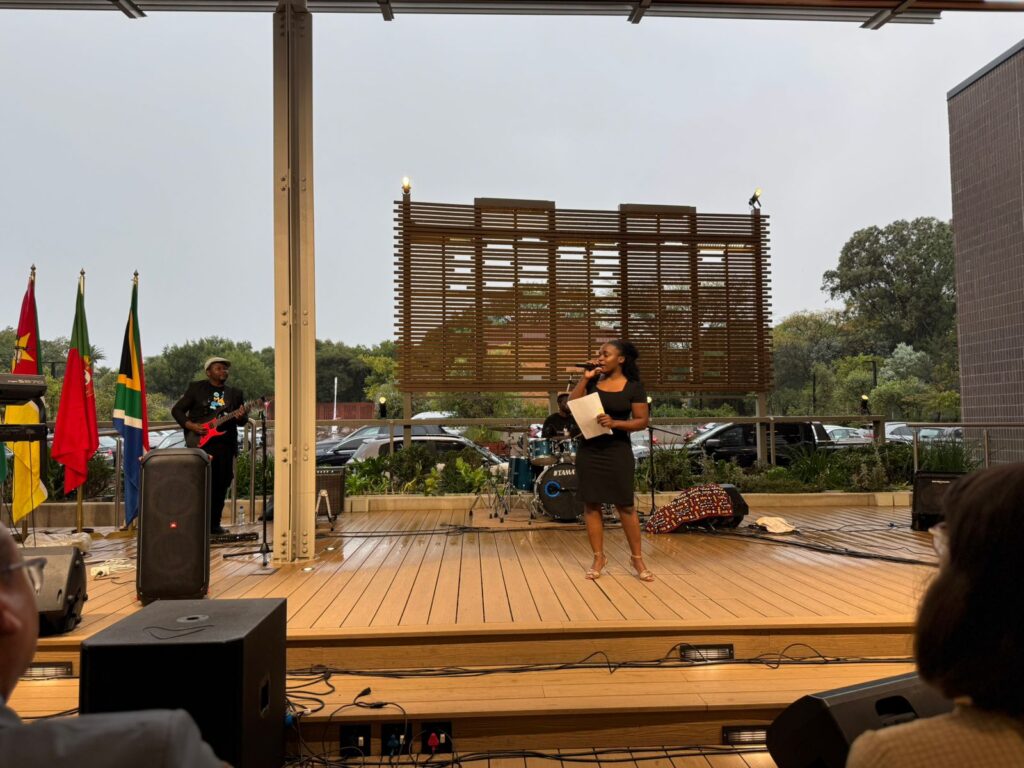
The programme commenced with opening remarks by the Programme Director, who welcomed guests and reflected on the importance of cultural diplomacy and multilingualism in strengthening international cooperation and international understanding.
The formal proceedings brought together members of the diplomatic corps, government institutions, academia, business representatives and cultural stakeholders for an afternoon dedicated to celebrating language, diplomacy and cultural exchange.

Remarks by Lusophone Diplomatic Representatives
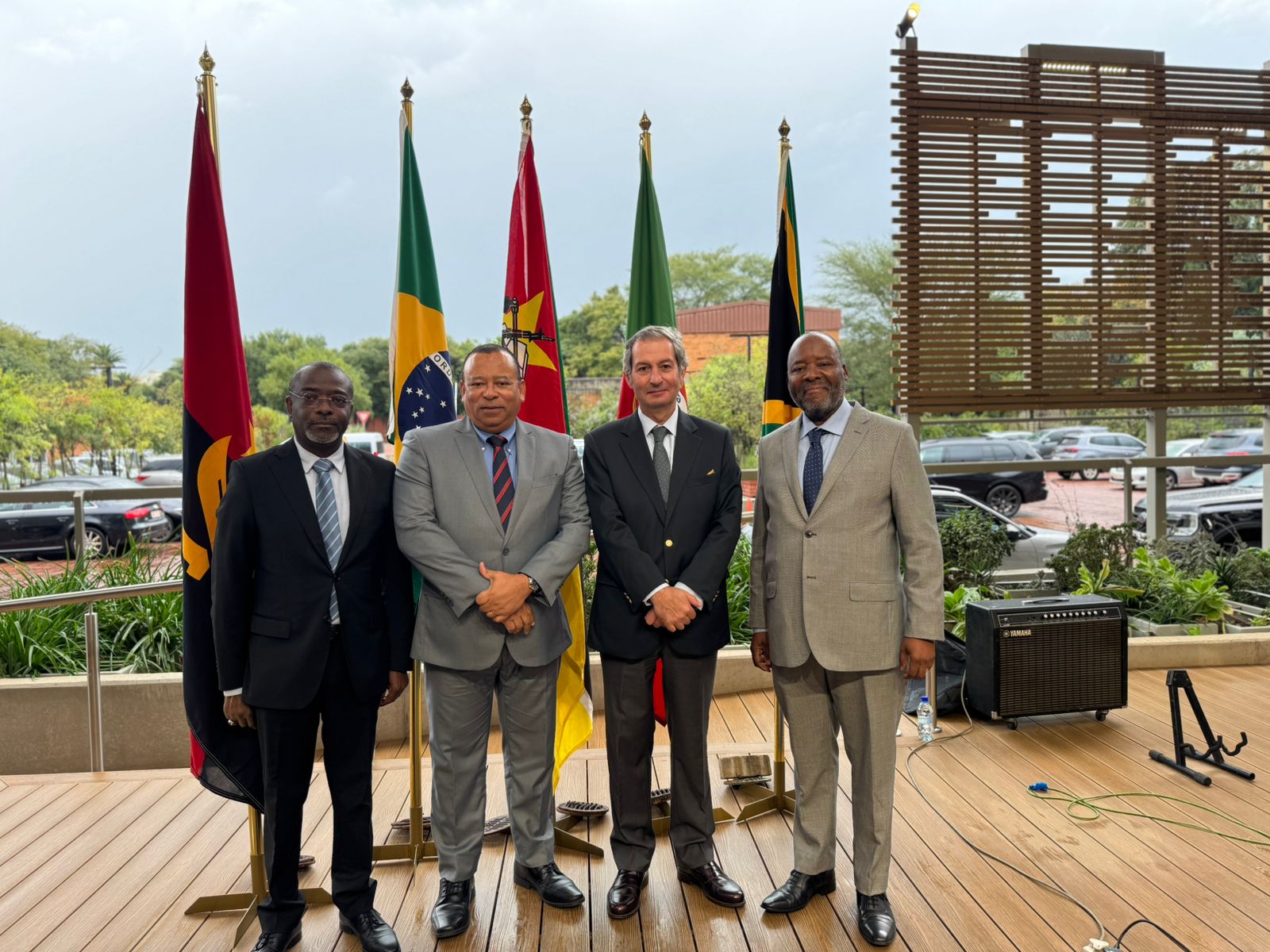
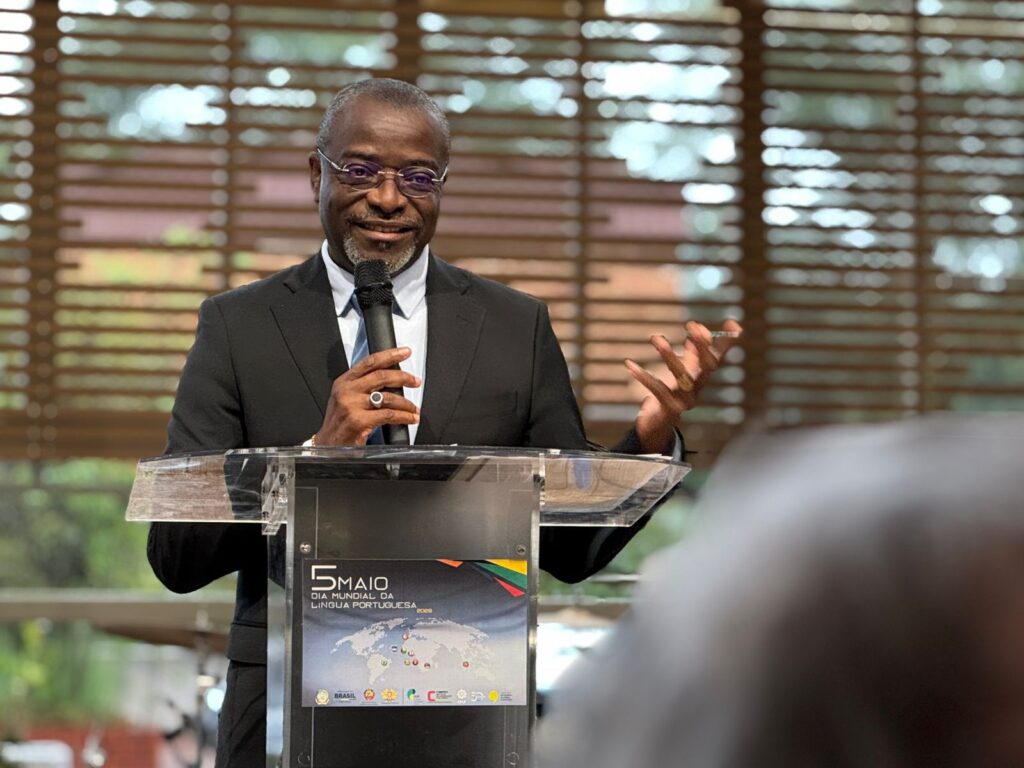
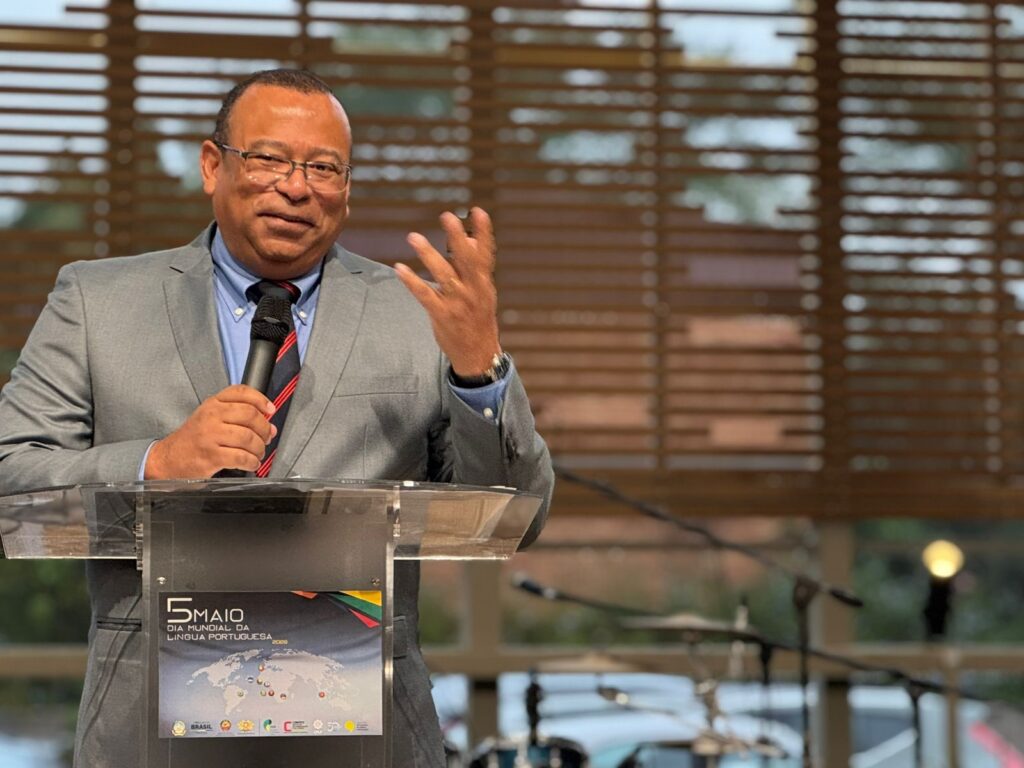
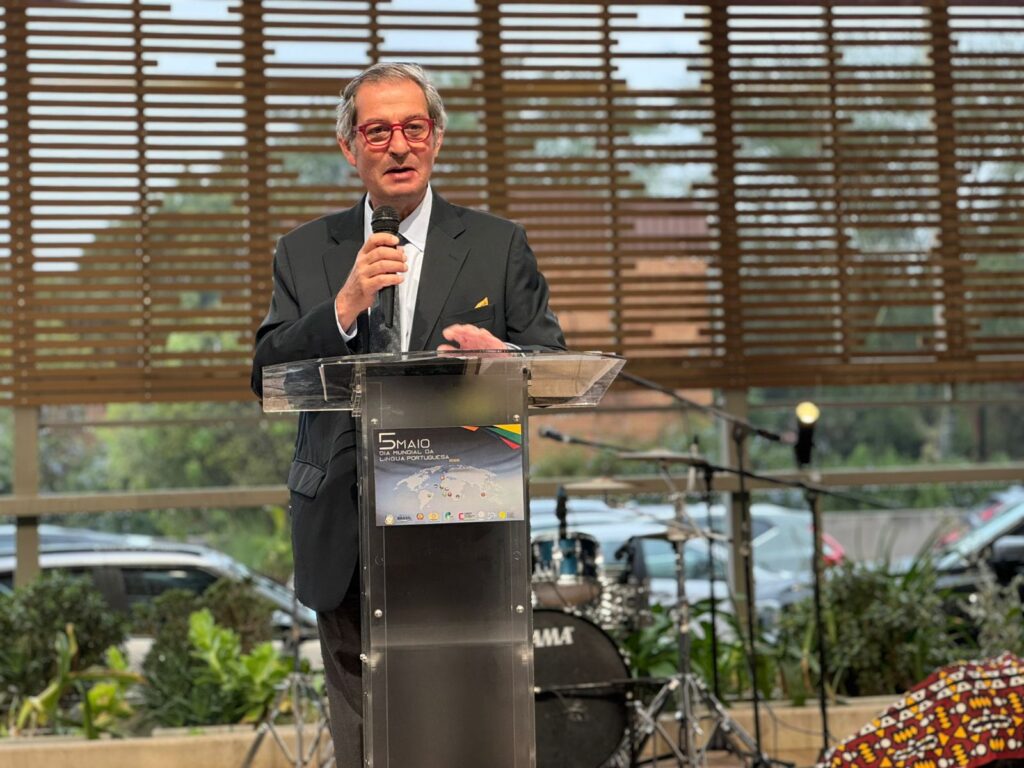
The formal diplomatic programme featured remarks by representatives from Angola, Brazil, Mozambique and Portugal, each highlighting the significance of the Portuguese language and the importance of cooperation among Lusophone nations.
- Ambassador of Angola- His Excellency Mr. João Baptista Domingos Quiosa
The Ambassador of Angola delivered the first keynote address, focusing on the historical and cultural significance of the Portuguese language within Africa and the wider Lusophone community. The Ambassador described Portuguese as more than simply a language of communication, noting that it serves as a bridge connecting people, cultures and nations across continents. The remarks also emphasised Angola’s commitment to strengthening cooperation in education, trade, diplomacy and cultural exchange among Portuguese-speaking countries. - Ambassador of Brazil- His Excellency Mr. Benedicto Fonseca Filho
The Ambassador of Brazil spoke on the growing global influence of Portuguese-speaking countries and the important role of cultural diplomacy in strengthening international relations. The Ambassador highlighted the contribution of Lusophone nations to global economic, cultural and political affairs, while also emphasising the importance of educational exchange, tourism and people-to-people engagement between Brazil, Africa and the wider international community. - Counsellor of the Mozambique High Commission
Representing Mozambique, the Counsellor reflected on the importance of regional integration, African solidarity and linguistic heritage. The remarks focused on the role of language in promoting unity, development and international cooperation among Lusophone countries. The Counsellor also reaffirmed Mozambique’s commitment to strengthening cultural and diplomatic relations across the African continent and the broader Portuguese-speaking world. - Ambassador of Portugal- His Excellency Mr. Carlos Costa Neves
The Ambassador of Portugal addressed guests on the significance of Portuguese as a global language of communication, diplomacy and cultural identity. The Ambassador reflected on the shared heritage of Lusophone countries and reaffirmed Portugal’s commitment to strengthening partnerships with African nations and the wider Portuguese-speaking community. The remarks also highlighted the role of cultural diplomacy in promoting mutual understanding and international cooperation.
Music, Culture and Culinary Exchange
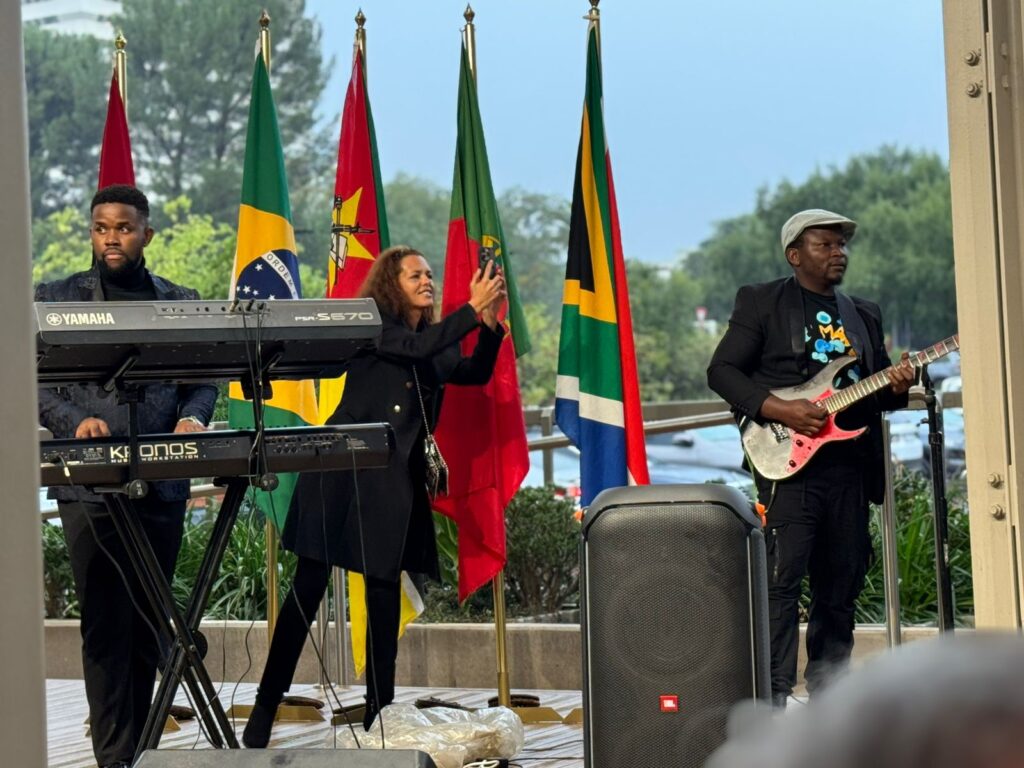
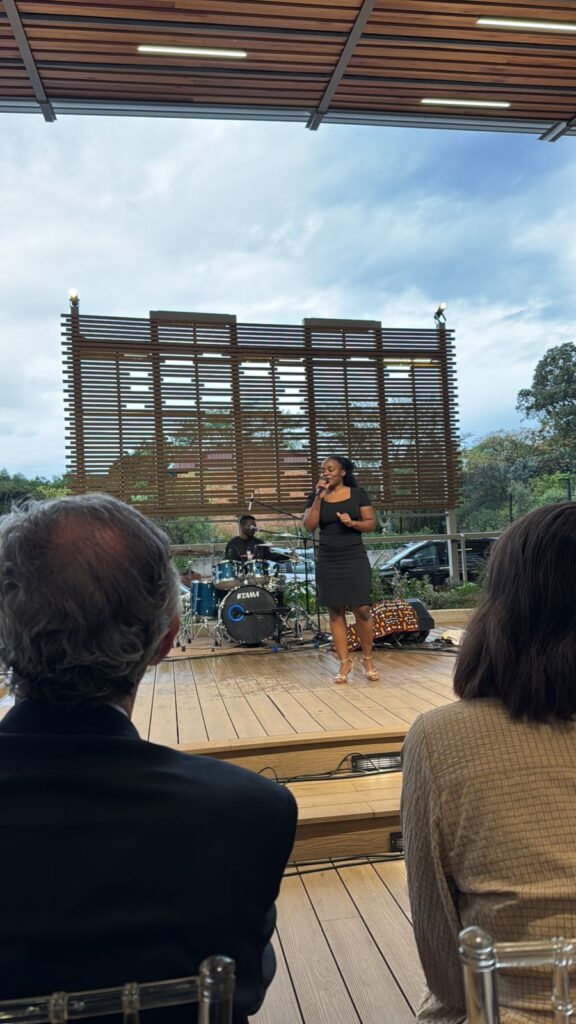
Following the formal programme, guests were treated to a live Portuguese musical performance by a band, creating a vibrant cultural atmosphere and showcasing the richness of Lusophone music and artistic expression.
The celebration then transitioned into an exhibition and networking engagement where guests interacted with various country stalls representing participating Lusophone nations.
The stalls featured traditional foods, cultural displays and informational exhibitions showcasing the diversity and heritage of Portuguese-speaking countries. Guests had the opportunity to experience different cuisines, engage with cultural representatives and strengthen professional and diplomatic networks in an informal setting.
The exhibition added a strong people-to-people dimension to the celebration, reinforcing the importance of cultural diplomacy in strengthening international relations and intercultural understanding.
Strengthening Diplomatic and Cultural Relations
The successful celebration of World Portuguese Language Day in Pretoria once again demonstrated the enduring diplomatic, cultural and historical ties between South Africa and Portuguese-speaking nations.
Beyond celebrating language, the event served as an important platform for strengthening international cooperation, promoting intercultural dialogue and deepening engagement between governments, diplomatic missions and communities.
As Lusophone nations continue to expand their influence globally, events such as these remain important in advancing unity, cultural understanding and global partnership through the shared power of language.