Understanding South Africa’s Diplomatic Landscape
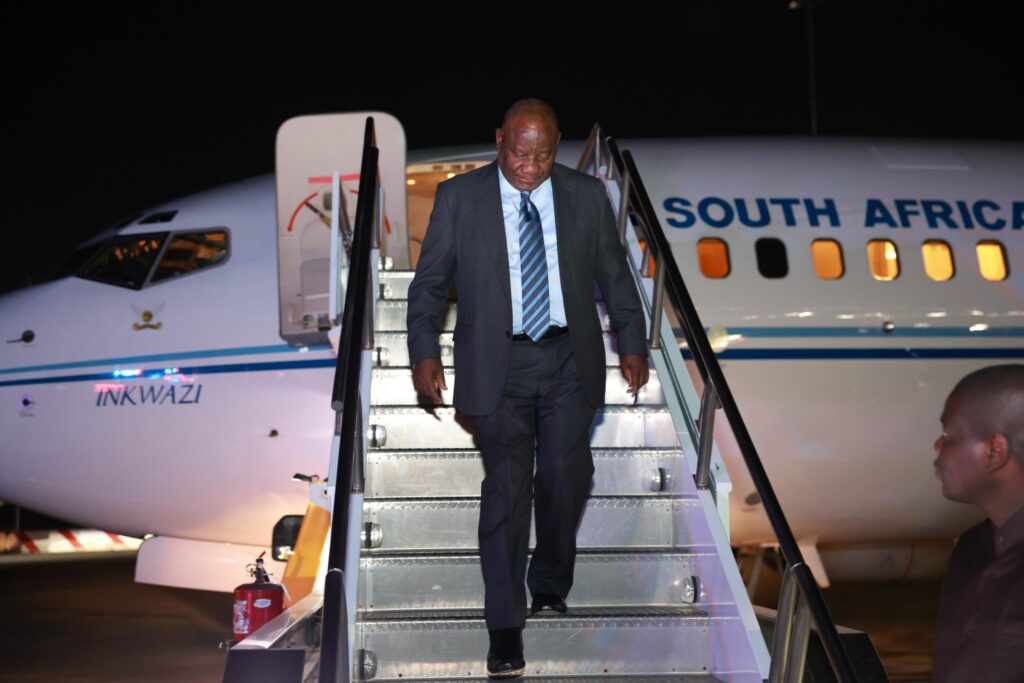
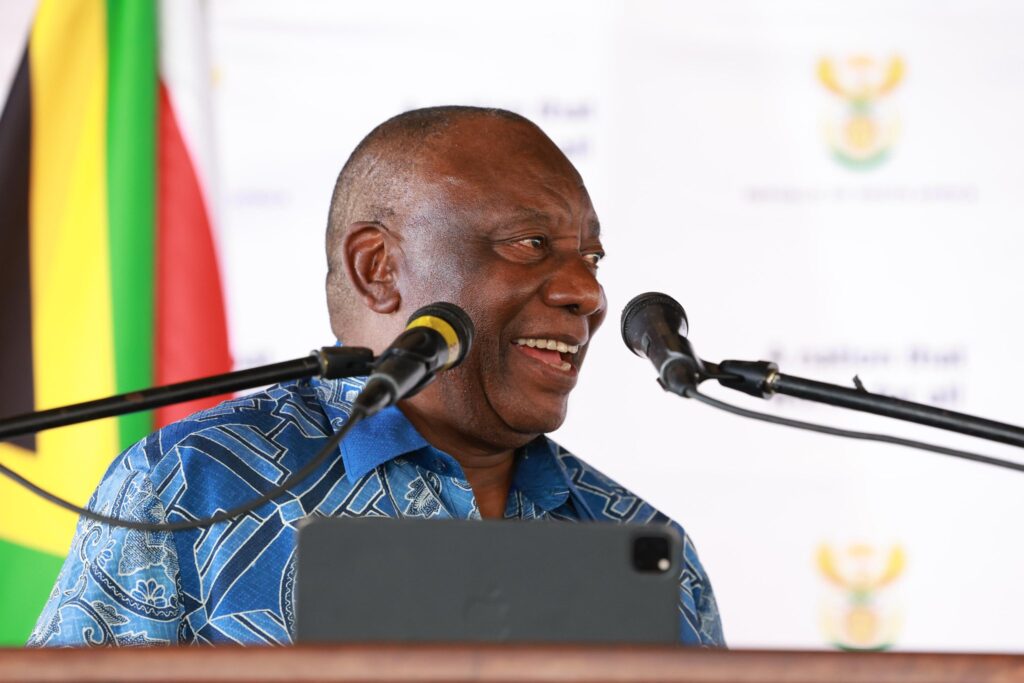
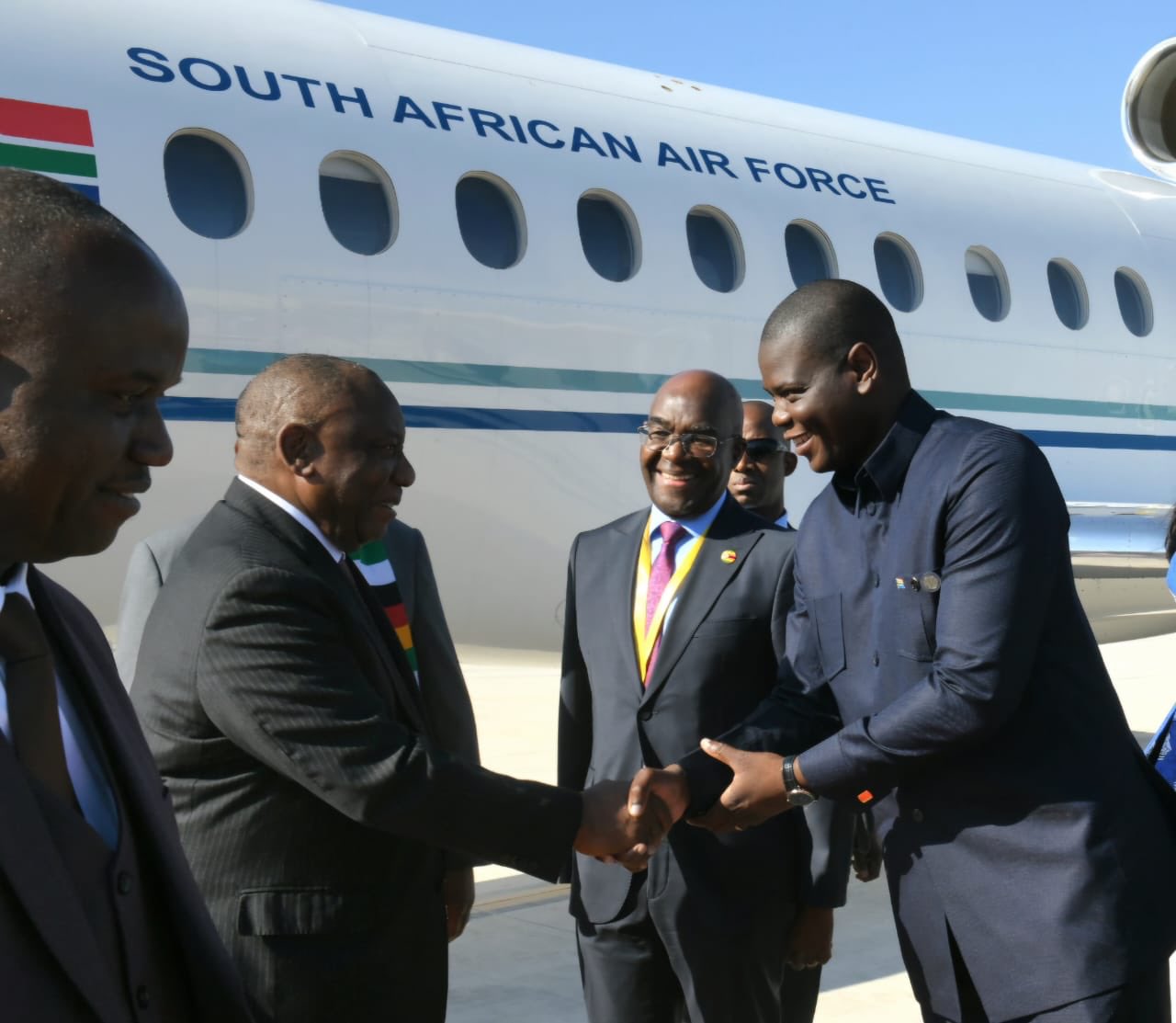
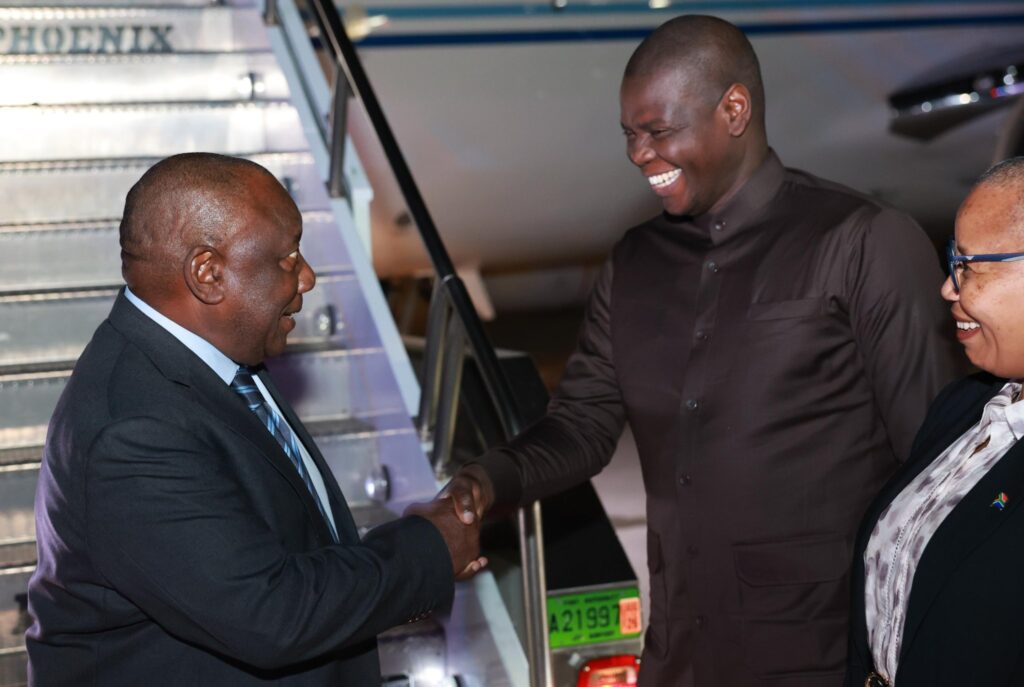
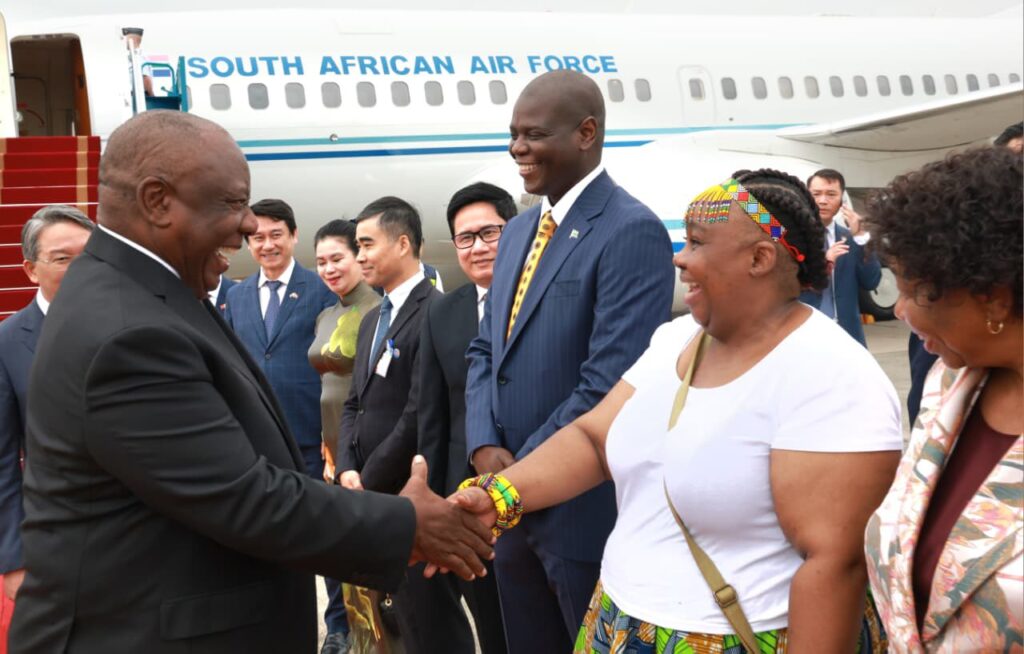
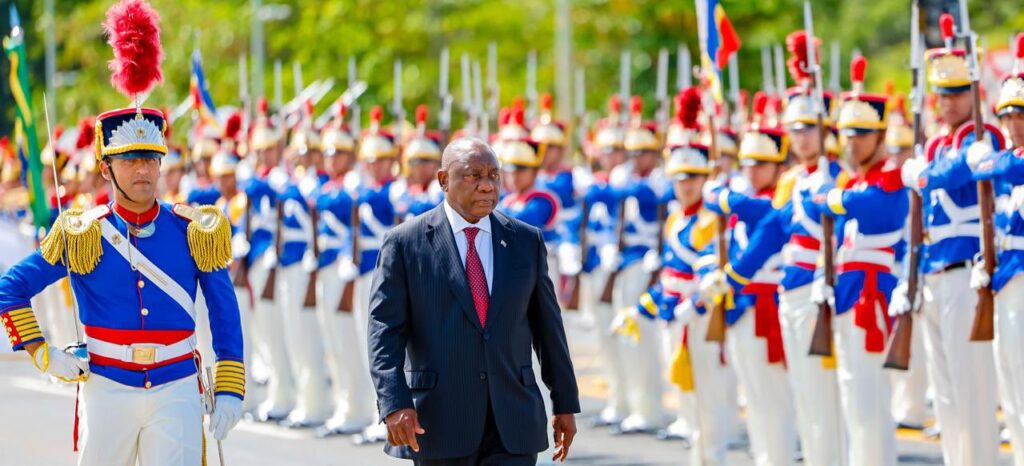
South Africa remains one of Africa’s most influential diplomatic players in 2026. Known for its commitment to multilateralism, peacebuilding, and economic cooperation, the country continues to position itself as a bridge between the Global South and the wider international community.
Through the Department of International Relations and Cooperation (DIRCO), South Africa manages its foreign policy, diplomatic missions, and international partnerships. The country maintains strong ties across Africa, BRICS nations, and global institutions such as the United Nations and the African Union.
Key Pillars of South African Diplomacy
1. Pan-Africanism and Regional Leadership
South Africa continues to play a leading role on the continent, advocating for peace, development, and integration. Its involvement in regional structures like the Southern African Development Community (SADC) reinforces its commitment to stability and economic growth in Southern Africa.
2. Multilateral Engagement
South Africa prioritizes collaboration through global platforms. As a member of BRICS, the country works alongside emerging economies to reshape global governance and promote equitable development.
3. Economic Diplomacy
In 2026, economic diplomacy is central to South Africa’s foreign policy. The government actively seeks foreign investment, promotes exports, and strengthens trade relations, particularly through the African Continental Free Trade Area (AfCFTA).
4. Peace and Conflict Resolution
South Africa remains a respected mediator in conflict resolution across Africa. Its diplomatic missions often support peacekeeping efforts and negotiations in conflict-affected regions.
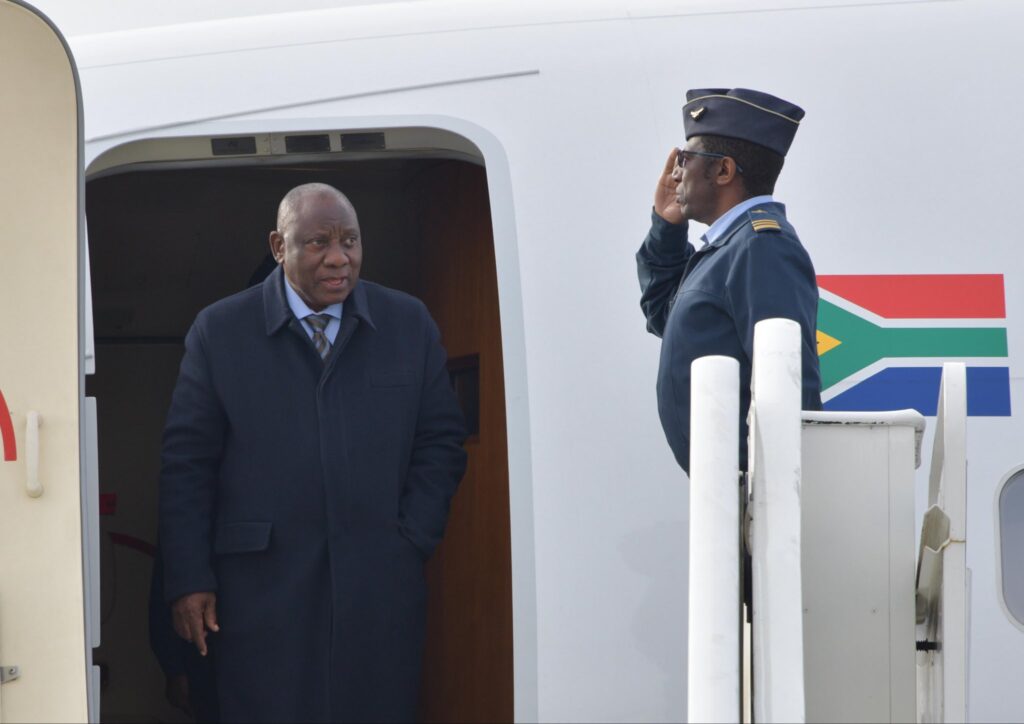
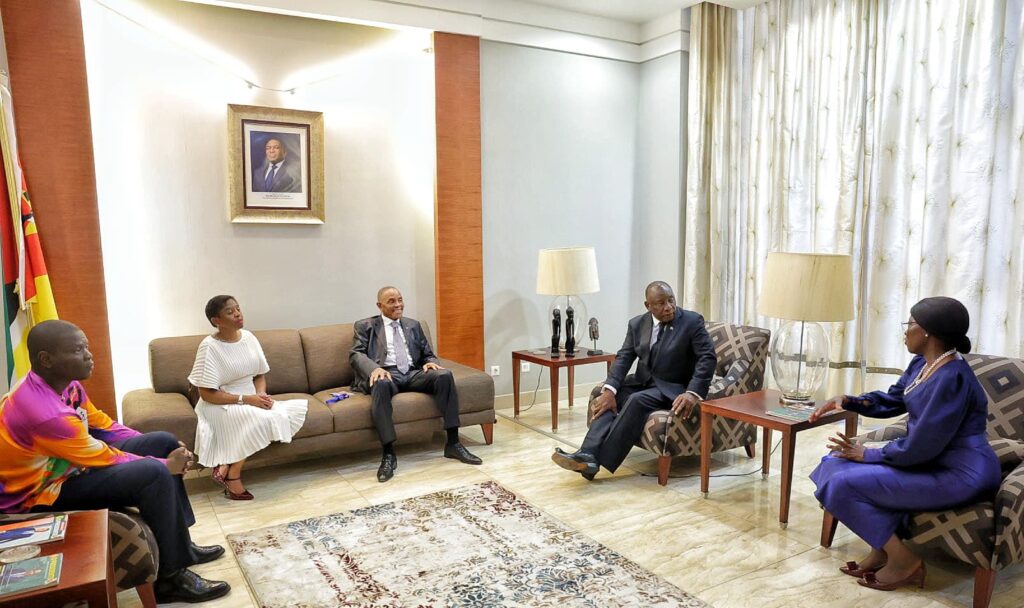
Diplomatic Missions in South Africa
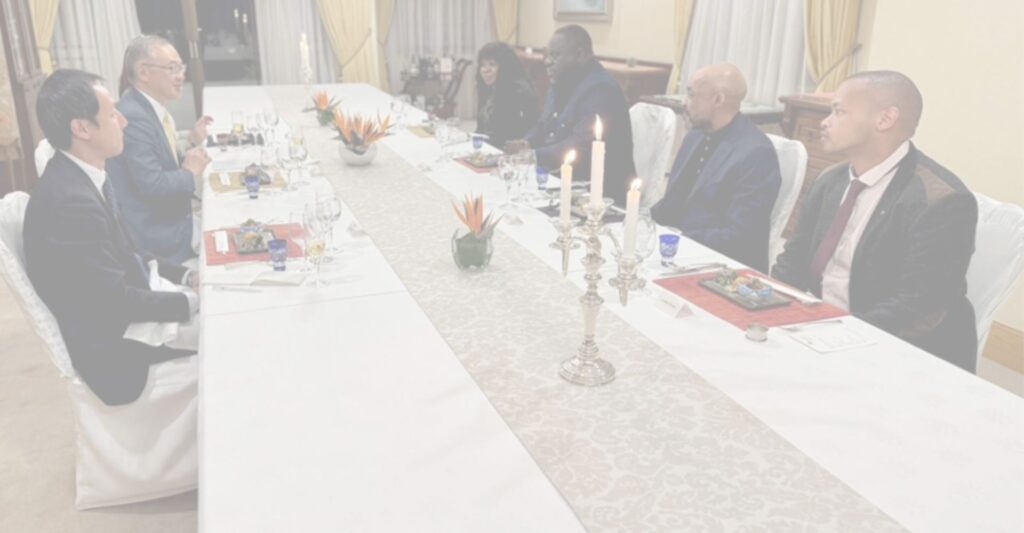
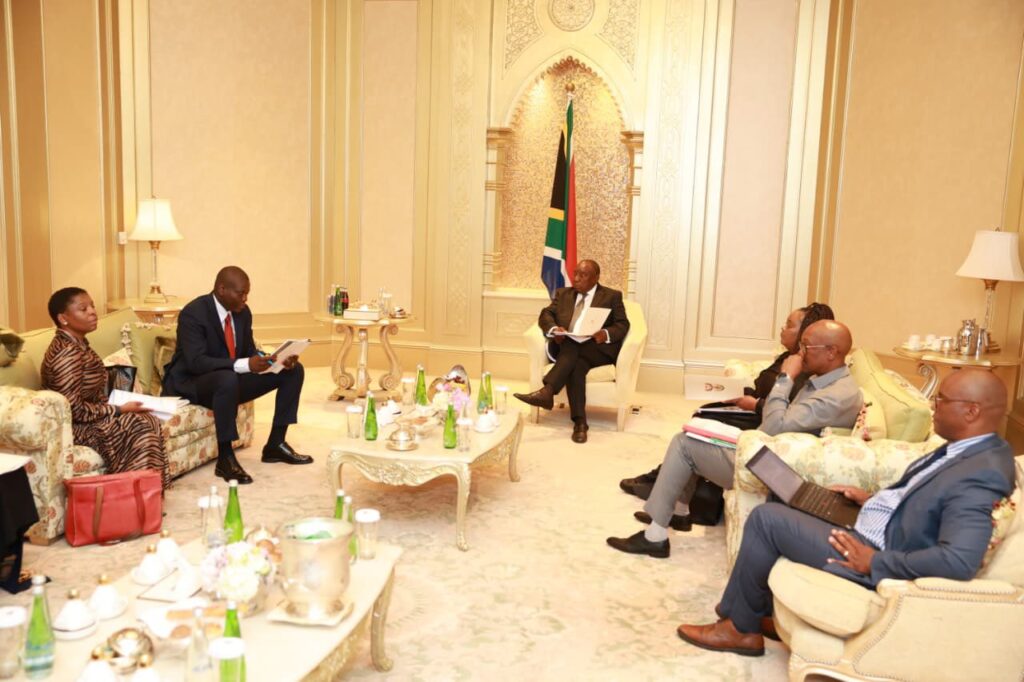
South Africa hosts over 130 foreign embassies and high commissions, primarily located in Pretoria, the administrative capital. Consulates are also found in major cities such as Cape Town and Johannesburg.
These missions play a crucial role in:
- Assisting citizens abroad
- Promoting trade and investment
- Facilitating cultural exchange
- Supporting visa and immigration services
Careers in Diplomacy in South Africa
A career in diplomacy offers opportunities to represent the country on a global stage. Aspiring diplomats typically pursue studies in international relations, political science, law, or economics.
DIRCO runs structured training programmes, including the Diplomatic Academy, which prepares candidates for foreign service. Skills essential for success include:
- Strong communication and negotiation abilities
- Cultural awareness
- Analytical thinking
- Language proficiency
Challenges and Opportunities in 2026
South African diplomacy faces evolving global challenges, including geopolitical tensions, climate change, and economic inequality. However, these challenges also present opportunities for leadership.
South Africa’s role in climate diplomacy, digital governance, and South-South cooperation continues to expand, positioning the country as a key voice in shaping the future of global relations.
Why Diplomacy Matters More Than Ever
In an interconnected world, diplomacy is essential for maintaining peace, fostering development, and addressing global crises. South Africa’s diplomatic efforts not only influence the continent but also contribute to shaping global policy and cooperation.