Haiti’s Fritay Tradition Comes to the Diplomatic Table
Diplomacy is often associated with formal meetings, official receptions and negotiations. But on this occasion, the language of diplomacy was spoken through food.
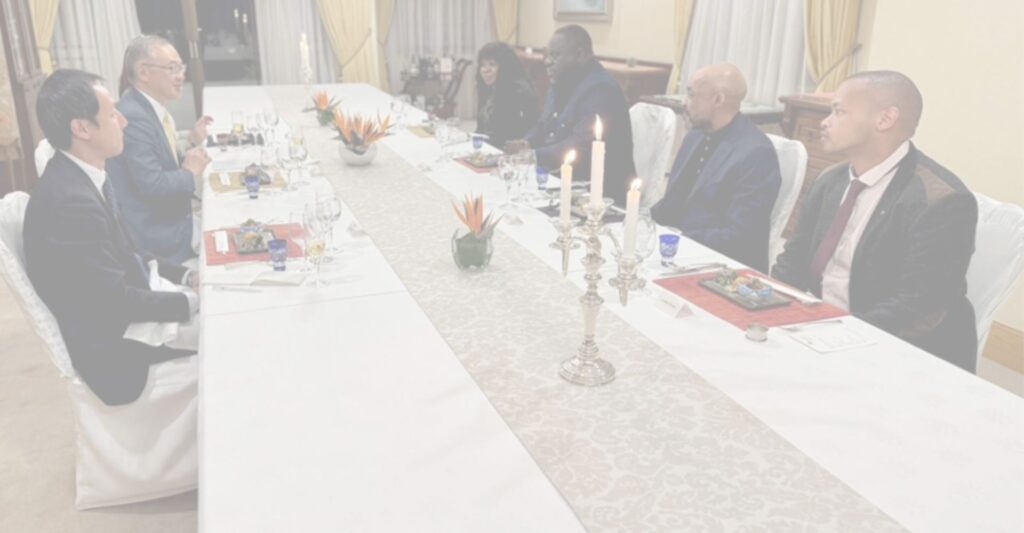
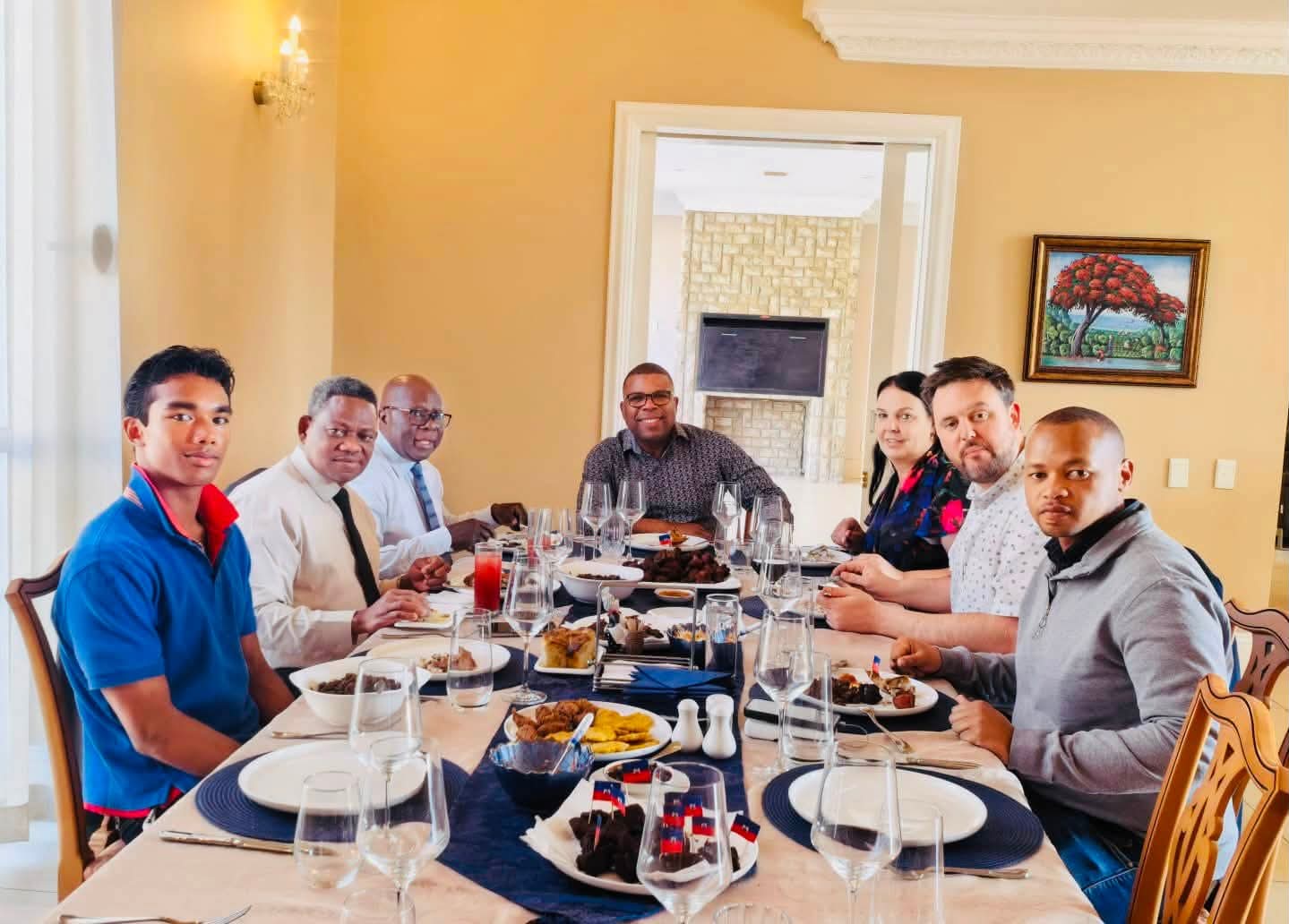
H.E. Jean Robert Pillard, Ambassador Extraordinary and Plenipotentiary of Haiti to South Africa, hosted a culinary experience introducing guests to the flavours, techniques and traditions of Haitian street food.
The experience centred on fritay, a Haitian culinary tradition built around an assortment of fried foods. Fritay is closely associated with Haitian street-food culture and can include fried meats, plantains, fritters and other savoury dishes, often accompanied by pikliz and other Haitian flavours.
For Ambassador Pillard, however, the experience was about more than simply serving food. It was an opportunity to bring people closer to Haiti by allowing them to experience an important part of Haitian culture first-hand.
“Today is Fritay”
Introducing the experience, Ambassador Pillard described the occasion simply: “Today is fritay.”
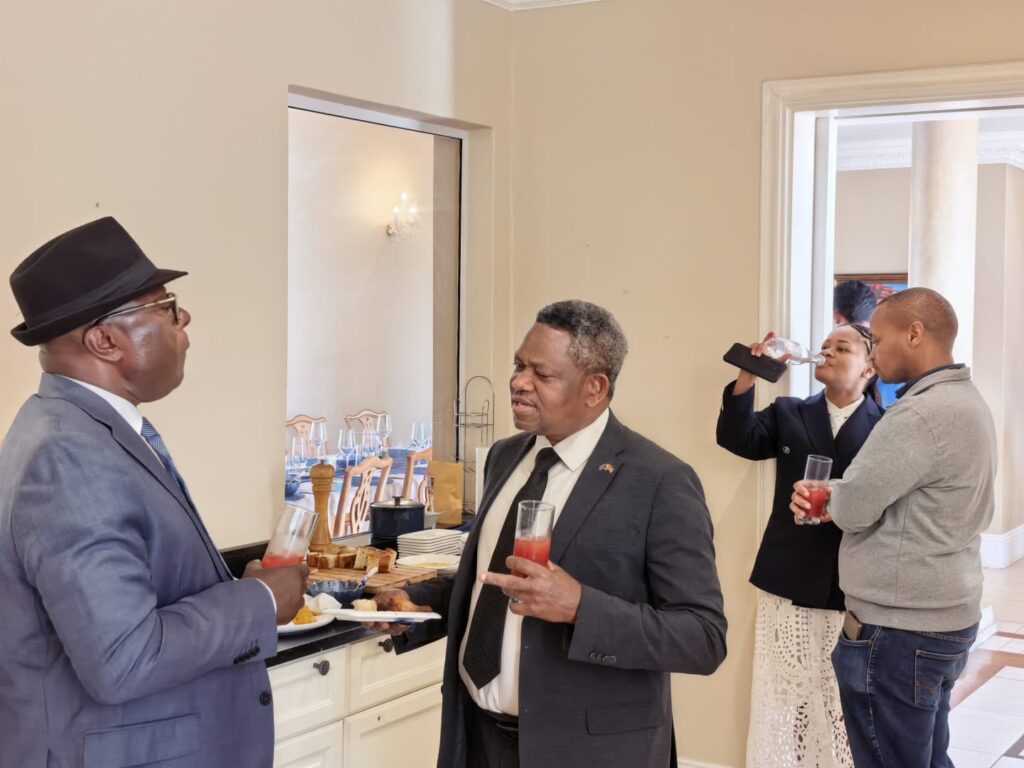
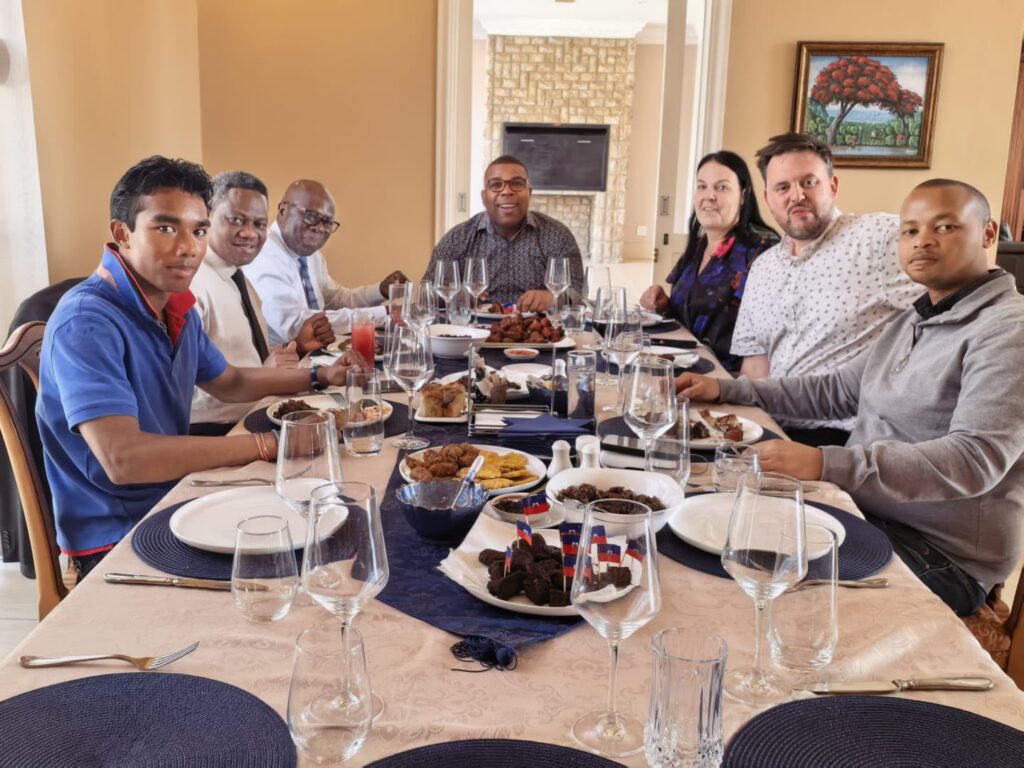
The meal was designed as a relaxed street-food experience, with guests encouraged to eat with their hands, taste different dishes and immerse themselves in Haitian cuisine.
Rather than presenting a conventional multi-course diplomatic meal, the Ambassador prepared a selection of dishes and allowed the food itself to tell the story.
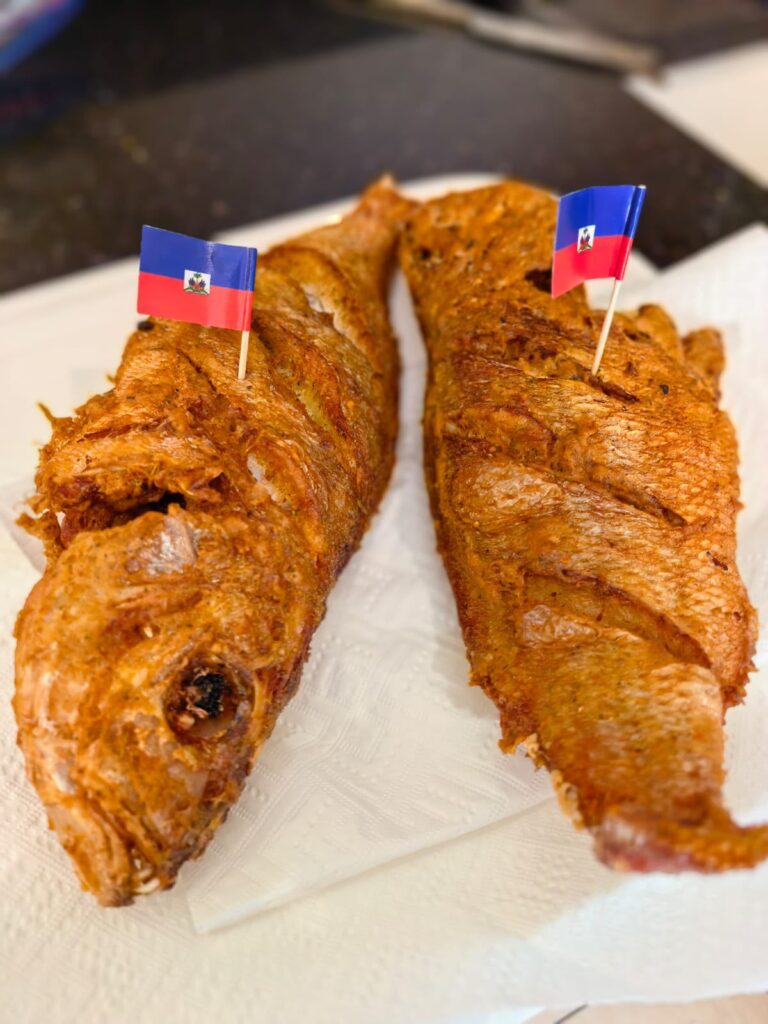
The menu included akra, bannann peze, Haitian black rice known as diri djon djon, fried fish, chicken and pork, alongside other accompaniments and drinks.
Akra: Haitian Malanga Fritters
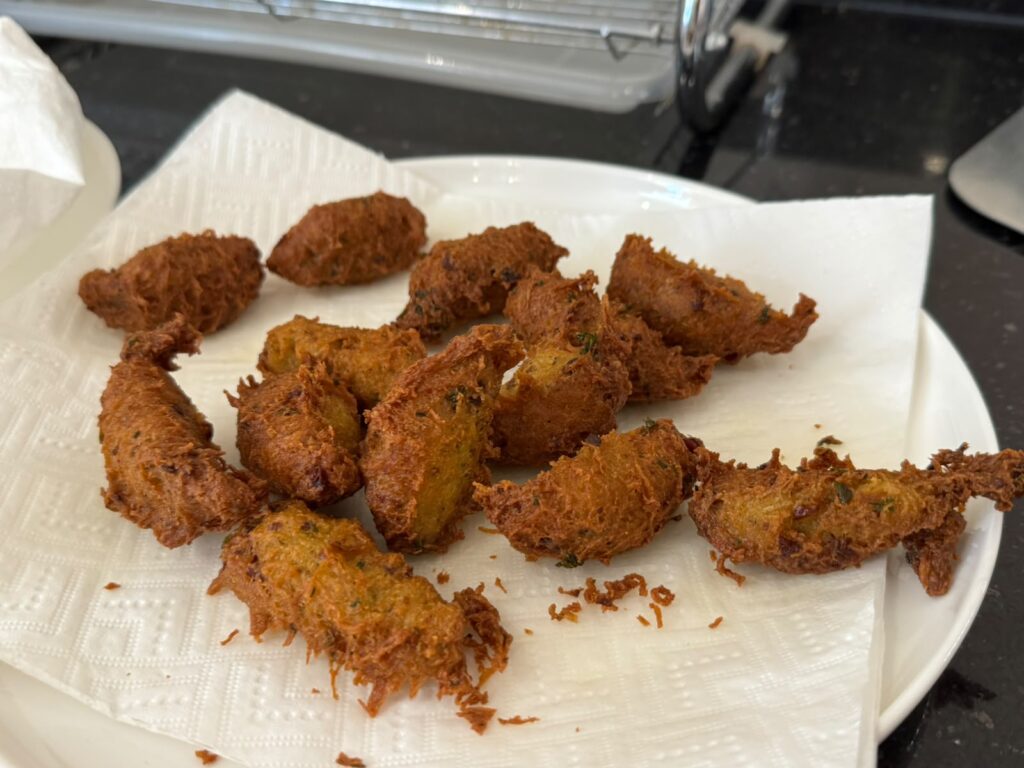
One of the first dishes introduced was akra, a popular Haitian fritter made primarily from malanga, also known as taro in many parts of the world.
The grated malanga is seasoned before being formed and fried, producing a crisp exterior with a softer interior. Sources on Haitian cuisine identify akra as one of the country’s characteristic fried foods and a familiar component of fritay.
During the demonstration, Ambassador Pillard also incorporated smoked herring into the preparation, adding another layer of Haitian flavour to the fritter experience.
Smoked herring itself is another recognised ingredient in Haitian cuisine and is commonly prepared as chiktay hareng, a seasoned smoked-herring preparation.
Bannann Peze: Fried Green Plantain
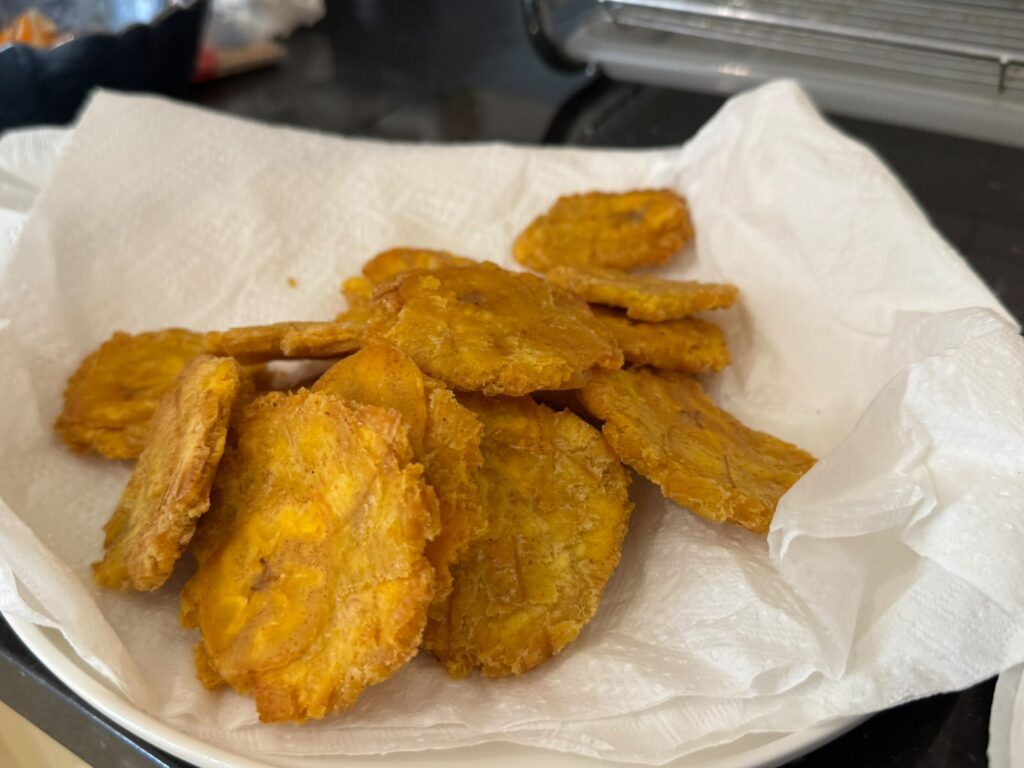
Another central part of the fritay experience was bannann peze, Haitian fried green plantain.
Ambassador Pillard explained the preparation process, demonstrating how the plantain is initially fried, then flattened before being fried again.
He also showed how he seasons the plantain using salt water before returning it to the heat.
Bannann peze is a staple accompaniment to Haitian fried foods and is frequently served alongside dishes such as griot and other fritay selections.
The process demonstrates how relatively simple ingredients can be transformed through technique into one of Haiti’s best-known side dishes.
Diri Djon Djon: Haiti’s Distinctive Black Rice
The culinary demonstration also featured diri djon djon, one of the most distinctive dishes in Haitian cuisine.
Diri djon djon is rice prepared using djon-djon, a type of dried Haitian mushroom that gives the rice its characteristic dark appearance and earthy flavour. Haitian food references identify it as a traditional rice dish and an important component of Haitian cuisine.
For guests experiencing Haitian cuisine for the first time, the dark-coloured rice offered a striking introduction to the depth and diversity of Haiti’s culinary traditions.
Fried Fish, Chicken and Pork
The fritay experience continued with a selection of fried meats and seafood.
Ambassador Pillard prepared fried fish, while also preparing chicken and pork, giving guests the opportunity to experience the variety that makes fritay more than a single dish.
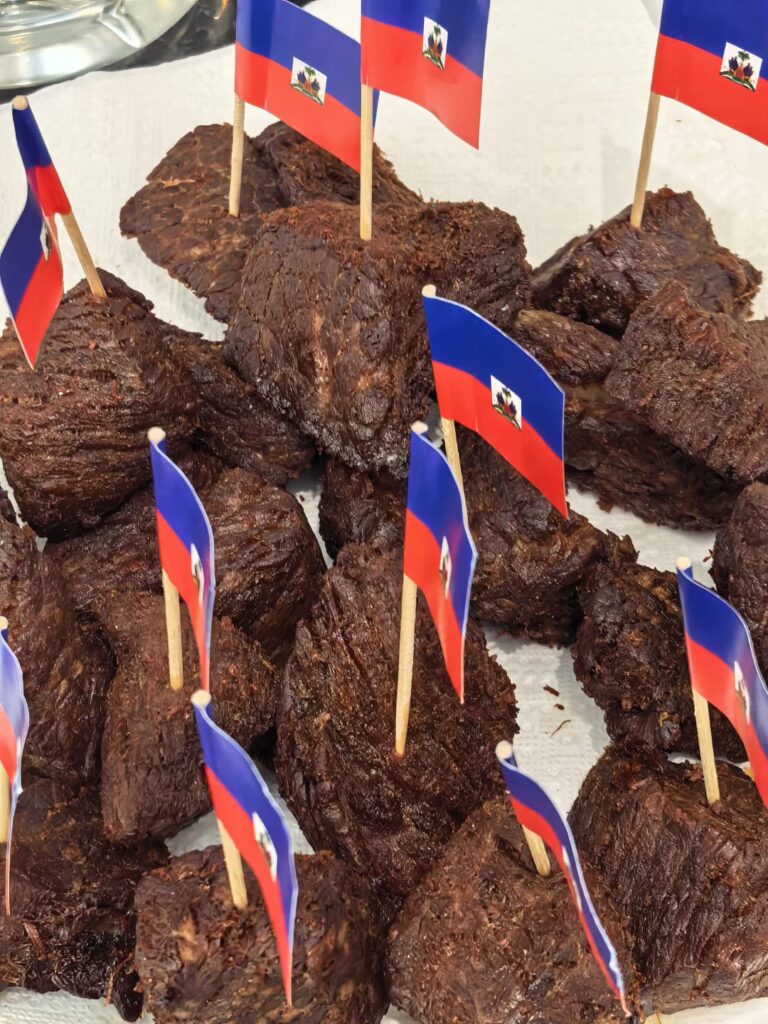
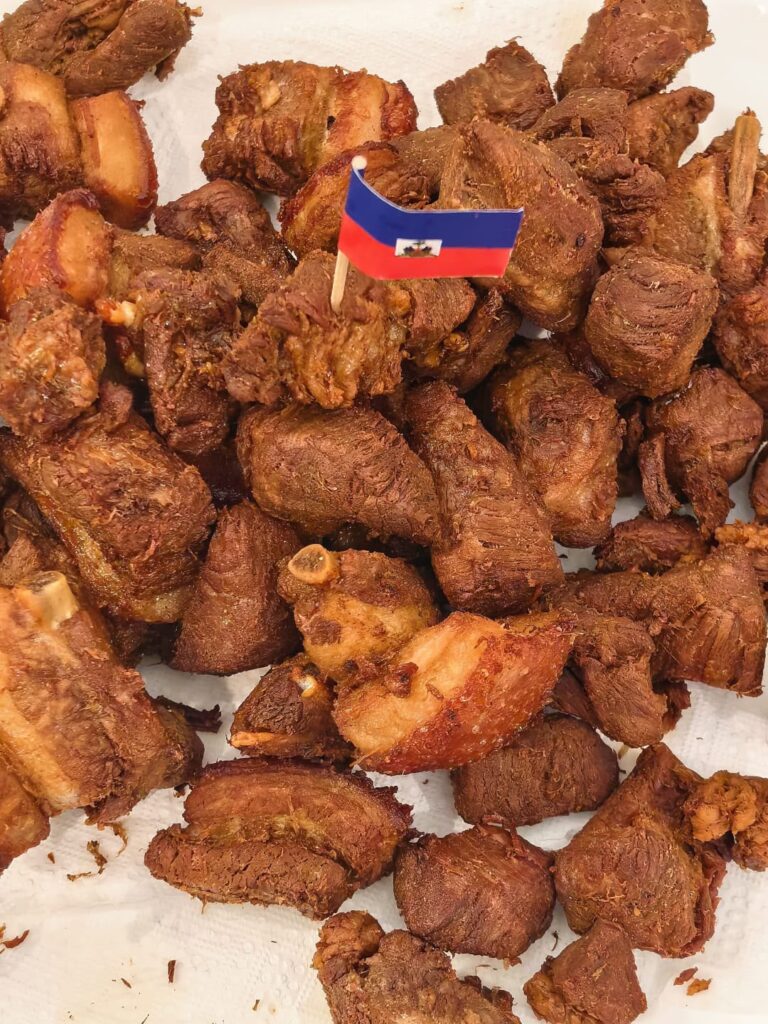
Fried pork is particularly associated with griot, one of Haiti’s most recognised foods. Griot traditionally consists of seasoned pieces of pork that are fried until crisp and is commonly served with plantains, rice and pikliz.
The Ambassador’s approach was deliberately informal, reflecting the social character of Haitian street food rather than a formal plated dining experience.
More Than Food: A Lesson in Haitian Culture
Perhaps the most significant element of the experience was the Ambassador’s emphasis on sharing culture.
At one point, Ambassador Pillard reflected on the broader role of cooking and food, noting that cooking can be something that connects everyone together.
That idea captures the essence of culinary diplomacy.
Food provides a way for people to experience another country without needing a formal lecture or diplomatic briefing. Through ingredients, cooking methods, flavours and traditions, guests gain a more personal understanding of a country’s culture.
For Haiti, cuisine also provides an avenue through which the country can share its history, creativity and identity with audiences in South Africa.
A Taste of Haiti Beyond the Kitchen
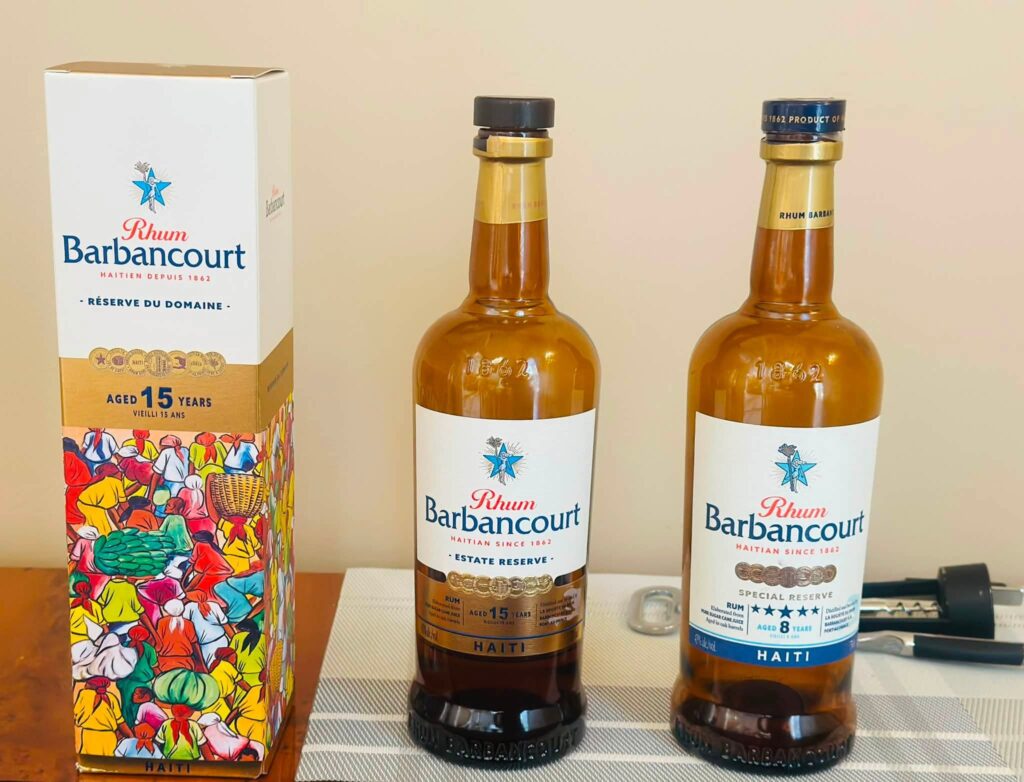
The experience also included Haitian rum, alongside other food prepared by the Ambassador.
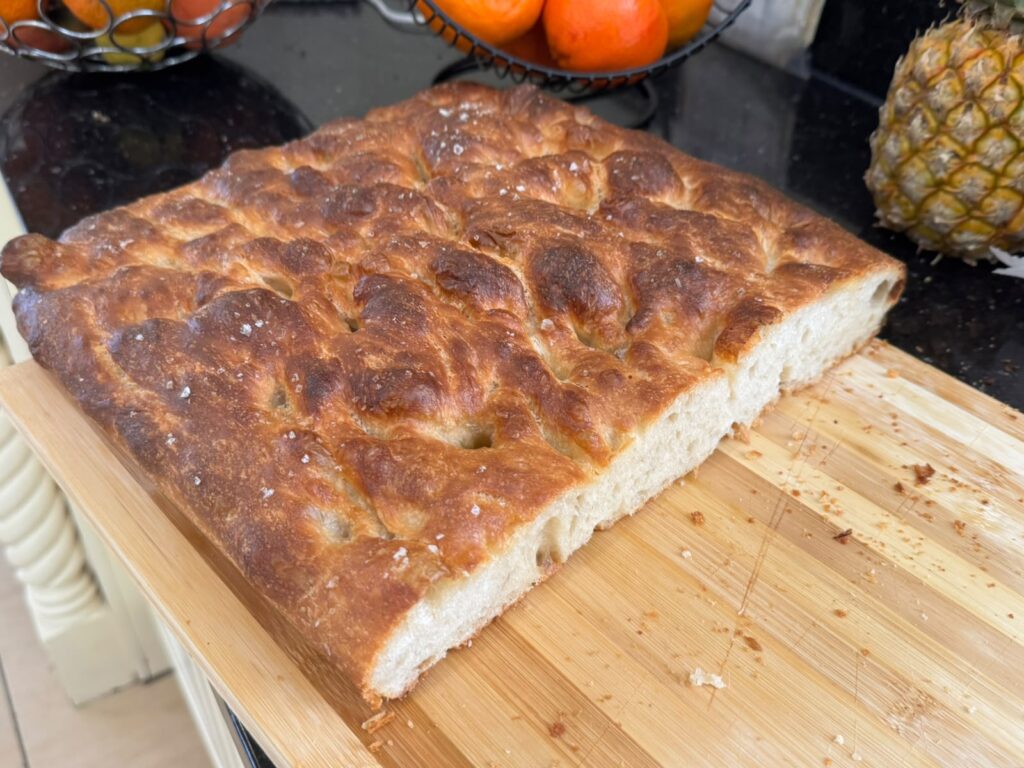
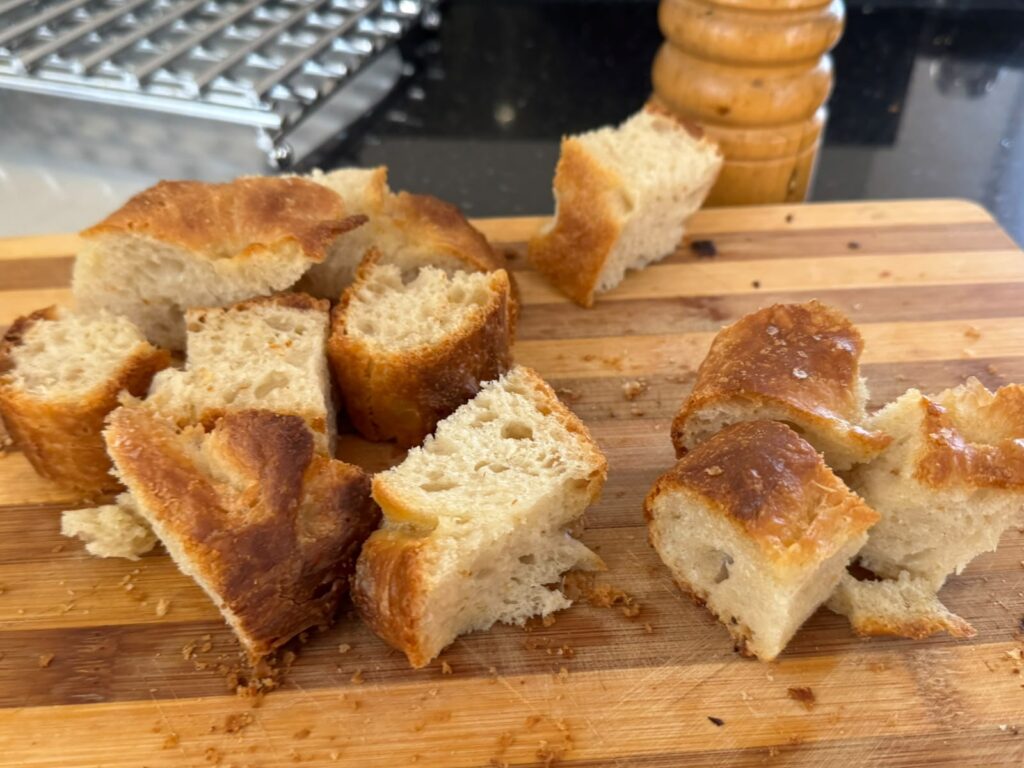
Interestingly, Ambassador Pillard also prepared focaccia bread, which he openly acknowledged was not Haitian. His explanation reflected an important aspect of the gathering: while the occasion was centred on Haitian cuisine, the kitchen could also become a space where different culinary traditions meet.
This openness mirrors the broader spirit of cultural diplomacy — celebrating one’s own heritage while remaining open to the traditions of others.
Culinary Diplomacy and Haiti–South Africa Relations
The culinary experience comes against a backdrop of growing people-to-people and institutional engagement between Haiti and South Africa.
In 2026, the Embassy of Haiti has also been involved in initiatives extending cultural and educational engagement. The University of Johannesburg, for example, has worked with the Embassy on initiatives connecting South African and Haitian academic communities, while a May 2026 Haitian Flag Day commemoration brought together diplomats, academics, students and cultural leaders in a programme combining history, scholarship and cultural diplomacy.
Against this backdrop, sharing Haitian cuisine offers another avenue for strengthening mutual understanding.

Diplomacy Around the Table
The Pretoria gathering demonstrated that diplomacy does not always have to take place behind a conference table.
Sometimes it happens in a kitchen.
Sometimes it happens while learning how to flatten a plantain.
Sometimes it happens while tasting akra for the first time or discovering why diri djon djon has its distinctive colour.
And sometimes, as Ambassador Pillard demonstrated, it happens through the simple act of preparing food and inviting others to share it.
The Haitian fritay experience was therefore more than a meal. It was an informal cultural exchange — an opportunity to taste Haiti, hear its culinary stories and experience the warmth of Haitian hospitality.
In the language of culinary diplomacy, the message was simple: come to the table, taste the culture and discover Haiti.