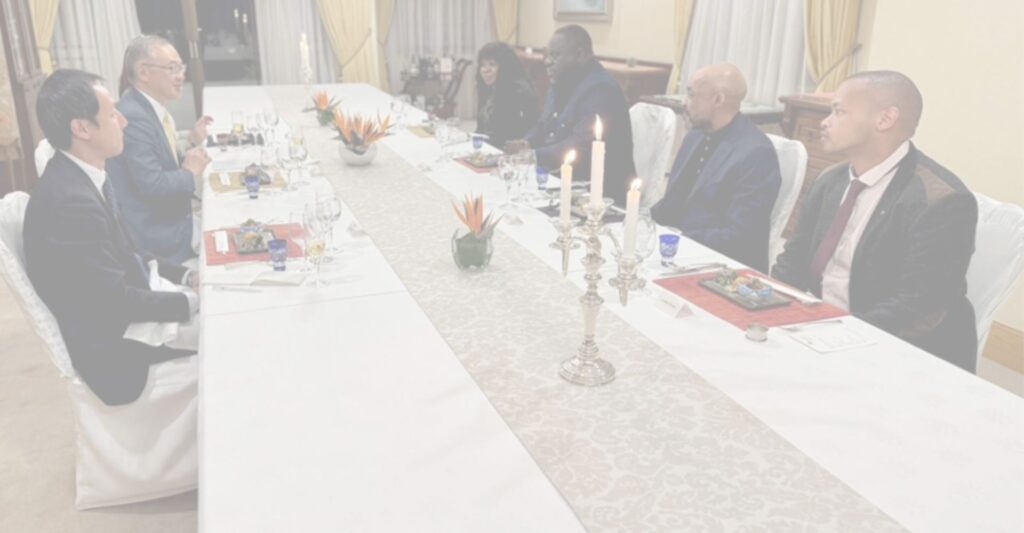
The Embassy of Tunisia in South Africa is exploring new avenues of cooperation with Africa Asia Dialogues (AFRASID), with discussions focusing on areas including African women’s empowerment, water resource management, health, artificial intelligence, emerging technologies and digital transformation.
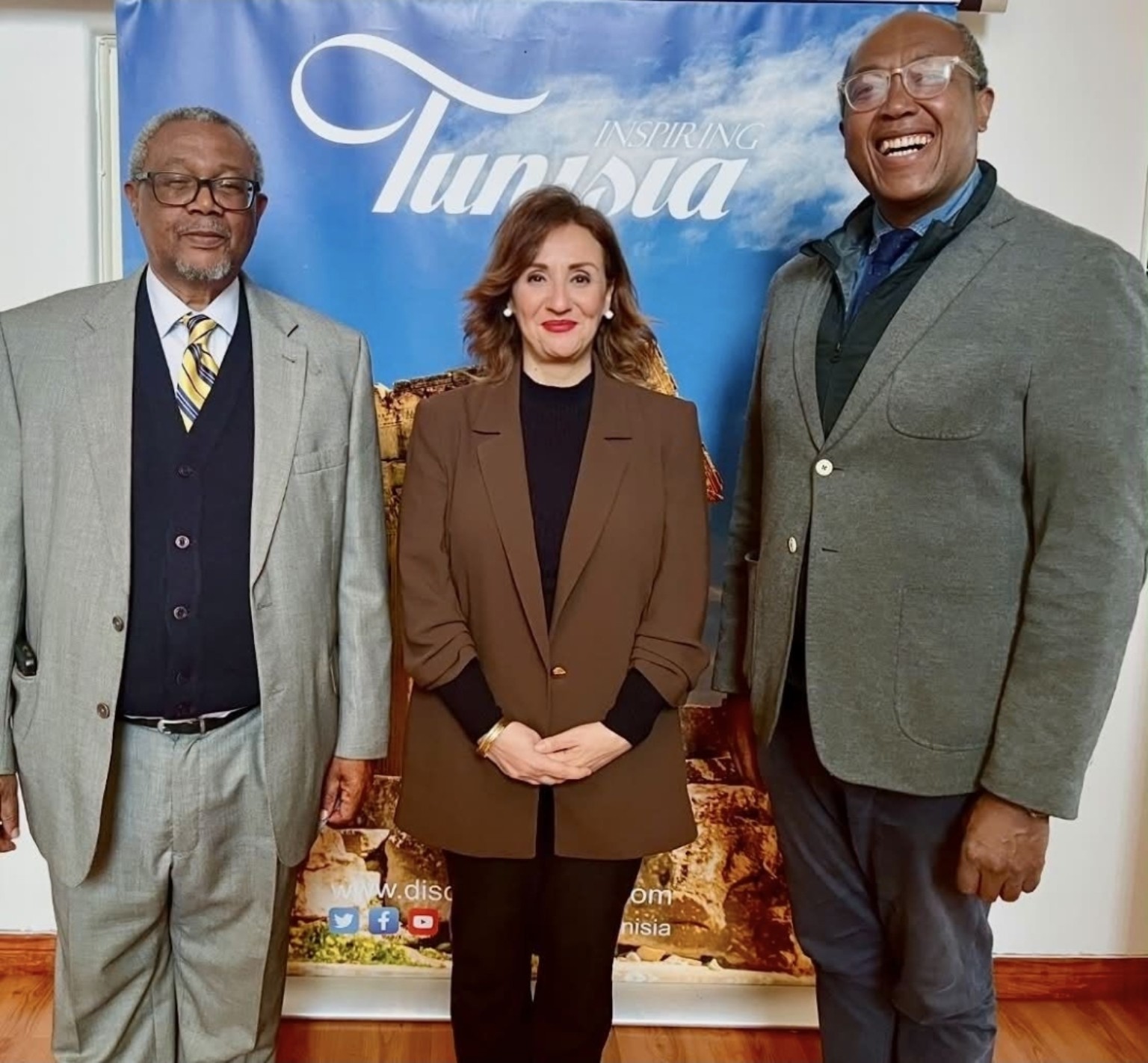
The engagement was highlighted by H.E. Karima Bardaoui, Ambassador of Tunisia to South Africa, who shared details of her meeting with Mr. Thembisa Fakude, Director and Senior Research Fellow at AFRASID, and Dr. Khulu Mbatha, Senior Consultant and Researcher.
The meeting provided an opportunity to explore potential areas of cooperation between the Embassy of Tunisia and AFRASID, including the possibility of jointly organising dialogues, seminars and conferences addressing issues of shared interest.
Focus on Knowledge Exchange and African Cooperation
A key outcome of the discussions was the identification of several areas with potential for future engagement.
These include:
- African women’s empowerment
- Water resource management
- Health
- Artificial intelligence
- Emerging technologies
- Digital transformation
- Science diplomacy and knowledge exchange
The broad range of issues reflects the increasing importance of cooperation that connects diplomacy with research, innovation, technology and sustainable development.
For Tunisia and South Africa, such engagements can provide platforms for sharing expertise, encouraging policy dialogue and identifying practical areas of collaboration across the African continent.
Strengthening Links Between Think Tanks and Academic Institutions
The discussions also considered opportunities to strengthen exchanges between AFRASID and Tunisian think tanks, universities and academic institutions.
The Ambassador noted that such exchanges could contribute to greater knowledge-sharing and closer ties between Tunisia and South Africa.
Think tanks and academic institutions play an important role in international relations by providing research, policy analysis and platforms for dialogue on complex regional and global challenges. AFRASID describes itself as a platform focused on public intellectualism and Africa-Asia engagement, while Thembisa Fakude is listed as its Director and Senior Research Fellow.
The engagement therefore presents an opportunity to connect diplomatic representation with research institutions and wider academic networks.
Artificial Intelligence and Digital Transformation Emerging as Key Priorities
The inclusion of artificial intelligence, emerging technologies and digital transformation among the areas identified for possible future cooperation highlights the growing role of technology in Africa’s development agenda.
African countries are increasingly looking at how technological innovation can support economic development, public services, education, healthcare and greater connectivity.
Dialogue between diplomatic missions, think tanks, universities and technology stakeholders can contribute to developing stronger African perspectives on these rapidly evolving issues.
Women’s Empowerment and Development
African women’s empowerment was another prominent area identified during the discussions.
Women’s participation in leadership, economic development, science, technology and public policy remains an important component of Africa’s development objectives.
Potential cooperation between Tunisian and South African institutions could provide opportunities to exchange experiences and highlight initiatives aimed at strengthening women’s participation across different sectors.
Building Stronger Tunisia–South Africa Relations
The proposed cooperation between the Embassy of Tunisia and AFRASID comes within the broader context of strengthening people-to-people, institutional and knowledge-based connections between Tunisia and South Africa.
Beyond traditional diplomatic engagements, partnerships involving think tanks, universities and research institutions can create additional channels for dialogue and collaboration.
The discussions highlighted the potential for future seminars, conferences, academic exchanges and other initiatives that can bring together policymakers, researchers, academics and other stakeholders from Tunisia and South Africa.
A Platform for Future Engagement
The meeting between Ambassador Karima Bardaoui, Thembisa Fakude and Dr. Khulu Mbatha signals an interest in expanding the scope of Tunisia–South Africa engagement beyond conventional diplomatic channels.
With potential cooperation spanning women’s empowerment, water resources, health, artificial intelligence, emerging technologies, digital transformation and academic exchange, the discussions provide a foundation for further engagement between Tunisian and South African institutions.
As Africa continues to strengthen intra-continental cooperation and develop partnerships around knowledge, innovation and sustainable development, platforms such as these can contribute to building stronger networks between diplomatic missions, research institutions and academia.
The proposed cooperation between the Embassy of Tunisia and AFRASID could therefore provide an additional platform for advancing dialogue, knowledge exchange and closer institutional ties between Tunisia and South Africa.