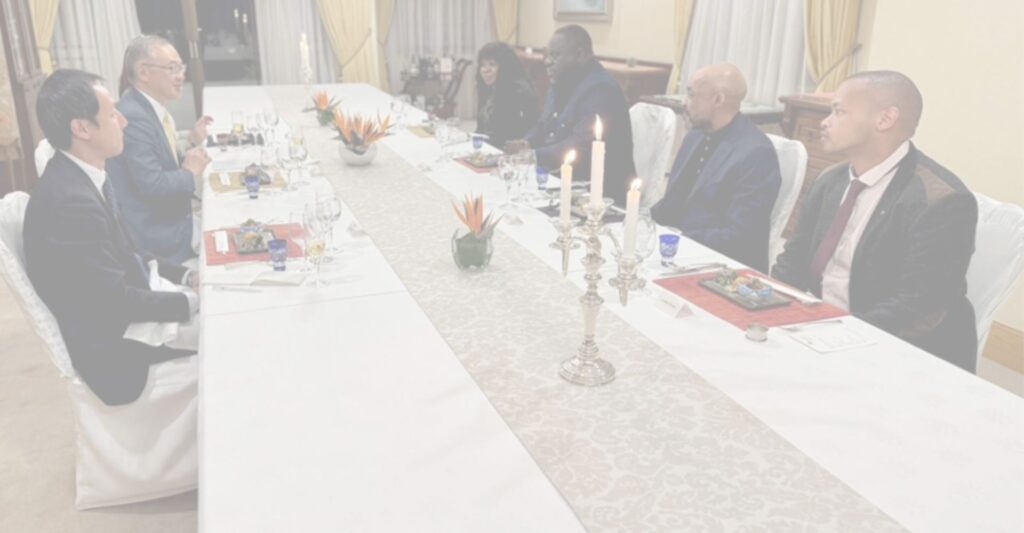
South Africa’s engagement with the Caribbean has gained renewed momentum as Deputy Minister of International Relations and Cooperation Alvin Botes undertakes a series of diplomatic engagements in Jamaica and Cuba, strengthening bilateral relations while advancing broader cooperation across the Global South.
From Kingston to Havana, the engagements have brought together several important dimensions of South Africa’s foreign policy, including economic diplomacy, trade and investment, tourism, cultural cooperation, reparatory justice, political solidarity and South-South cooperation.
At a glance: Botes’ Caribbean engagements
Jamaica
- Arrival in Kingston for an official visit aimed at strengthening South Africa–Jamaica relations.
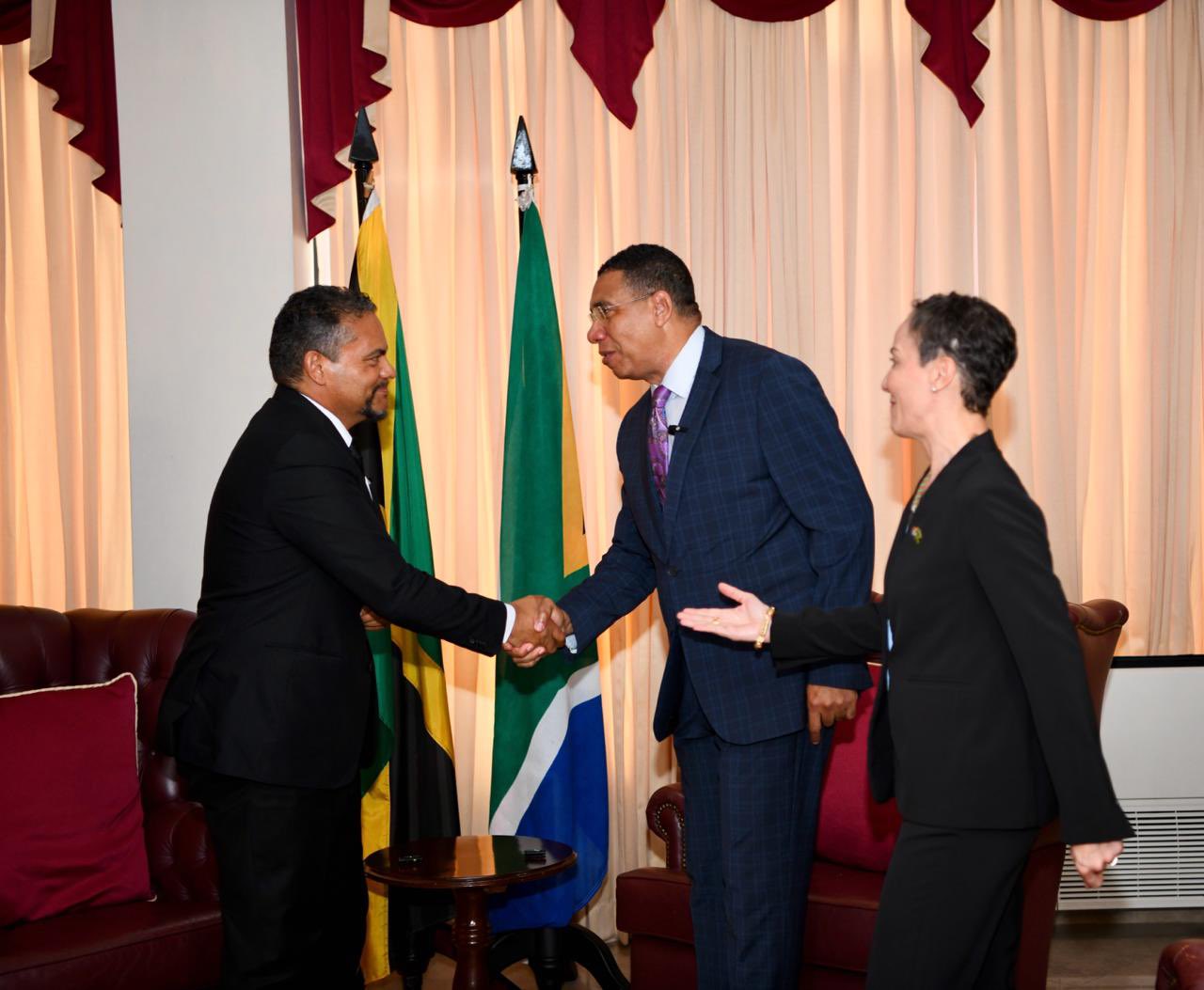
- Courtesy engagement with Prime Minister Andrew Holness.
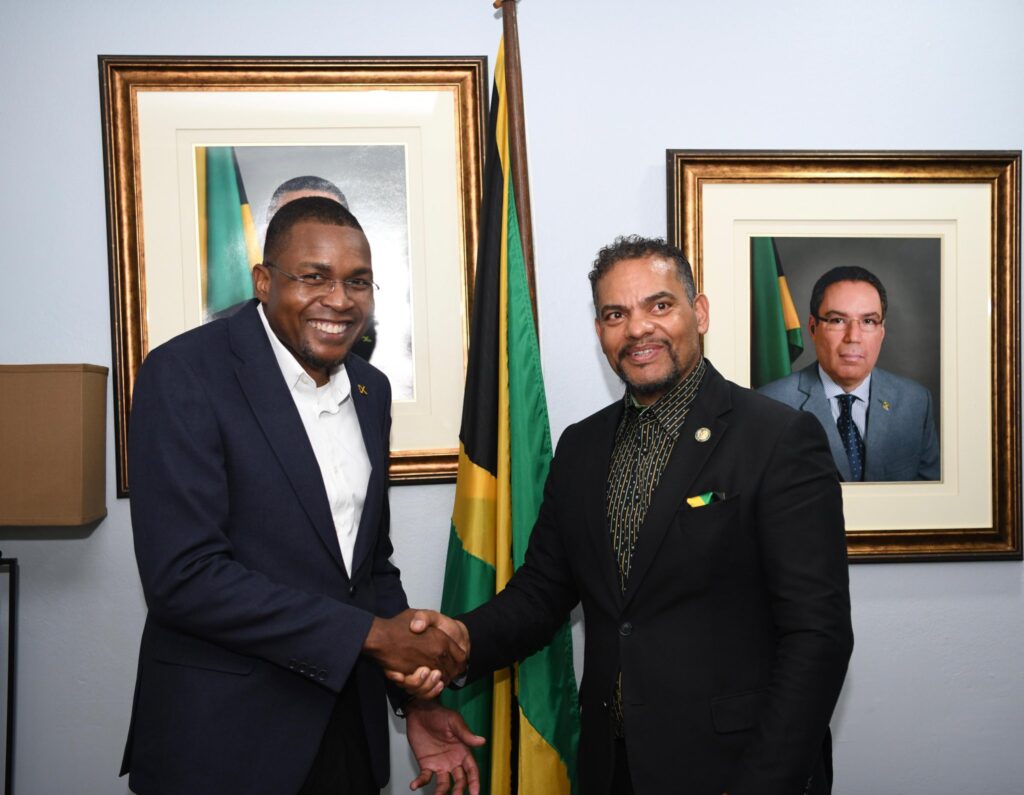
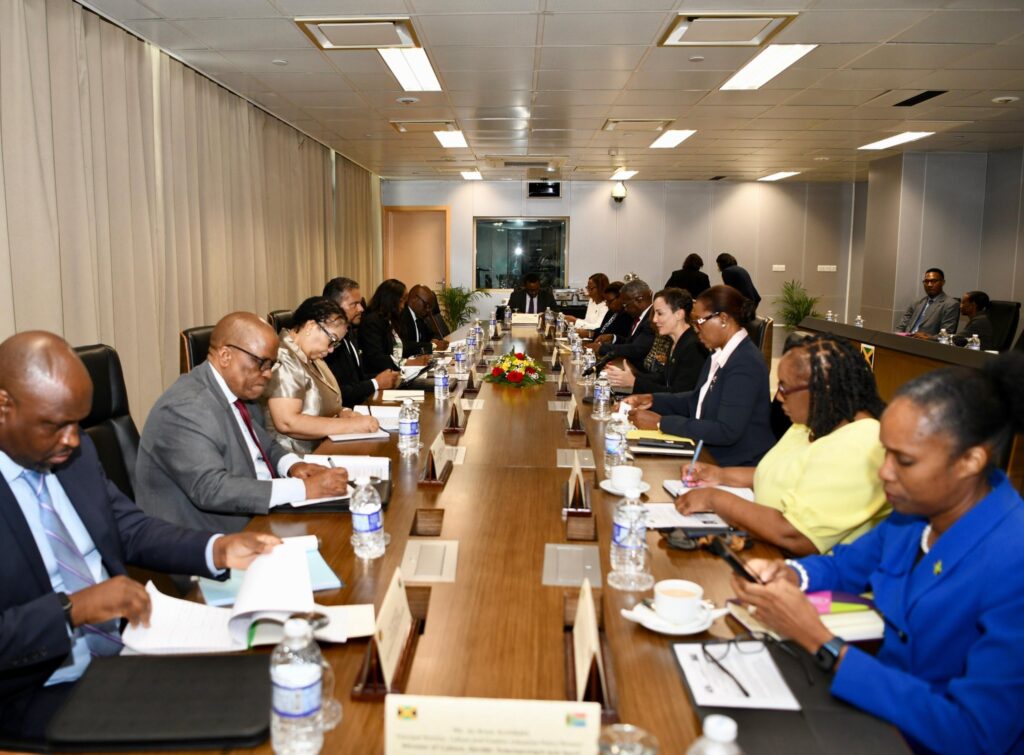
- Bilateral discussions with Senator Kamina Johnson Smith, Jamaica’s Minister of Foreign Affairs and Foreign Trade.
- Engagements focused on trade, investment, tourism, air services, science and technology, sport, arts, culture and the creative industries.
- Participation in a private-sector ministerial luncheon hosted by Senator Aubyn Hill, Minister of Industry, Investment and Commerce.
- Discussions with Jamaican business stakeholders on expanding commercial and investment opportunities.
- Delivery of a public lecture at the University of the West Indies in Kingston on the path towards reparatory justice for Africans and people of African descent.
- Attendance at Jamaica’s Grand Gala celebrating Emancipation, held at the National Stadium on 6 August 2026.
- Engagements highlighting stronger Africa–Caribbean and CARICOM–South Africa cooperation.
Cuba
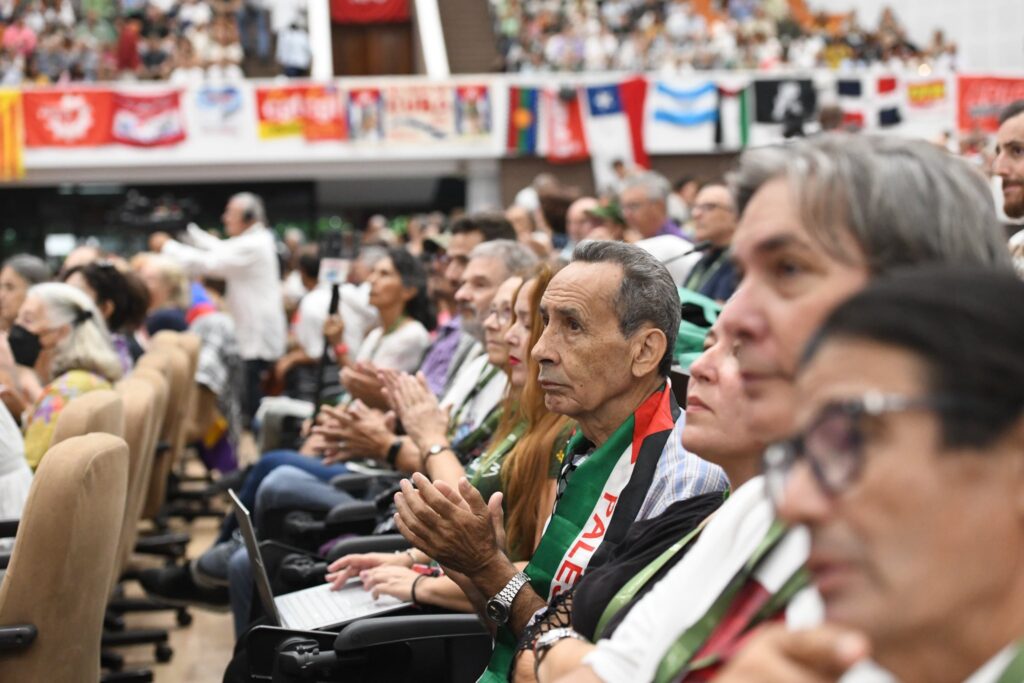
- Arrival in Havana to participate in the First Fidel International Colloquium: Legacy and Future, taking place from 10–13 August 2026.
- Participation in discussions bringing together leaders and intellectual voices around the future of the Global South.
- Attendance at the opening of the 34th Havana International Book Fair.
- Engagements highlighting the importance of culture, literature, education and knowledge as instruments of diplomacy.
- Continued emphasis on the historic South Africa–Cuba relationship and its foundations in liberation struggle and international solidarity.
Together, these engagements provide a snapshot of an increasingly multidimensional South African approach to the Caribbean — combining political relations with economic, cultural and people-to-people diplomacy.
Strengthening South Africa–Jamaica relations
Botes’ official visit to Kingston, Jamaica, placed the longstanding relationship between South Africa and Jamaica firmly on the diplomatic agenda.
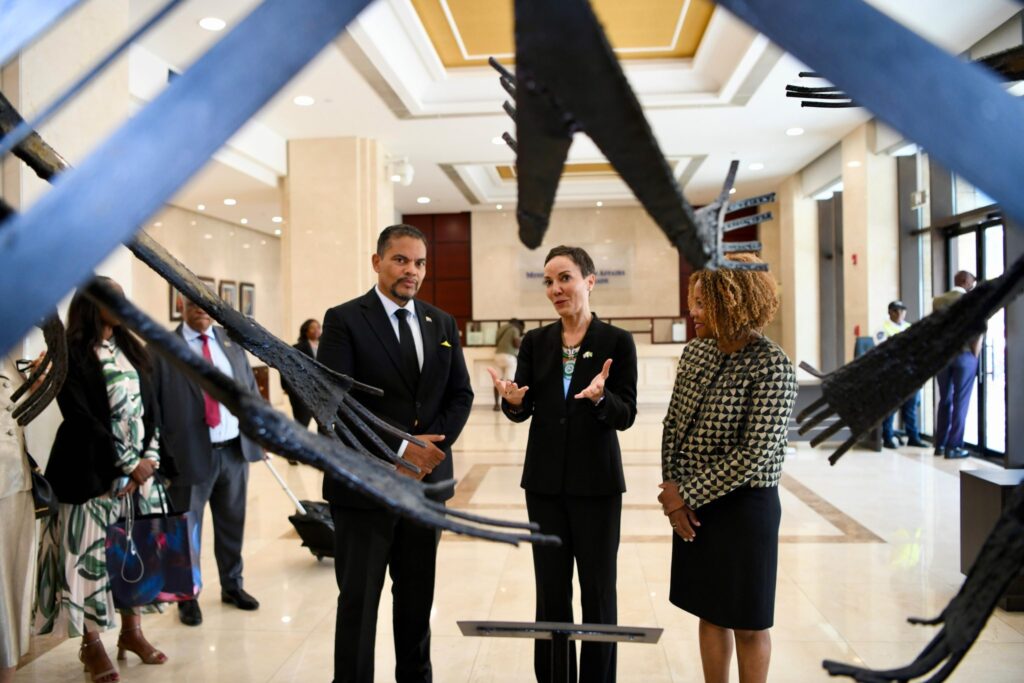
The Deputy Minister was received by senior Jamaican officials, including Prime Minister Andrew Holness, as the two sides explored opportunities to strengthen cooperation between the two countries.
The discussions extended across a broad range of sectors, including trade and economic cooperation, tourism and air services, science and technology, sport, arts, culture and the creative industries.
The breadth of these discussions reflects an effort to take the South Africa–Jamaica relationship beyond its strong political and historical foundations and towards greater practical cooperation.
South Africa and Jamaica have maintained diplomatic relations since 1994, with their relationship shaped by shared connections through the Commonwealth, the Global South and the broader historical links between Africa and the Caribbean.

Economic diplomacy takes centre stage
One of the most significant elements of Botes’ Jamaica visit was the focus on trade, investment and private-sector cooperation.
At a ministerial luncheon hosted by Senator Aubyn Hill, Jamaica’s Minister of Industry, Investment and Commerce, Botes engaged representatives of the Jamaican private sector on opportunities to strengthen commercial ties with South Africa.
The engagement focused on creating stronger links between businesses, identifying areas of mutual opportunity and translating the longstanding political relationship between the two countries into greater economic partnerships.
Potential areas of cooperation include sectors such as creative industries, logistics, agro-processing, digital services, renewable energy, automotive and e-mobility.
Jamaica has also proposed a dedicated mechanism to help advance trade and investment between the two countries, reflecting an increasing focus on converting diplomatic goodwill into measurable economic outcomes.
For South Africa, deeper engagement with Jamaica also presents opportunities to connect Caribbean businesses with the wider African market, particularly as the continent continues to integrate economically through the African Continental Free Trade Area (AfCFTA).

Strengthening Africa–Caribbean economic links
The economic discussions in Kingston form part of a broader conversation around strengthening Africa–Caribbean economic relations.
For many years, the relationship between Africa and the Caribbean has been strongly associated with shared histories of slavery, colonialism, liberation struggles and political solidarity.
Increasingly, however, there is a push to complement those historical connections with trade, investment, tourism, technology and business partnerships.
The Jamaica visit illustrates how economic diplomacy can become an important bridge between the political relationships developed over decades and the commercial opportunities available to businesses and investors today.


Jamaica’s journey to freedom
Botes’ programme in Jamaica also carried a strong historical and cultural dimension.
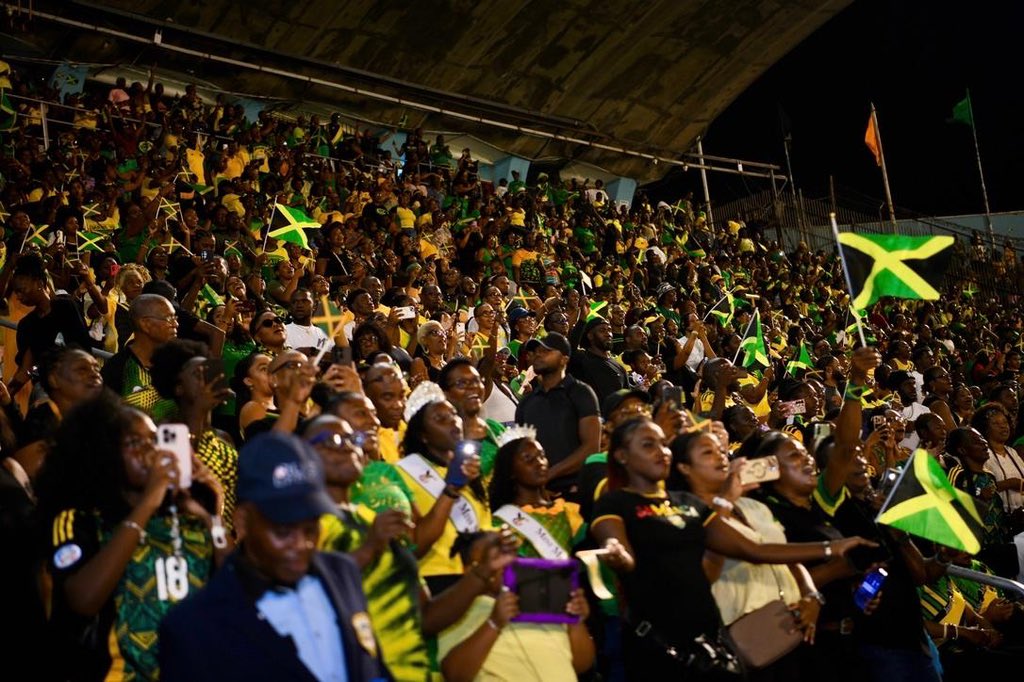
On 6 August 2026, he attended the Grand Gala celebrating Jamaica’s Emancipation at the National Stadium in Kingston.
The occasion marked Jamaica’s journey towards freedom while providing an opportunity to celebrate the deep historical, cultural and people-to-people connections between Jamaica and Africa.
The significance of the occasion was particularly relevant to South Africa, a country whose own modern history is deeply connected to the struggle against colonialism, racial oppression and apartheid.
The shared experiences of liberation and the pursuit of dignity continue to provide an important foundation for relations between African and Caribbean nations.


Reparatory justice takes centre stage
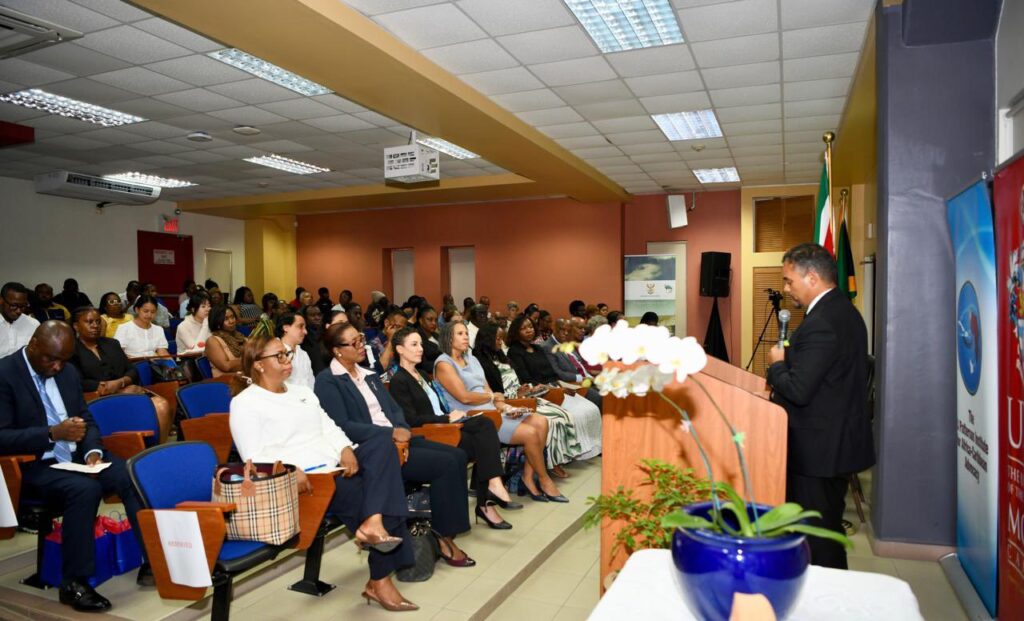
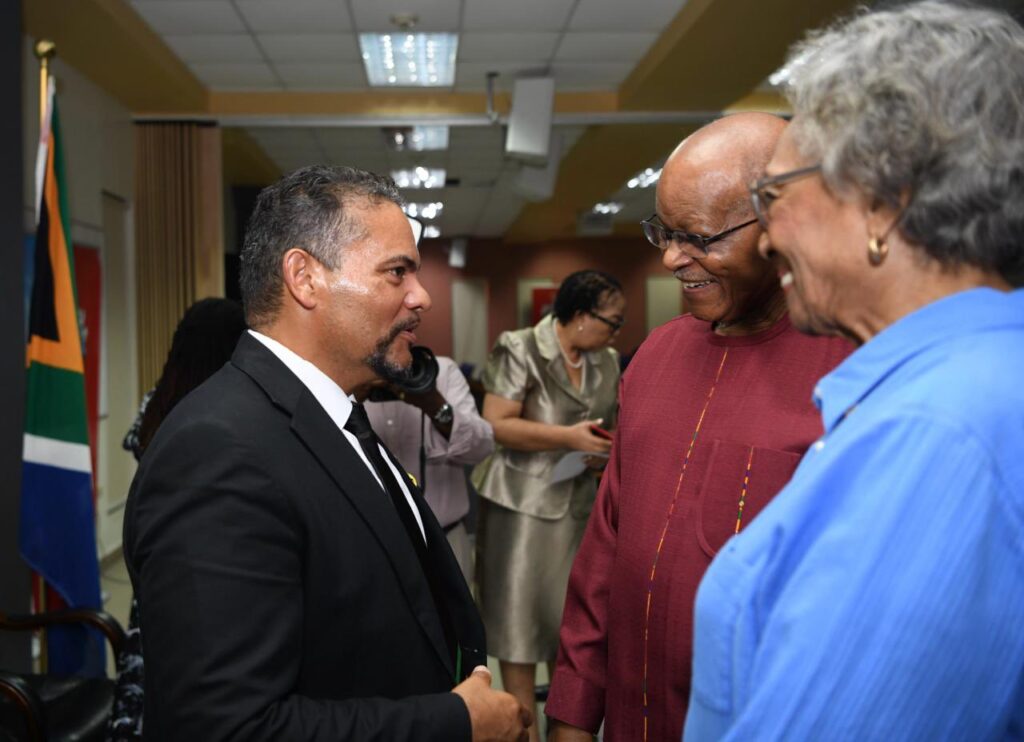
Another important element of the Jamaica visit was Botes’ public lecture at the University of the West Indies (UWI) in Kingston.
The lecture, titled “The Path to Reparatory Justice for Africans and all People of African Descent,” provided a platform for reflection on the historical consequences of slavery and colonialism and their continuing impact on African and African-descended communities.
The engagement was organised in collaboration with the PJ Patterson Institute for Africa-Caribbean Advocacy, reinforcing the intellectual and historical links between Africa and the Caribbean.
The discussion placed questions of justice, dignity, historical accountability and reparations within the wider Africa–Caribbean relationship.
It also demonstrated how diplomatic engagement can extend beyond government meetings to include universities, civil society, intellectual institutions and broader public conversations.

From Kingston to Havana
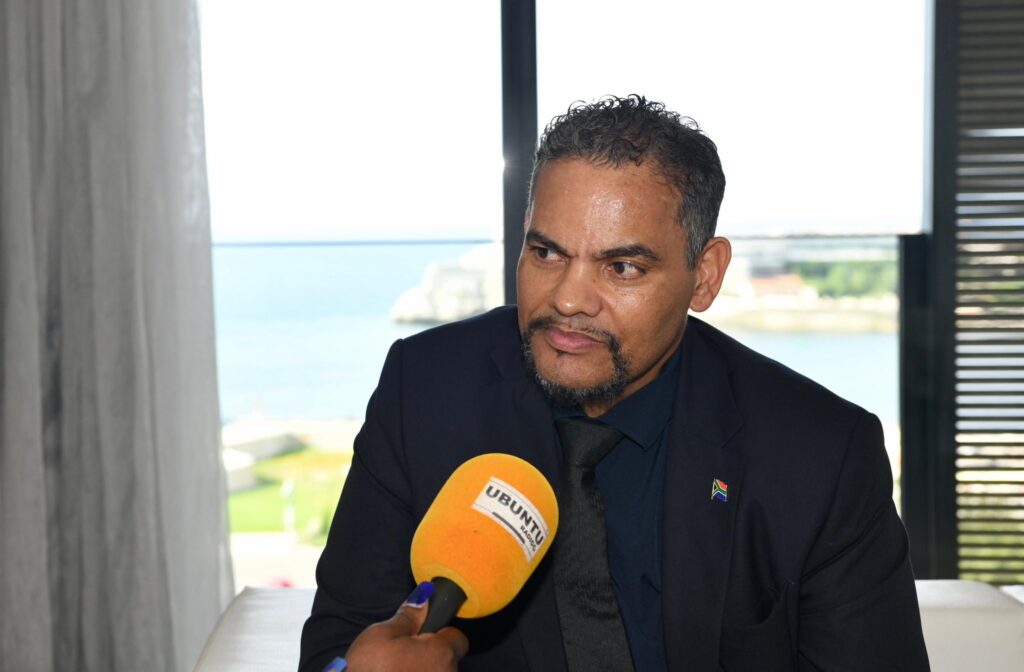
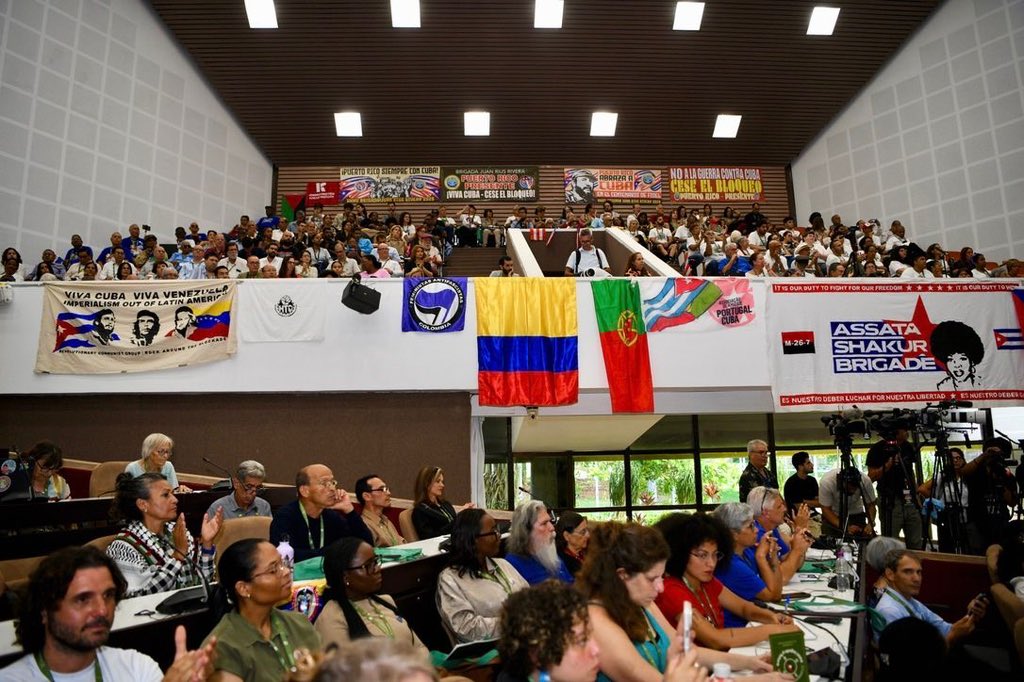
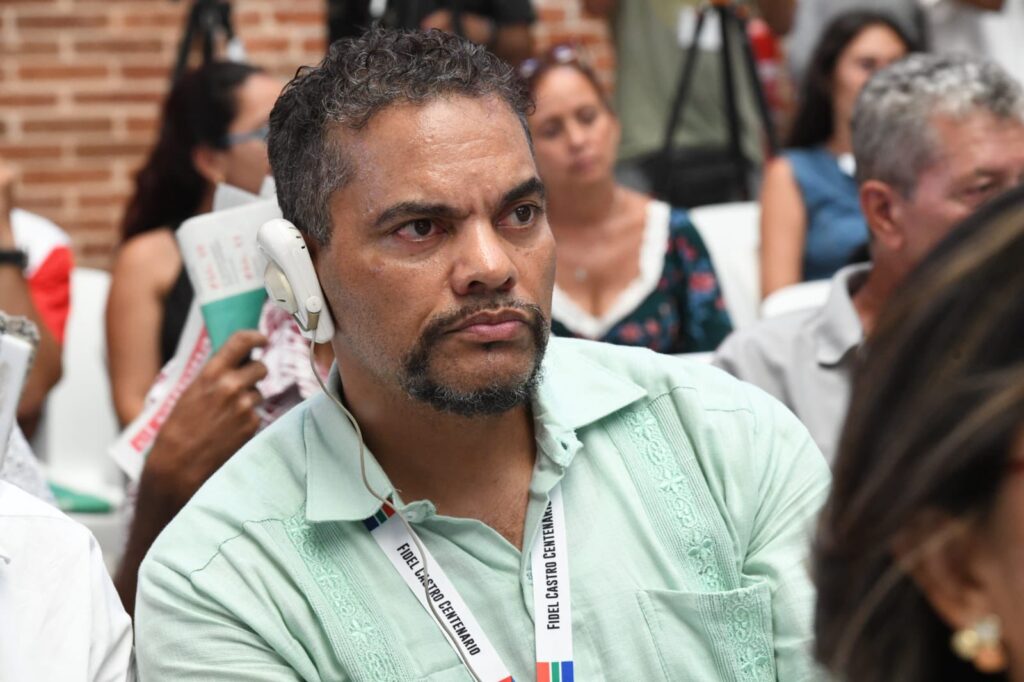
Following the Jamaica programme, Botes travelled to Havana, Cuba, where he is participating in the First Fidel International Colloquium: Legacy and Future, taking place from 10 to 13 August 2026.
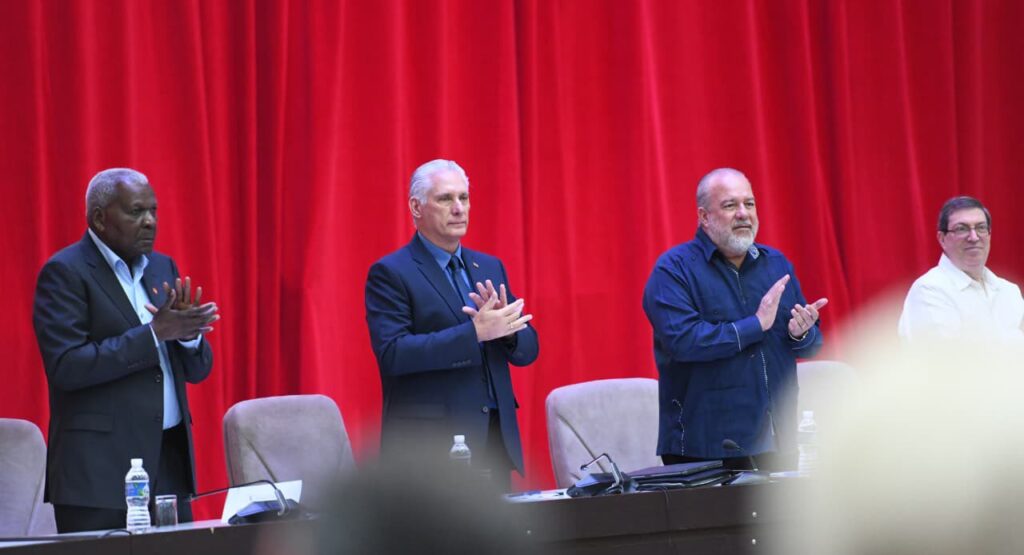
The colloquium brings together leaders, academics, intellectuals and other voices to reflect on the legacy of former Cuban leader Fidel Castro and consider pathways for future cooperation among countries of the Global South.
Botes’ participation in Havana adds another dimension to South Africa’s Caribbean engagement, particularly given the exceptionally deep historical relationship between South Africa and Cuba.
South Africa and Cuba: a relationship forged in solidarity
The relationship between South Africa and Cuba was forged through the liberation struggle and Cuba’s opposition to apartheid and colonialism in Southern Africa.
The two countries established formal diplomatic relations in May 1994, following South Africa’s transition to democracy.
Since then, cooperation has expanded into areas including health, education, science and technology, infrastructure, trade, sport, arts and culture.
The relationship has also been shaped by the enduring political and personal connections between leaders of the two countries, particularly the historic relationship between Nelson Mandela and Fidel Castro.
For South Africa, Cuba remains an important example of how political solidarity during the liberation struggle developed into a continuing partnership in the post-apartheid era.


Fidel Castro’s legacy and the Global South
The Fidel International Colloquium provides a platform for considering how historical experiences can inform the future of international cooperation.
For South Africa, the engagement comes within a broader conversation around the role of the Global South in shaping a more equitable international system.
The discussions in Havana are therefore not only about Fidel Castro’s historical legacy, but also about questions concerning development, sovereignty, international solidarity and the future of cooperation among developing countries.
South Africa and Cuba have consistently maintained strong positions in support of greater multilateralism and stronger cooperation among countries of the Global South.
Culture and literature as instruments of diplomacy
Botes’ programme in Havana has also highlighted the role of cultural diplomacy.
He attended the official opening of the 34th Havana International Book Fair on the sidelines of the Fidel International Colloquium.
The engagement placed books, literature, education and knowledge at the centre of South Africa’s interaction with Cuba.
Culture can serve as an important diplomatic bridge, allowing countries to build connections beyond formal political institutions.
For South Africa and Cuba, cooperation in education, arts and culture has historically formed part of the broader relationship between the two countries, complementing political and economic engagement.
The Havana Book Fair therefore offered another opportunity to highlight the role of knowledge and culture in South-South cooperation.
Connecting Africa and the Caribbean
Taken together, the Jamaica and Cuba engagements demonstrate the different but complementary dimensions of South Africa’s relationship with the Caribbean.
In Jamaica, the emphasis has included economic diplomacy, trade, investment, tourism, private-sector engagement and reparatory justice.
In Cuba, the focus has been strongly connected to historical solidarity, political cooperation, culture and the future of Global South partnerships.
Yet both engagements form part of a wider effort to strengthen connections between Africa and the Caribbean.
Closer cooperation between the two regions has the potential to support greater coordination on international development, trade, climate change, multilateral reform and the interests of developing countries.
The strengthening of CARICOM–South Africa and broader CARICOM–African Union relations is therefore an important component of this evolving diplomatic landscape.
From historical friendship to practical partnerships
The Jamaica and Cuba engagements demonstrate how South Africa is seeking to build on longstanding political relationships while creating new opportunities for practical cooperation.
The historical bonds between Africa and the Caribbean remain central to these relationships, but today’s diplomatic agenda increasingly asks how those bonds can contribute to trade, investment, tourism, cultural exchange, education, technology and shared development.
From Kingston to Havana, Alvin Botes’ engagements illustrate a foreign-policy approach that brings together economic diplomacy, political solidarity, cultural diplomacy and Global South cooperation.
The Caribbean remains an important partner for South Africa as the country continues to strengthen its relationships across the developing world.
Ultimately, the engagements in Jamaica and Cuba point towards a broader objective: transforming shared history and solidarity into stronger partnerships for the future.

Images: DIRCO