Most people associate embassies with visas, passports, and official ceremonies. But beyond the public-facing functions lies another critical responsibility — preventing conflict through diplomacy.
Every day, embassies around the world work quietly behind the scenes to maintain communication between governments, monitor political developments, and help reduce tensions before they escalate into crises. This is commonly known as quiet diplomacy.
The Hidden Work of Diplomacy
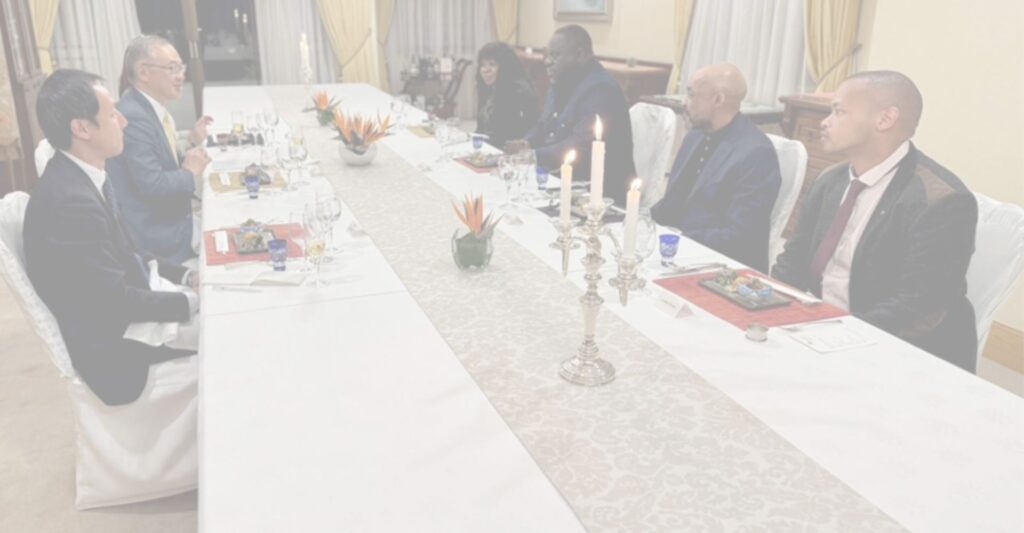
Unlike public diplomacy, quiet diplomacy happens away from cameras and press conferences. It involves confidential meetings, strategic negotiations, intelligence gathering, and ongoing communication between states.
Diplomats are often tasked with managing delicate situations that require patience, discretion, and trust.
In many cases, the success of diplomacy is measured not by what becomes public, but by what never happens — wars avoided, disputes de-escalated, and relations preserved.
How Embassies Help Prevent Conflict
Keeping Governments Talking
One of the most important functions of an embassy is maintaining direct communication between countries.
During political disagreements or regional tensions, embassies continue engaging officials through diplomatic channels. Even when public rhetoric becomes hostile, diplomats often continue discussions privately to avoid further escalation.
Maintaining dialogue can prevent misunderstandings that may otherwise damage international relations.
Monitoring Political and Security Developments
Embassies constantly monitor developments in the countries where they operate.
Political officers analyse elections, protests, economic instability, policy changes, and security risks. Their reports provide governments with valuable insight into emerging issues that could affect regional stability or bilateral relations.
Early information allows governments to respond diplomatically and strategically.
Facilitating Negotiations
Diplomatic missions frequently support mediation and negotiation efforts between governments, political actors, and international organisations.
Embassies may help arrange private discussions, coordinate peace initiatives, or support regional dialogue processes aimed at resolving disputes peacefully.
Many sensitive negotiations take place quietly long before any official announcements are made publicly.
Protecting Citizens During Crises
Embassies also have a responsibility to protect their citizens abroad.
During emergencies such as political unrest, armed conflict, or natural disasters, embassies coordinate evacuations, provide consular support, and communicate with local authorities to ensure the safety of their nationals.
This work often requires close diplomatic coordination under intense pressure.
South Africa’s Diplomatic Approach
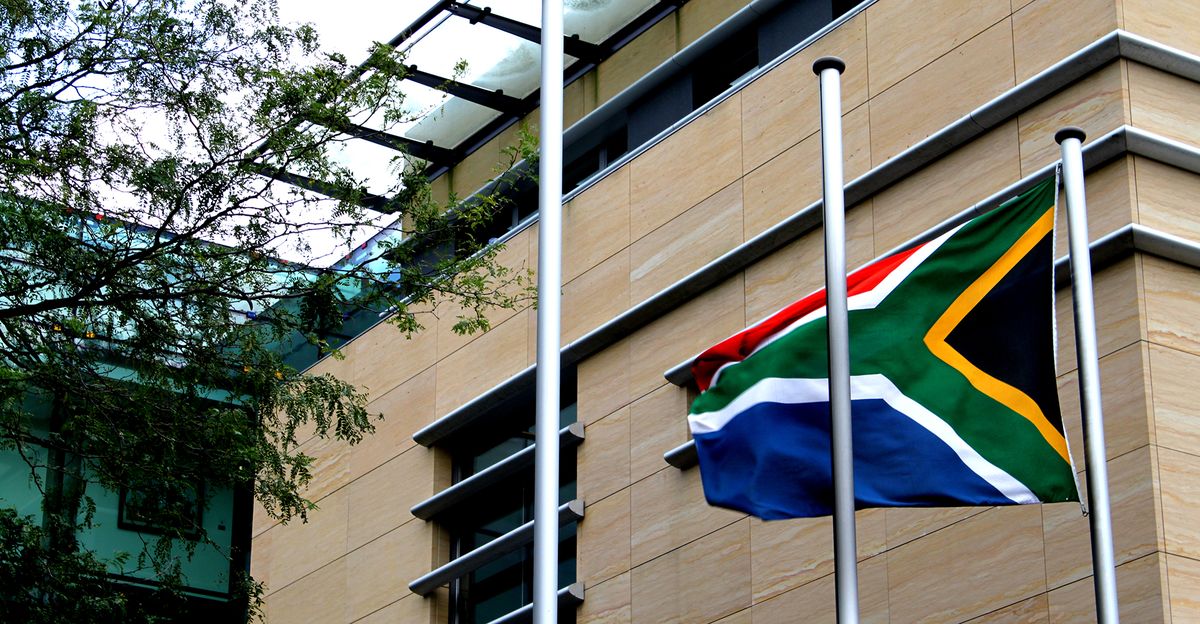
South Africa has historically emphasised diplomacy, dialogue, and multilateral cooperation in international relations.
Through its diplomatic missions across Africa and globally, South Africa continues to support peacebuilding initiatives, regional cooperation, and political dialogue under frameworks such as the African Union and Agenda 2063.
South African diplomacy has often prioritised negotiation and peaceful engagement as tools for conflict prevention and continental stability.
Why Quiet Diplomacy Matters Today
In an increasingly divided world, quiet diplomacy remains one of the most important tools for maintaining international peace and cooperation.
While military power and political statements attract public attention, diplomacy continues to shape outcomes behind closed doors through communication, negotiation, and relationship-building.
Embassies are more than administrative offices abroad. They are strategic institutions that help countries navigate crises, manage tensions, and build long-term partnerships.
Much of this work may never appear in headlines — but its impact can influence the stability of entire regions.