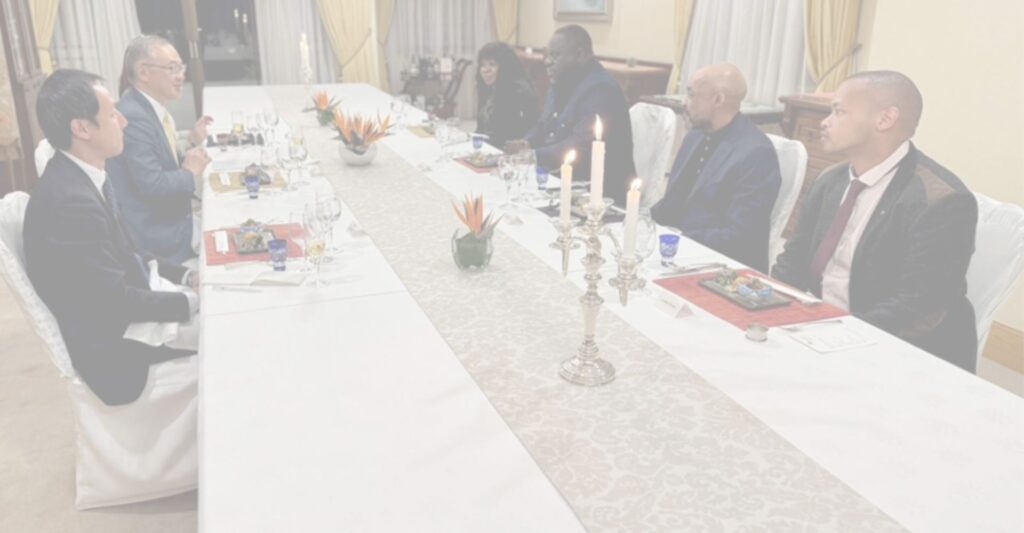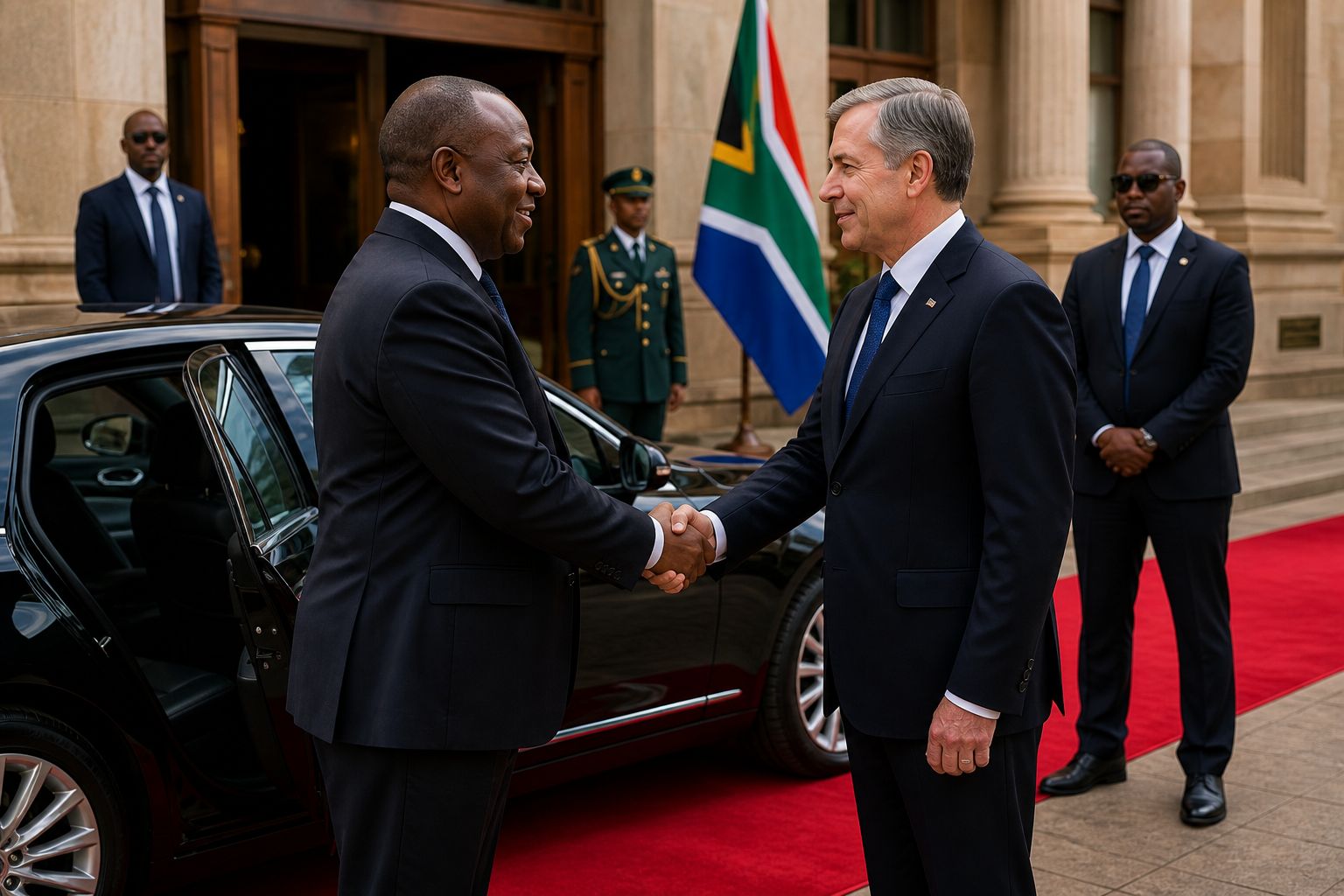
Diplomatic meetings are among the most important engagements in international relations. When diplomats meet ministers, presidents, or senior government officials, these encounters go far beyond simple conversation. They are carefully structured interactions designed to advance national interests, strengthen partnerships, and address global challenges.
What Are Diplomatic Meetings?
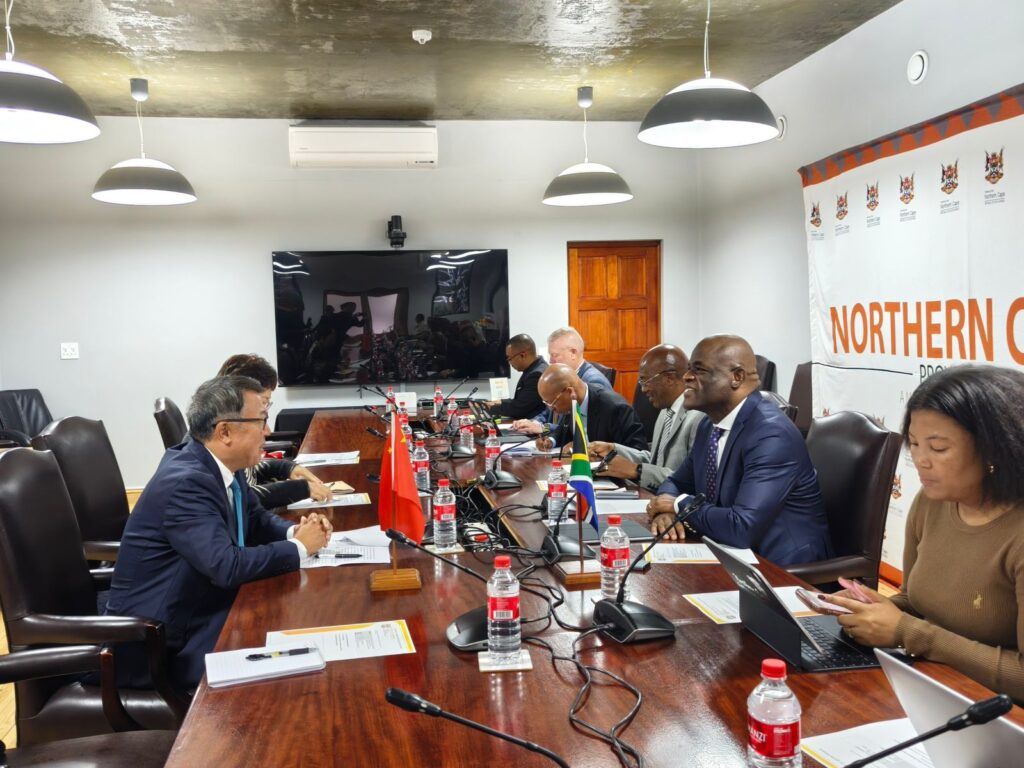
Diplomatic meetings are formal engagements between representatives of different countries. These may include ambassadors, high commissioners, ministers, or heads of state. Their purpose is to maintain and enhance relations between nations through dialogue, negotiation, and cooperation.
In countries like South Africa, such meetings play a key role in promoting trade, political cooperation, and regional stability.
Preparation: Where Diplomacy Begins
Before any diplomatic meeting takes place, extensive preparation is done behind the scenes. Embassies and foreign ministries develop detailed briefing documents outlining:
- Key discussion points
- National priorities
- Strategic objectives
- Background on the counterpart country
This preparation ensures that every interaction is purposeful and aligned with broader foreign policy goals.
Protocol and Structure
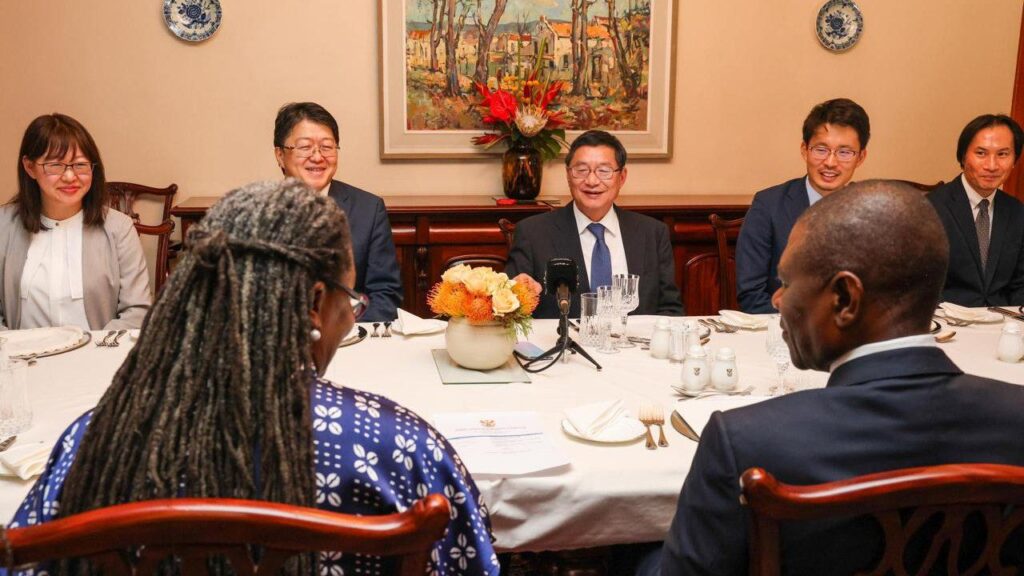
Diplomatic meetings follow strict protocols that reflect respect, hierarchy, and tradition. From seating arrangements to greetings and speaking order, every detail matters.
These protocols are not merely ceremonial—they help create a structured environment where sensitive issues can be discussed with professionalism and clarity.
What Is Discussed?
The agenda of diplomatic meetings typically covers a wide range of topics, including:
- Trade and investment opportunities
- Security and defence cooperation
- Climate change and sustainability
- Multilateral collaboration
- Cultural and educational exchange
These discussions are essential in addressing both bilateral and global challenges.
A South African Perspective
For South Africa, diplomatic meetings are a cornerstone of its foreign policy. As a key player on the African continent and a member of global forums such as BRICS, South Africa uses diplomacy to promote economic growth, peace, and international cooperation.
Through strategic engagements, the country strengthens ties with partners across Africa and the world.
Beyond the Meeting
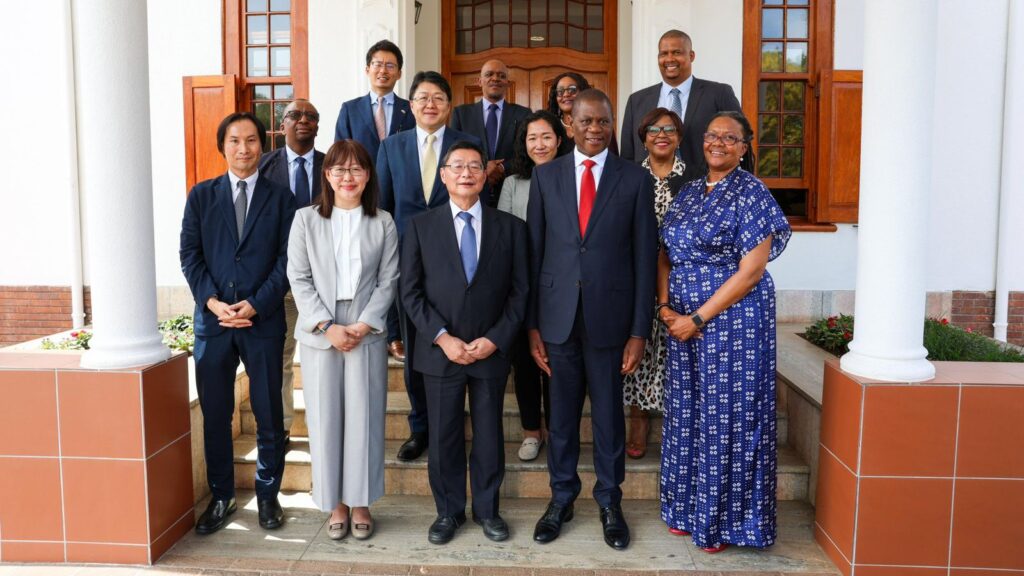
While the meeting itself may last only a short time, its impact can be long-lasting. Diplomatic engagements often lead to:
- Trade agreements
- Strategic partnerships
- Joint initiatives
- Policy alignment
In many cases, a single meeting can open the door to years of cooperation.
Why Diplomatic Meetings Matter
Diplomatic meetings are not just formalities—they are powerful tools that shape international relations. They provide a platform for dialogue, reduce misunderstandings, and foster collaboration between nations.
In an increasingly interconnected world, these meetings remain essential for building trust and achieving shared goals.