When a crisis unfolds in a foreign country—whether it’s a conflict, natural disaster, or sudden political instability—many people turn to one place for help: their embassy.
But how exactly do embassies respond in these high-pressure situations?
Behind the scenes, there is no single “crisis room,” but rather a well-coordinated system designed to manage emergencies quickly, efficiently, and across borders.
A System Activated by Crisis
Embassies are always monitoring developments in their host countries. However, when a serious incident occurs, their crisis response system is immediately activated.
This could be triggered by:
- Armed conflict or civil unrest
- Natural disasters like floods, earthquakes, or wildfires
- Public health emergencies
- Sudden political instability
Once activated, the embassy shifts from routine operations to rapid response mode.
Gathering Information in Real Time
The first priority is understanding what is happening on the ground.
Embassies collect information from multiple sources, including:
- Local government authorities
- International organisations
- Security and intelligence networks
- Media and on-the-ground contacts
This allows them to build a clear, real-time picture of the situation and identify potential risks to their citizens.
Coordinating Across Borders
Crisis response is rarely handled by one embassy alone.
Diplomats work closely with:
- Their home government
- Other embassies and allied countries
- Local authorities in the host country
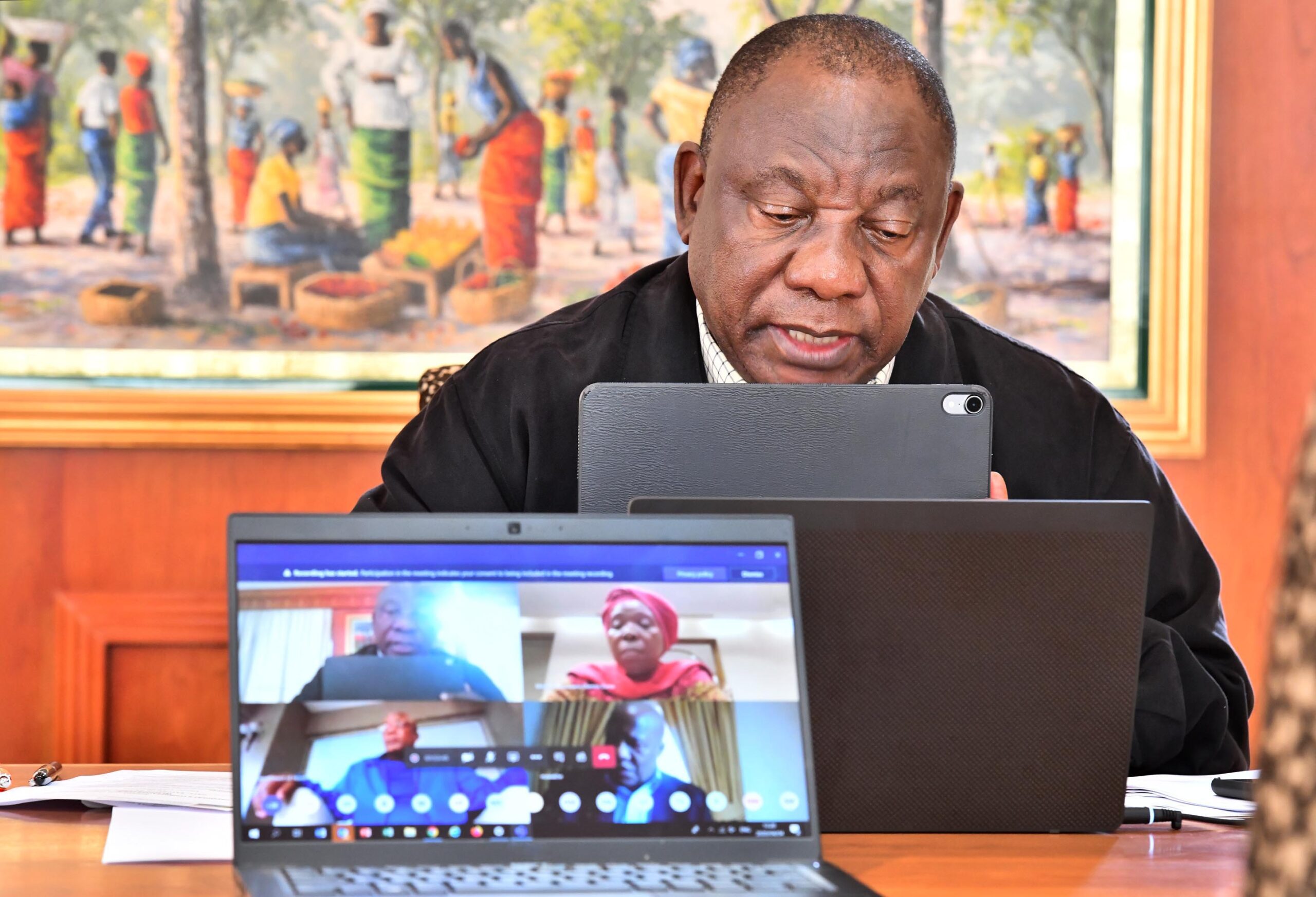
Communication happens across different time zones using secure systems, ensuring that decisions are aligned and resources are used effectively.
Making Critical Decisions
Once enough information is gathered, embassy teams assess the risks and decide on the appropriate response.
This may include:
- Issuing travel advisories
- Contacting citizens directly
- Advising people to shelter in place
- Organising evacuations
Every decision is based on one central priority: the safety of their citizens.
Supporting Citizens on the Ground
For citizens caught in a crisis, embassies can provide critical support, such as:
- Emergency travel documents
- Evacuation coordination
- Safety guidance and updates
- Communication with families back home
In some cases, embassies also work to ensure access to medical care or safe shelter.
Planning Ahead for the Unexpected
Importantly, crisis response doesn’t start when disaster strikes.
Embassies regularly:
- Develop contingency plans
- Run simulations and preparedness exercises
- Maintain updated contact lists of citizens abroad
This preparation allows them to respond quickly and effectively when real emergencies occur.
Why This Matters
For anyone living, working, or traveling abroad, understanding the role of embassies during crises is essential.
While embassies cannot eliminate danger, they play a crucial role in:
- Providing reliable information
- Coordinating evacuations
- Offering support when it is needed most
Final Thought
Crisis response in embassies is not about a single moment or a single place.
It is about systems, coordination, and preparedness working together under pressure.
And when emergencies happen, that system can make all the difference.